Job 15
כתבי הקודש · Tap a verse to see its cross-references.
1וַ֭יַּעַן אֱלִיפַ֥ז הַֽתֵּימָנִ֗י וַיֹּאמַֽר׃ 2הֶֽחָכָ֗ם יַעֲנֶ֥ה דַֽעַת־ר֑וּחַ וִֽימַלֵּ֖א קָדִ֣ים בִּטְנֽוֹ׃ 3הוֹכֵ֣חַ בְּ֭דָבָר לֹ֣א יִסְכּ֑וֹן וּ֝מִלִּ֗ים לֹא־יוֹעִ֥יל בָּֽם׃ 4אַף־אַ֭תָּה תָּפֵ֣ר יִרְאָ֑ה וְתִגְרַ֥ע שִׂ֝יחָ֗ה לִפְנֵי־אֵֽל׃ 5כִּ֤י יְאַלֵּ֣ף עֲוֺנְךָ֣ פִ֑יךָ וְ֝תִבְחַ֗ר לְשׁ֣וֹן עֲרוּמִֽים׃ 6יַרְשִֽׁיעֲךָ֣ פִ֣יךָ וְלֹא־אָ֑נִי וּ֝שְׂפָתֶ֗יךָ יַעֲנוּ־בָֽךְ׃ 7הֲרִאישׁ֣וֹן אָ֭דָם תִּוָּלֵ֑ד וְלִפְנֵ֖י גְבָע֣וֹת חוֹלָֽלְתָּ׃ 8הַבְס֣וֹד אֱל֣וֹהַ תִּשְׁמָ֑ע וְתִגְרַ֖ע אֵלֶ֣יךָ חָכְמָֽה׃ 9מַה־יָּ֭דַעְתָּ וְלֹ֣א נֵדָ֑ע תָּ֝בִ֗ין וְֽלֹא־עִמָּ֥נוּ הֽוּא׃ 10גַּם־שָׂ֣ב גַּם־יָשִׁ֣ישׁ בָּ֑נוּ כַּבִּ֖יר מֵאָבִ֣יךָ יָמִֽים׃ 11הַמְעַ֣ט מִ֭מְּךָ תַּנְחֻמ֣וֹת אֵ֑ל וְ֝דָבָ֗ר לָאַ֥ט עִמָּֽךְ׃ 12מַה־יִּקָּחֲךָ֥ לִבֶּ֑ךָ וּֽמַה־יִּרְזְמ֥וּן עֵינֶֽיךָ׃ 13כִּֽי־תָשִׁ֣יב אֶל־אֵ֣ל רוּחֶ֑ךָ וְהֹצֵ֖אתָ מִפִּ֣יךָ מִלִּֽין׃ 14מָֽה־אֱנ֥וֹשׁ כִּֽי־יִזְכֶּ֑ה וְכִֽי־יִ֝צְדַּ֗ק יְל֣וּד אִשָּֽׁה׃ 15הֵ֣ן בקדשו לֹ֣א יַאֲמִ֑ין וְ֝שָׁמַ֗יִם לֹא־זַכּ֥וּ בְעֵינָֽיו׃ 16אַ֭ף כִּֽי־נִתְעָ֥ב וְֽנֶאֱלָ֑ח אִישׁ־שֹׁתֶ֖ה כַמַּ֣יִם עַוְלָֽה׃ 17אֲחַוְךָ֥ שְֽׁמַֽע־לִ֑י וְזֶֽה־חָ֝זִ֗יתִי וַאֲסַפֵּֽרָה׃ 18אֲשֶׁר־חֲכָמִ֥ים יַגִּ֑ידוּ וְלֹ֥א כִֽ֝חֲד֗וּ מֵאֲבוֹתָֽם׃ 19לָהֶ֣ם לְ֭בַדָּם נִתְּנָ֣ה הָאָ֑רֶץ וְלֹא־עָ֖בַר זָ֣ר בְּתוֹכָֽם׃ 20כָּל־יְמֵ֣י רָ֭שָׁע ה֣וּא מִתְחוֹלֵ֑ל וּמִסְפַּ֥ר שָׁ֝נִ֗ים נִצְפְּנ֥וּ לֶעָרִֽיץ׃ 21קוֹל־פְּחָדִ֥ים בְּאָזְנָ֑יו בַּ֝שָּׁל֗וֹם שׁוֹדֵ֥ד יְבוֹאֶֽנּוּ׃ 22לֹא־יַאֲמִ֣ין שׁ֭וּב מִנִּי־חֹ֑שֶׁךְ וצפו ה֣וּא אֱלֵי־חָֽרֶב׃ 23נֹ֘דֵ֤ד ה֣וּא לַלֶּ֣חֶם אַיֵּ֑ה יָדַ֓ע ׀ כִּֽי־נָכ֖וֹן בְּיָד֣וֹ יֽוֹם־חֹֽשֶׁךְ׃ 24יְֽ֭בַעֲתֻהוּ צַ֣ר וּמְצוּקָ֑ה תִּ֝תְקְפֵ֗הוּ כְּמֶ֤לֶךְ ׀ עָתִ֬יד לַכִּידֽוֹר׃ 25כִּֽי־נָטָ֣ה אֶל־אֵ֣ל יָד֑וֹ וְאֶל־שַׁ֝דַּ֗י יִתְגַּבָּֽר׃ 26יָר֣וּץ אֵלָ֣יו בְּצַוָּ֑אר בַּ֝עֲבִ֗י גַּבֵּ֥י מָֽגִנָּֽיו׃ 27כִּֽי־כִסָּ֣ה פָנָ֣יו בְּחֶלְבּ֑וֹ וַיַּ֖עַשׂ פִּימָ֣ה עֲלֵי־כָֽסֶל׃ 28וַיִּשְׁכּ֤וֹן ׀ עָ֘רִ֤ים נִכְחָד֗וֹת בָּ֭תִּים לֹא־יֵ֣שְׁבוּ לָ֑מוֹ אֲשֶׁ֖ר הִתְעַתְּד֣וּ לְגַלִּֽים׃ 29לֹֽא־יֶ֭עְשַׁר וְלֹא־יָק֣וּם חֵיל֑וֹ וְלֹֽא־יִטֶּ֖ה לָאָ֣רֶץ מִנְלָֽם׃ 30לֹֽא־יָס֨וּר ׀ מִנִּי־חֹ֗שֶׁךְ יֹֽ֭נַקְתּוֹ תְּיַבֵּ֣שׁ שַׁלְהָ֑בֶת וְ֝יָס֗וּר בְּר֣וּחַ פִּֽיו׃ 31אַל־יַאֲמֵ֣ן בשו נִתְעָ֑ה כִּי־שָׁ֝֗וְא תִּהְיֶ֥ה תְמוּרָתֽוֹ׃ 32בְּֽלֹא־י֭וֹמוֹ תִּמָּלֵ֑א וְ֝כִפָּת֗וֹ לֹ֣א רַעֲנָֽנָה׃ 33יַחְמֹ֣ס כַּגֶּ֣פֶן בִּסְר֑וֹ וְיַשְׁלֵ֥ךְ כַּ֝זַּ֗יִת נִצָּתֽוֹ׃ 34כִּֽי־עֲדַ֣ת חָנֵ֣ף גַּלְמ֑וּד וְ֝אֵ֗שׁ אָכְלָ֥ה אָֽהֳלֵי־שֹֽׁחַד׃ 35הָרֹ֣ה עָ֭מָל וְיָ֣לֹד אָ֑וֶן וּ֝בִטְנָ֗ם תָּכִ֥ין מִרְמָֽה׃ ס
Did you know?
Eliphaz's Second Speech and Ancestral Wisdom
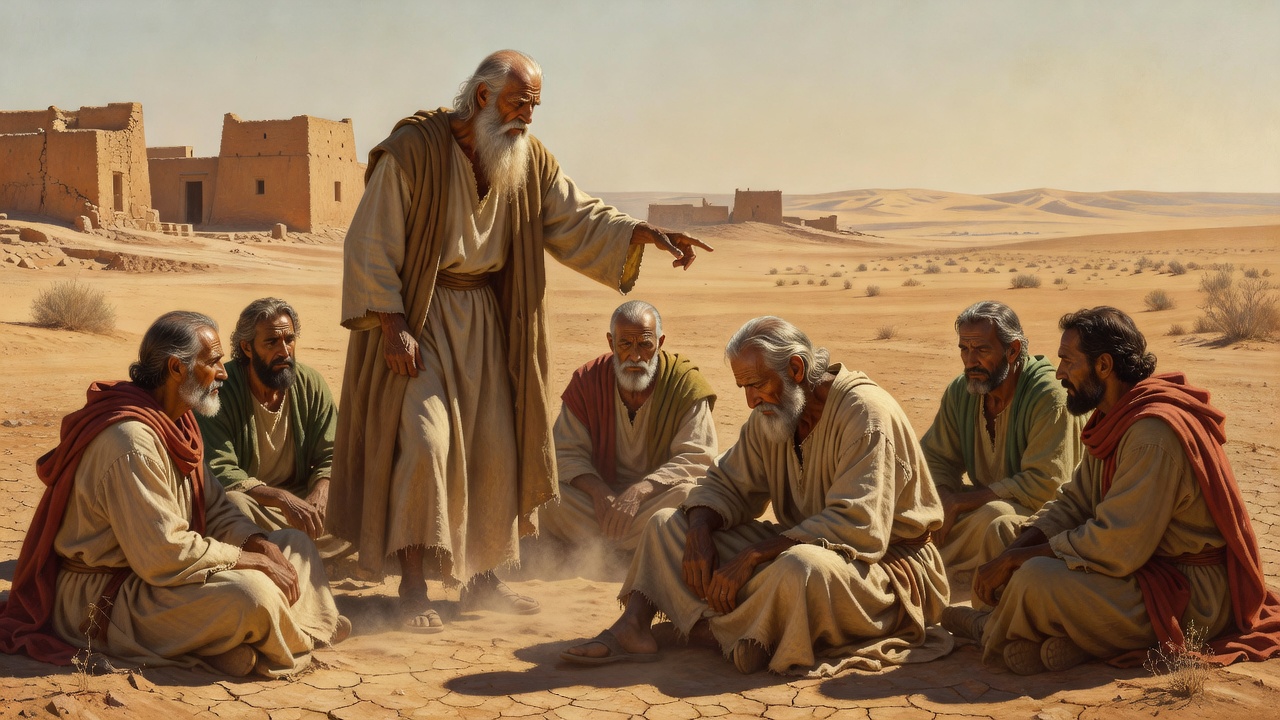
- Eliphaz accuses Job of filling his belly with the hot east wind, invoking a familiar ancient Near Eastern metaphor for the dry, scorching desert wind that blights vegetation and brings destruction instead of sustenance.Sources: the Bible text itself
- To validate his view that the wicked inevitably suffer ruin, Eliphaz appeals to the authority of ancient, gray-haired sages and traditional lore handed down from a time before foreign influences entered the land.Sources: the Bible text itself · Eliphaz
Notes written with AI assistance from open sources (Theographic Bible Metadata, CC BY-SA 4.0; Easton’s Bible Dictionary, public domain) and reviewed before publishing.
Credits and license for this translation
כתבי הקודש
The Hebrew Old Testament, Westminster Leningrad Codex
Public Domain
Language: עברית (Hebrew)
Dialect: Biblical/Ancient
Lemma and morphology data are licensed under a Creative Commons Attribution- ShareAlike license (http://creativecommons.org/licenses/by-sa/3.0/). For attribution purposes, credit the Open Scriptures Hebrew Bible Project. The text of the WLC remains in the public domain.
2017-12-27
Source: http://ebible.org/hboWLC/ · eBible.org