Job 14
כתבי הקודש · Tap a verse to see its cross-references.
1אָ֭דָם יְל֣וּד אִשָּׁ֑ה קְצַ֥ר יָ֝מִ֗ים וּֽשְׂבַֽע־רֹֽגֶז׃ 2כְּצִ֣יץ יָ֭צָא וַיִּמָּ֑ל וַיִּבְרַ֥ח כַּ֝צֵּ֗ל וְלֹ֣א יַעֲמֽוֹד׃ 3אַף־עַל־זֶ֭ה פָּקַ֣חְתָּ עֵינֶ֑ךָ וְאֹ֘תִ֤י תָבִ֖יא בְמִשְׁפָּ֣ט עִמָּֽךְ׃ 4מִֽי־יִתֵּ֣ן טָ֭הוֹר מִטָּמֵ֗א לֹ֣א אֶחָֽד׃ 5אִ֥ם חֲרוּצִ֨ים ׀ יָמָ֗יו מִֽסְפַּר־חֳדָשָׁ֥יו אִתָּ֑ךְ חקו עָ֝שִׂ֗יתָ וְלֹ֣א יַעֲבֽוֹר׃ 6שְׁעֵ֣ה מֵעָלָ֣יו וְיֶחְדָּ֑ל עַד־יִ֝רְצֶ֗ה כְּשָׂכִ֥יר יוֹמֽוֹ׃ 7כִּ֤י יֵ֥שׁ לָעֵ֗ץ תִּ֫קְוָ֥ה אִֽם־יִ֭כָּרֵת וְע֣וֹד יַחֲלִ֑יף וְ֝יֹֽנַקְתּ֗וֹ לֹ֣א תֶחְדָּֽל׃ 8אִם־יַזְקִ֣ין בָּאָ֣רֶץ שָׁרְשׁ֑וֹ וּ֝בֶעָפָ֗ר יָמ֥וּת גִּזְעֽוֹ׃ 9מֵרֵ֣יחַ מַ֣יִם יַפְרִ֑חַ וְעָשָׂ֖ה קָצִ֣יר כְּמוֹ־נָֽטַע׃ 10וְגֶ֣בֶר יָ֭מוּת וַֽיֶּחֱלָ֑שׁ וַיִּגְוַ֖ע אָדָ֣ם וְאַיּֽוֹ׃ 11אָֽזְלוּ־מַ֭יִם מִנִּי־יָ֑ם וְ֝נָהָ֗ר יֶחֱרַ֥ב וְיָבֵֽשׁ׃ 12וְאִ֥ישׁ שָׁכַ֗ב וְֽלֹא־יָ֫ק֥וּם עַד־בִּלְתִּ֣י שָׁ֭מַיִם לֹ֣א יָקִ֑יצוּ וְלֹֽא־יֵ֝עֹ֗רוּ מִשְּׁנָתָֽם׃ 13מִ֤י יִתֵּ֨ן ׀ בִּשְׁא֬וֹל תַּצְפִּנֵ֗נִי תַּ֭סְתִּירֵנִי עַד־שׁ֣וּב אַפֶּ֑ךָ תָּ֤שִׁ֥ית לִ֖י חֹ֣ק וְתִזְכְּרֵֽנִי׃ 14אִם־יָמ֥וּת גֶּ֗בֶר הֲיִ֫חְיֶ֥ה כָּל־יְמֵ֣י צְבָאִ֣י אֲיַחֵ֑ל עַד־בּ֝֗וֹא חֲלִיפָתִֽי׃ 15תִּ֭קְרָא וְאָנֹכִ֣י אֶֽעֱנֶ֑ךָּ לְֽמַעֲשֵׂ֖ה יָדֶ֣יךָ תִכְסֹֽף׃ 16כִּֽי־עַ֭תָּה צְעָדַ֣י תִּסְפּ֑וֹר לֹֽא־תִ֝שְׁמ֗וֹר עַל־חַטָּאתִֽי׃ 17חָתֻ֣ם בִּצְר֣וֹר פִּשְׁעִ֑י וַ֝תִּטְפֹּ֗ל עַל־עֲוֺנִֽי׃ 18וְ֭אוּלָם הַר־נוֹפֵ֣ל יִבּ֑וֹל וְ֝צ֗וּר יֶעְתַּ֥ק מִמְּקֹמֽוֹ׃ 19אֲבָנִ֤ים ׀ שָׁ֥חֲקוּ מַ֗יִם תִּשְׁטֹֽף־סְפִיחֶ֥יהָ עֲפַר־אָ֑רֶץ וְתִקְוַ֖ת אֱנ֣וֹשׁ הֶאֱבַֽדְתָּ׃ 20תִּתְקְפֵ֣הוּ לָ֭נֶצַח וַֽיַּהֲלֹ֑ךְ מְשַׁנֶּ֥ה פָ֝נָ֗יו וַֽתְּשַׁלְּחֵֽהוּ׃ 21יִכְבְּד֣וּ בָ֭נָיו וְלֹ֣א יֵדָ֑ע וְ֝יִצְעֲר֗וּ וְֽלֹא־יָבִ֥ין לָֽמוֹ׃ 22אַךְ־בְּ֭שָׂרוֹ עָלָ֣יו יִכְאָ֑ב וְ֝נַפְשׁ֗וֹ עָלָ֥יו תֶּאֱבָֽל׃ פ
Did you know?
The Frailty of Life and the Hope of Renewal
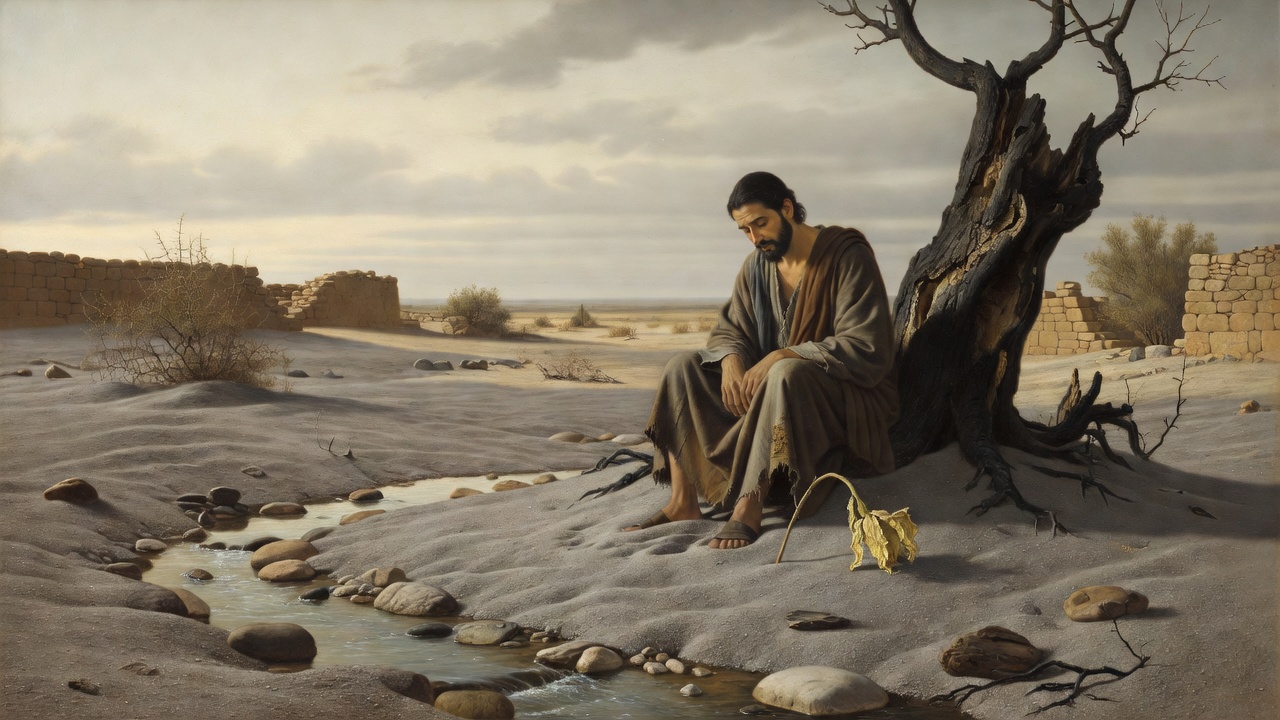
- In this speech, Job contrasts the fate of mortals with that of a tree. While a felled tree can sprout new shoots at the scent of water even after its stump seems dead, a human being dies, lies down, and does not rise again to life on earth.Sources: the Bible text itself
- Job contemplates Sheol as a potential hiding place where he might be sheltered until divine anger passes, imagining a longing in which God would seal his transgressions in a bag and call upon the work of His hands.Sources: the Bible text itself
- To capture the brevity and decay of human existence, the chapter draws upon natural metaphors of erosion and transience, comparing human life to a fleeting shadow, a withered flower, and rocks worn down by water.Sources: the Bible text itself
Notes written with AI assistance from open sources (Theographic Bible Metadata, CC BY-SA 4.0; Easton’s Bible Dictionary, public domain) and reviewed before publishing.
Credits and license for this translation
כתבי הקודש
The Hebrew Old Testament, Westminster Leningrad Codex
Public Domain
Language: עברית (Hebrew)
Dialect: Biblical/Ancient
Lemma and morphology data are licensed under a Creative Commons Attribution- ShareAlike license (http://creativecommons.org/licenses/by-sa/3.0/). For attribution purposes, credit the Open Scriptures Hebrew Bible Project. The text of the WLC remains in the public domain.
2017-12-27
Source: http://ebible.org/hboWLC/ · eBible.org