Job 16
כתבי הקודש · Tap a verse to see its cross-references.
1וַיַּ֥עַן אִיּ֗וֹב וַיֹּאמַֽר׃ 2שָׁמַ֣עְתִּי כְאֵ֣לֶּה רַבּ֑וֹת מְנַחֲמֵ֖י עָמָ֣ל כֻּלְּכֶֽם׃ 3הֲקֵ֥ץ לְדִבְרֵי־ר֑וּחַ א֥וֹ מַה־יַּ֝מְרִֽיצְךָ֗ כִּ֣י תַעֲנֶֽה׃ 4גַּ֤ם ׀ אָנֹכִי֮ כָּכֶ֪ם אֲדַ֫בֵּ֥רָה ל֤וּ־יֵ֪שׁ נַפְשְׁכֶ֡ם תַּ֤חַת נַפְשִׁ֗י אַחְבִּ֣ירָה עֲלֵיכֶ֣ם בְּמִלִּ֑ים וְאָנִ֥יעָה עֲ֝לֵיכֶ֗ם בְּמ֣וֹ רֹאשִֽׁי׃ 5אֲאַמִּצְכֶ֥ם בְּמוֹ־פִ֑י וְנִ֖יד שְׂפָתַ֣י יַחְשֹֽׂךְ׃ 6אִֽם־אֲ֭דַבְּרָה לֹא־יֵחָשֵׂ֣ךְ כְּאֵבִ֑י וְ֝אַחְדְּלָ֗ה מַה־מִנִּ֥י יַהֲלֹֽךְ׃ 7אַךְ־עַתָּ֥ה הֶלְאָ֑נִי הֲ֝שִׁמּ֗וֹתָ כָּל־עֲדָתִֽי׃ 8וַֽ֭תִּקְמְטֵנִי לְעֵ֣ד הָיָ֑ה וַיָּ֥קָם בִּ֥י כַ֝חֲשִׁ֗י בְּפָנַ֥י יַעֲנֶֽה׃ 9אַפּ֤וֹ טָרַ֨ף ׀ וַֽיִּשְׂטְמֵ֗נִי חָרַ֣ק עָלַ֣י בְּשִׁנָּ֑יו צָרִ֓י ׀ יִלְט֖וֹשׁ עֵינָ֣יו לִֽי׃ 10פָּעֲר֬וּ עָלַ֨י ׀ בְּפִיהֶ֗ם בְּ֭חֶרְפָּה הִכּ֣וּ לְחָיָ֑י יַ֝֗חַד עָלַ֥י יִתְמַלָּאֽוּן׃ 11יַסְגִּירֵ֣נִי אֵ֭ל אֶ֣ל עֲוִ֑יל וְעַל־יְדֵ֖י רְשָׁעִ֣ים יִרְטֵֽנִי׃ 12שָׁ֘לֵ֤ו הָיִ֨יתִי ׀ וַֽיְפַרְפְּרֵ֗נִי וְאָחַ֣ז בְּ֭עָרְפִּי וַֽיְפַצְפְּצֵ֑נִי וַיְקִימֵ֥נִי ל֝֗וֹ לְמַטָּרָֽה׃ 13יָ֘סֹ֤בּוּ עָלַ֨י ׀ רַבָּ֗יו יְפַלַּ֣ח כִּ֭לְיוֹתַי וְלֹ֣א יַחְמ֑וֹל יִשְׁפֹּ֥ךְ לָ֝אָ֗רֶץ מְרֵרָֽתִי׃ 14יִפְרְצֵ֣נִי פֶ֭רֶץ עַל־פְּנֵי־פָ֑רֶץ יָרֻ֖ץ עָלַ֣י כְּגִבּֽוֹר׃ 15שַׂ֣ק תָּ֭פַרְתִּי עֲלֵ֣י גִלְדִּ֑י וְעֹלַ֖לְתִּי בֶעָפָ֣ר קַרְנִֽי׃ 16פָּנַ֣י חמרמרה מִנִּי־בֶ֑כִי וְעַ֖ל עַפְעַפַּ֣י צַלְמָֽוֶת׃ 17עַ֭ל לֹא־חָמָ֣ס בְּכַפָּ֑י וּֽתְפִלָּתִ֥י זַכָּֽה׃ 18אֶ֭רֶץ אַל־תְּכַסִּ֣י דָמִ֑י וְֽאַל־יְהִ֥י מָ֝ק֗וֹם לְזַעֲקָתִֽי׃ 19גַּם־עַ֭תָּה הִנֵּה־בַשָּׁמַ֣יִם עֵדִ֑י וְ֝שָׂהֲדִ֗י בַּמְּרוֹמִֽים׃ 20מְלִיצַ֥י רֵעָ֑י אֶל־אֱ֝ל֗וֹהַ דָּלְפָ֥ה עֵינִֽי׃ 21וְיוֹכַ֣ח לְגֶ֣בֶר עִם־אֱל֑וֹהַּ וּֽבֶן־אָדָ֥ם לְרֵעֵֽהוּ׃ 22כִּֽי־שְׁנ֣וֹת מִסְפָּ֣ר יֶאֱתָ֑יוּ וְאֹ֖רַח לֹא־אָשׁ֣וּב אֶהֱלֹֽךְ׃
Did you know?
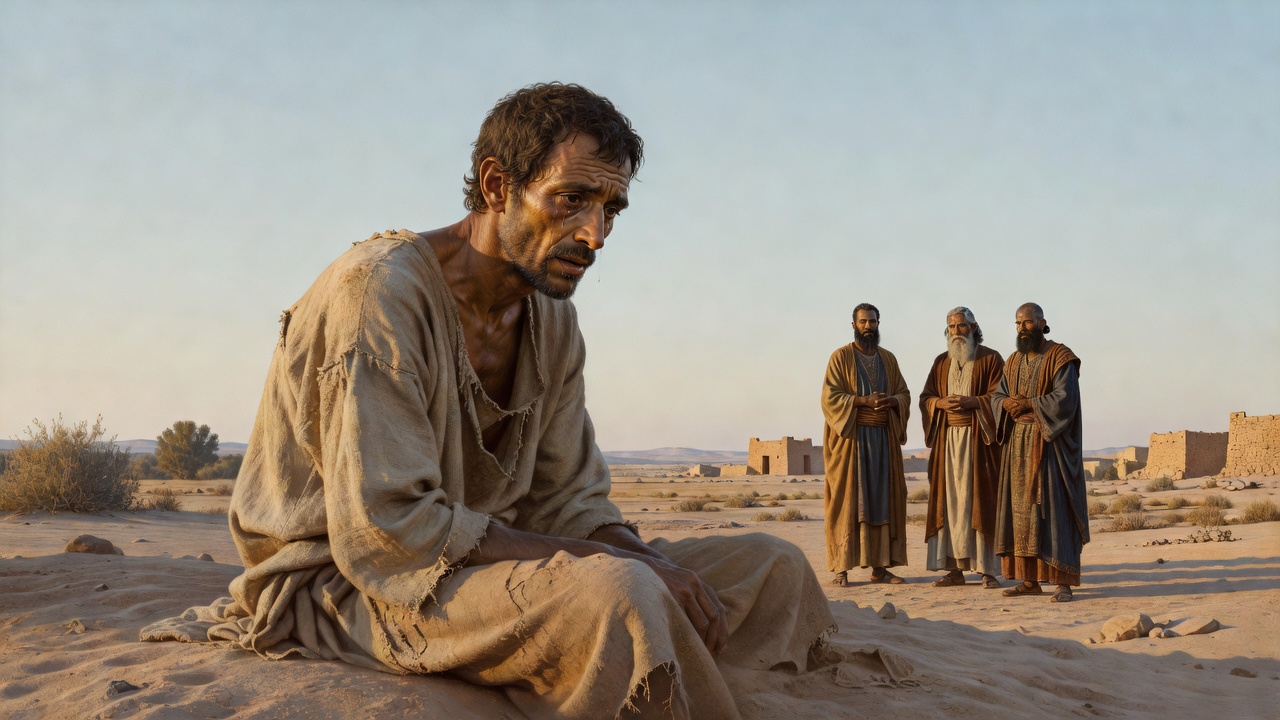
Job's Agony and Appeal to a Heavenly Witness
- Job rebukes his companions as miserable comforters whose speeches bring no relief. To express the depth of his humiliation and mourning, he notes that he has sewn sackcloth over his skin and buried his horn in the dust, using the horn as an ancient symbol of strength, honor, and dignity.Sources: the Bible text itself
- Despite suffering devastating physical and emotional anguish while surrounded by mocking companions, Job insists that his hands are free of violence and his prayer is pure. Looking beyond his earthly accusers, he expresses confidence that he has an advocate and witness in heaven to plead his case.Sources: the Bible text itself · Job
Notes written with AI assistance from open sources (Theographic Bible Metadata, CC BY-SA 4.0; Easton’s Bible Dictionary, public domain) and reviewed before publishing.
Credits and license for this translation
כתבי הקודש
The Hebrew Old Testament, Westminster Leningrad Codex
Public Domain
Language: עברית (Hebrew)
Dialect: Biblical/Ancient
Lemma and morphology data are licensed under a Creative Commons Attribution- ShareAlike license (http://creativecommons.org/licenses/by-sa/3.0/). For attribution purposes, credit the Open Scriptures Hebrew Bible Project. The text of the WLC remains in the public domain.
2017-12-27
Source: http://ebible.org/hboWLC/ · eBible.org