Isaiah 51
Bib Sen An · Tap a verse to see its cross-references.
1“Koute mwen, nou menm ki swiv ladwati a,
k ap chache SENYÈ a:
Gade vè wòch sou sila nou te taye a,
vè min wòch kote nou te retire a.
2Gade vè Abraham, papa nou an
ak Sarah, ki te fè nou soti nan vant.
Lè li te yon sèl, Mwen te rele li,
Mwen te beni li, e te fè l vin miltipliye.”
3Anverite, SENYÈ a te konsole Sion;
Li te rekonfòte tout kote dezole li yo.
Epi savann li yo te fèt sanble ak Éden,
e dezè yo tankou jaden Senyè a.
Lajwa ak kè kontan va twouve nan yo;
remèsiman ak son melodi chanson.
4“Prete atansyon a Mwen, O pèp Mwen an
e prete Mwen zòrèy nou, O nasyon Mwen an;
paske yon lwa va sòti nan Mwen
e Mwen va poze jistis Mwen kon yon limyè a tout pèp yo.
5Ladwati Mwen toupre a.
Sali Mwen te voye deyò.
Se bra M kap jije pèp yo.
Peyi kot yo va tann Mwen,
e bra M va jije pèp yo.
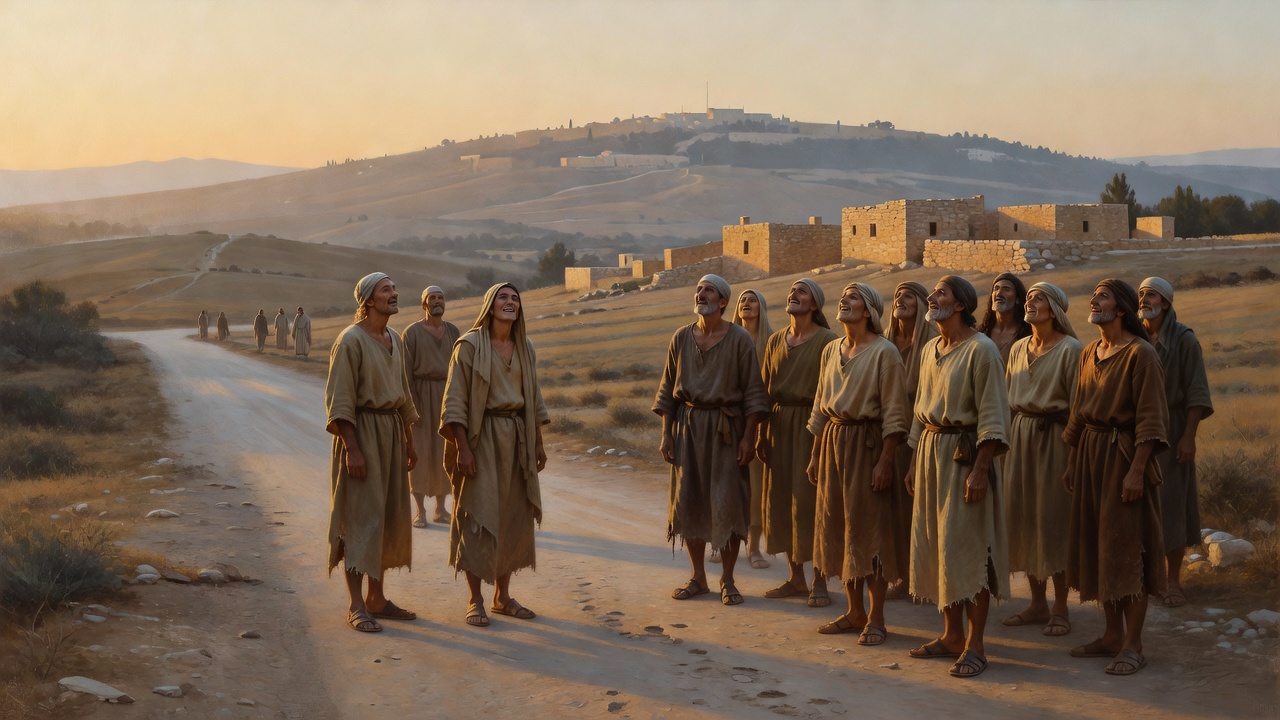
6Leve zye nou vè syèl la
e gade anba vè latè;
paske syèl la va disparèt tankou lafimen;
latè va epwize tankou yon vètman.
Konsa, moun ki rete ladann yo va mouri;
men delivrans Mwen va la jis pou tout tan,
e ladwati Mwen p ap janm sispann.
7“Koute Mwen, nou menm ki konnen ladwati,
yon pèp ki gen lalwa M nan kè yo.
Pa pè repwòch a lòm,
ni dekouraje lè y ap meprize nou.
8Paske papiyon va manje yo tankou yon vètman,
e mit va manje yo tankou len.
Men ladwati Mwen va jis pou tout tan,
e sali Mwen, a tout jenerasyon yo.”
9“Leve, leve, mete fòs sou Ou, O bra SENYÈ a;
leve tankou nan jou lansyen yo.
Èske se pa t Ou menm ki te koupe Rahab an ti mòso a,
ki te frennen dragon an nèt la?
10Èske se pa Ou menm ki te seche lanmè a,
dlo a gran fon yo;
ki te fè pwofondè lanmè yo yon chemen
pou rachte yo ta ka travèse lòtbò?
11Pou sa, rachte a SENYÈ yo va retounen;
vini ak gwo kri lajwa a Sion yo.
Epi lajwa ki dire nèt la va sou tèt yo.
Yo va jwenn kè kontan ak lajwa,
e tristès ak soupi pa yo va disparèt nèt.
12“Mwen, Mwen menm se Sila ki bannou konsolasyon an.
Se kilès ou ye pou ou pè moun ki va mouri,
ak fis a moun ki fèt tankou zèb la?
13Èske ou te bliye SENYÈ a, Kreyatè ou a,
ki te rale ouvri syèl yo
e te poze fondasyon latè yo?
Eske nou krent tout jounen akoz kòlè opresè a,
pandan l ap prepare pou detwi?
Men ki kote kòlè opresè sila a?
14Toutalè egzile a va libere.
Li p ap mouri nan kacho a,
ni li p ap manke pen.
15Paske Mwen se SENYÈ Bondye ou a,
ki fè boulvèse lanmè a,
Ki fè lanm li yo gwonde.
SENYÈ dèzame yo se non Li.
16Mwen te mete pawòl Mwen nan bouch ou
e te kouvri ou avèk lonbraj men Mwen,
pou etabli syèl yo, fonde latè a
e pou di a Sion: ‘Ou se pèp Mwen.’”
17Leve ou menm! Leve ou menm!
Kanpe, O Jérusalem!
Ou menm ki te bwè depi nan men SENYÈ a, tas kòlè Li.
Gode ki pou fè ou kilbite a,
ou fin bwè jis rive nan kras anba l.
18Nanpwen moun ki pou gide fi a
pami tout fis li te fè yo,
ni nanpwen moun ki pou pran l pa lamen
pami tout fis li te leve yo.
19Se de bagay sa yo ki gen tan rive ou—
se kilès ki va kriye pou ou?—
devastasyon ak destriksyon,
gwo grangou, ak nepe.
Kijan pou m ta konsole ou?
20Fis ou yo vin endispoze;
yo kouche atè sou pwent a chak ri,
tankou antilòp ki kenbe nan pèlen.
Yo ranpli ak kòlè SENYÈ a,
ak repwòch Bondye ou a.
21Pou sa, souple, koute sa, ou menm ki aflije,
ki sou, men pa avèk diven:
22Konsa pale Senyè ou a,
SENYÈ a, menm Bondye ou,
ki pran plede kòz pou pèp Li a:
“Gade byen, Mwen te retire tas kilbite a,
gode kòlè Mwen an soti nan men ou;
ou p ap janm bwè l ankò.
23M ap mete li nan men a sila k ap toumante ou yo,
ki te di nanm ou: ‘Kouche pou nou ka mache sou ou’.
Ou te kouche fè do ou vin tankou tè a;
tankou gran lari pou sila k ap mache sou li yo.”
Did you know?
Comfort for Zion and the Memory of Origins
- Isaiah 51 urges listeners who seek the Lord to look back to their ancestral roots in Abraham and Sarah. The text recalls how Abraham was called as a single individual before God blessed and multiplied his descendants.Sources: the Bible text itself · Abraham · Sarah
- In verse 9, the name Rahab is a poetic designation applied to Egypt, signifying pride or insolence. The passage evokes God striking this symbolic monster and drying the sea waters during the exodus as a sign of power to redeem captives.Sources: the Bible text itself · Rahab
- The prophecy compares the future renewal of ruined Zion to the lush wilderness of Eden, the garden of the Lord. The text assures Jerusalem that the cup of suffering will be taken from her hands and placed into the hands of her oppressors.Sources: the Bible text itself · Zion · Eden · Jerusalem
Notes written with AI assistance from open sources (Theographic Bible Metadata, CC BY-SA 4.0; Easton’s Bible Dictionary, public domain) and reviewed before publishing.
Places in this chapter
- Zion · Today: Jerusalem · 31.777, 35.234 · verses 3, 11, 16
- Egypt · 30.129, 31.308 · verse 9
- Nile · Today: Nile River · 31.465, 30.367 · verse 9
- Jerusalem · 31.777, 35.234 · verse 17
Only places identified with high confidence are shown (90% or more according to the scholarly sources compiled by OpenBible). Period map: DARE (Digital Atlas of the Roman Empire), CC BY 4.0; modern map: © OpenStreetMap contributors; places: OpenBible.info (CC BY 4.0).
Credits and license for this translation
Bib Sen An
The Holy Bible in Haitian Creole, 2023 update
copyright © 2017-2023 Ron Smith
Language: Kreyòl Ayisyen (Haitian)
Translation by: Ron Smith
Contributor: Felix Nixon
This translation is made available to you under the terms of the
Creative Commons Attribution Share-Alike license 4.0.
You have permission to share and redistribute this Bible translation in any format and to make reasonable revisions and adaptations of this translation, provided that:
You include the above copyright and source information.
If you make any changes to the text, you must indicate that you did so in a way that makes it clear that the original licensor is not necessarily endorsing your changes.
If you redistribute this text, you must distribute your contributions under the same license as the original.
Pictures included with Scriptures and other documents on this site are licensed just for use with those Scriptures and documents.
For other uses, please contact the respective copyright owners.
Note that in addition to the rules above, revising and adapting God's Word involves a great responsibility to be true to God's Word. See Revelation 22:18-19.
2026-06-11
Source: http://ebible.org/hatbsa/ · eBible.org