Ecclesiastes 6
Bib La · Tap a verse to see its cross-references.
1Mwen wè yon lòt malè sou latè ankò, se bagay ki rive fasil. 2Bondye bay yon moun richès, pozisyon, byen, lwanj. Wi, Bondye ba li tou sa li bezwen san manke yonn. Men Bondye pa kite l' jwi yo. Se yon etranje k'ap jwi yo pito. Tou sa pa vo anyen. Se bagay ki rèd anpil. 3Yon nonm te mèt gen san (0100) pitit, li te mèt viv lontan, wi li te mèt rive vye granmoun, si li pa jwi anyen nan lavi, si yo pa ka fè bèl lantèman pou li, enben, mwen di nou: Yon timoun ki fèt tou mouri miyò pase l'. 4Paske ti pitit la fèt, men sa pa sèvi l' anyen. Li disparèt lamenm. Ata non l' yo pa gen tan konnen. 5Li pa janm wè limyè solèy, li pa janm konnen sa lavi ye. Men, ti pitit la jwenn pi bon repo pase nonm sa a 6ki viv depase demilan men ki pa janm jwi anyen nan lavi, paske, lè ou gade byen, tou de al menm kote a. 7Tou sa yon nonm fè pase nan bouch, men l'ap toujou grangou. 8Kisa yon nonm ki gen lespri gen pase yon nonm sòt? Kisa sa rapòte yon pòv malere lè li konnen jan pou l' debat ak lavi a? 9Anyen. Pito ou kontan ak sa ou genyen pase pou ou toujou anvi sa ou pa genyen. Sa pa vo anyen, sa pa rapòte anyen. 10Tou sa ki rive, depi lontan yo konnen li te la pou rive. Nou deja konnen sa yon moun ye. Li pa ka nan kenbe tèt ak moun ki pi fò pase l'. 11Plis ou nan pale anpil, plis se tan ou w'ap pèdi. Kisa sa ap rapòte ou? 12Ki moun ki konnen sa ki bon pou yon moun k'ap mennen yon lavi ki pa vo anyen, yon lavi k'ap pase tankou yon nwaj, pandan de twa jou l'ap pase sou tè a? Ki moun ki ka fè lèzòm konnen sa ki gen pou rive sou latè apre y'a fin mouri?
Did you know?
The Vanity of Unsatisfied Wealth
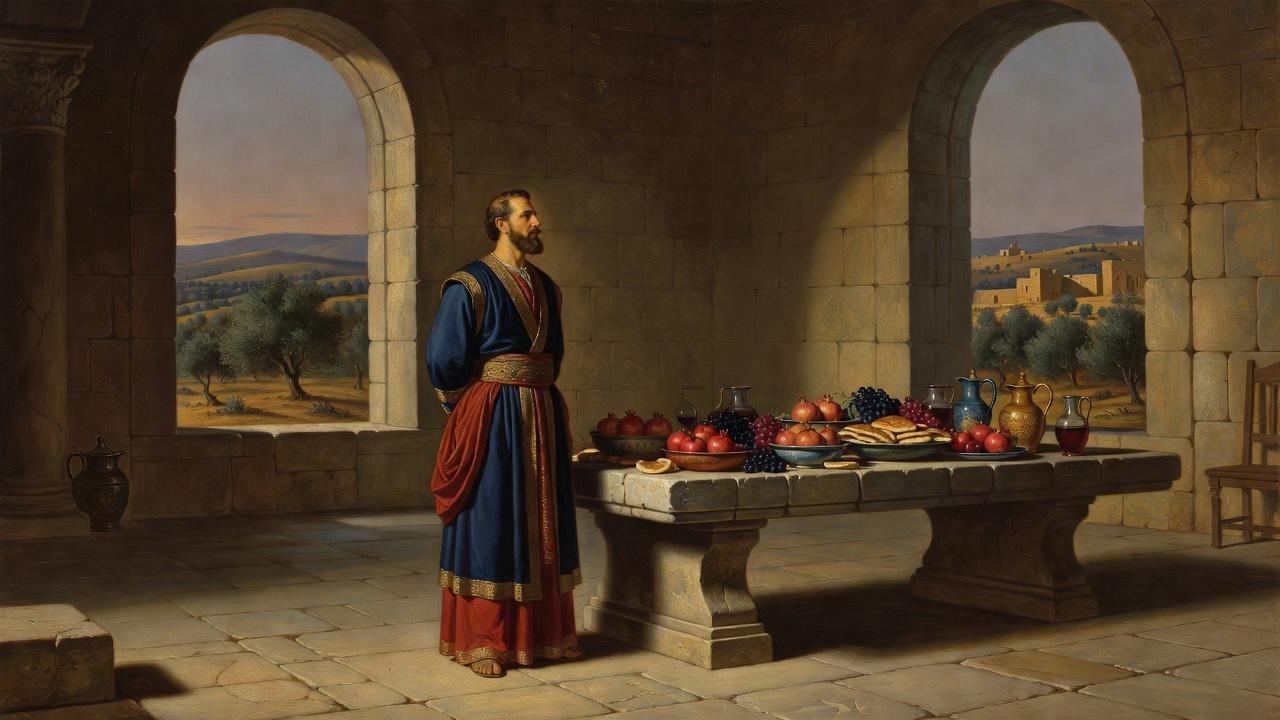
- In ancient thought, having a long life and fathering many children were considered the highest signs of blessing. Ecclesiastes observes, however, that even living two thousand years and fathering a hundred children is hollow if a person cannot enjoy their prosperity or receive a proper burial.Sources: the Bible text itself
- The author points out that although human labor is spent satisfying basic physical needs such as food, human appetite and desire remain continually unfulfilled. He contrasts enjoying what is directly present before the eyes with the ceaseless wandering of unsatisfied cravings.Sources: the Bible text itself
- The chapter emphasizes human limitations, noting that mortals cannot dispute with what has been established by one stronger than they are. Because life is fleeting like a shadow, humans cannot fully know what is truly good for them or foresee what will happen after they are gone.Sources: the Bible text itself
Notes written with AI assistance from open sources (Theographic Bible Metadata, CC BY-SA 4.0; Easton’s Bible Dictionary, public domain) and reviewed before publishing.
Credits and license for this translation
Bib La
The Holy Bible in Haitian Creole
Public Domain
Language: Kreyòl Ayisyen (Haitian)
In the Public Domain due to publication without copyright notice in 1985, and without subsequent registration within 5 years.
2020-03-10
Source: http://ebible.org/hat/ · eBible.org