1 Kings 17
Kuninjku Selections · Tap a verse to see its cross-references.
About this book
About 1 Kings
- Easton's Bible Dictionary (1897) treats the authorship of the books of Kings as uncertain. A tradition that Jeremiah wrote them is, in Easton's view, supported by passages almost identical with parts of Jeremiah and by events Jeremiah knew personally, yet Easton thinks it more probable that Ezra, after the Captivity, compiled the books from earlier documents, perhaps written by David, Solomon, Nathan, Gad, and Iddo. Easton dates the composition between 561 B.C., when Jehoiachin was released from captivity by Evil-merodach, and 538 B.C., the decree of Cyrus.Sources: Easton: Kings, The Books of
- Easton says these books contain the annals of the kingdom from Solomon's accession until Nebuchadnezzar and the Babylonians subdued it, a period he estimates at about 453 years. 1 Kings opens while David is dying: Adonijah, his fourth son, who had become heir-apparent to the throne after the deaths of Amnon and Absalom, has himself proclaimed king, but Nathan and Bathsheba persuade David to enthrone Solomon at once. Solomon, David's son by Bathsheba, whose history is recorded in 1 Kings 1-11, came to the throne, Easton suggests, at about sixteen or eighteen.Sources: Easton: Kings, The Books of · Adonijah · Solomon
- In the Hebrew Scriptures the two books of Kings originally formed one book; the Septuagint first divided them and, with the Vulgate, numbers them as the third and fourth books of Kings, the books of Samuel being the first and second. Easton notes that Chronicles gives greater prominence to the priestly or Levitical office, while Kings gives greater prominence to the royal office, and that in the threefold division of the Scriptures by the Jews these books are ranked among the Prophets. The narrative points to earlier sources: the book of the acts of Solomon and the chronicles of the kings of Judah and of Israel.Sources: Easton: Kings, The Books of
- After Solomon's death the ten tribes revolted and invited Jeroboam, son of Nebat, to be their king; Easton calls him the first king of those tribes and dates his reign from 976 to 945 B.C. He had fled to Egypt under the protection of Shishak I, and later moved his residence from Shechem, his first capital, to Tirzah, which remained the chief residence of Israel's kings until Omri bought the hill of Shomeron from Shemer for two talents of silver and built Samaria. The later narrative includes Ahab, Omri's son and the seventh king of Israel, whose wife was Jezebel: to the calf worship introduced by Jeroboam he added the worship of Baal, and he was severely admonished by the prophet Elijah.Sources: Jeroboam · Tirzah · Samaria · Ahab
Notes written with AI assistance from open sources (Theographic Bible Metadata, CC BY-SA 4.0; Easton’s Bible Dictionary, public domain) and reviewed before publishing.
8Nawu KAWOHRNAN bimarneyimeng Eleydja.
9“Ngayi ngamarneyimeng ngalkodjmong kure kunred Djarabad yingimen kure Djeydon ba ngunwon manme. Ngudda yiray kure kubolkkimuk, kumekke yini.”
10Wanjh Eleydja kamwam darnkih kure kubolkkimuk kurrukdangmaye kure Djarabad. Nungka binang ngalbu ngalkodjmong menehme manyahyay nungka bidjawam “kamak ngudda yimka ngarduk kunronj.”
11Ngaleng wam bomey kunronj mak biyawoyhdjawam, “kamak ngudda yimka ngardduk manyahwurd lodno.”
12Ngalkodjmong biwokmey, “marneyimeng kure kungey nuye kahni nawu KAWOHRNAN nawernkimuk Kod. Ngayi minj ngakarrme manbu lodno ngayime woyhbukki. Ngayi ngakarrme manyahyey mane wanjh bolkkime ngare kured. Mak ngayi ngakarrme manyahwurd manduy mak manyahwurd kunkalkid. Ba ngakinje ngarrewoneng ngayi mak ngardduk nayawh yerre wanjh bu nganemarrwer dowenh.”
13Eleydja yimeng, “Nawu KAWOHRNAN, Kod kure Israel bu kakurduyime kunmak kabukubukmen. Nguddangke ngahlanno manduy minj kayakmen nguddangke budjulung kunkalkid minj mak kayakmen. Bu wanjh yerre kamunkewe mandjewk. Yirrokmen kured ba ngudda yikinje bu yiyimeng. Yikinjemen manyahwurd manlod mak yimka kure ngayi. Wanjh yikinjemen ngurrewoneng. Wanjh bonj bu kamak rowk.”
15Ngalekke ngalbu ngalkodjmong dokmeng kured marnbom rowk bu Eleydja bimarneyimeng. Ngalbu ngalkodjmong ngalenngarre nayawh mak Eleydja birrikarekarrmeng manme kunkuyeng bedberre.
16Bu kunwok nuye nawu KAWOHRNAN bimarnewokdi Eleydja. Bu ngalengarre rowk ngalkodjmong ngahlanno manduy minj kayakmen dja budjulung kunkalkid minj mak kayakmen.
Did you know?
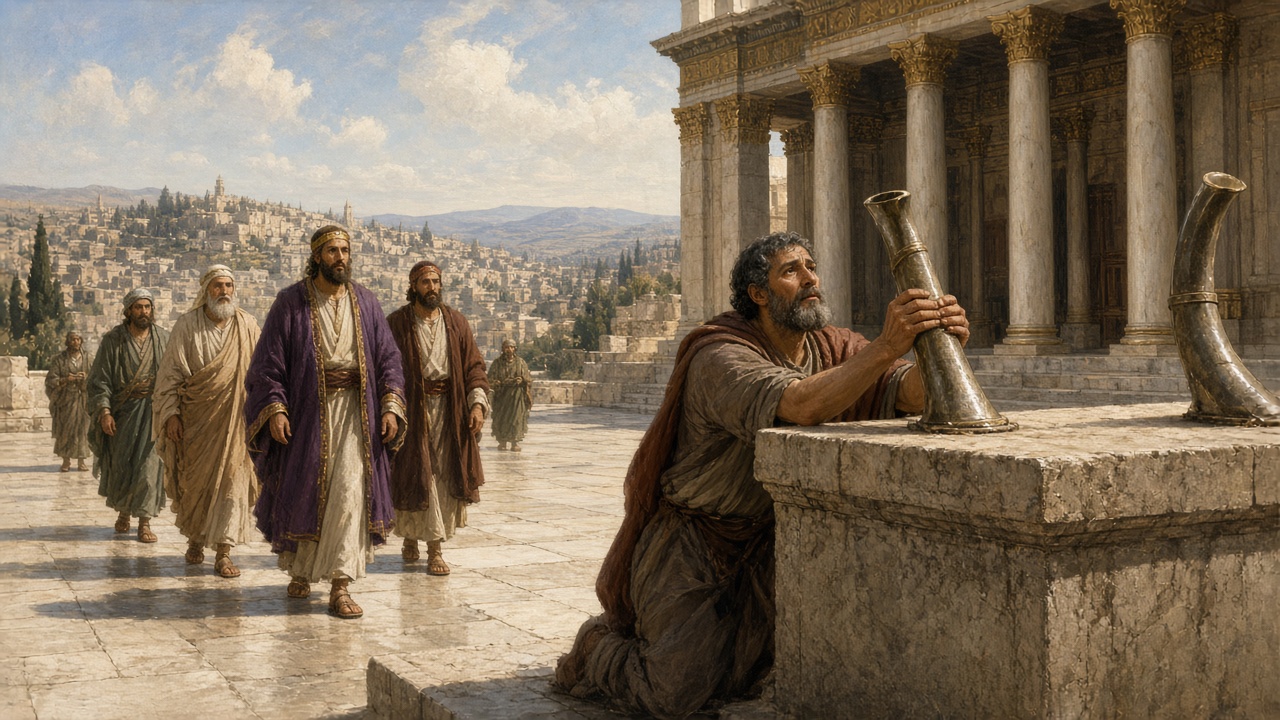
Elijah and the Drought
- The name Cherith refers to a gorge or seasonal winter stream. This ravine, situated east of the Jordan River, provided a secluded refuge for Elijah after he delivered his message of drought to King Ahab.Sources: the Bible text itself · Cherith · Elijah
- Zarephath, a name associated with a workshop for refining or smelting metals, was a Phoenician settlement situated between Tyre and Sidon, later known as Sarepta in the New Testament. Elijah found shelter there with a destitute widow during the severe famine.Sources: the Bible text itself · Zarephath · Sidon
- Elijah is designated as a Tishbite from among the settlers of Gilead, a mountainous territory east of the Jordan River. Scholars note that this designation may point to a hometown named Tishbe, or it could be rendered to mean a stranger or settler residing there.Sources: the Bible text itself · Tishbe · Gilead
Notes written with AI assistance from open sources (Theographic Bible Metadata, CC BY-SA 4.0; Easton’s Bible Dictionary, public domain) and reviewed before publishing.
Places in this chapter
- Gilead · Today: Gilead 1 · 32.187, 35.692 · verse 1
- Jordan · Today: Jordan River · 31.761, 35.558 · verses 3, 5
- Sidon · Today: Sandikli archaeological site in Sidon · 33.561, 35.372 · verse 9
- Zarephath · Today: Sarepta · 33.464, 35.295 · verses 9, 10
Only places identified with high confidence are shown (90% or more according to the scholarly sources compiled by OpenBible). Period map: DARE (Digital Atlas of the Roman Empire), CC BY 4.0; modern map: © OpenStreetMap contributors; places: OpenBible.info (CC BY 4.0).
Credits and license for this translation
Kuninjku Selections
Scripture portions in the Kuninjku language of Australia
copyright © 2021-2026 Wycliffe Bible Translators, Inc.
Language: Kuninjku (Kunwinjku)
This translation is made available to you under the terms of the
Creative Commons Attribution-Noncommercial-No Derivatives license 4.0.
You may share and redistribute this Bible translation or extracts from it in any format, provided that:
You include the above copyright and source information.
You do not sell this work for a profit.
You do not change any of the words or punctuation of the Scriptures.
Pictures included with Scriptures and other documents on this site are licensed just for use with those Scriptures and documents.
For other uses, please contact the respective copyright owners.
2026-09-09
Source: http://ebible.org/gupk/ · eBible.org