Luke 8
Aadi keyri: linjiila iisaa almasiihu · Tap a verse to see its cross-references.
No rewɓe ɗowtanirii Iisaa
1Caggal ɗum, Iisaa ana yiiloo e geelle e gure fuu, ana ooynoo Kabaaru Lobbo haala Laamu Laamɗo. Taalibaaɓe makko sappo e ɗiɗon ɓee ana ngondi e makko, 2kaɲum e rewɓe yogaaɓe ɓe seyɗaani'en mum'en ndibbaa, ɲawuuji mum'en cellinaa. Kamɓe ngoni Mariyama annditirteeɗo mo Magdala, mo seyɗaani'en njeɗɗon ndibbanoo iwde e mum, 3e Yowanna jom suudu howruujo Hirudus biyeteeɗo Huja, kaɲum e Susaana e rewɓe woɓɓe heewɓe wallirannooɓe ɓe jawle mum'en.
Banndol haala aawoowo
4Yimɓe iwi e geelle ɗee fuu, ngari e makko. Jamaa keewɗo filii mo, o haalani ɓe ngol banndol:
5—Aawoowo yalti sankoyde. E ley sankugol ngol, yoga e aawdi ndii saami e laawol, yaaɓaa, pooli ngari cuɓi ɗum. 6Yoga mayri saami e korokaaƴe, fuɗi, yoori, sabi nokku oo darnataa ndiyam. 7Yoga mayri saami ɗo kebbe puɗata, kebbe ɗee cuumi ndi. 8Yoga mayri saami e leydi mbelndi, fuɗi, rimi, wabbere fuu sowii cowe teemedere.
Nde o haalnoo ɗum ndee, o toowni daande makko, o wii:
—Jom nowru fuu yo nanu.
9Taalibaaɓe makko ɓee lamndii mo:
—Koɗum ngol banndol firritata?
10O wii ɓe:
—Onon, on ndokkaama faamde goonga tedduɗo haala Laamu Laamɗo oo. Kaa woɓɓe ɓee e banndi ɓe kaalanirtee, yalla:
«eɓe ƴeewa, tawa ɓe njiyataa,
ɓe nana, tawa ɓe paamataa.»
11Maanaa banndol ngol annii: aawdi ndii yo konngol Laamɗo. 12Yimɓe yogaaɓe ana nanndi e laawol. So ɓe nanii konngol ngol fuu, Ibiliisa waran itta ngol e ɓerɗe maɓɓe pati ɓe ngoonɗina, sako ɓe kisa. 13Yogaaɓe ana nanndi e korokaaƴe. Ɓe nanan konngol ngol, ɓe njaɓɓoroo ngol seyo. Kaa ngol walaa ɗaɗi e maɓɓe, wakkati gooto tan ɓe ngoonɗinta. Nde soobee oo wari fuu, ɓe njoppan. 14Yogaaɓe ana nanndi e nokku kebbe ɗo aawdi ndii saami ɗoo. So ɓe nanii konngol ngol tan, ɓe mbittan, sabi sugullaaji aduna e joote jawdi e giɗaaɗe yonki cuuman ngol ngol waasa ɓenndude. 15Kaa ɗo aawdi ndii saami e leydi mbelndi ɗoo, ɓeen ngoni nanirooɓe konngol ngol ɓerɗe belɗe, laaɓuɗe, so kayba ngol faa ngol rima.
Banndol haala lampa
16—Fay gooto huɓɓataa lampa so hippa hen la'al naa soorna ɗum ley leeso. Ko waɗata dee, sinndan ɗum, yalla eka yaaynana naatooɓe. 17Sabi walaa fuu ko ɲooɓi ko ɓanngintaake, walaa ko suuɗii ko annditataake faa yaltinee sella. 18Ndennoo, tiiɗee e no nanir-ɗon nii, sabi jogiiɗo fuu, ɓeydante. Kaa mo walaa oo, fay ko miilata ana jogii koo teetete.
Inna Iisaa e miɲiraaɓe Iisaa
19Inniiko e miɲiraaɓe makko worɓe ngari e makko, kaa ɓe keɓaali yottaade mo saabe jamaa. 20O haalanaa inna makko e miɲiraaɓe makko ana ndarii sella ana njiɗi yiide mo. 21Nii o jaabii, o wii:
—Innam e miɲiraaɓe am yo nanooɓe konngol Laamɗo ngol so ngollira ɗum ɓee.
No Iisaa waaltiniri henndu
22Ɲannde wootere Iisaa e taalibaaɓe mum naati laana. O wii ɓe:
—Lummben weendu nduu.
Ɓe ndeerti. 23E ley lummbugol ngol, mo ɗaanii. Oon wakkati fuu, henndu mawndu immii, laana kaa heewi ndiyam, ka hosi mutude. 24Ɓe ɓadii, eɓe pinndina mo eɓe mbiya:
—Moobbo, Moobbo, miɗen nii kalkoo!
O fini, o jahii e henndu nduu e bempeeje ɗee, non fuu wii teen! 25Caggal ɗum, o wii ɓe:
—Hoto hoolaare mon woni?
Ɓe kuli, ɓe cuŋli, eɓe mbiyondira e ko'e maɓɓe:
—Ko oo gorko woni? Omo yamira fay henndu e ndiyam, ɗi ɗowtanto mo.
No Iisaa selliniri laddaaɗo tuddiiɗo janaale
26Caggal ɗum, ɓe panndoyi leydi Gerasankooɓe, peewtondirndi e leydi Galili. 27Nde o ƴeenti ndee, gorko laddaaɗo, jeyaaɗo e ngeenndi ndii, joppuɗo kaddule ko ɓooyi so tuddoyii janaale, wari e makko. 28Nde o yii Iisaa ndee, o wulli, o diccii yeeso mum, o haali faa toowi, o wii:
—Iisaa, Ɓii Laamɗo Toowɗo, ko njiɗ-ɗaa waɗude kam? Miɗo ɲaage, pati torram.
29Walaa ko o wiiri non, sinaa Iisaa yamirii seyɗaani oo yalta e neɗɗo oo. Oo seyɗaani ana war-wartannoo e makko cili keewɗi. Oon ana geƴƴetenoo juuɗe e koyɗe fuu, geƴƴiree calali, kaa o taƴan ɗum fuu, seyɗaani oo regina mo ngeenndi, naɓa mo ley ladde jeereende. 30Iisaa lamndii mo, wii:
—Hono mbiyete-ɗaa?
O jaabii:
—Miɗo wiyee «Jamaa».
O wii ɗum non, sabi seyɗaani'en heewɓe ana ngondi e makko. 31Ɓe ndarii eɓe ndaarda Iisaa pati o yamira ɓe ɓe naatoya e iduru. 32Sewre girooji mawnde ana durannoo ɗon e hoore waamnde haayre. Seyɗaani'en ɓee ndaardi mo o duŋanoo ɗum'en naatoya e ley girooji ɗii. O duŋanii ɓe. 33Ɓe njalti e neɗɗo oo, ɓe naati e ley girooji ɗii. Sewre ndee fuu diiri, iwi hoore waamnde haayre too, naatoyi e ley weendu nduu, yoolii.
34Nde durooɓe ɓee njii ɗum ndee, ɓe ndogi, ɓe njantanoyii ɗum yimɓe ngeenndi ndii e seraaji mum. 35Ɓeen ngari ƴeewde ko waɗi koo. Nde ɓe njottii Iisaa ndee, ɓe tawi laddanooɗo oo ana jooɗii bannge makko, ana ɓoornii kaddule, yeeɗɗitii. Nii kulol nanngi ɓe. 36Yiinooɓe ɗum ɓee njantanii yimɓe no laddanooɗo oo selliniraa. 37Yimɓe leydi Gerasa fuu ndaardi Iisaa yoppana ɗum'en leydi mum'en, sabi kulol manngol nanngi ɗum'en. O naati laana, o witti. 38Mo seyɗaani mum ribbaa oo, ndaardi Iisaa acca o jokka e mum. Kaa Iisaa wirfintini mo, wii:
39—Hootu suudu maa, kumpitaa yimɓe maa ko Laamɗo waɗan maa.
O yehi, o ooynii e ngeenndi ndii fuu ko Iisaa waɗani mo koo.
No Iisaa wuurtiniri ɓii Jayrus e no selliniri debbo ɲawɗo
40Nde Iisaa wartunoo ndee, jamaa oo jaɓɓii ɗum, sabi yimɓe fuu ana ndoomunoo ɗum. 41Non gorko biyeteeɗo Jayrus, hooreejo suudu waajordu, wari e makko, diccii yeeso makko, ndaardi mo o wara galle mum, 42sabi ɓiyum debbo bajjo, mo duuɓi mum mbaarata e sappo e ɗiɗi, ana haɓana yonki.
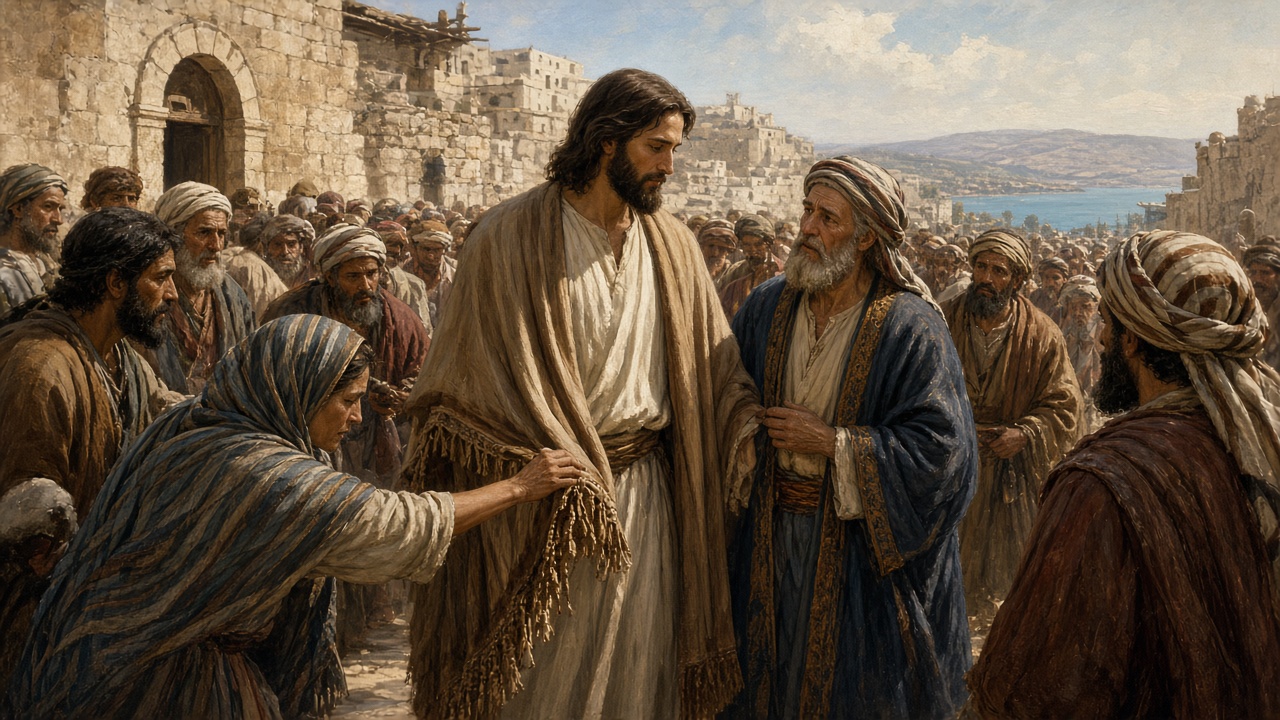
E ley yaadu Iisaa ton nduu, yimɓe ɓilli ɗum sanne. 43Debbo gooto, mo tuundi mum taƴataa ko waarata e duuɓi sappo e ɗiɗi, ana tawaa ton. Ko mo joginoo fuu mo sawrorike faa laaɓi, kaa fay gooto heɓaali sellinde mo. 44Mo iwri caggal Iisaa, mo memi kommbol saaya mum. Ɗon e ɗon ƴiiƴam ɗam taƴi. 45Iisaa wii:
—Homo memi kam?
Kaa nde wonnoo fay gooto jaabaaki, Piyeer wii:
—Moobbo, hakkunde yimɓe ngon-ɗaa, eɓe ɓillu maa.
46Iisaa wii:
—Won memɗo kam, sabi mi maatii won semmbe iwɗo e am.
47Nde debbo oo annditinnoo ɗum suuɗataako ndee, wari ana siɲɲa, diccii yeeso makko, haali hakkunde yimɓe fuu ko saabii so memi mo e no selliri ɗon e ɗon. 48Iisaa wii mo:
—Banndam debbo, goonɗinal maa danndii ma. Yaa e jam.
49Iisaa tilaaki haalde, faa won iwruɗo to hooreejo suudu waajordu oo too, wii Jayrus:
—Ɓiya oo heddaaki, fotaa ko tampinaa moobbo oo hankasen.
50Kaa nde wonnoo Iisaa nanii ɗum, wii hooreejo suudu waajordu oo:
—Pati hul, hoolam tan, ɓiya oo daɗan.
51Nde o yottii galle Jayrus ndee, o ɗalaali fay gooto naadda e makko, so wanaa Piyeer e Yuhanna e Yaakuuba e baaba suka oo e inna mum. 52Yimɓe ɓee fuu ndarii ana mboya suka oo, ana conkina semmbe. O wii ɓe:
—Pati mboyee! O maayaali, o ɗaaniiɗo tan.
53Kaa ɓe puuytini haala makko, sabi eɓe anndi o maayii. 54Iisaa nanngi junngo suka oo, toowni daande, wii:
—Suka, imma!
55Yonki makko warti e makko, o immii ɗon e ɗon. Iisaa yamiri ɓe ndokka mo ko o ɲaama. 56Saaraaɓe suka oo kaaynaa. O daalii ɓe pati ɓe kaalana fay gooto ko waɗi koo.
Did you know?
Good news on the Galilean road
- As Jesus went from town to town, some women traveled with him and the Twelve and supported them from their own means. Mary is called Magdalene from Magdala, her birthplace, to distinguish her from the other Marys; a reference work calls it a mistake to identify her with the woman described as a sinner in the previous story. Joanna was the wife of Chuza, steward of Herod Antipas, tetrarch of Galilee, and Susanna, whose name means lily, is named among them.Sources: Mary Magdalene · Joanna · Susanna · the Bible text itself
- Peter, James, and John, who appear with Jesus in this chapter, were fishermen on the Sea of Galilee. Peter's hometown, Bethsaida, lay on its western coast, where he was trained as a fisher; James, son of Zebedee and one of the Twelve, worked in partnership with him, and his brother John followed the same trade on the lake.Sources: Simon Peter · James (Son of Zebedee) · John the Apostle · the Bible text itself
- Jairus, who pleaded with Jesus to come because his only daughter was dying, is identified as a ruler of the synagogue at Capernaum. In the house, only Peter, James, and John were allowed to enter with the child's father and mother; after the girl got up, Jesus directed that she be given something to eat.Sources: Jairus · the Bible text itself
Notes written with AI assistance from open sources (Theographic Bible Metadata, CC BY-SA 4.0; Easton’s Bible Dictionary, public domain) and reviewed before publishing.
Places in this chapter
Only places identified with high confidence are shown (90% or more according to the scholarly sources compiled by OpenBible). Period map: DARE (Digital Atlas of the Roman Empire), CC BY 4.0; modern map: © OpenStreetMap contributors; places: OpenBible.info (CC BY 4.0).
Credits and license for this translation
Aadi keyri: linjiila iisaa almasiihu
New Testament in Fulfulde, Maasina
copyright © 2005 Wycliffe Bible Translators, Inc.
Language: Maasina Fulfulde (Fulfulde, Maasina)
Translation by: Wycliffe Bible Translators
Contributor: Wycliffe Bible Translators, Inc.
Copyright Information
© 2005,Wycliffe Bible Translators, Inc. All rights reserved.
This translation text is made available to you under the terms of the Creative Commons
License: Attribution-Noncommercial-No Derivative Works. ( http://creativecommons.org/licenses/by-nc-nd/3.0/ ) In addition, you have permission to
port the text to different file formats, as long as you do not change any of the text or
punctuation of the Bible.
You may share, copy, distribute, transmit, and extract portions or quotations from this work,
provided that you include the above copyright information:
You must give Attribution to the work.
You do not sell this work for a profit.
You do not make any derivative works that change any of the actual words or punctuation of
the Scriptures.
Permissions beyond the scope of this license may be available if you contact us with your
request.
The New Testament
in Fulfulde, Maasina
© 2005, Wycliffe Bible Translators, Inc. All rights
reserved.
This translation is made available to you under the terms of the
Creative Commons Attribution-Noncommercial-No Derivatives license 4.0.
You may share and redistribute this Bible translation or extracts from it in any format, provided that:
You include the above copyright and source information.
You do not sell this work for a profit.
You do not change any of the words or punctuation of the Scriptures.
Pictures included with Scriptures and other documents on this site are licensed just for use with those Scriptures and documents.
For other uses, please contact the respective copyright owners.
2015-03-17
Source: http://ebible.org/ffm/ · eBible.org