Luke 9
Aadi keyri: linjiila iisaa almasiihu · Tap a verse to see its cross-references.
No Iisaa neliri taalibaaɓe mum sappo e ɗiɗon ɓee
1Iisaa noddi taalibaaɓe sappo e ɗiɗon ɓee, hokki ɗum'en semmbe, hokki ɗum'en baawɗe ribbugol seyɗaani'en e sellingol ɲawuuji. 2O neli ɓe ɓe ooynoo Kabaaru Lobbo haala Laamu Laamɗo oo, ɓe cellina ɲawɓe. 3O wii ɓe:
—Pati naɓoree fay huunde e laawol ngol, wanaa sawru, wanaa mbasu, wanaa nguure, wanaa kaalisi. Kasen duu pati naɓoron saayaaji ɗiɗi. 4Galle mo njippi-ɗon e mum fuu, keddo-ɗon ɗon faa nde iw-ɗon ɗon. 5Ngeenndi fuu ndi yimɓe mum njaɓɓaaki on, njalton ɗum, piɗɗon colla koyɗe mon, faa jeertina ɓe ko ɓe ngaɗi koo ana boni.
6Ɓe mbitti, eɓe ngaɗa ngeenndi e ngeenndi, eɓe mbaajoo Kabaaru Lobbo oo, eɓe cellina ɲawɓe wonɓe e nokkuuje ɗee fuu.
No kabaaru Iisaa jiiɓiri hakkille Hirudus
7Hirudus, hooreejo leydi oo, nde nannoo haala Iisaa ana haalee, hakkille mum jiiɓii. Sabi won wiyannooɓe Yaayaa mo lootogal batisima oo wuurti, 8woɓɓe ana mbiya annabi Iliyaasa ɓanngi, woɓɓe kasen ana mbiya gooto e annabaaɓe aranndeeɓe ɓee wuurti. 9Kaa Hirudus wii:
—Mi taƴii hoore Yaayaa. Homo woni oo mo nanan-mi baaɗo hono nii?
Omo tewta yiide ɗum.
No Iisaa ɲamminiri ujunaaji joy gorko
10Nelaaɓe ɓee ngarti. Ɓe njantanii Iisaa ko ɓe ngaɗi koo fuu. O naɓi ɓe hedde ngeenndi mbiyeteendi Baytisayda, o teeldi e maɓɓe. 11Jamaa oo nani ɗum, jokki e makko, o jaɓɓii ɓe, hedde omo haalana ɓe haala ɓanngugol Laamu Laamɗo oo, o sellini e maɓɓe hasindinɓe e sellineede ɓee. 12Nde hiiri ndee, sappo e ɗiɗon ɓee ɓattitii mo, mbii mo:
—Yoppitin jamaa oo yaha e geelle e daakaaji piliiɗi yalla ana keɓa ɗo njippoo ɲaama, sabi oo nokku yo ladde.
13O wii ɓe:
—Onon e ko'e mon, ndokkee ɓe ko ɓe ɲaama!
Ɓe mbii mo:
—Buuruuje joy e liɗɗi ɗiɗi tan min njogii, naa so wanaa min coodanoyan ɓee yimɓe fuu ko ɲaama dee.
14Tawi yimɓe ɓee ana njaha e ujunaaji joy gorko. O wii taalibaaɓe makko ɓee:
—Njoƴƴiniree ɓe tunaale-tunaale, wootere fuu capanɗe njoyon.
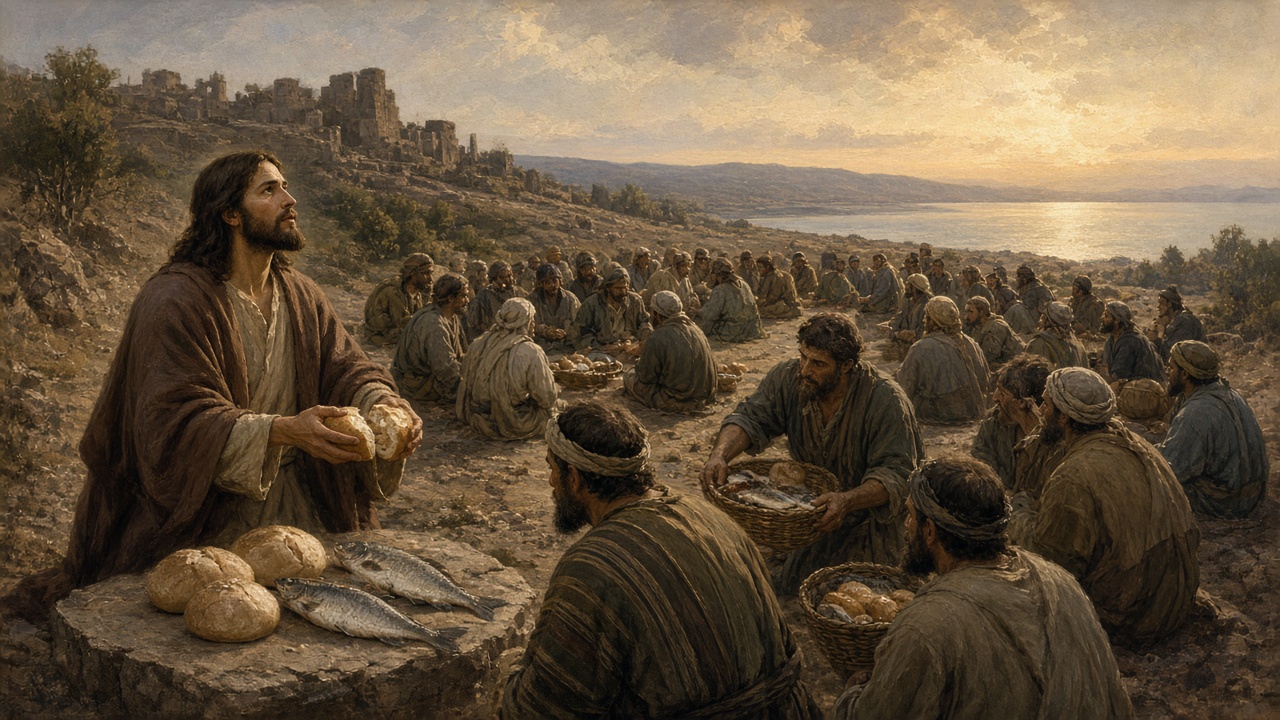
15Ɓe ngaɗiri non, ɓe njoƴƴini ɓeen fuu. 16O ɓami buuruuje joy ɗee e liɗɗi ɗiɗi ɗii, o tiggitii kammu, o yetti Laamɗo. O taƴi buuru oo e liɗɗi ɗii, o hokki taalibaaɓe makko ɓee njeɗa jamaa oo. 17Ɓe fuu ɓe ɲaami faa ɓe keddi. Taalibaaɓe ɓee ndeentini taƴe keddiiɗe ɗee, kebbini cagiije sappo e ɗiɗi.
No Piyeer seedorii Iisaa woni Almasiihu
18Ɲannde wootere omo teeldi e taalibaaɓe makko, omo waɗa duwaawu, kanko tan. O lamndii ɓe, o wii:
—Homo yimɓe mbiyata ngon-mi?
19Ɓe njaabii mo, ɓe mbii:
—Won wiyooɓe a Yaayaa mo lootogal batisima, won wiyooɓe a annabi Iliyaasa, won wiyooɓe kasen gooto e annabaaɓe aranndeeɓe ɓee wuurti.
20O lamndii ɓe:
—Onon nee, homo mbiyaton ngon-mi?
Piyeer jaabii mo, wii:
—A Almasiihu Laamɗo!
21O yaggini ɓe pati ɓe kaalana ɗum fay gooto.
No Iisaa ɓannginiri maayde mum e wuurtugol mum
22O ɓeydi hen kasen, o wii:
—Ana tilsi Ɓii Neɗɗo torree torraaji keewɗi, mawɓe ɓee e hooreeɓe yottinooɓe sadaka e dunkee'en Sariya tippitoto mo, o waree, kaa mo wuurtan ɲannde tataɓere.
23Caggal ɗum, o wii ɓe fuu:
—Muuyɗo jokkude kam fuu, ŋootta yurmaade hoore mum, ɓama leggal mum bardugal ɲannde fuu, jokka e am. 24Sabi muuyɗo danndude yonki mum, waasan ki. Kaa baasirɗo ki sabaabu am, danndan ki. 25Koɗum heɓude aduna oo fuu nafata neɗɗo so halkii yonki mum naa mursii hoore mum? 26Jaannoriiɗo kam miin e haalaaji am ɗii fuu, miin Ɓii Neɗɗo oo duu, mi yaannorto ɗum nde mi wardii e malaa'ika'en seniiɓe ley teddeengal am e ley teddeengal Baabiraaɗo am. 27Miɗo haalana on goonga: yoga e wonɓe ɗoo ɓee maayataa, tawee njiyaali Laamu Laamɗo oo ɓanngii.
No noone Iisaa waylitorii
28Ko waarata e balɗe jetti caggal ko o haali ɗii haalaaji koo, o ŋabboyi dow waamnde haayre faa o waɗa duwaawu, o yaadi e Piyeer e Yuhanna e Yaakuuba. 29Nde mo duwotoo ndee, yeeso makko waylitii, kaddule makko ndawni faa ana njalba. 30Non worɓe ɗiɗon ɓanngi, ana kaalda e makko, ɗum Muusaa e Iliyaasa. 31Ɓe ɓanngidi e teddeengal, eɓe kaala haala laawol makko tabitoyoowol Urusaliima ngol. 32Piyeer e wondiiɓe mum ɓee yo ɗaaninooɓe ɗoyngol teddungol, ɓe pini, ɓe njii teddeengal makko, ɓe njii worɓe ɗiɗon wonduɓe e makko ɓee. 33Nde yimɓe ɗiɗon ɓee ngari faa ceerta e Iisaa ndee, Piyeer wii mo:
—Moobbo, gonal amen ɗoo ana moƴƴi. Ɗal min ndarna ɗoo buguuji tati: aan wooturu, Muusaa wooturu, Iliyaasa wooturu.
Kanko e hoore makko, o anndaano ko o haalannoo. 34O tilaaki haalde, faa luurde wari, suddi ɓe. Taalibaaɓe ɓee kuli sanne nde luurde ndee suddi ɓe ndee. 35Daande iwri e ley luurde ndee, wii:
—Oo ɗoo yo Ɓiyam mo cuɓii-mi. Kettindee mo!
36Ko daande ndee nanaa koo, Iisaa kaɲum tan gooto tawaa ton. Taalibaaɓe ɓee cuuɗi kabaaru oo. E ley ɗeen ɲalaaɗe, ɓe kaalanaali fay gooto ko ɓe njii koo.
No Iisaa selliniri suka laddaaɗo
37Janngo mum, ko ɓe njippii waamnde haayre ndee koo, higgere jamaa jaɓɓii mo. 38E ley jamaa oo, gorko gooto eewnii, wii:
—Moobbo, miɗo ɲaage, tiinna ƴeewanam ɓiyam gorko, sabi kanko tan njogii-mi. 39Ladde ana nannga mo, o wulla, o siɲɲa faa hunduko makko ƴufa ngufo. Nde yoppataa mo so wanaa calɗi makko fuu taƴa. 40Mi ɲaagike taalibaaɓe maa ɓee ndibba nde, kaa ɓe ndonkii.
41Iisaa jaabii, wii:
—Hey yimɓe jamaanu bonɗo ɓe nganaa goonɗinɓe. Faa mande tilotoo-mi e mon? Faa mande keddotoo-mi muɲande on? Ɓattin ɓiya oo ɗoo!
42Nde suka oo ɓadinoo Iisaa ndee, ladde ndee liɓi ɗum e leydi, hedde ana dimmba ɗum. Nii Iisaa jahii e ladde ndee, sellini suka oo, totti ɗum baaba mum. 43Yimɓe fuu kaaynaa saabe baawɗe Laamɗo mawɗe ɗee.
No Iisaa ɓannginiri kasen maayde mum e wuurtugol mum
E ley ko jamaa oo fuu haaynaa e golleeji Iisaa ɗii koo, o wii taalibaaɓe makko ɓee:
44—Onon, piɗɗee noppi mon, nanon ko kaalan-mi: Ɓii Neɗɗo oo waɗete e juuɗe yimɓe.
45Kaa ɓe paamaali haala kaa, maanaa makka ana suuɗanii ɓe, faa ɓe mbaasi annditinde ka. Ɓe kulii lamnditaade mo duu.
Haala ɓurɗo teddude
46Non taalibaaɓe ɓee ndarii ana njeddondira ɓurɗo teddude hakkunde mum'en. 47Nde wonnoo omo anndi ko woni e ɓerɗe maɓɓe, o nanngi junngo cukalel, o darni ngel bannge makko, 48o wii ɓe:
—Neɗɗo fuu jaɓɓiiɗo ngel cukalel e innde am, miin jaati o jaɓɓii. Kasen duu, jaɓɓiiɗo kam, jaɓɓike nelɗo kam oo. Sabi ɓurɗo lo'ude hakkunde mon fuu, kaɲum woni tedduɗo.
Haala mo yeddaali en fuu, e men wondi
49Yuhanna haali, wii:
—Moobbo, min njii gorko gooto ana ribbira seyɗaani'en innde maa, min kaɗii mo, sabi o waldaa e men.
50Iisaa wii mo:
—Pati kaɗee mo ɗum, sabi mo honnaaki on fuu, e mon wondi.
51Nde wakkati mo Laamɗo ŋabbintinta Iisaa dow kammu ɓadinoo, Iisaa e hoore mum fellisi yahan Urusaliima, 52neli nelaaɓe ardoo ɗum. Ɓeen nelaaɓe naati e ngeenndi Samariyankooɓe ngootiri faa ndaartana mo jippunde. 53Kaa ndiin ngeenndi jaɓɓaaki mo, sabi Urusaliima o fa'i. 54Nde Yaakuuba e Yuhanna njiinoo ɗum ndee, mbii:
—Kalfaaɗo, aɗa yiɗi min njamira yiite iwa dow kammu duppa ɓe naa?
55Nii o yeeccitii ɓe, o ɲiŋi ɓe. 56Caggal mum, ɓe njehi ngeenndi ngonndi.
No yimɓe mbiiri njokkan e Iisaa
57E ley yaadu maɓɓe nduu, neɗɗo gooto wii mo:
—Mi jokkete to njahataa fuu.
58Iisaa wii mo:
—Doldolɗe ana njogii gayɗe, pooli duu ana njogii cuuɗi, kaa Ɓii Neɗɗo oo walaa fay ɗo soppinoo sako faa lelna hoore mum fowtinoo.
59O wii neɗɗo goɗɗo:
—Jokkam!
Oon jaabii mo, wii:
—Accu mi iroya baabam tafon.
60Iisaa wii mo:
—Ɗal maayɓe ira maayɓe mum'en. Aan kaa, waajoya haala Laamu Laamɗo oo.
61Goɗɗo kasen wii mo:
—Mi jokkan e maa, Moobbo, kaa accu mi waynoyoo galle am tafon.
62Iisaa jaabii mo, wii:
—Neɗɗo fuu nannguɗo jalo sari nde yeeƴii, walaa ko nafata e Laamu Laamɗo oo.
Did you know?
Mission, identity, and the road to Jerusalem
- Herod the tetrarch, perplexed by reports about Jesus, is Herod Antipas, Herod's son by Malthace. He said he had beheaded John, while some claimed that John had risen from the dead, others that Elijah the Tishbite, the "Elias" of the New Testament, had appeared, and still others that a prophet of old had arisen. One chronology of these events dates John's beheading to AD 29.Sources: Herod Antipas · Elijah · John Beheaded · the Bible text itself
- After the apostles returned, Jesus withdrew with them to a town called Bethsaida, where he welcomed the crowds, spoke about the kingdom of God, and fed about five thousand men with five loaves and two fish. Easton's Bible Dictionary (1897) places this Bethsaida on the east side of the lake, two miles up the Jordan, in the region of Gaulonitis; Philip the tetrarch enlarged it and called it Julias, after the emperor's daughter. Some have supposed there was only one Bethsaida, built on both sides of the lake near where the Jordan enters it; the entry identifies the ruins as et-Tel.Sources: Bethsaida · the Bible text itself
- Peter, originally called Simon, answered that Jesus is "the Christ of God." About eight days later Jesus took Peter, James, and John up a mountain to pray; Moses and Elijah appeared in glory and spoke about the departure Jesus was about to accomplish at Jerusalem. James, elder brother of John and a fisherman in partnership with Peter, was with them; he and John were called Boanerges, "sons of thunder," probably because of their boldness and energy, and later they asked whether they should call down fire from heaven on a village of the Samaritans that would not welcome Jesus because he was heading for Jerusalem.Sources: Simon Peter · James (Son of Zebedee) · the Bible text itself
Notes written with AI assistance from open sources (Theographic Bible Metadata, CC BY-SA 4.0; Easton’s Bible Dictionary, public domain) and reviewed before publishing.
Places in this chapter
Only places identified with high confidence are shown (90% or more according to the scholarly sources compiled by OpenBible). Period map: DARE (Digital Atlas of the Roman Empire), CC BY 4.0; modern map: © OpenStreetMap contributors; places: OpenBible.info (CC BY 4.0).
Credits and license for this translation
Aadi keyri: linjiila iisaa almasiihu
New Testament in Fulfulde, Maasina
copyright © 2005 Wycliffe Bible Translators, Inc.
Language: Maasina Fulfulde (Fulfulde, Maasina)
Translation by: Wycliffe Bible Translators
Contributor: Wycliffe Bible Translators, Inc.
Copyright Information
© 2005,Wycliffe Bible Translators, Inc. All rights reserved.
This translation text is made available to you under the terms of the Creative Commons
License: Attribution-Noncommercial-No Derivative Works. ( http://creativecommons.org/licenses/by-nc-nd/3.0/ ) In addition, you have permission to
port the text to different file formats, as long as you do not change any of the text or
punctuation of the Bible.
You may share, copy, distribute, transmit, and extract portions or quotations from this work,
provided that you include the above copyright information:
You must give Attribution to the work.
You do not sell this work for a profit.
You do not make any derivative works that change any of the actual words or punctuation of
the Scriptures.
Permissions beyond the scope of this license may be available if you contact us with your
request.
The New Testament
in Fulfulde, Maasina
© 2005, Wycliffe Bible Translators, Inc. All rights
reserved.
This translation is made available to you under the terms of the
Creative Commons Attribution-Noncommercial-No Derivatives license 4.0.
You may share and redistribute this Bible translation or extracts from it in any format, provided that:
You include the above copyright and source information.
You do not sell this work for a profit.
You do not change any of the words or punctuation of the Scriptures.
Pictures included with Scriptures and other documents on this site are licensed just for use with those Scriptures and documents.
For other uses, please contact the respective copyright owners.
2015-03-17
Source: http://ebible.org/ffm/ · eBible.org