Deuteronomy 16
Biblica® Se aɖeke mebla Biblia zazã o Agbenya La™ · Tap a verse to see its cross-references.
Ŋutitotoŋkekenyui la
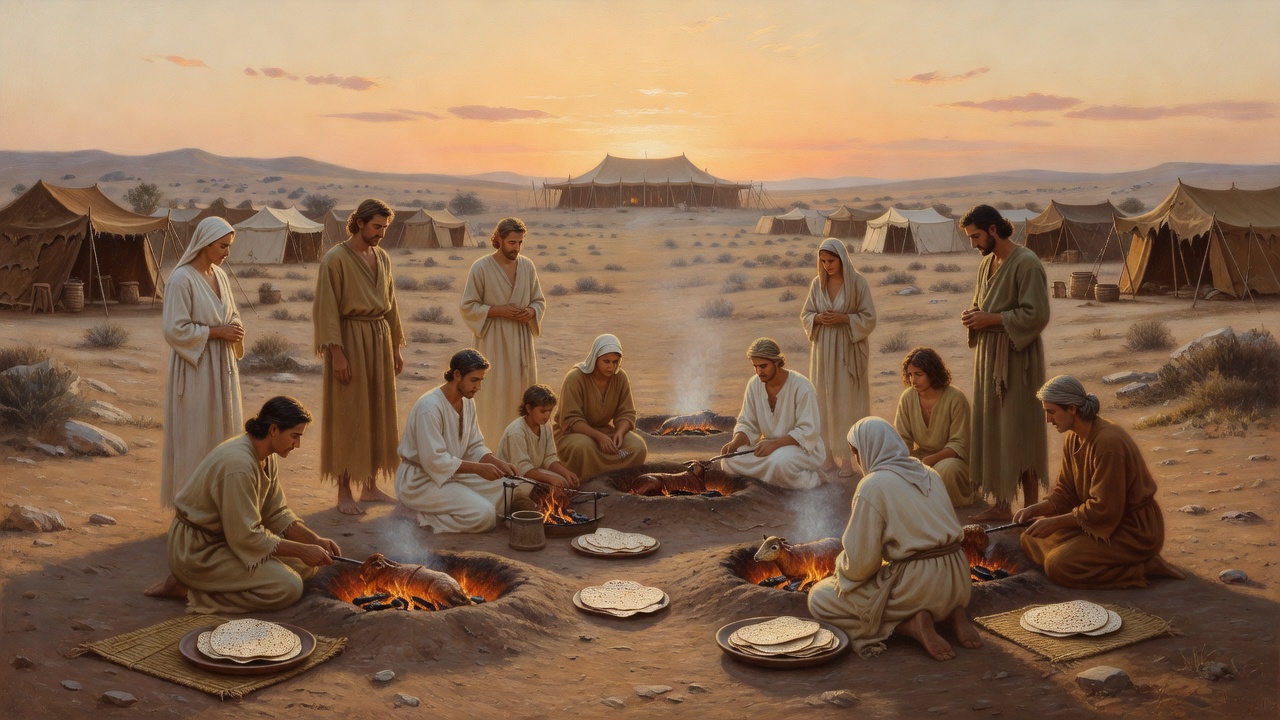
1“Ɖo ŋku edzi nàɖu Ŋutitotoŋkekenyui la le ɣleti gbãtɔ me, elabena ɣleti ma mee Yehowa, wò Mawu la kplɔ mi dzoe le Egipte le zã me. 2Wò Ŋutitotoŋkekenyui la ƒe vɔsa nanye alẽwo loo alo nyiwo, eye nàsa vɔ la na Yehowa, wò Mawu la le kɔkɔeƒe la. 3Miɖu vɔsalã la kple abolo maʋamaʋã. Ɖu abolo maʋamaʋã ŋkeke adre abe ŋkuɖoɖo abolo si mieɖu esi mienɔ sisim tso Egipte la dzi ene. Esia naɖo ŋku edzi na wò be, esi mienɔ sisim le Egipte la, mienɔ kplakplakpla dzi ale gbegbe be, ɣeyiɣi menɔ anyi be abolo naʋã o. Ɖo ŋku ŋkeke ma dzi le wò agbemeŋkeke mamlɛawo katã me! 4Mègana amɔʋãtike aɖeke nanɔ wò aƒe me le ŋkeke adreawo me o. Gawu la, mègana Ŋutitotoŋkekenyui la ƒe lã la ƒe akpa aɖeke natsi anyi ŋu nake ɖe edzi o.
5“Mègaɖu Ŋutitotoŋkekenyui la le du siwo Yehowa, wò Mawu la ana wò la dometɔ aɖeke me o, 6ke boŋ nàɖui le teƒe si Yehowa wò Mawu atia abe eƒe kɔkɔeƒe ene. Tsɔ lã la sa vɔe le afi ma le ŋkekenyui la ƒe fiẽ me ne ɣe ɖo to. 7Me lã la, eye nàɖui le afi si Yehowa wò Mawu atia na wò. Ɖo ta aƒe me le fɔŋli. 8Le ŋkeke ade siwo adze eyome me la, màɖu abolo ʋaʋã aɖeke o, ke le ŋkeke adrelia gbe la, du sia du me tɔwo akpe ta ɖe Yehowa, wò Mawu la ŋkume. Mègawɔ dɔ aɖeke gbe ma gbe o.”
Kɔsiɖawo ƒe Ŋkekenyui
9“Ne èdze wò nukuwo xaxa gɔme, eye kɔsiɖa adre va yi la, 10àgaɖu ŋkekenyui bubu le Yehowa, wò Mawu la ŋkume. Ŋkekenyui sia ŋkɔe nye Kɔsiɖawo ƒe Ŋkekenyui. Le ŋkekenyui sia dzi la, ele be nàwɔ lɔlɔ̃nuvɔsa si asɔ kple yayra si Yehowa, wò Mawu la kɔ ɖe dziwò le agblemenuku siwo nèxa la ƒe agbɔsɔsɔ nu. 11Enye ɣeyiɣi si dzi nàtso aseye le, le Yehowa wò Mawu ŋkume kple wò ƒometɔwo kple wò dɔlaŋutsuwo kple dɔlanyɔnuwo. Mègaŋlɔ Levitɔwo, amedzrowo, ahosiwo kple tsyɔ̃evi siwo le mia dome la be o. Kpe wo be woava ɖu ŋkekenyui la kpli wò le kɔkɔeƒe la. 12Ɖo ŋku edzi be, ènye kluvi le Egipte kpɔ, eya ta kpɔ be yewɔ se sia dzi.”
Agbadɔmeŋkekenyui
13Ne nuŋeɣi wu nu la, àgaɖu ŋkekenyui bubu si nye Agbadɔmeŋkekenyui, ŋkeke adre sɔŋ, ne èklẽ wò bli, eye nèfia wò wain vɔ. 14Esia anye dzidzɔɣi kple aseyetsoŋkekenyui na wò kple wò ƒometɔwo kple wò subɔlawo siaa. Ɖo ŋku edzi nàkpe Levitɔwo, amedzrowo kple tsyɔ̃eviwo kple ahosi siwo le wò du me. 15Ɖu ŋkekenyui sia le kɔkɔeƒe, afi si dzi Yehowa wò Mawu atɔ asii. Enye ɣeyiɣi vevi aɖe si dzi wòle be nàda akpe tɔxɛ na Yehowa, ɖe ale si wòyra wò le nuku siwo nèxa kple ale si wòyra wò le mɔ bubu geɖewo nu la ta. Ele be wòanye aseyetsoŋkekenyui gã aɖe.
16Ele be Israel ŋutsu ɖe sia ɖe nado ɖe Yehowa, miaƒe Mawu la ŋkume, le kɔkɔeƒe la zi etɔ̃ le ƒe sia ƒe me hena ŋkekenyui siawo ɖuɖu: Abolo Maʋamaʋã ƒe Ŋkekenyui, Kɔsiɖawo ƒe Ŋkekenyui, Agbadɔmeŋkekenyui. Ele be nàtsɔ nunana aɖe vɛ na Yehowa le ŋkekenyui siawo dometɔ ɖe sia ɖe dzi. 17Na nu abe ale si nàte ŋui ene le ale si Yehowa miaƒe Mawu yra wòe la nu.
Ʋɔnudrɔ̃lawo
18Ɖo ʋɔnudrɔ̃lawo kple dzikpɔlawo ɖe du siwo katã Yehowa miaƒe Mawu le mia nam la me. Woadrɔ̃ ʋɔnu le dukɔ la ƒe akpa ɖe sia ɖe me. 19Mègatrɔ ʋɔnunya aɖeke be wòade hotsuitɔ aɖeke dzi o, eye mègaxɔ zãnu hã gbeɖegbeɖe o, elabena zãnu gbãa ŋku na nunyalawo kekeake gɔ̃ hã, eye wògblẽa woƒe afiatsotso. 20Ele be nàkpɔ egbɔ be wolé nya dzɔdzɔe ko ɖe te. Mɔ sia nu ko nàto hafi akpɔ dzidzedze le anyigba si Yehowa, wò Mawu la le nawòm la dzi.
Mawu bubuwo subɔsubɔ
21“Mègaɖi aƒeli aɖeke ƒomevi ɖe Yehowa, wò Mawu la ƒe vɔsamlekpui la gbɔ, aɖi gbɔ̃e gbeɖegbeɖe o, 22eye mègali aƒeli aɖeke hã o, elabena Yehowa miaƒe Mawu lé fu wo.
Did you know?
Appointed Feasts and Righteous Justice
- Deuteronomy mandates three annual pilgrimage festivals—the Feast of Unleavened Bread (Passover), the Feast of Weeks, and the Feast of Tabernacles. For these occasions, the men of Israel were required to travel and appear before God not in their local towns, but at the specific central location chosen as a dwelling for His Name.Sources: the Bible text itself
- The celebrations of the Feast of Weeks and the Feast of Tabernacles explicitly included vulnerable members of society, such as servants, Levites, foreigners, orphans, and widows. These communal rejoicings were tied to the memory of Israel's liberation from slavery in Egypt.Sources: the Bible text itself
- In addition to religious assemblies, the text commands the appointment of local judges and officials across every town. They were forbidden from taking bribes or showing partiality, establishing the standard to pursue justice alone throughout the land.Sources: the Bible text itself
Notes written with AI assistance from open sources (Theographic Bible Metadata, CC BY-SA 4.0; Easton’s Bible Dictionary, public domain) and reviewed before publishing.
Places in this chapter
Only places identified with high confidence are shown (90% or more according to the scholarly sources compiled by OpenBible). Period map: DARE (Digital Atlas of the Roman Empire), CC BY 4.0; modern map: © OpenStreetMap contributors; places: OpenBible.info (CC BY 4.0).
Credits and license for this translation
Biblica® Se aɖeke mebla Biblia zazã o Agbenya La™ Éwé: Biblica® Se aɖeke mebla Biblia zazã o Agbenya La™ (Bible) of Ghana copyright © 1988, 2006, 2020 Biblica, Inc. Language: eʋegbe Contributor: Biblica, Inc. Dɔwɔƒe si na wò asi ka agbalẽ sia lae nye Creative Commons Attribution-ShareAlike 4.0 International License (CC BY-SA). Ne èdi be yeakpɔ laisensi alo mɔɖegbalẽ sia la, yi ɖe http://creativecommons.org/licenses/by-sa/4.0 alo ŋlɔ agbalẽ na Creative Commons Dɔwɔƒea to adrɛsi sia dzi: Creative Commons, PO Box 1866, Mountain View, CA 94042, USA. Biblica, Inc. na wode Biblica® kple eƒe dzesidenu agbalẽ me, eye woaŋlɔ agbalẽ axɔ mɔɖeɖe tso Biblica, Inc. gbɔ hafi woawɔ Biblica® ƒe dzesidenu la ŋu dɔ. Le CC BY-SA ƒe mɔɖeɖe ƒe sewo nu la, àte ŋu azã agbalẽ sia me nyawo le dɔ bubuwo wɔwɔ me gake ele be nàde dzesi Biblica ƒe dzesidenu la abe ale si wòle ene. Ne ètrɔ asi le agbalẽ sia ŋu alo zãe le mɔ bubu nu la, ele be nàɖe Biblica® ƒe dzesidenu la ɖa. Ele be nàde dzesi tɔtrɔ siwo nèwɔ la ɖe agbalẽ la me eye nàde dzesii be: “Àte ŋu akpɔ Biblica, Inc. ƒe dɔ gbãtɔ le www.biblica.com kple open.bible femaxee.” Ele be nutɔnyenye ƒe dzeside nadze le agbalẽ la ƒe axa si tanya alo nutɔnyenye ƒe dzesi nɔna la ale: Biblica® Se aɖeke mebla Biblia zazã o Agbenya La™ Nutɔnyenye © 1988, 2006, 2020 Biblica, Inc. Biblica® Open Ewe Contemporary Scriptures™ Copyright © 1988, 2006, 2020 by Biblica, Inc. Biblica, Inc. na Dɔwɔƒe si Kpɔa Nutɔnyenye kple Adzɔdodo ƒe Nyawo dzi le Amerika la de “Biblica” kple eƒe dzesidenu agbalẽ me. Woaxɔ mɔɖeɖe na ezazã. “Biblica” is a trademark registered in the United States Patent and Trademark Office by Biblica, Inc. Used with permission. Ele be nàna míaƒe asi naka wò agbalẽ la le laisensi alo mɔɖeɖe ƒe se (CC BY-SA) sia nu. Ne èdi be yeana nyanya Biblica, Inc. tso agbalẽ sia zazã ŋu la, anyo be nàdo ta ɖe mía gbɔ le https://open.bible/contact-us. This work is made available under the Creative Commons Attribution-ShareAlike 4.0 International License (CC BY-SA). To view a copy of this license, visit http://creativecommons.org/licenses/by-sa/4.0 or send a letter to Creative Commons, PO Box 1866, Mountain View, CA 94042, USA. Biblica® is a trademark registered by Biblica, Inc., and use of the Biblica® trademark requires the written permission of Biblica, Inc. Under the terms of the CC BY-SA license, you may copy and redistribute this unmodified work as long as you keep the Biblica® trademark intact. If you modify a copy or translate this work, thereby creating a derivative work, you must remove the Biblica® trademark. On the derivative work, you must indicate what changes you have made and attribute the work as follows: “The original work by Biblica, Inc. is available for free at www.biblica.com and open.bible.” Notice of copyright must appear on the title or copyright page of the work as follows: Biblica® Se aɖeke mebla Biblia zazã o Agbenya La™ Nutɔnyenye © 1988, 2006, 2020 Biblica, Inc. Biblica® Open Ewe Contemporary Scriptures™ Copyright © 1988, 2006, 2020 by Biblica, Inc. Biblica, Inc. na Dɔwɔƒe si Kpɔa Nutɔnyenye kple Adzɔdodo ƒe Nyawo dzi le Amerika la de “Biblica” kple eƒe dzesidenu agbalẽ me. Woaxɔ mɔɖeɖe na ezazã. “Biblica” is a trademark registered in the United States Patent and Trademark Office by Biblica, Inc. Used with permission. You must also make your derivative work available under the same license (CC BY-SA). If you would like to notify Biblica, Inc. regarding your translation of this work, please contact us at https://open.bible/contact-us. This translation is made available to you under the terms of the Creative Commons Attribution Share-Alike license 4.0. You have permission to share and redistribute this Bible translation in any format and to make reasonable revisions and adaptations of this translation, provided that: You include the above copyright and source information. If you make any changes to the text, you must indicate that you did so in a way that makes it clear that the original licensor is not necessarily endorsing your changes. If you redistribute this text, you must distribute your contributions under the same license as the original. Pictures included with Scriptures and other documents on this site are licensed just for use with those Scriptures and documents. For other uses, please contact the respective copyright owners. Note that in addition to the rules above, revising and adapting God's Word involves a great responsibility to be true to God's Word. See Revelation 22:18-19. 2025-05-01
Source: http://ebible.org/ewe/ · eBible.org