3 John 1
Berean Standard Bible · Tap a verse to see its cross-references.

About this book
About 3 John
- Easton's Bible Dictionary (1897) presents this writing as the Third Epistle of John, and a person entry states that John addressed his third epistle to Gaius.Sources: Easton: John, Third Epistle of · Gaius
- Easton's Bible Dictionary (1897) says the Second and Third Epistles were probably written soon after the First, and from Ephesus.Sources: Easton: John, Third Epistle of
- The letter is addressed to Caius, or Gaius. Easton says it is uncertain whether he is the Christian of that name in Macedonia, in Corinth, or in Derbe, while another entry calls him a Christian of Asia Minor.Sources: Easton: John, Third Epistle of · Gaius
- According to Easton, it was written to commend to Gaius some Christians who were strangers in the place where he lived and who had gone there to preach the gospel.Sources: Easton: John, Third Epistle of
Notes written with AI assistance from open sources (Theographic Bible Metadata, CC BY-SA 4.0; Easton’s Bible Dictionary, public domain) and reviewed before publishing.
A Greeting from the Elder
1The elder,
To the beloved Gaius, whom I love in the truth:
2Beloved, I pray that in every way you may prosper and enjoy good health, as your soul also prospers. 3For I was overjoyed when the brothers came and testified about your devotion to the truth, in which you continue to walk. 4I have no greater joy than to hear that my children are walking in the truth.
Gaius Commended for Hospitality
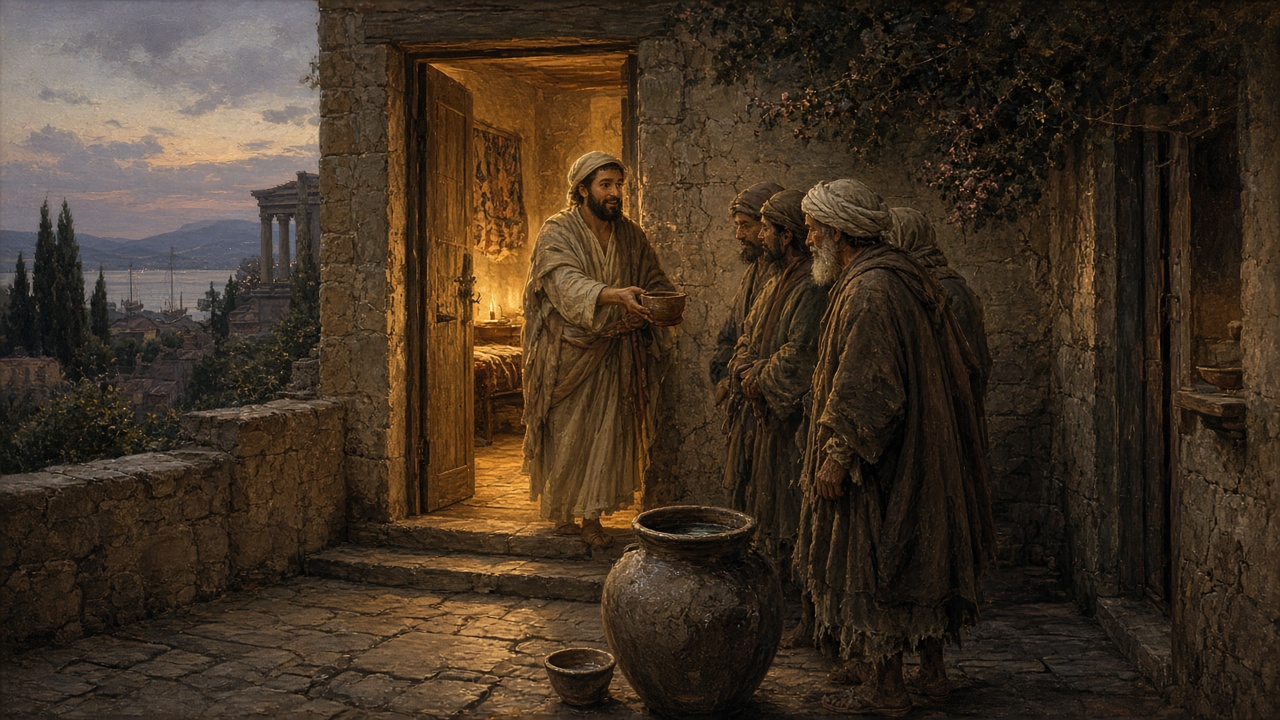
5Beloved, you are faithful in what you are doing for the brothers, and especially since they are strangers to you. 6They have testified to the church about your love. You will do well to send them on their way in a manner worthy of God. 7For they went out on behalf of the Name, accepting nothing from the Gentiles. 8Therefore we ought to support such men, so that we may be fellow workers for the truth.
Diotrephes and Demetrius
9I have written to the church about this, but Diotrephes, who loves to be first, will not accept our instruction. 10So if I come, I will call attention to his malicious slander against us. And unsatisfied with that, he refuses to welcome the brothers and forbids those who want to do so, even putting them out of the church.
11Beloved, do not imitate what is evil, but what is good. The one who does good is of God; the one who does evil has not seen God.
12Demetrius has received a good testimony from everyone, and from the truth itself. We also testify for him, and you know that our testimony is true.
Conclusion
13I have many things to write to you, but I would prefer not to do so with pen and ink. 14Instead, I hope to see you soon and speak with you face to face.
Peace to you.
The friends here send you greetings.
Greet each of our friends there by name.
Did you know?
Truth and Welcome in 3 John
- A dictionary entry identifies Gaius as a Christian of Asia Minor, the person to whom John addressed this third letter. The writer calls himself the elder, greets Gaius as beloved, and says that he loves him in the truth.Sources: Gaius · the Bible text itself
- The letter opens with a prayer that Gaius may prosper and enjoy good health, just as his soul prospers. Brothers had come and testified that he kept walking in the truth and was faithful in caring for traveling brothers, especially strangers.Sources: the Bible text itself
- Those travelers had gone out for the sake of the Name and accepted nothing from the Gentiles, and the writer urges that such people be supported. Diotrephes, who loves to be first, does not accept the instruction sent to the church, refuses to welcome the brothers, and puts out of the church those who want to receive them, while Demetrius is said to have a good testimony from everyone and from the truth itself. The elder had more to write, but he preferred to speak with Gaius face to face rather than with pen and ink, and he sent greetings from the friends there.Sources: the Bible text itself
Notes written with AI assistance from open sources (Theographic Bible Metadata, CC BY-SA 4.0; Easton’s Bible Dictionary, public domain) and reviewed before publishing.
Credits and license for this translation
Berean Standard Bible
The Holy Bible in English: Berean Standard Bible
Public Domain
Language: English
Contributor: BSB Publishing, LLC
2026-10-02
Source: http://ebible.org/engbsb/ · eBible.org