Job 1
Ãcõrẽ Bed̶ea · Tap a verse to see its cross-references.
About this book
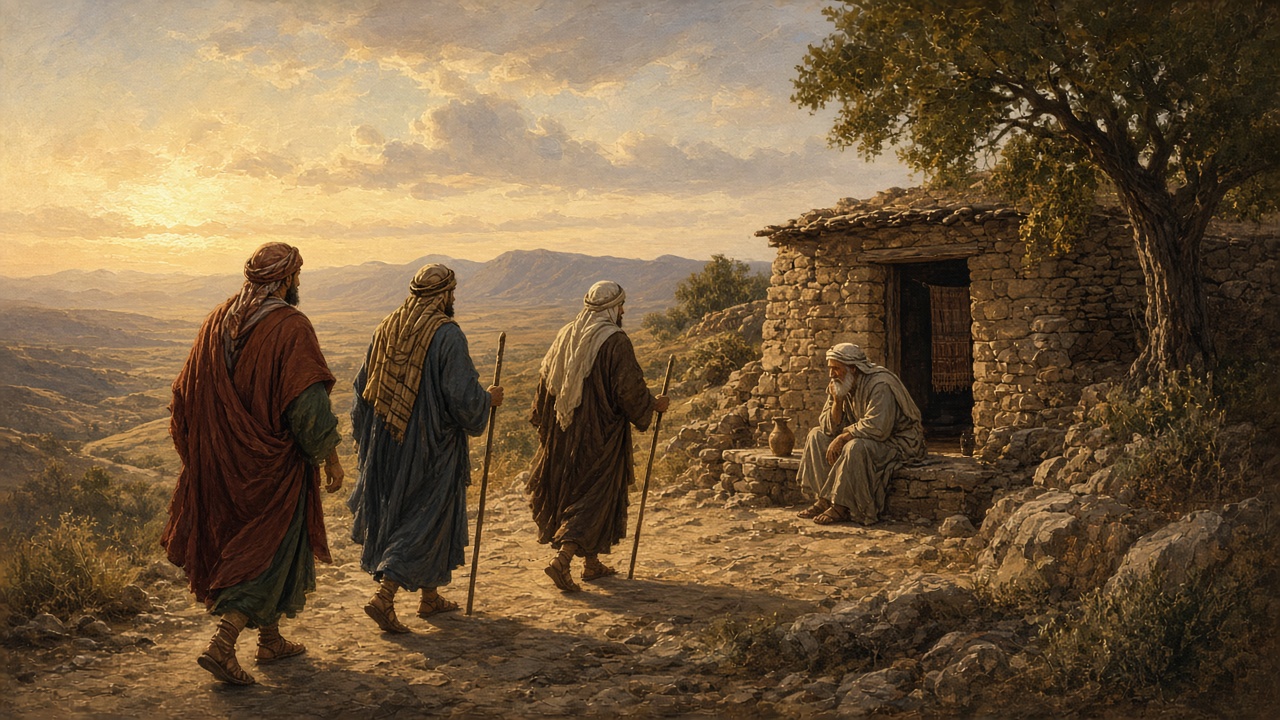
About Job
- Easton's Bible Dictionary (1897) finds the authorship of Job altogether uncertain, despite many proposals. Some place the book in the time of David and Solomon because of similarities with the Psalms and Proverbs and its interest in wisdom; others have credited it to Job, Elihu, Isaiah, or Moses, who might have heard the story in Midian. Easton also notes that the book was apparently well known by the days of Ezekiel, which he dates to 600 B.C.Sources: Easton: Job, Book of
- Job is presented as an Arabian patriarch who lived in the land of Uz, which Easton places probably east or southeast of Palestine and north of Edom. Uz is mentioned in Scripture only in Job, Jeremiah, and Lamentations.Sources: Job · Uz
- Easton describes the book as a historical poem and a didactic narrative in dramatic form. Prose frames it (chapters 1–2 and 42:7–15); between those sections, poetry carries Job's lament, three rounds of debate with his friends, Elihu's speeches, an address by Jehovah, and Job's confession.Sources: Easton: Job, Book of
- The subject, as Easton states it, is Job's trial: its occasion, its nature, how he endured it, and how it ended. From great prosperity he was suddenly overwhelmed by severe trials, yet he is said to have kept his integrity; afterward he received even greater prosperity and lived another 140 years.Sources: Easton: Job, Book of · Job
- Among those who come to him are Bildad the Shuhite, whom Easton links with Shuah in Arabia, and Zophar the Naamathite, called in the Septuagint king of the Mineans of southern Arabia. After their debate ends, Elihu, son of Barachel the Buzite, appears for the first time and gives his own view. In the opening scenes the figure called Satan bears the Hebrew article, so the name means the adversary or accuser.Sources: Bildad · Zophar · Elihu · Satan
Notes written with AI assistance from open sources (Theographic Bible Metadata, CC BY-SA 4.0; Easton’s Bible Dictionary, public domain) and reviewed before publishing.
1Ẽberã Jo abadada Uz druad̶e b̶asia. Maʌ̃ Jora ne jũmane jipa b̶asia idjab̶a jarad̶i neẽ́ b̶asia. Idjia Ãcõrẽra bio waya b̶asia idjab̶a cadjirua sid̶a quĩrĩãca basía. 2Joba siete warrarãda erob̶asia. Wẽrãcaurãda ũbea erob̶asia. 3Siete mil ovejada, mil ũbea cameyoda, mil pacada, burro sid̶a quiniento erob̶asia. Idjab̶a nezocarãda zocãrã erob̶asia. Jũma Jordaʌ̃ do ʌ̃mãdau odjabariare b̶earã cãyãbara idjira ne baraara b̶asia.
4Idji warrarãba ãdji deza b̶ʌsrid̶a ãbaa ne cod̶i ewarida obadjid̶aa. Mãwã obʌdad̶e ãdji ũbeabema djabawẽrãra trʌ̃badjid̶aa ãdjirã ume ãbaa ne cod̶amãrẽã. 5Maʌ̃be ãdji b̶ʌsrid̶a ãbaa ne cod̶i ewari jõnacarea ãdji zeza Joba ãdjirãra trʌ̃badjia Ãcõrẽ quĩrãpita bia b̶ʌi carea. Nãwã obadjia: diaped̶ed̶a pirab̶ariped̶a idji warrarã carea animarãda ab̶a ab̶a Ãcõrẽa babue diabadjia. Idjia crĩcha b̶asia: “Ãĩbẽrã mʌ̃ warrarãba cadjiruada osid̶ada wa ãdji sod̶eba Ãcõrẽra biẽ́ jarasid̶ada.”
6Ewari ab̶a Ãcõrẽ nezocarã bajãnebemada idji quĩrãpita zesid̶aa. Diauru sid̶a ãdjirã ume zesia. 7Maʌ̃ne Ãcõrẽba diaurua iwid̶isia:
–¿Bʌra sãmaʌba ze b̶ʌ?–
Diauruba panusia:
–Bʌa od̶a ẽjũãne pʌrrʌa nĩbad̶ada ze b̶ʌa.–
8Ãcõrẽba diaurua iwid̶isia:
–Bʌa mʌ̃ nezoca Jora ¿sãwã unu b̶ʌ? Mʌ̃a od̶a ẽjũãne dewarada idji quĩrãca neẽ́a. Idjira ne jũmane jipa b̶ʌa idjab̶a biẽ́ jarad̶i neẽ́ b̶ʌa. Idjia mʌ̃ra bio waya b̶ʌa idjab̶a cadjiruara quĩrĩãcaa.–
9Maʌ̃ne diauruba jarasia:
–Idjira ni cãrẽ sid̶a sãwãca bẽrã mãwã bʌra waya b̶ʌa. 10Bʌa idjira, idji ẽberãrã, jũma idjia erob̶ʌ sid̶a bio waga erob̶ʌa aud̶u jũrã erob̶ʌ quĩrãca. Idjia o b̶ʌra bʌa jũma bia odjabi b̶ʌa. Mãwã idjia animarã b̶eara zocãrã erob̶ʌa. 11Baribʌrʌ bʌa jũma idjia erob̶ʌda jãrĩbʌrʌ, idjia bʌda biẽ́ jaraya ara bʌdji quĩrãpita.–
12Maʌ̃ne Ãcõrẽba diaurua jarasia:
–Mãẽteara mãwã odua. Jũma idjia erob̶ʌra bʌ jʌwaed̶a b̶ʌa. Baribʌrʌ idjira biẽ́ ocara b̶ʌa.–
Ãcõrẽba mãwã jarad̶acarea diaurura Ãcõrẽ quĩrãpitabemada ãyã wãsia.
13Ewari ab̶a Jo warrarãba, wẽrãcaurã bid̶a ãdji djaba nabema ded̶e b̶ʌsrid̶a ãbaa ne cod̶i ewarida o panasid̶aa. 14Maʌ̃ne ẽberãda Jo ded̶e jũẽped̶a nãwã jarasia:
–Dairãra bʌ pacaba bʌ ẽjũãne traja panasid̶aa. Bʌ burrora dairã caita ne co duanasid̶aa. 15Maʌ̃ne cawaẽ́ne sabeorãda ne drʌad̶e zed̶aped̶a bʌ nezocarãda jũma quenanaped̶a bʌ animarã b̶eara jũma drʌa edesid̶aa. Ab̶abe mʌ̃drʌ ẽdrʌsia bʌ́a jarad̶e zei carea.–
16Maʌ̃ba wad̶i jũma nẽbʌrʌẽ́ne dewara nezocada jũẽsia. Maʌ̃ba jarasia:
–Bajãneba baada dji cãbãyã b̶aesia. Maʌ̃ baaba bʌ ovejara, bʌ oveja wagabadarã sid̶a jũma quenasia. Ab̶abe mʌ̃drʌ ẽdrʌsia bʌ́a jarad̶e zei carea.–
17Maʌ̃ba wad̶i jũma nẽbʌrʌẽ́ne dewara nezocada jũẽsia. Maʌ̃ba jarasia:
–Caldeorãda o ũbeaareba ne drʌad̶e zesid̶aa. Maʌ̃gʌrãba bʌ nezocarãda jũma quenanaped̶a bʌ cameyora jũma drʌa edesid̶aa. Ab̶abe mʌ̃drʌ ẽdrʌsia bʌ́a jarad̶e zei carea.–
18Maʌ̃ba wad̶i jũma nẽbʌrʌẽ́ne dewara nezocada jũẽsia. Maʌ̃ba jarasia:
–Bʌ warrarãba, bʌ caurã bid̶a b̶ʌsrid̶a ãbaa ne cod̶i ewarida bʌ warra nabema ded̶e o panasid̶aa. 19Mãwã panʌne cawaẽ́ne ẽjũã põãsa ewaraga b̶ʌareba nãũrãda dji cãbãyã puásia. Maʌ̃ nãũrãba dera bʌ warrarã ʌ̃rʌ̃ cora edesia. Maʌ̃ba ãdjirãra jũma quenasia. Ab̶abe mʌ̃drʌ ẽdrʌsia bʌ́a jarad̶e zei carea.–
20Jũma maʌ̃ ũrĩnacarea Jora piradrʌped̶a sopuaba idjia cacuad̶e jʌ̃ b̶ʌra cũẽtatasia idjab̶a borob̶ichia tʌsia. Maʌ̃be chĩrãborod̶e b̶arru cob̶eped̶a Ãcõrẽa bia bed̶easia. 21Nãwã jarasia:
–Mʌ̃ra ara jãwã tosid̶aa. Ara jãwã beuya. Ãcõrẽba mʌ̃́a ne diasia. Idjab̶a maʌ̃ diad̶ara idjia jãrĩsia.
Baribʌrʌ Ãcõrẽa bia jaraya.–
22Jũma mãwãnamĩna Joba cadjiruada oẽ́ basía. Idjia jaraẽ́ basía Ãcõrẽba biẽ́ o b̶ʌda.
Did you know?
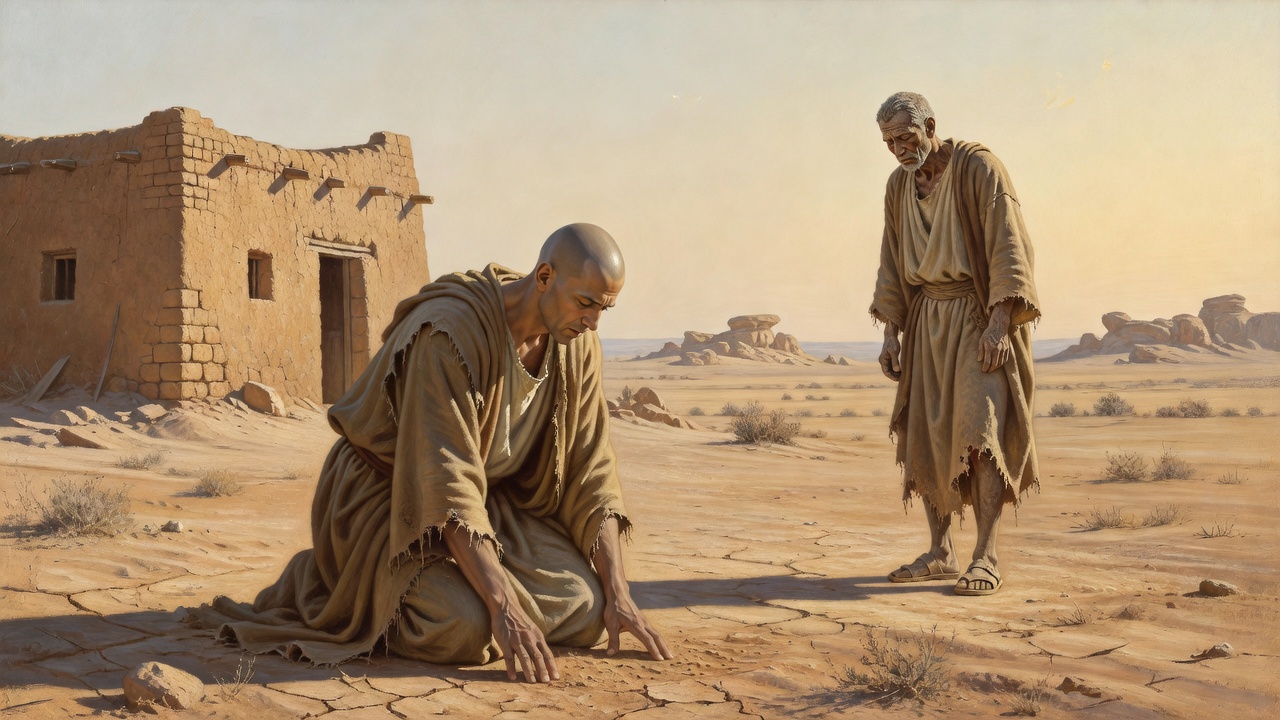
Job's Integrity and Initial Testing
- The land of Uz, where Job lived, was located east or southeast of Palestine and north of Edom. In the biblical text, Job is described as the greatest man among all the people of the East, possessing vast herds of sheep, camels, oxen, and donkeys.Sources: Uz · Job · the Bible text itself
- In the Hebrew text of Job 1, the title Satan includes the definite article, designating him as the adversary or the accuser. In the heavenly assembly, he challenges Job's integrity by arguing that Job's devotion exists only because God has protected and enriched him.Sources: Satan · the Bible text itself
- Job served as a priest for his household, regularly rising early to offer burnt offerings for each of his children in case they had sinned in their hearts. When disaster struck his livestock, servants, and children in rapid succession, Job responded by mourning in humility and worshiping God rather than accusing him.Sources: Job · the Bible text itself
Notes written with AI assistance from open sources (Theographic Bible Metadata, CC BY-SA 4.0; Easton’s Bible Dictionary, public domain) and reviewed before publishing.
Places in this chapter
Only places identified with high confidence are shown (90% or more according to the scholarly sources compiled by OpenBible). Period map: DARE (Digital Atlas of the Roman Empire), CC BY 4.0; modern map: © OpenStreetMap contributors; places: OpenBible.info (CC BY 4.0).
Credits and license for this translation
Ãcõrẽ Bed̶ea
New Testament in Emberá, Northern (PM:emp:Emberá, Northern)
copyright © 2011 Wycliffe Bible Translators, Inc.
Language: Emberá, Northern
Translation by: Wycliffe Bible Translators, Inc.
Copyright Information
© 2011, Wycliffe Bible Translators, Inc. All rights reserved.
This translation text is made available to you under the
terms of the Creative Commons License: Attribution-Noncommercial-No Derivative Works.
( http://creativecommons.org/licenses/by-nc-nd/3.0/ )
In addition, you have permission to port the text to different file formats, as long as you
do not change any of the text or punctuation of the Bible.
You may share, copy, distribute, transmit, and extract portions
or quotations from this work, provided that you include the above copyright
information:
You must give Attribution to the work.
You do not sell this work for a profit.
You do not make any derivative works that change any of the actual words or punctuation of the Scriptures.
Permissions beyond the scope of this license may be
available if you contact
us with your request.
The New Testament
in Emberá, Northern
© 2011, Wycliffe Bible Translators, Inc. All rights reserved.
This translation is made available to you under the terms of the
Creative Commons Attribution-Noncommercial-No Derivatives license 4.0.
You may share and redistribute this Bible translation or extracts from it in any format, provided that:
You include the above copyright and source information.
You do not sell this work for a profit.
You do not change any of the words or punctuation of the Scriptures.
Pictures included with Scriptures and other documents on this site are licensed just for use with those Scriptures and documents.
For other uses, please contact the respective copyright owners.
2014-04-24
Source: http://ebible.org/empNTpo/ · eBible.org