Job 2
Ãcõrẽ Bed̶ea · Tap a verse to see its cross-references.
1Mãwãnacarea ewari ab̶a Ãcõrẽ nezocarã bajãnebemada wayacusa idji quĩrãpita zesid̶aa. Diauru sid̶a ãdjirã ume zesia. 2Maʌ̃ne Ãcõrẽba diaurua iwid̶isia:
–¿Bʌra sãmaʌba ze b̶ʌ?–
Diauruba panusia:
–Bʌa od̶a ẽjũãne jũma pʌrrʌa nĩbad̶ada ze b̶ʌa.–
3Maʌ̃ne Ãcõrẽba diaurua iwid̶isia:
–Bʌa mʌ̃ nezoca Jora ¿sãwã unu b̶ʌ? Mʌ̃a od̶a ẽjũãne dewarada idji quĩrãca neẽ́a. Idjira ne jũmane jipa b̶ʌa idjab̶a biẽ́ jarad̶i neẽ́ b̶ʌa. Mʌ̃ra bio waya b̶ʌa idjab̶a cadjiruara quĩrĩãcaa. Ni cãrẽ cadjiruada oẽ́ b̶ʌmĩna bʌa mʌ̃́a jũma idjia erob̶ad̶ara jãrĩbisia. Mãwãmĩna idjira wad̶ibid̶a jipa b̶abaria.–
4Maʌ̃ne diauruba jarasia:
–Idjira cacua bia b̶ʌd̶e jipa b̶aya. Ẽberãba beu amaaba idjia erob̶ʌra jũma diaya. 5Maʌ̃ bẽrã Jora puad̶eba cacua biẽ́ b̶ʌdua. Maʌ̃nebʌrʌ idjia bʌda biẽ́ jaraya ara bʌdji quĩrãpita.–
6Ãcõrẽba diaurua jarasia:
–Mãẽteara mãwã odua. Idjira bʌ jʌwaed̶a b̶ʌa. Baribʌrʌ idjira beacara b̶ʌa.–
7Ãcõrẽba mãwã jarad̶acarea diaurura idji quĩrãpitabemada ãyã wãsia. Wãped̶a idjia Jora chãdaba bio pua b̶ʌsia. 8Maʌ̃ne Jora ne babuebadamaa dji pora ʌ̃rʌ̃ chũmane wãsia. Mama zoco ãrĩnaba idji chãdara cʌrʌbadjia.
9Mãwã b̶ʌd̶e dji quimaba jarasia:
–¿Bʌra wad̶ibid̶a jipa b̶a quĩrĩã b̶ʌca? ¡Ãcõrẽda biẽ́ jaraped̶a beudua!–
10Joba panusia:
–Wẽrã crĩcha neẽ́ b̶ʌ quĩrãca bed̶earãdua. Ãcõrẽba ne biada diabʌrʌd̶e dadjia bia edabadaa. Ara maʌ̃ quĩrãca Ãcõrẽba idu bia mĩgabibʌrʌd̶e ¿maʌ̃ sid̶a bia edad̶iẽ́ panʌca?–
Jũma mãwãnamĩna Joba Ãcõrẽra biẽ́ jaraẽ́ basía.
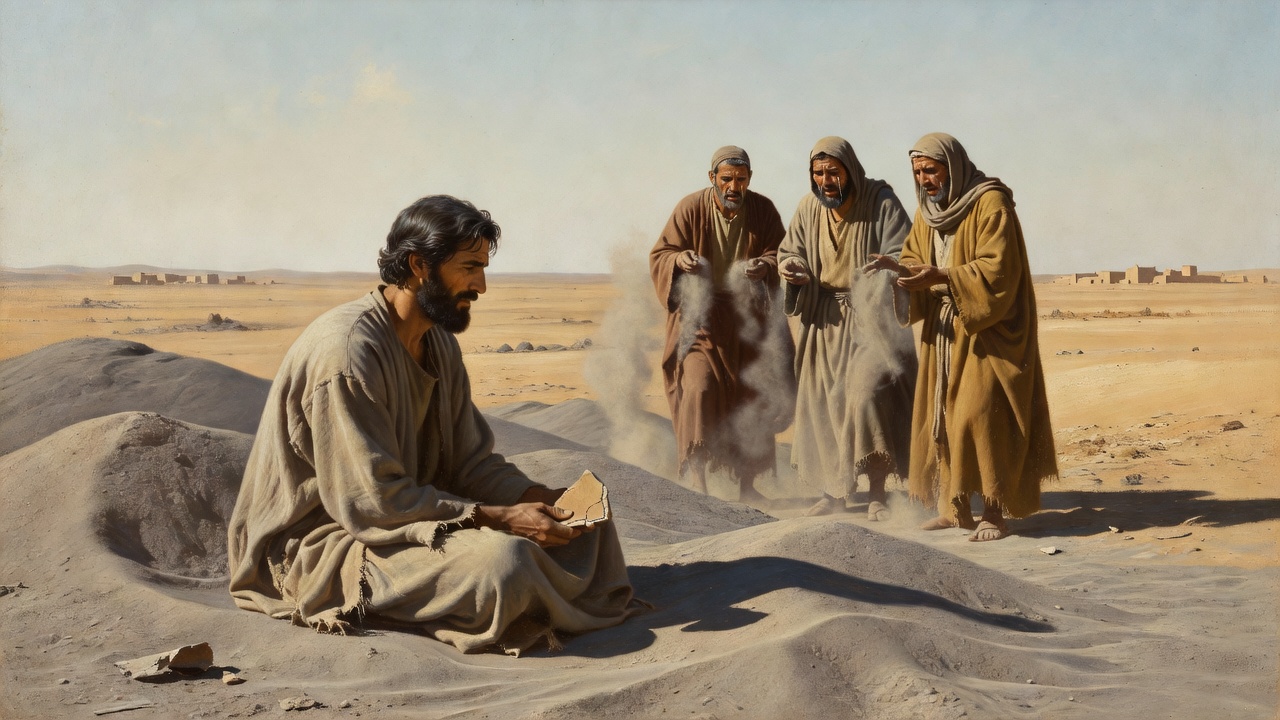
11Joba idji dji biarãda ũbea erob̶asia: Elipa, Temaʌ̃ druad̶ebemaa; Bildá, Súa druad̶ebemaa; idjab̶a Zopar, Naamat druad̶ebemaa. Ãdjia ũrĩsid̶aa Jora ne jũmane biẽ́ b̶ʌda. Maʌ̃ bẽrã bed̶ea ausid̶aa Jomaa wãnaped̶a sobiabid̶i carea idjab̶a idji ume ãbaa panani carea. 12Jũẽbʌdad̶e tʌmʌba Jora unusid̶aa. Baribʌrʌ chãdaba idji cacuada jũma bira b̶ʌ bẽrã idjida mãwã b̶ʌda cawad̶aẽ́ basía. Maʌ̃ carea ãdjira jĩgua jĩã panesid̶aa. Maʌ̃ne ãdjia cacuad̶e jʌ̃ panʌra sopuaba cõãtasid̶aa idjab̶a ãdji boro ʌ̃rʌ̃ egoro porada cuasid̶aa. 13Maʌ̃be Jo caita siete ewari egode chũpanesid̶aa ãsa, diamasi bid̶a. Baribʌrʌ ni ab̶aʌda idji ume bed̶ead̶aẽ́ basía. Unusid̶aa idjira bio pua b̶ʌda.
Did you know?
Job’s Affliction and the Arrival of His Friends
- In the Hebrew text of Job, the term translated as Satan appears with the definite article as the adversary or accuser. In this second heavenly council, the adversary argues that while Job endured the loss of his wealth and family, striking his physical flesh and bones would cause him to abandon his integrity.Sources: Satan · the Bible text itself
- Job’s companions—Eliphaz the Temanite, Bildad the Shuhite, and Zophar the Naamathite—came from distant regions associated with Arabia. Bildad's background is linked to Shuah, a son of Abraham by Keturah, while the ancient Greek Septuagint translation connects Zophar to the Mineans of southern Arabia.Sources: Bildad · Zophar · the Bible text itself
- Upon seeing Job's severe suffering, his three friends tore their garments, threw dust into the air over their heads, and sat with him on the ground in complete silence for seven days and seven nights. This shared vigil reflected ancient customs of deep mourning when sorrow was too profound for words.Sources: the Bible text itself
Notes written with AI assistance from open sources (Theographic Bible Metadata, CC BY-SA 4.0; Easton’s Bible Dictionary, public domain) and reviewed before publishing.
Credits and license for this translation
Ãcõrẽ Bed̶ea
New Testament in Emberá, Northern (PM:emp:Emberá, Northern)
copyright © 2011 Wycliffe Bible Translators, Inc.
Language: Emberá, Northern
Translation by: Wycliffe Bible Translators, Inc.
Copyright Information
© 2011, Wycliffe Bible Translators, Inc. All rights reserved.
This translation text is made available to you under the
terms of the Creative Commons License: Attribution-Noncommercial-No Derivative Works.
( http://creativecommons.org/licenses/by-nc-nd/3.0/ )
In addition, you have permission to port the text to different file formats, as long as you
do not change any of the text or punctuation of the Bible.
You may share, copy, distribute, transmit, and extract portions
or quotations from this work, provided that you include the above copyright
information:
You must give Attribution to the work.
You do not sell this work for a profit.
You do not make any derivative works that change any of the actual words or punctuation of the Scriptures.
Permissions beyond the scope of this license may be
available if you contact
us with your request.
The New Testament
in Emberá, Northern
© 2011, Wycliffe Bible Translators, Inc. All rights reserved.
This translation is made available to you under the terms of the
Creative Commons Attribution-Noncommercial-No Derivatives license 4.0.
You may share and redistribute this Bible translation or extracts from it in any format, provided that:
You include the above copyright and source information.
You do not sell this work for a profit.
You do not change any of the words or punctuation of the Scriptures.
Pictures included with Scriptures and other documents on this site are licensed just for use with those Scriptures and documents.
For other uses, please contact the respective copyright owners.
2014-04-24
Source: http://ebible.org/empNTpo/ · eBible.org