Exodus 14
Ãcõrẽ Bed̶ea · Tap a verse to see its cross-references.
Israelerã Pusa Purrud̶e chãped̶ad̶a
1Maʌ̃be Ãcõrẽba Moisea jarasia:
2–Israelerãa jaradua Pi-Ajirod̶aa jẽda wãnamãrẽã. Jãma Migdol puru quĩrãpe pusa icawa ãdji wua dera Baal-Zepoʌ̃ caita ocuad̶ida panʌa. 3Mãwãra Egiptod̶ebema boroba crĩchaya ẽjũã põãsa ewaraga b̶ʌd̶e bãrã israelerãra nocod̶aa poya wãnaẽ́ bẽrã baridua nĩnada. 4Maʌ̃ne mʌ̃a Egiptod̶ebema borora so zarea b̶ʌya. Maʌ̃ bẽrã idjia bãrãra caid̶u ẽpẽya. Baribʌrʌ mʌ̃a idjira, idji sordaorã sid̶a poyaya mʌ̃drʌ dji dromaara b̶ʌda unubi carea. Mãwã egiptorãba cawad̶ia mʌ̃ra Ãcõrẽda.–
Ara maʌ̃da israelerãra Ãcõrẽba jarad̶a quĩrãca jẽda wãsid̶aa. 5Maʌ̃ ewarid̶e Egiptod̶ebema boroa israelerã mĩrũ wãsid̶ada jarasid̶aa. Maʌ̃ne idjia, dji dromarã bid̶a israelerã idu wãbiped̶ad̶ada jẽda crĩchasid̶aa. Nãwã jarasid̶aa: “¿Cãrẽ cãrẽã jãwã israelerãra idu wãbisid̶a? Dadjirãba õgo trajabibadara neẽ́ panesid̶aa.”
6Ara maʌ̃da Egiptod̶ebema boroba djõbada carretara cawayod̶e jʌ̃bicuasia israelerã caid̶u wãi carea. Idjab̶a idji sordaorãra trʌ̃bisia idji ume wãnamãrẽã. 7Carreta dji biara b̶eada seisciento edesia. Maʌ̃ awara jũma dewara carreta sid̶a pe edesia. Carretaza sordaorã boroda ab̶a b̶easia. 8Maʌ̃ne Ãcõrẽba Egiptod̶ebema borora so zarea b̶ʌsia israelerã caid̶u wãmãrẽã. Ãcõrẽ ʌb̶ʌad̶eba israelerãra Egiptod̶eba ẽdrʌped̶ad̶amĩna Egiptod̶ebema borora idji sordaorã ume caid̶u wãsid̶aa.
9Jũma Egiptod̶ebema sordaorãra israelerã caid̶u wãsid̶aa; cawayod̶eba djõbadarãda, carretad̶eba djõbadarãda, waabema sordaorã sid̶a. Israelerãra pusa icawa Pi-Ajiro caita Baal-Zepoʌ̃ quĩrãpe unune wãsid̶aa. 10Israelerãba Egiptod̶ebema boro, idji sordaorã ume ãdji caid̶u zebʌdada unusid̶ad̶e bio ne wayad̶aped̶a Ãcõrẽa quĩrã djuburiada iwid̶i duanesid̶aa. 11Maʌ̃ne ãdjirãba Moisea jarasid̶aa:
–¿Bʌa cãrẽ cãrẽã jãwã osi? ¿Cãrẽ cãrẽã Egiptod̶eba dairãra nama pe enesi? ¿Egiptod̶e dairã joud̶i carea ẽjũãra neẽ́ basica? ¿Bʌa dairãra naʌ̃ ẽjũã põãsa ewaraga b̶ʌd̶e beubi carea enesica? 12¿Egiptod̶e panasid̶ad̶e dairãba bʌ́a egiptorã itea idu trajabiduad̶a ad̶aẽ́ basica? Naʌ̃ ẽjũã põãsa ewaraga b̶ʌd̶e beud̶i cãyãbara biara b̶acasia egiptorã nezocarãda b̶ead̶ida.–
13Baribʌrʌ Moiseba ãdjirãa jarasia:
–Ne wayarãnadua. Necai duananadua. Id̶i ununia sãwã Ãcõrẽba bãrãra egiptorãba ẽpẽ panʌnebemada ẽdrʌ b̶ʌida. Id̶iba ʌ̃taa bãrãba naʌ̃ egiptorã bãrã caid̶u zebʌdara waa ununaẽ́a. 14Ãcõrẽra bãrã carea djõya. Maʌ̃ bẽrã necai pananida panʌa.–
15Maʌ̃be Ãcõrẽba Moisea jarasia:
–¿Bʌa cãrẽ cãrẽã wad̶ibid̶a mʌ̃́a quĩrã djuburiada iwid̶i b̶ʌ? Israelerãa jaradua nocod̶aa wãnamãrẽã. 16Bʌa jʌwad̶e erob̶ʌ bacurura pusad̶aa wadua oda pusa ẽsi ewamãrẽã. Maʌ̃ od̶e israelerãra pusa quĩrãrã chãnia. 17Maʌ̃ne mʌ̃a egiptorãra so zarea b̶ʌya bãrã ẽpẽnamãrẽã. Maʌ̃be mʌ̃a Egiptod̶ebema borora, carretad̶eba djõbada sordaorãra, cawayod̶eba djõbada sordaorãra, waabema sordaorã sid̶a jũma poyaya mʌ̃drʌ dji dromaara b̶ʌda unubi carea. Mãwã egiptorãba cawad̶ia mʌ̃ra Ãcõrẽda.–
19Maʌ̃be Ãcõrẽ bajãnebema nezoca israelerã na nĩbad̶ara ãdjirã jẽdaare b̶esia. Mãwã israelerã nocoare b̶ad̶a jʌ̃rãrã ʌ̃tʌba ed̶aa drasoa jira b̶ʌra ãdjirã jẽdaare b̶esia idjab̶a egiptorã nocoare b̶esia. Diamasi maʌ̃ jʌ̃rãrãba israelerãma ʌ̃na erob̶asia baribʌrʌ egiptorãma pãĩsosoa erob̶asia. Maʌ̃ bẽrã maʌ̃ diamasi egiptorãra israelerãma poya jũẽnaẽ́ basía.
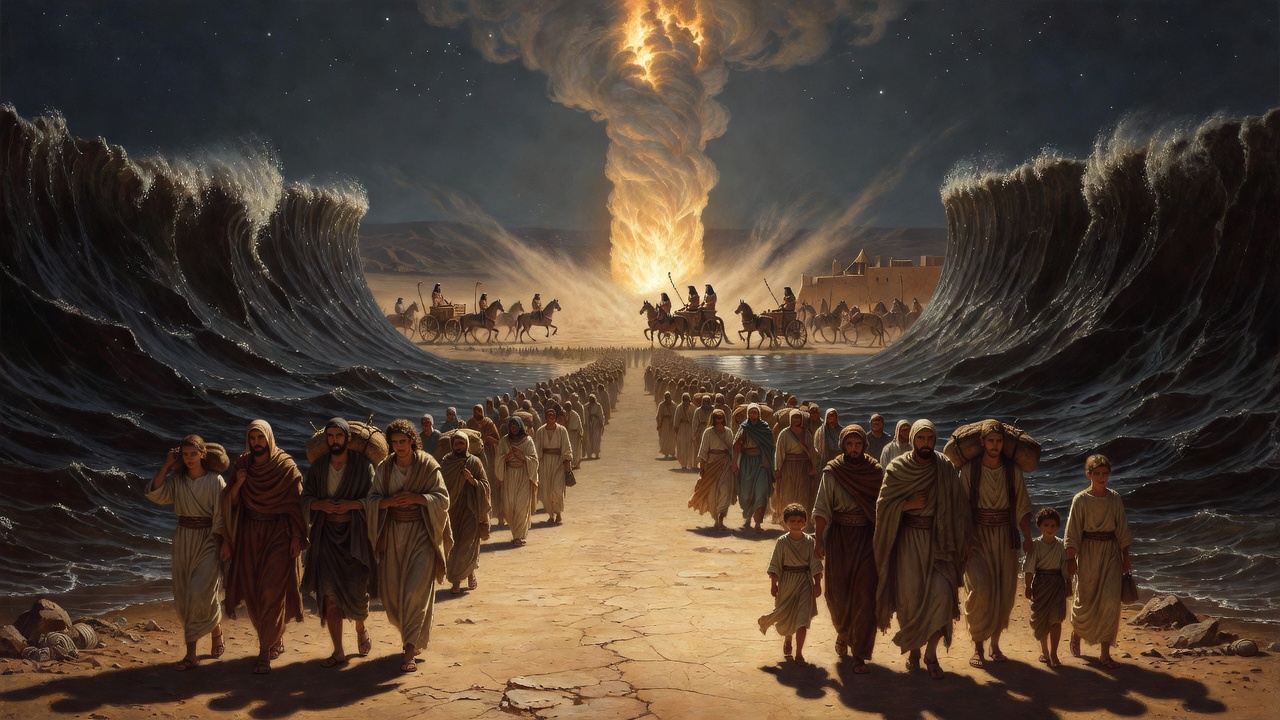
21Moiseba idji jʌwara pusad̶aa ʌ̃taa wasia. Ara maʌ̃da ʌ̃mãdau odjabariareba Ãcõrẽba nãũrãda dji cãbãyã tʌbisia. Maʌ̃ diamasi nãũrãra tʌ nũmʌda ʌ̃nadrʌsia. Maʌ̃ba pusa ẽsi oda ewasia. 22Israelerãra maʌ̃ o ewa jira b̶ʌd̶e chãsid̶aa. Chãbʌdad̶e pusara ãdjirã jʌwa araare idjab̶a ãdjirã jʌwa acʌare bid̶a ʌ̃tʌba ed̶aa jũãtrʌ nũmʌ quĩrãca nũmesia.
23Maʌ̃be jũma Egiptod̶ebema boroba eded̶a cawayod̶eba djõbada sordaorãra, carretad̶eba djõbada sordaorãra, waabema sordaorã sid̶a maʌ̃ o ewa jira b̶ʌd̶e israelerã caid̶u wãsid̶aa. 24Ʌ̃nadrʌbod̶od̶e Ãcõrẽba egiptorãra dji jʌ̃rãrã ʌ̃tʌba ed̶aa drasoa uruga jira b̶ʌd̶eba acʌ b̶asia. Maʌ̃ne idjia ãdjirãra cawad̶aẽ́ errunĩbabisia. 25Idjab̶a ãdji carreta jĩrũra ẽcuabisia. Egiptorãra nocod̶aa poya wãnaẽ́ bẽrã nãwã jara duanesid̶aa:
–¡Jẽda wãnadrʌ! ¡Israelerãra waa ẽpẽnaẽ́a! ¡Ãcõrẽra ãdjirãare dadjirã ume djõ b̶ʌa!–
26Israelerã chãped̶ad̶acarea Ãcõrẽba Moisea jarasia:
–Bʌ jʌwara pusad̶aa ʌ̃taa wadua Egiptod̶ebema sordaorãra, carretad̶eba djõbada sordaorãra, cawayod̶eba djõbada sordaorã sid̶a pusaba ãnẽb̶ari edamãrẽã.–
27Ara maʌ̃da Moiseba idji jʌwara pusad̶aa ʌ̃taa wasia. Ʌ̃nadrʌbʌrʌd̶e pusara wayacusa idji b̶ad̶a quĩrãca dogosia. Maʌ̃ne egiptorãra ẽdrʌd̶i carea jẽda piracuasid̶amĩna pusaba ãnẽb̶ari edasia. Mãwã Ãcõrẽba ãdjirãra pusad̶e quinibisia. 28Pusa idji b̶ad̶a quĩrãca ũmesid̶e Egiptod̶ebema boroba eded̶a carretad̶eba djõbada sordaorãra, cawayod̶eba djõbada sordaorã sid̶a jũma ãnẽb̶ari edasia. Ab̶ed̶a jũma israelerã caid̶u wãped̶ad̶ara pusaba ãnẽb̶ari edasia. Ni ab̶a bid̶a zocai b̶eẽ́ basía. 29Baribʌrʌ israelerãra pusa ẽsi o ewa jira b̶ʌd̶e chãsid̶aa. Chãsid̶ad̶e pusara ãdjirã jʌwa araare, ãdjirã jʌwa acʌare bid̶a ʌ̃tʌba ed̶aa jũãtrʌ nũmʌ quĩrãca nũmesia.
30Maʌ̃ ewarid̶e Ãcõrẽba israelerãra egiptorãba ẽpẽ panananebemada ẽdrʌ edasia. Maʌ̃ne israelerãba unusid̶aa Egiptod̶ebema quiniped̶ad̶ara pusa ĩbʌd̶e tab̶eada. 31Israelerãba unusid̶aa sãwã Ãcõrẽba idji ʌb̶ʌad̶eba egiptorãra poyasida. Maʌ̃ bẽrã idjira wayasid̶aa. Idjia jara b̶ʌra, idji nezoca Moiseba jara b̶ʌ sid̶a ãdjirãba ĩjãsid̶aa.
Did you know?
Israel trapped between Pharaoh and the sea
- Israel was told to turn back and camp before Pi-hahiroth, between Migdol and the sea, directly opposite Baal-zephon, so that Pharaoh would think the wilderness had boxed them in. Pi-hahiroth means place where the reeds grow, though the Septuagint and the Coptic read farmstead, and Baal-zephon means Baal of the north.Sources: the Bible text itself · Pi-hahiroth · Baal-zephon
- Easton's Bible Dictionary (1897) describes Baal-zephon as an Egyptian town on the shores of the Gulf of Suez, probably modern Jebel Deraj or Kulalah on the western shore, and notes that Egyptian Baal-zapuna was a place of worship. Some have identified Pi-hahiroth with Ajrud, a fortress between Etham and Suez. The entry on Pi-hahiroth adds that the condition of the Isthmus of Suez at the time of the Exodus is not exactly known, so Pi-hahiroth and Israel's other camps in Egypt cannot be definitely located; the isthmus has been formed by deposits of the Nile.Sources: Baal-zephon · Pi-hahiroth
- Easton's Bible Dictionary (1897) says the Pharaoh of the Exodus was probably Menephtah I, the fourteenth and eldest surviving son of Rameses II, and that he resided at Zoan, where his interviews with Moses and Aaron recorded in Exodus took place. The same entry still treats it as an open question whether Seti II or his father Menephtah was that king, and notes that some judge the evidence to favor Seti II.Sources: Pharaoh (of the Exodus)
Notes written with AI assistance from open sources (Theographic Bible Metadata, CC BY-SA 4.0; Easton’s Bible Dictionary, public domain) and reviewed before publishing.
Places in this chapter
Only places identified with high confidence are shown (90% or more according to the scholarly sources compiled by OpenBible). Period map: DARE (Digital Atlas of the Roman Empire), CC BY 4.0; modern map: © OpenStreetMap contributors; places: OpenBible.info (CC BY 4.0).
Credits and license for this translation
Ãcõrẽ Bed̶ea
New Testament in Emberá, Northern (PM:emp:Emberá, Northern)
copyright © 2011 Wycliffe Bible Translators, Inc.
Language: Emberá, Northern
Translation by: Wycliffe Bible Translators, Inc.
Copyright Information
© 2011, Wycliffe Bible Translators, Inc. All rights reserved.
This translation text is made available to you under the
terms of the Creative Commons License: Attribution-Noncommercial-No Derivative Works.
( http://creativecommons.org/licenses/by-nc-nd/3.0/ )
In addition, you have permission to port the text to different file formats, as long as you
do not change any of the text or punctuation of the Bible.
You may share, copy, distribute, transmit, and extract portions
or quotations from this work, provided that you include the above copyright
information:
You must give Attribution to the work.
You do not sell this work for a profit.
You do not make any derivative works that change any of the actual words or punctuation of the Scriptures.
Permissions beyond the scope of this license may be
available if you contact
us with your request.
The New Testament
in Emberá, Northern
© 2011, Wycliffe Bible Translators, Inc. All rights reserved.
This translation is made available to you under the terms of the
Creative Commons Attribution-Noncommercial-No Derivatives license 4.0.
You may share and redistribute this Bible translation or extracts from it in any format, provided that:
You include the above copyright and source information.
You do not sell this work for a profit.
You do not change any of the words or punctuation of the Scriptures.
Pictures included with Scriptures and other documents on this site are licensed just for use with those Scriptures and documents.
For other uses, please contact the respective copyright owners.
2014-04-24
Source: http://ebible.org/empNTpo/ · eBible.org