Exodus 13
Ãcõrẽ Bed̶ea · Tap a verse to see its cross-references.
Jũma umaquĩrã warra dji nabemarãda Ãcõrẽa diad̶ida panʌa
1Maʌ̃be Ãcõrẽba Moisea jarasia:
2–Israelerãba ãdji umaquĩrã warra dji nabemarãda, ãdji animarã dji umaquĩrã naãrã toped̶ad̶a sid̶a mʌ̃́a jũma diad̶ida panʌa. Jũma maʌ̃gʌrãra mʌ̃rea.–
3Maʌ̃be Moiseba israelerãa jarasia:
–Naʌ̃ ewarira quĩrãnebad̶adua Ãcõrẽba idji ʌb̶ʌad̶eba bãrãra Egiptod̶e nezoca b̶ead̶ada ẽdrʌ edad̶a bẽrã. Poaza ara naʌ̃ ewari quĩrãca bãrãba paʌ̃ ẽsãbari bara b̶ʌda cocara panʌa bãrã Egiptod̶eba ẽdrʌped̶ad̶ara quĩrãnebad̶i carea. 4Id̶i naʌ̃ jed̶eco Abib abadad̶e bãrãra Egiptod̶eba ẽdrʌbʌdaa. 5Ãcõrẽba bãrãra Canaaʌ̃ druad̶aa edeya. Maʌ̃ druad̶e baridua ne uped̶ad̶ara bia zaubaria. Mama cananeorãda, hititarãda, amorreorãda, heveorãda, idjab̶a jebuseorã sid̶a duanʌa. Baribʌrʌ Ãcõrẽba bãrã drõã naẽnabemarãa wãrãneba jarasia maʌ̃ druara bãrãa diaida. Jãma jũẽped̶ad̶acarea poaza naʌ̃ jed̶ecod̶e bãrãba naʌ̃ quĩrãca od̶ida panʌa bãrã Egiptod̶eba ẽdrʌped̶ad̶a ewarida quĩrãnebad̶i carea. 6Siete ewari bãrãba paʌ̃ dji ẽsãbari neẽ́ b̶ʌda cod̶ida panʌa. Maʌ̃ siete ewarid̶e paʌ̃ ẽsãbarira ni maãrĩ bid̶a bãrã druad̶e erob̶ead̶iẽ́ panʌa. Jĩrũarebema ewarid̶e Ãcõrẽa bia bed̶ead̶i carea bãrãra ãbaa dji jʌred̶ida panʌa. 8Mãwã o panʌne bãrã warrarãa nãwã jarad̶ida panʌa: “Dadjirãba nãwã o panʌa Ãcõrẽba dadji israelerãra Egiptod̶eba ẽdrʌ edad̶a quĩrãnebad̶i carea.”
9Naʌ̃ ewari obadara bãrã jʌwad̶e wa dratud̶e sẽyã quĩrãca b̶ʌa. Maʌ̃ba quĩrãnebabi b̶aya bãrãba Ãcõrẽ leyra jaradia pananida panʌda idji ʌb̶ʌad̶eba dadji israelerãra Egiptod̶eba ẽdrʌ edad̶a bẽrã. 10Maʌ̃ carea poaza ara naʌ̃ ewari quĩrãca bãrãba maʌ̃ ewari dromada o pananida panʌa.
11Ãcõrẽba bãrãra cananeorã druad̶aa edeped̶a maʌ̃ druara diaya idjia bãrã drõã naẽnabemarãa, bãrãa bid̶a wãrãneba diaida jarad̶a bẽrã. 12Jãma jũẽped̶ad̶acarea bãrãba jũma bãrã umaquĩrã warra dji nabema tobʌdara, jũma bãrã animarã dji nabema umaquĩrã tobʌda sid̶a Ãcõrẽa diad̶ida panʌa. Jũma maʌ̃gʌrãra Ãcõrẽnea. 13Bãrã burro warra dji nabema umaquĩrã tobʌrʌda Ãcõrẽnemĩna, bãrãba maʌ̃ animarãra poya edad̶ida panʌa. Edad̶i carea ovejada wa chiwatuda maʌ̃ burro cacuabari Ãcõrẽa babue diad̶ida panʌa. Baribʌrʌ maʌ̃ burroda eda quĩrĩãnaẽ́bʌrʌ, bãrãba otapuya bead̶ida panʌa. Idjab̶a bãrã umaquĩrã warra dji nabema tobʌdara Ãcõrẽne bẽrã, idji cacuabari ovejada wa chiwatuda Ãcõrẽa babue diad̶ida panʌa maʌ̃ warrara zocai b̶emãrẽã. 14Id̶iba ʌ̃taa bãrã warrarãba iwid̶ibʌdad̶e: “¿Cãrẽ cãrẽã jãwã obada?”, bãrãba nãwã panunida panʌa: “Jãwã obadaa Ãcõrẽba idji ʌb̶ʌad̶eba dadjirãra Egiptod̶e nezoca b̶ead̶ada ẽdrʌ edad̶a bẽrã. 15Maʌ̃ ewarid̶e Egiptod̶ebema borora so zarea b̶ed̶a bẽrã dadjirãra ẽdrʌ b̶ʌ quĩrĩãẽ́ basía. Maʌ̃ carea Ãcõrẽba jũma Egiptod̶ebema umaquĩrã warra dji nabemarãda quinibisia. Egiptod̶ebema animarã warra dji umaquĩrã naãrã toped̶ad̶a sid̶a quinibisia. Maʌ̃ carea dadjirãba jũma animarã warra dji nabema umaquĩrã tobʌdara Ãcõrẽa babue diabadaa. Baribʌrʌ jũma dadjirã umaquĩrã warra dji nabema tobʌda cacuabari oveja zaqueda Ãcõrẽa babue diabadaa. 16Mãwã obadara dadji jʌwad̶e wa dratud̶e sẽyã quĩrãca b̶ʌa. Maʌ̃ba quĩrãnebabi b̶ʌa Ãcõrẽba idji ʌb̶ʌad̶eba dadjirãra Egiptod̶eba ẽdrʌ edasida.”–
Jʌ̃rãrã ʌ̃tʌba ed̶aa drasoa jira b̶ad̶a
17Egiptod̶ebema boroba israelerã idu wãbisid̶e Ãcõrẽba ãdjirãra dji caitaara b̶ʌ óare edeẽ́ basía, maʌ̃ ora pilisteorã druad̶e wã b̶ʌ bẽrã. Ãcõrẽba nãwã crĩchasia: “Israelerã wãbʌdad̶e pilisteorãda ãdji ume djõne zed̶ibʌrʌ, Canaaʌ̃ druad̶aa wãni crĩcha eropananara igarad̶aped̶a Egiptod̶aa jẽda wãnia.” 18Maʌ̃ carea Ãcõrẽba ãdjirãra ẽjũã põãsa ewaraga b̶ʌd̶e wã b̶ʌ óare edesia. Maʌ̃ ora Pusa Purru abadad̶aa wã b̶ʌa.
Egiptod̶eba ẽdrʌsid̶ad̶e israelerãra djõne wãbʌda quĩrãca wãsid̶aa. 19Maʌ̃ne Moiseba Jose querasi b̶ʌwʌrʌra edesia Canaaʌ̃ druad̶e tʌb̶ari carea. Mãwã osia Jose querasiba naẽna israelerãa wãrãneba jarabid̶a bẽrã mãwã od̶amãrẽã. Jose querasiba nãwã jarasia:
–Wãrãda Ãcõrẽba bãrãra carebaya. Maʌ̃ ewarid̶e bãrãba mʌ̃ b̶ʌwʌrʌra namaʌba Canaaʌ̃ druad̶aa tʌb̶arid̶e eded̶adua.–
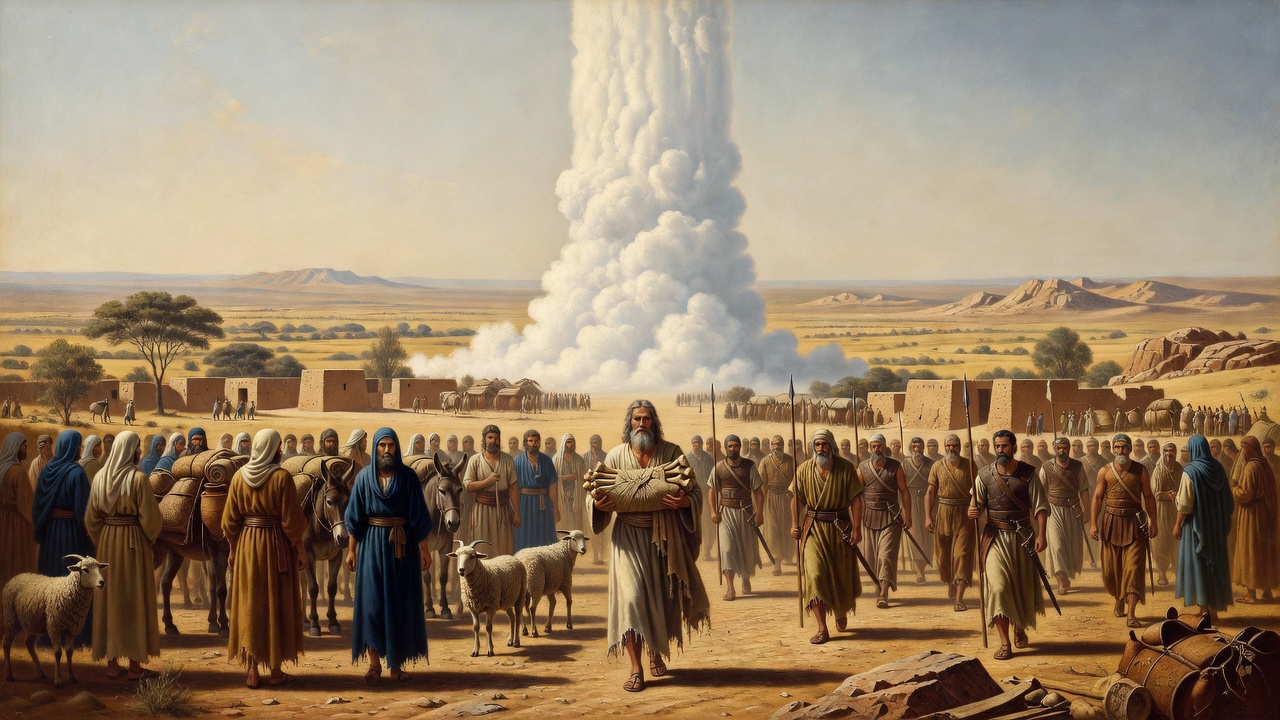
20Egiptod̶eba ẽdrʌsid̶ad̶e israelerãra naãrã Suco purud̶e jũẽne wãnaped̶a Etaʌ̃ purud̶aa wãsid̶aa. Maʌ̃ purura ẽjũã põãsa ewaraga b̶ʌ icawa b̶ʌa. Mama ãdji wua dera ocuasid̶aa. 21Israelerã wãbʌdad̶e Ãcõrẽra ãdji na wãbadjia cawad̶amãrẽã sãma wãnida panʌda. Ãsa idjira jʌ̃rãrã quĩrãca ʌ̃tʌba ed̶aa drasoa jira b̶abadjia. Diamasi maʌ̃ jʌ̃rãrãra tʌbʌ quĩrãca uruga jira b̶abadjia ʌ̃naane pananamãrẽã. Mãwã ãsa, diamasi bid̶a israelerãra poya wãnida panasid̶aa. 22Maʌ̃ jʌ̃rãrã ʌ̃tʌba ed̶aa drasoa jira b̶ʌra ãdjirã umebemada ãyã wãca basía. Ãsa jʌ̃rãrã quĩrãca b̶asia. Diamasira tʌbʌ quĩrãca uruga jira b̶abadjia.
Did you know?
The Firstborn and the Departure from Egypt
- God did not lead them by the shorter road through the land of the Philistines, lest war make them return to Egypt, but by the wilderness toward the Red Sea, which separates Asia from Africa. They set out from Succoth, the first encampment after leaving Ramesses and also the civil name of Pithom, and made their third camp at Etham, on the edge of the wilderness. Etham is perhaps another name for Khetam, or “fortress,” on the wall of Shur, which ran from the Mediterranean to the Gulf of Suez, and the camp was probably a little west of modern Ismailia.Sources: the Bible text itself · Succoth · Etham · Red Sea
- Moses took the bones of Joseph with him, because Joseph had made the sons of Israel swear that, when God attended to them, they must carry his bones from that place. Joseph was the elder of the two sons of Jacob by Rachel.Sources: the Bible text itself · Joseph (son of Jacob)
- The LORD told Moses to consecrate every firstborn male; the firstborn from every womb among the Israelites, both of people and of animals, belonged to him. Every firstborn donkey was to be redeemed with a lamb, or else have its neck broken, and every firstborn son was to be redeemed. When a son asked what this meant, he was to be told that Pharaoh had stubbornly refused to let them go, so the LORD killed every firstborn in Egypt, of people and of animals, and brought them out of the house of slavery.Sources: the Bible text itself
Notes written with AI assistance from open sources (Theographic Bible Metadata, CC BY-SA 4.0; Easton’s Bible Dictionary, public domain) and reviewed before publishing.
Places in this chapter
Only places identified with high confidence are shown (90% or more according to the scholarly sources compiled by OpenBible). Period map: DARE (Digital Atlas of the Roman Empire), CC BY 4.0; modern map: © OpenStreetMap contributors; places: OpenBible.info (CC BY 4.0).
Credits and license for this translation
Ãcõrẽ Bed̶ea
New Testament in Emberá, Northern (PM:emp:Emberá, Northern)
copyright © 2011 Wycliffe Bible Translators, Inc.
Language: Emberá, Northern
Translation by: Wycliffe Bible Translators, Inc.
Copyright Information
© 2011, Wycliffe Bible Translators, Inc. All rights reserved.
This translation text is made available to you under the
terms of the Creative Commons License: Attribution-Noncommercial-No Derivative Works.
( http://creativecommons.org/licenses/by-nc-nd/3.0/ )
In addition, you have permission to port the text to different file formats, as long as you
do not change any of the text or punctuation of the Bible.
You may share, copy, distribute, transmit, and extract portions
or quotations from this work, provided that you include the above copyright
information:
You must give Attribution to the work.
You do not sell this work for a profit.
You do not make any derivative works that change any of the actual words or punctuation of the Scriptures.
Permissions beyond the scope of this license may be
available if you contact
us with your request.
The New Testament
in Emberá, Northern
© 2011, Wycliffe Bible Translators, Inc. All rights reserved.
This translation is made available to you under the terms of the
Creative Commons Attribution-Noncommercial-No Derivatives license 4.0.
You may share and redistribute this Bible translation or extracts from it in any format, provided that:
You include the above copyright and source information.
You do not sell this work for a profit.
You do not change any of the words or punctuation of the Scriptures.
Pictures included with Scriptures and other documents on this site are licensed just for use with those Scriptures and documents.
For other uses, please contact the respective copyright owners.
2014-04-24
Source: http://ebible.org/empNTpo/ · eBible.org