Exodus 15
Ãcõrẽ Bed̶ea · Tap a verse to see its cross-references.
Moiseba trʌ̃ãna
1Maʌ̃be Moiseba jũma israelerã bid̶a Ãcõrẽa nãwã trʌ̃ãsid̶aa:
Mʌ̃a Ãcõrẽa trʌ̃ãya idjira dji dromaara b̶ʌda unubid̶a bẽrã.
Pusad̶e b̶atabuebʌrʌ quĩrãca idjia Egiptod̶ebema sordaorãda ãdji cawayo bara pusad̶e quinibisia.
2Ãcõrẽba mʌ̃́a ʌb̶ʌada dia b̶ʌa. Idji carea mʌ̃ra trʌ̃ã b̶ʌa. Idjia mʌ̃ra ẽdrʌ edasia.
Idjira mʌ̃ Ãcõrẽa. Mʌ̃a idjía bia bed̶eaya.
Idjira mʌ̃ zezaba ĩjã b̶ad̶a Ãcõrẽa. Idjira dji dromaara b̶ʌad̶a aya.
3Ãcõrẽra djõ cawa b̶ʌa. Idji trʌ̃ra Jehová abadaa.
4Egiptod̶ebema boro sordaorãda ãdji carreta bara Ãcõrẽba jũma pusad̶e b̶atacuasia.
Maʌ̃ sordaorã bororã dji biara b̶ea sid̶a Pusa Purrud̶e jũma nãbʌrʌ quinisid̶aa.
5Egiptorãra pusa nãbuaba ãnẽb̶ari edasia. Ãdjirãra mõgara quĩrãca pusa nãbuad̶e ta wãsid̶aa.
6Ãcõrẽ, bʌ jʌwa arara bio ʌb̶ʌa b̶ʌa. Bʌ ʌb̶ʌad̶eba dji quĩrũra jũma poyasia.
Bʌ jʌwa araba ãdjirãra berrachisia.
7Bʌ ʌb̶ʌa waib̶ʌa b̶ʌd̶eba jũma bʌmaa djõne zeped̶ad̶ara poyasia.
Bʌ quĩrũbira ãdjirãa unubisia. Maʌ̃ne jũma ãdjirãra chirua quĩrãca bá wãsia.
8Bʌ quẽbʌba jãrãpuabʌrʌba pusa ẽsi oda ewasia.
Maʌ̃ o orroza pusara ʌ̃tʌba ed̶aa jũãtrʌ nũmʌ quĩrãca nũmesia.
Pusajãne bid̶a baidora maʌ̃ o orroza ipi nũmesia.
9Maʌ̃ne dji quĩrũba crĩchasid̶aa:
“Israelerã caid̶u ẽpẽnaped̶a jidad̶ia. Maʌ̃be ne jũma ãdjia eropanʌra jãrĩnaped̶a dadjirãza jed̶ecad̶ia.
Mãwã ne jũma dadjirãba quĩrĩã panʌra eropanania.
Dadjirã necora ẽũta edad̶aped̶a ãdjirãra beacuad̶ia.”
10Baribʌrʌ bʌa nãũrã tʌbibʌrʌd̶e dji quĩrũra pusaba jũma ãnẽb̶ari edasia.
Ãdjirãra mõgara quĩrãca pusa quĩrũ nũmʌne ta wãsid̶aa.
11Ãcõrẽ, ẽberãrãba ãcõrẽ abada tãẽna dewarada neẽ́a bʌ quĩrãca.
Ni ab̶aʌda neẽ́a bʌ cãyãbara dji dromaara b̶ʌda.
Bʌa o b̶ʌ carea jũmarãba bʌra wayabadaa.
Bʌabʌrʌ ne ununaca waib̶ʌa b̶eara obaria.
12Bʌ ʌb̶ʌara bʌa unubisia. Maʌ̃neba pusaba dji quĩrũra mĩsia.
13Bʌ quĩrĩã jõcad̶eba dairã bʌa ẽdrʌ edad̶a purura cawa edeya.
Bʌ ʌb̶ʌad̶eba dairãra bʌ b̶abarima bia jũẽbiya.
14Maʌ̃ ũrĩbʌdad̶e dewara puru b̶eara ne wayaaba ure duanania.
Pilisteorãra sopua duanania.
15Edoʌ̃ druad̶ebema bororãra bio ne waya duanania.
Moab druad̶ebema mẽsrã b̶earãda ne wayaaba ure duanania.
Jũma Canaaʌ̃nebemarãra sozarra pananada ne waya duanania.
16Jũma maʌ̃gʌrã ẽberãrãra bio ne waya duanania.
Ãcõrẽ, bʌ ʌb̶ʌa carea ãdjirãra mõgara quĩrãca chupea panania bʌ purura wãyã wãbʌrʌd̶e.
Ãdjirãra chupea panania bʌa edad̶a purura wãyã wãbʌrʌd̶e.
17Ãcõrẽ, bʌa dairãra bʌ itea edad̶a eyad̶e pananamãrẽã edeya.
Bʌa dairãra edeya bʌa dairã tãẽna b̶ai carea edad̶a ẽjũãnaa.
Ãcõrẽ, mama bʌ de dromara dairã tãẽna osia.
18Ãcõrẽra ewariza jũmarã boro baya.
Mariaba trʌ̃ãna
19Israelerãra pusa ẽsi o ewa jira b̶ʌd̶e chãsid̶ad̶e pusa quĩrãrẽ bia jũẽsid̶aa. Baribʌrʌ Egiptod̶ebema boroba eded̶a cawayod̶eba djõbada sordaorãba, carretad̶eba djõbada sordaorã bid̶a israelerã caid̶u ẽpẽsid̶ad̶e Ãcõrẽba pusara ãdjirã ʌ̃rʌ̃ ãnẽb̶ari wãbisia.
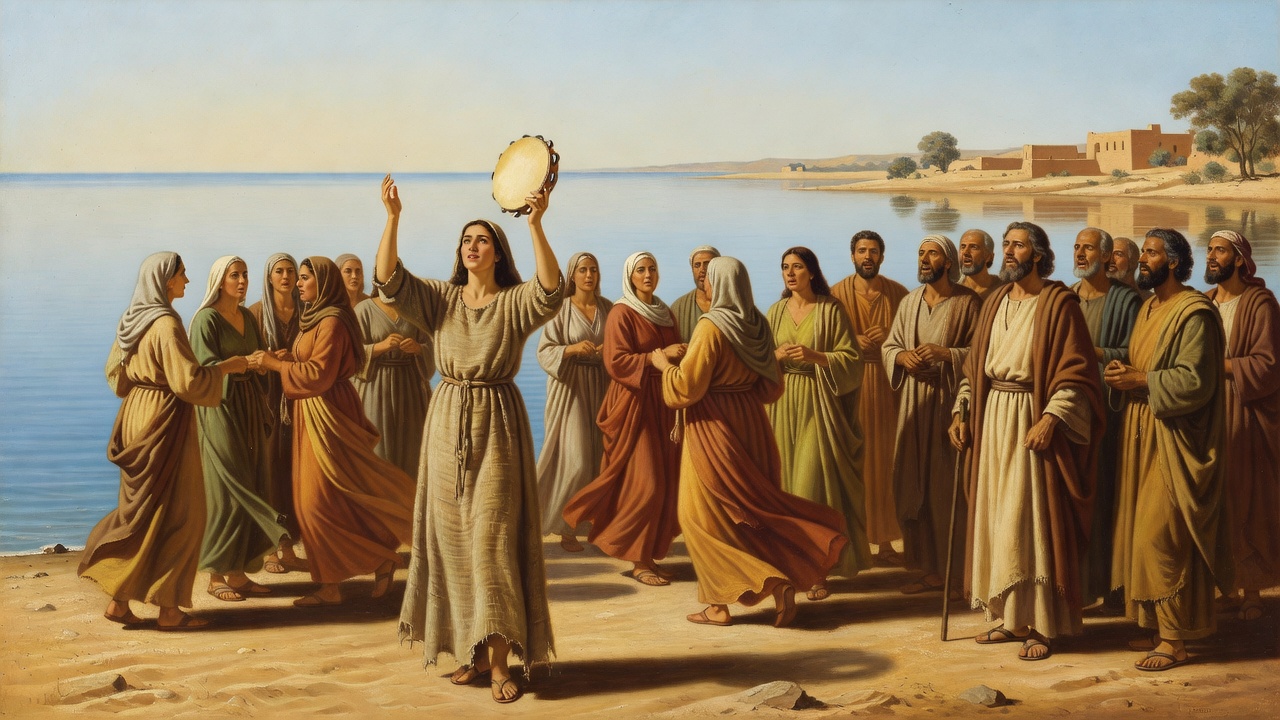
20Maʌ̃ne Aaroʌ̃ djabawẽrã Mariada Ãcõrẽneba bed̶eabari basía. Maʌ̃ Mariaba, jũma Israeld̶ebema wẽrãrã bid̶a tõnõãda edad̶aped̶a b̶ʌsrid̶aba cari duanasia. 21Mariaba ãdjirãa nãwã trʌ̃ãsia:
Trʌ̃ãnadua Ãcõrẽa, idjira dji dromaara b̶ʌda unubid̶a bẽrã.
Idjia Egiptod̶ebema sordaorãda ãdji cawayo bara pusad̶e b̶atacuasia.
Baido asea b̶ad̶a
22Pusa Purru abadad̶eba Moiseba israelerãra ẽjũã põãsa ewaraga b̶ʌd̶e pe edesia. Maʌ̃ ẽjũã põãsa ewaraga b̶ʌra Sur abadaa. Ãdjirãra ewari ũbea baido ununaẽ́ nĩbasid̶aa. 23Mãwã nĩnane baido b̶ʌma jũẽsid̶aa. Baribʌrʌ maʌ̃ baidora asea b̶ʌ bẽrã poya dod̶aẽ́ basía. Maʌ̃ carea maʌ̃ baidora trʌ̃ b̶ʌsid̶aa Mará. 24Maʌ̃ne ãdjirãba Moisea quĩrũbid̶eba nãwã biẽ́ jarasid̶aa:
–¿Dadjirãba nama cãrẽda dod̶i?–
25Maʌ̃ carea Moiseba Ãcõrẽa quĩrã djuburiada iwid̶isia. Maʌ̃ne Ãcõrẽba Moisea bacuru tab̶ʌda unubisia. Maʌ̃ bacuruda Moiseba baidod̶e b̶atabuesid̶e baido asea b̶ad̶ara cũã b̶esia.
Mama Ãcõrẽba naʌ̃ bed̶eada b̶ʌsia israelerãba ĩjãni cawaya. 26Nãwã jarasia: “Mʌ̃ra bãrã Ãcõrẽa. Mʌ̃a jara b̶ʌda bãrãba quĩrãcuita ũrĩnibʌrʌ, idjab̶a ne jũmane mʌ̃ quĩrãpita jipa od̶ibʌrʌ, idjab̶a mʌ̃ leyda jũma od̶ibʌrʌ, mʌ̃a bãrãra cacua biẽ́ b̶ebiẽ́a egiptorã cacua biẽ́ b̶ebid̶a quĩrãca. Mʌ̃ra bãrã cacua biabibari Ãcõrẽa.”
27Marád̶eba israelerãra Eliʌ̃ abadad̶e jũẽne wãsid̶aa. Mama baido egorod̶eba ʌ̃taa bogadrʌ b̶ʌda doce panasid̶aa. Idjab̶a uruta quĩrãca b̶eada setenta panasid̶aa. Maʌ̃ baido caita israelerãra duanesid̶aa.
Did you know?
The Song at the Red Sea
- Miriam, sister of Moses and Aaron, is called a prophetess in this chapter. She took the lead in the song of triumph after Israel passed through the Red Sea, and the women followed her with tambourines and dancing.Sources: Miriam · the Bible text itself
- From the Red Sea, Moses led Israel into the Desert of Shur, a wilderness on Egypt’s northeastern border extending toward Philistia. The name, meaning a wall, was probably taken from Egyptian fortifications, running from Pelusium to Heliopolis, built to defend that frontier from desert tribes. For three days they walked without finding water, and at Marah the water was bitter, which is why the place was so named.Sources: Shur · the Bible text itself
- The song says that anguish will grip Philistia, the land of the Philistines; that the chiefs of Edom, a rugged mountain land on the east side of the Arabah, from the head of the Gulf of Akabah to the foot of the Dead Sea, will be dismayed; and that trembling will seize the leaders of Moab, east of the Jordan and the Dead Sea and south of the Arnon. It also says that those who dwell in Canaan will melt away.Sources: the Bible text itself · Philistia · Edom · Moab
Notes written with AI assistance from open sources (Theographic Bible Metadata, CC BY-SA 4.0; Easton’s Bible Dictionary, public domain) and reviewed before publishing.
Places in this chapter
- Philistia · 31.664, 34.546 · verse 14
- Canaan · 32.767, 35.333 · verse 15
- Edom · 30.746, 35.604 · verse 15
- Moab · Today: Moab 1 · 31.181, 35.701 · verse 15
- Egypt · 30.129, 31.308 · verse 26
Only places identified with high confidence are shown (90% or more according to the scholarly sources compiled by OpenBible). Period map: DARE (Digital Atlas of the Roman Empire), CC BY 4.0; modern map: © OpenStreetMap contributors; places: OpenBible.info (CC BY 4.0).
Credits and license for this translation
Ãcõrẽ Bed̶ea
New Testament in Emberá, Northern (PM:emp:Emberá, Northern)
copyright © 2011 Wycliffe Bible Translators, Inc.
Language: Emberá, Northern
Translation by: Wycliffe Bible Translators, Inc.
Copyright Information
© 2011, Wycliffe Bible Translators, Inc. All rights reserved.
This translation text is made available to you under the
terms of the Creative Commons License: Attribution-Noncommercial-No Derivative Works.
( http://creativecommons.org/licenses/by-nc-nd/3.0/ )
In addition, you have permission to port the text to different file formats, as long as you
do not change any of the text or punctuation of the Bible.
You may share, copy, distribute, transmit, and extract portions
or quotations from this work, provided that you include the above copyright
information:
You must give Attribution to the work.
You do not sell this work for a profit.
You do not make any derivative works that change any of the actual words or punctuation of the Scriptures.
Permissions beyond the scope of this license may be
available if you contact
us with your request.
The New Testament
in Emberá, Northern
© 2011, Wycliffe Bible Translators, Inc. All rights reserved.
This translation is made available to you under the terms of the
Creative Commons Attribution-Noncommercial-No Derivatives license 4.0.
You may share and redistribute this Bible translation or extracts from it in any format, provided that:
You include the above copyright and source information.
You do not sell this work for a profit.
You do not change any of the words or punctuation of the Scriptures.
Pictures included with Scriptures and other documents on this site are licensed just for use with those Scriptures and documents.
For other uses, please contact the respective copyright owners.
2014-04-24
Source: http://ebible.org/empNTpo/ · eBible.org