Matthew 11
Lëk yam · Tap a verse to see its cross-references.
Joon acï kɔc tuɔɔc tënë Jethu
1Wën cï Jethu wëlkä jal lɛ̈k kɔcken ye buɔɔth kathiäär ku rou, ke jiël ë tɛ̈n bï la piööc ku le kɔc lɛ̈k gɛɛth Galilia yiic.
2Ee nïnkä, tɛ̈wën tɔ̈ Joon raan kɔc muɔɔc nhïïm ɣööt ke mac, ke piŋ käk looi Jethu. Go kɔc abɛ̈k, kɔcken ye buɔɔth tuɔɔc tënë ye bïk la thiëëc wɛ̈t kënë. 3“Ye yïn raan yï bï bɛ̈n, aye raan dɛ̈t yen buk tiit?”
4Go Jethu bɛ̈ɛ̈r, “Dhuɔ̈kkë ku lɛ̈kkë Joon, käk cäk piŋ ku käk cäk tïŋ. 5Cɔr acï bɛn daai ku aduany acï ya cath. Ku kɔc cï tuet aacï tuet jäl kegup. Ku miŋ acï ya piŋ ku kɔc cï thou aacï röt jɔt. Ku Wɛ̈t Puɔth Yam Nhialic alëk kɔc ŋɔ̈ŋ nyïn. 6Raan mit guɔ̈p ë raan cie puɔ̈u ë rou wɛ̈tdiɛ̈ yic!”
7Kaam wën jiël atuuc Joon, ke Jethu jam ku tët kɔc Joon, “Ye raan yïndë yen cï wek la ror cïï ceŋ bäk la tïŋ? Ye raan puɔl yic ye wel nhom ë path cïmën ye yom aruɔ̈ɔ̈r wel nhom? Acie tɛ̈de, acie yen kënë ler wek. 8Ye raan yïndë yen lak tïŋ? Ye mony ceŋ alɛ̈th path? Aŋot cie tɛ̈de, kɔc ceŋ alɛ̈th dhëŋ aa kɔc tɔ̈ bɛ̈ɛ̈i bäny yiic! 9Na cie këya, ke yeŋö yen ler wek? Ye raan käk Nhialic tïŋ? Ee yic, ku alɛ̈k we, yeen adït tënë raan käk Nhialic tïŋ. 10Yen Joon, yen ë raan cï wël gɔ̈t ë riɛnke thɛɛr ëlä, ‘Ɣɛn abä atuɔ̈nydiɛ̈ tuɔɔc yïnhom tueŋ, ku yeen abï dhël la guiir tënë yï.’
11“Ku wek aba lɛ̈k yiny kënë, Joon raan kɔc muɔɔc nhïïm aril, acïn raan kuat kɔc cï dhiëëth pinynhom dït tënë Joon. Ku raan koor bääny Nhialic yic adït tënë ye. 12Tɛ̈wäär piööc Joon raan kɔc muɔɔc nhïïm agut cït akölë, bääny Nhialic ala tueŋ, ku aye kɔc rɛc kɔ̈k la riɛl them bïk dhuɔ̈k ciëën. 13Rin löŋ Mothith, ku kɔc ke käk Nhialic tïŋ ëbën agut tɛ̈ ɣëët yen Joon, aake ye jam rin bääny Nhialic, 14ku na tɔ̈u wepuɔ̈th bäk wɛ̈tdiɛ̈ gam, ke yen Joon yen ë Elija wäär cï bɛ̈nde lɛ̈k thäi. 15Piɛŋkë tɛ̈ le wek yïth!
16“Yeŋö ba thɔ̈ŋ kek riëëc akölë? Aa cït mïth cï kenhïïm mat laar yic leŋ kegup, ye lueel ëlä,
17‘Ɣok aacï waak pɛth ye keek ket tɛ̈ looi ruääi ket,
ku wek aa këc dier!
Ku ɣok aacï käk ye keek looi thuɔɔu yic thɔ̈ɔ̈ŋ,
ku wek aa këc dhiau!’
18“Rin Joon acï tuɔ̈l ku ëcie bɛ̈ɛ̈i kuany yiic ke mïth ku dëk, go raan ëbën lueel, ‘Joon ala guɔ̈p jɔŋrac!’ 19Nawën bɔ̈ Manh Raan ku ye mïth ke kɔc ku dëk ke ke, gokë lueel, ‘Tiɛ̈ŋkë mony kënë! Yeen akok ku a dɛk määu, ku amääth kek kɔc ajuër kut ku kɔc la gup adumuɔ̈ɔ̈m!’ Ku luɔi puɔth Nhialic ë rot nyuɔɔth käk ya looi yiic.”
Gɛɛth këc luɔi kärɛc puɔ̈l thïn
20Tɛ̈wën, go Jethu puɔ̈u dak ku nyieeny kɔc gɛɛth cï yen käjuëc jäŋ gɔ̈i looi thïn, rin këc kek luɔi kärɛc puɔ̈l. 21“Wek kɔc gen Koradhin! Ku Bethaida! Wek aa tiit kärac apɛi, rin käjuëc jäŋ gɔ̈i cäk tïŋ cï looi gɛɛthkun yiic, ku ke cï looi Tire ku Thidon gɛɛth wäär ceŋ kɔc rɛc, ŋuɔ̈t kɔc ë gɛɛthkä aacï kepuɔ̈th dhuɔ̈k ciëën thɛɛr ku pälkë luɔi kärac! 22Ku wek aa lɛ̈k kënë, aköl luŋdït, Nhialic abï kɔc Tire ku Thidon ŋuään! 23Ku wek kɔc gen Kapernaum! Yakë tak lɔn bï we jat nhial? Wek abï cuat pan mac. Rin käk jäŋ gɔ̈i cï looi wenyïn cäk ke tïŋ, ku ke cï looi Thodom, ŋuɔ̈t acïn kë cie rac agut ëmën! 24Ku abɛn lɛ̈k we, käŋ aacïï yiic bï riɛl apɛi tënë ke aköl luŋdït, cïmën tɛ̈ bï kek yiic ril thïn tënë we!”
Bäk tënë ɣa bäk bɛ̈n lɔ̈ŋ
25Ku ë tɛ̈n awën ke lueel Jethu, “Wä, Bɛ̈ny nhial ku piny! Yïn alɛɛc rin cï yïn käk ca thiaan tënë kɔc ŋic käŋ cï piöc, nyuɔ̈th kɔc kor këc piöc. 26Ee yic Wä, yen ë kën yï yuum puɔ̈u.
27“Këriëëc ëbën acï Wä gäm ɣa. Ku acïn raan ŋic Wënde, ee Wun ë rot, cïmën cïn yen raan ŋic Wun, ee Wënde ku kɔc cï Wënde lɔc bïk ŋic.
28“Bäk tënë ɣa ëbën, wek kɔc cï jɔ̈t yiëth käthiek bäk ke ɣääc, wek aba cɔl alɔ̈ŋ. 29Gamkë piɔ̈ɔ̈cdiɛ̈ bäk yith ŋic, rin ɣɛn acïï la ruathruath, ɣɛn alir puɔ̈u, ku wek aabï wɛ̈ikun pïr. 30Rin piɔ̈ɔ̈cdiɛ̈ acïï ril, apuɔl yic.”
Did you know?
John's question and the cities that did not repent
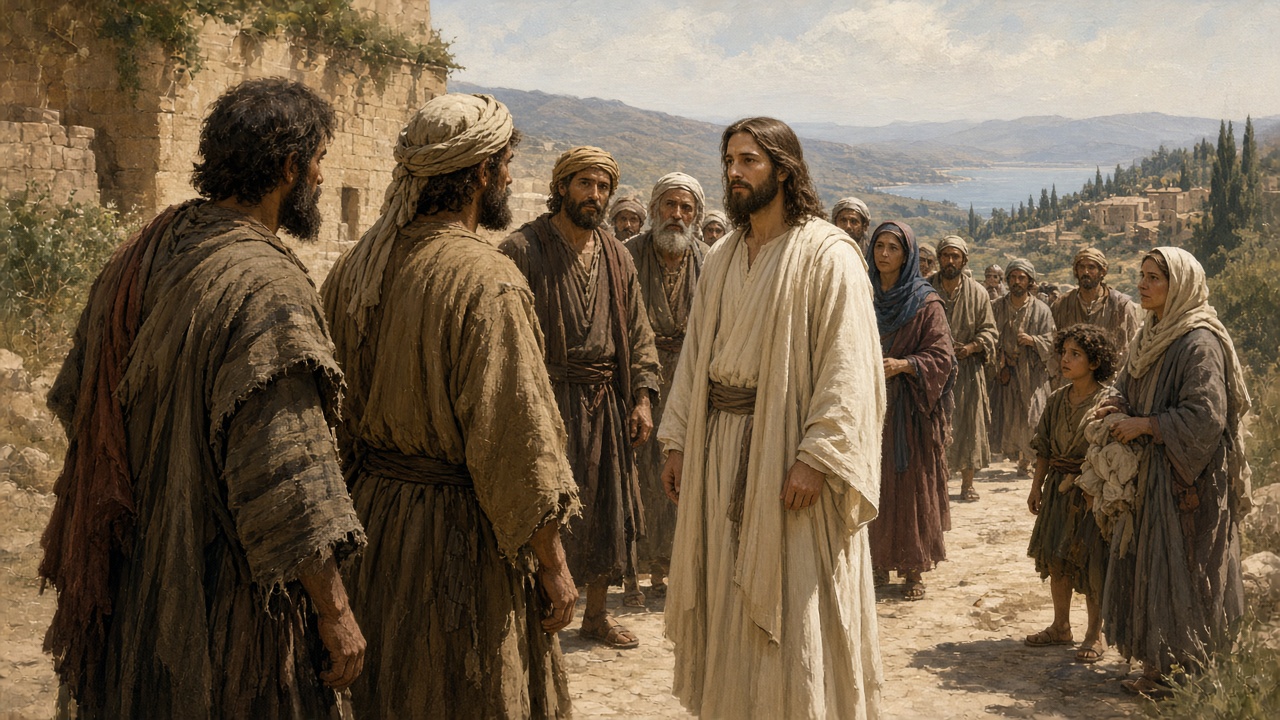
- From prison, John sent his disciples to ask whether Jesus was the one who was to come. Jesus told the crowds that John was more than a prophet—the messenger sent ahead to prepare the way—and, if they were willing to accept it, the Elijah who was to come. A Bible dictionary calls John the forerunner and says his mission was already the subject of prophecy, citing Isaiah 40:3 and Malachi 3:1; it also introduces Elijah as the Elias of the New Testament.Sources: the Bible text itself · John the Baptist · Elijah
- Jesus then denounced Chorazin, Bethsaida, and Capernaum, where most of his miracles had been performed, because they did not repent. A dictionary identifies Chorazin with modern Kerazeh, about two and a half miles up the Wady Kerazeh from Capernaum, and says that Capernaum, absent from the Old Testament, became Jesus' own city after he left Nazareth. It places Bethsaida on the east side of the lake, two miles up the Jordan in Gaulonitis, enlarged by Philip the tetrarch and named Julias after the emperor's daughter, though some have supposed there was only one Bethsaida, near where the Jordan enters the lake.Sources: the Bible text itself · Chorazin · Capernaum · Bethsaida
- He set those cities against Tyre and Sidon, which he said would have repented long ago in sackcloth and ashes, and against Sodom, which he said would have remained to this day. Sidon, on the Mediterranean coast about twenty-five miles north of Tyre, was the oldest Phoenician city there and the mother city of Tyre. A dictionary says the commerce of the whole world was gathered into Tyre's warehouses, and that Sodom, in the vale of Siddim, was destroyed by fire from heaven so completely that no trace of it has been found.Sources: the Bible text itself · Sidon · Tyre · Sodom
Notes written with AI assistance from open sources (Theographic Bible Metadata, CC BY-SA 4.0; Easton’s Bible Dictionary, public domain) and reviewed before publishing.
Places in this chapter
- Galilee · 32.760, 35.527 · verse 1
- Sidon · Today: Sandikli archaeological site in Sidon · 33.561, 35.372 · verses 21, 22
- Tyre · 33.271, 35.196 · verses 21, 22
Only places identified with high confidence are shown (90% or more according to the scholarly sources compiled by OpenBible). Period map: DARE (Digital Atlas of the Roman Empire), CC BY 4.0; modern map: © OpenStreetMap contributors; places: OpenBible.info (CC BY 4.0).
Credits and license for this translation
Lëk yam
New Testament in Dinka, Southwestern (SU:dik:Dinka, Southwestern)
copyright © 2006 Wycliffe Bible Translators, Inc.
Language: Dinka, Southwestern
Translation by: Wycliffe Bible Translators, Inc.
Dinka, Southwestern
dik
Sudan
Copyright Information
© 2006, Wycliffe Bible Translators, Inc. All rights reserved.
This translation text is made available to you under the
terms of the Creative Commons License: Attribution-Noncommercial-No Derivative Works.
( http://creativecommons.org/licenses/by-nc-nd/3.0/ )
In addition, you have permission to port the text to different file formats, as long as you
do not change any of the text or punctuation of the Bible.
You may share, copy, distribute, transmit, and extract portions
or quotations from this work, provided that you include the above copyright
information:
You must give Attribution to the work.
You do not sell this work for a profit.
You do not make any derivative works that change any of the actual words or punctuation of the Scriptures.
Permissions beyond the scope of this license may be
available if you contact
us with your request.
The New Testament
in Dinka, Southwestern
© 2006, Wycliffe Bible Translators, Inc. All rights reserved.
This translation is made available to you under the terms of the
Creative Commons Attribution-Noncommercial-No Derivatives license 4.0.
You may share and redistribute this Bible translation or extracts from it in any format, provided that:
You include the above copyright and source information.
You do not sell this work for a profit.
You do not change any of the words or punctuation of the Scriptures.
Pictures included with Scriptures and other documents on this site are licensed just for use with those Scriptures and documents.
For other uses, please contact the respective copyright owners.
2014-04-22
Source: http://ebible.org/dikNT/ · eBible.org