Matthew 12
Lëk yam · Tap a verse to see its cross-references.
Jethu acï kuec löŋ aköl lɔ̈ŋ kɔc Itharel
1Naɣɔn akäl tök ë nïnkä, Jethu ë cath kek kɔcken ye buɔɔth, ke kuany dhël yic kam dum aköl lɔ̈ŋ. Ku kɔcken ye buɔɔth aake nɛ̈k cɔk, gokë rap lek cam dhoŋ. 2Nawën tïŋ kɔc akut Parathï, gokë Jethu thiëëc, “Tïŋ, kɔckun yï buɔɔth aa loi kë cie looi aköl lɔ̈ŋ!”
3Go bɛ̈ɛ̈r ku lueel, “Kɛ̈ckë kë cï Debit looi thɛɛr kaŋ kueen, wäär nɛ̈k cɔk ye ke kɔcken cath kek ye? 4Acï bɛ̈n la luaŋ Nhialic, ku ciɛm ayum yath cï tɔ̈ɔ̈u tënë Nhialic, kek kacke. Ayum kënë ëcïï Debit lëu bï cam kek kacke, aa kɔc käk Nhialic looi kek aake ye cam ë röt. 5Dɛ̈t aya, kɛ̈ckë kueen löŋ Mothith yic lɔn aköl lɔ̈ŋ thok ëbën, kɔc käk Nhialic looi luaŋ Nhialic aa löŋ aköl lɔ̈ŋ dhoŋ kɔ̈u, ku aacïï ke ye nyieeny? 6Ku Manh Raan jam kek we, adït tënë luaŋ Nhialic. 7Na we cï wël cï gɔ̈t thɛɛr deet yiic, lɔn kë wïc Nhialic ë nhiɛ̈r ye kɔc röt nhiaar, aacie ɣɔ̈k ye näk ye, ŋuɔ̈t wek aa këc kɔc cïn awuɔ̈c cïk looi nyieeny, 8rin Manh Raan adït tënë aköl lɔ̈ŋ.”
Jethu acï mony cï cin ruai kony
9Naɣɔn aköl dɛ̈t ke Jethu jiël tënë awën ku ler tɛ̈n amat kɔc Itharel, 10ku mony cï cin ruai ë tɔ̈ thïn. Ku kɔc kɔ̈k ke wïc Jethu bïk gaany kë cï wuɔ̈ɔ̈c, aake tɔ̈ tɛ̈n amat aya, gokë Jethu thiëëc. “Ye lɔ̈ŋda pëën bï raan kony aköl lɔ̈ŋ?”
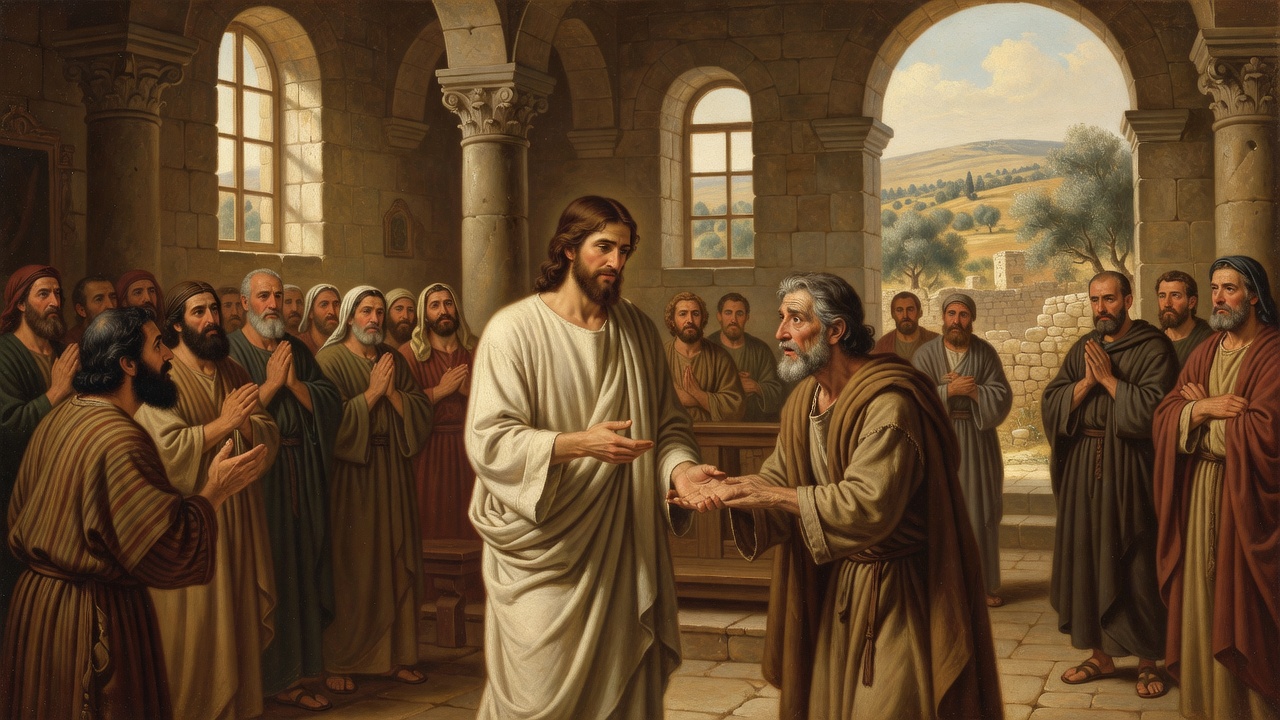
11Go Jethu bɛ̈ɛ̈r, “Na la raan tök kamkun ë tɛ̈n amäl tök, ku lööny yiith aköl lɔ̈ŋ, ke cïï bïï bei yiith? 12Raan adït apɛi tënë lɛ̈i! Këya, lɔ̈ŋda acie ɣo ye pëën buk raan cïï kony aköl lɔ̈ŋ.” 13Ku lëk mony wën cï cin ruai, “Nyoth yïcin.” Go yecin nyooth, go cin piath abï ciɛ̈t ciin këc ruai. 14Go Parathï jäl tɛ̈n amat, ku lek mat tɛ̈ bï kek Jethu näk thïn.
Jethu alony cï Nhialic lɔc
15Go Jethu kë loikë ŋic, ku jiël tɛ̈n awën, go kɔc juëc buɔɔth. Ku kony kɔc tuany bïk pial, 16ku thɔn ke apɛi bïk cïï la lɛ̈k kɔc kɔ̈k, bï cïï ŋic. 17Rin bï kë cï Ithaya lueel wäthɛɛr ëlä ë riɛnke yenhom tiɛɛŋ,
18“Yen akïn yen alonydiɛ̈n ca lɔc,
raan töŋ yen nhiaar, mit
ɣɛn puɔ̈u tënë yeen.
Ɣɛn abï Wɛ̈ikiɛ̈ cɔl alööny yeguɔ̈p,
ku abï gam ë yic lɛ̈k thäi ëbën.
19Acïï bï ya gɔ̈th ku rɛ̈ɛ̈m kɔc nhïïm wël cie yith,
acïï bï ya piŋ röl ë dhɔ̈l yiic.
20Acïn këthiin bï kaŋ tuɔ̈ɔ̈r nyin, cɔk
ayiny kɔc kor ka cïï dhäl.
Acïï bï kaŋ dhɔ̈r ɣet tɛ̈ bï yiɛnyde ŋic,
21ku abï wuɔ̈ɔ̈t ëbën ŋɔ̈ɔ̈th.”
Jethu aye yɔ̈ɔ̈k lɔn le yen guɔ̈p jɔŋrac
22Nawën ke kɔc kɔ̈k bïï mony cï cɔr tënë Jethu, ku ëcie jam aya rin tɔ̈ jɔŋrac yeguɔ̈p. Go Jethu kony, ɣet bï jam ku dɛɛi. 23Go kɔc awën tɔ̈ thïn gäi ëbën ku thiëckë röt. “Nadë ke bï ya Manh Debit?” 24Nawën piŋ Parathï ë wɛ̈t kënë, ke luelkë, “Yeen ë jakrɛc cuɔp wei kɔc gup, rin ye bɛ̈ny jakrɛc, cɔl Beldhebul ye yiëk riɛl.”
25Go Jethu kë takkë ŋic ku lueel, “Pan yeyic tek ku thär kɔc ë kamken, ë lac riääk. Ku na tek gɛn tök yeyic, ayï dhiënh tök ku tuumkë kenhïïm ku thɛ̈rkë, ka puɔ̈k. 26Na ye jɔŋrac jɔŋrɛɛc dɛ̈t cuɔp wei, ka cï keyiic tek. Këya, lëu panden bï kɔ̈ɔ̈c këdë! 27Ku na ye riɛl Beldhebul yen ye ɣɛn jakrɛc cuɔp wei, ke ye riɛl ŋa yen ye kɔckun yakë buɔɔth ke cuɔp wei? Calkë ke aa lëk we yic. 28Ku na ye riɛl Wëi Nhialic yen ye ɣɛn jakrɛc cuɔp wei, ke ŋiɛckë lɔn cï bääny Nhialic bɛ̈n tënë we.
29“Acïn raan lëu ye bï ɣön raan ril dhoŋ ku nyɛɛi käkke, akɔŋ raan ril kënë dɔm ku der, ku jɔl käk tɔ̈ baai nyaai.
30“Raan këc rot mät ɣa acie raandiɛ̈, ku raan cïï ɣa kony bï kɔc lɛ̈k wɛ̈t Nhialic, ee kɔc thiɔ̈i. 31Këya, wek aa lɛ̈k yic lɔn nadë adumuɔ̈ɔ̈m ë kɔc, ku kärac yekë ke lueel, aa lëu bï ke päl piny. Ku kuat raan kärɛc luɛɛl Wëi Nhialic guɔ̈p, acïï bï päl piny tënë ye. 32Ku na ye raan lueel wɛ̈t rac Manh Raan guɔ̈p, ka pɛ̈l piny. Ku raan ye lueel lɔn ye Wëi Nhialic jɔŋrac, ka cïï kɔŋ päl piny acïn ëmën agut akölriëëc ëbën.
33“Com tim tɛ̈path bï miɛ̈thke piath. Tɛ̈dë ke com tɛ̈rac bï miɛ̈thke rɛ̈ɛ̈c. Këya, tim aye ŋic miɛ̈thke. 34Wek mïth käpiɛny, mïth kɔc cie yith ye gam, lɛ̈ukë bäk këpath lueel, ke we ye jakrɛc ëmëndun? Rin kë ye thok lueel ë bɛ̈n bei raan puɔ̈u. 35Raan path ë luui käpath, rin käpuɔth tɛ̈ yepuɔ̈u. Ku raan rac ë luui kärac rin kärɛc tɔ̈ yepuɔ̈u.
36“Alɛ̈k we, raan ëbën abï thiëëc aköl luŋdït ë wël rɛc cï lueel. 37Rin wɛ̈lku kek aabï ɣäth tɛ̈path, ku aa kek aabï cɔl atëm awuɔ̈c aköl luŋdït.”
Jethu acï kuec bï kënë jäŋ gɔ̈i looi
38Go kɔc kɔ̈k piööc lööŋ ku Parathï lueel tënë ye, “Raan piööc awïcku ba kënë jäŋ gɔ̈i looi buk tïŋ.” 39Go Jethu bɛ̈ɛ̈r, “Aa kɔc la gup anyon ku gam koor kek aa thiëc käk tïŋkë! Acïn kën jäŋ gɔ̈i bï nyuɔ̈th we, ee këwäär cï rot looi tënë Jona, raan käk Nhialic tïŋ yen abï rot looi. 40Cïmën wäär cï Jona rëër akööl kadiäk ku wër kadiäk rɛ̈cdït apɛi yic, ke Manh Raan aya abï rëër nïn kadiäk ë raŋ yic. 41Aköl luŋdït kɔc gen Ninibe, aabï we gɔ̈k rin cï kek kepuɔ̈th waar ku pälkë luɔi kärac wäär cï Jona ke lɛ̈k. Ku alɛ̈k we, ɣɛn jam kënë, ɣɛn adït tënë Jona! 42Tiŋdït ë bɛ̈ny wäär jiël pan Athia bï la Jeruthalem, abï we gɔ̈k aköl luŋdït rin cï yen jäl tɛ̈mec apɛi bï wël puɔth bɛ̈nyŋaknhom Tholomon la piŋ, ku ɣɛn jam, ɣɛn adït tënë Tholomon!
43“Tɛ̈ cï jɔŋrac jäl raan guɔ̈p, ee piny yɔ̈ɔ̈p tɛ̈dɛ̈t bï yen lɔ̈ŋ thïn. Na cïï yök, 44ke lueel, ‘Ɣɛn abï dhuk tɛ̈wäär jiël ɣɛn thïn.’ Këya, ke dhuk ku yök tɛ̈n bï yen rëër thïn ke cïn raan tɔ̈ thïn, ku acï guiir. 45Ku dhuk, ku le bɛ̈n kek jakrɛc apɛi kɔ̈k kadhorou wär ye, bïk bɛ̈n ceŋ baai. Ku pïr ë raan kënë ë jäl rɛ̈ɛ̈c apɛi tënë pïrden tueŋ. Yen ë tɛ̈n ben rot luɔɔi thïn aya tënë kuat akölë.”
Man Jethu ku wämäthakën aacï Jethu nyaai
46Jethu ee ŋot jam kek kɔc tɛ̈wën ɣëët man kek wämäthakën. Ku kɛ̈ɛ̈ckë aɣeer, ku thiëckë bïk jam kek ye. 47Go raan tök kam kɔc awën lëk ye, “Moor ku wämäthakui aa kääc aɣeer, ku awïckë bïk jam kek yï.”
48Go Jethu bɛ̈ɛ̈r, “Yeŋa ë ma? Ku ye yïŋa paan ë ma?” 49Ku nyooth kɔcken ye buɔɔth ku lueel, “Kɔckä! Kek aa ma ku wämäthakäi! 50Kuat raan ë wɛ̈t Wä tɔ̈ nhial looi yen ë wämääth, ku nyankäi, ku ma.”
Did you know?
Lord of the Sabbath and Signs of the Kingdom
- When challenged by the Pharisees for plucking grain on the Sabbath, Jesus cited the Old Testament account of David eating the consecrated bread when he was hungry. He argued that human need and doing good take precedence over ritual regulations, declaring himself Lord of the Sabbath.Sources: the Bible text itself · David
- After casting out a demon from a blind and mute man, Jesus was accused of operating through Beelzebul, the prince of demons. Jesus rejected the charge, explaining that a divided kingdom or household cannot stand and that casting out demons by the Spirit of God demonstrates the arrival of God's kingdom.Sources: the Bible text itself · Satan
- In response to requests for a miraculous sign, Jesus pointed to the prophet Jonah, comparing Jonah's three days in the fish's belly to his own impending death and burial. He warned that the citizens of Nineveh and the Queen of the South would judge his generation because they responded to Jonah and Solomon, whereas someone greater was now present.Sources: the Bible text itself · Jonah · Nineveh · Solomon
Notes written with AI assistance from open sources (Theographic Bible Metadata, CC BY-SA 4.0; Easton’s Bible Dictionary, public domain) and reviewed before publishing.
Places in this chapter
Only places identified with high confidence are shown (90% or more according to the scholarly sources compiled by OpenBible). Period map: DARE (Digital Atlas of the Roman Empire), CC BY 4.0; modern map: © OpenStreetMap contributors; places: OpenBible.info (CC BY 4.0).
Credits and license for this translation
Lëk yam
New Testament in Dinka, Southwestern (SU:dik:Dinka, Southwestern)
copyright © 2006 Wycliffe Bible Translators, Inc.
Language: Dinka, Southwestern
Translation by: Wycliffe Bible Translators, Inc.
Dinka, Southwestern
dik
Sudan
Copyright Information
© 2006, Wycliffe Bible Translators, Inc. All rights reserved.
This translation text is made available to you under the
terms of the Creative Commons License: Attribution-Noncommercial-No Derivative Works.
( http://creativecommons.org/licenses/by-nc-nd/3.0/ )
In addition, you have permission to port the text to different file formats, as long as you
do not change any of the text or punctuation of the Bible.
You may share, copy, distribute, transmit, and extract portions
or quotations from this work, provided that you include the above copyright
information:
You must give Attribution to the work.
You do not sell this work for a profit.
You do not make any derivative works that change any of the actual words or punctuation of the Scriptures.
Permissions beyond the scope of this license may be
available if you contact
us with your request.
The New Testament
in Dinka, Southwestern
© 2006, Wycliffe Bible Translators, Inc. All rights reserved.
This translation is made available to you under the terms of the
Creative Commons Attribution-Noncommercial-No Derivatives license 4.0.
You may share and redistribute this Bible translation or extracts from it in any format, provided that:
You include the above copyright and source information.
You do not sell this work for a profit.
You do not change any of the words or punctuation of the Scriptures.
Pictures included with Scriptures and other documents on this site are licensed just for use with those Scriptures and documents.
For other uses, please contact the respective copyright owners.
2014-04-22
Source: http://ebible.org/dikNT/ · eBible.org