Matthew 10
Lëk yam · Tap a verse to see its cross-references.
Atuuc kathiäär ku rou
1Go Jethu kɔcken ye buɔɔth kathiäär ku rou cɔɔl, ku yïk ke riɛl bï kek jakrɛc aa cuɔp wei, ku konykë kɔc tuany bïk pial. 2Rin kɔc ke cï kuany aa kïk. Thaimon, cï Jethu bɛ̈n cäk ke cɔl Pïtɛr. Ku wämënh Andria ku wɛ̈ɛ̈t Dhubedï, Jemith ku Joon. 3Pilipo ku Bartholomeo. Thomath ku Matheo raan ajuër kut. Jemith Alpawuth, Thadawuth, 4Thaimon (raan la puɔ̈u ater) ku jɔl a Judath Ithkariöt raan wäär cï Jethu bɛ̈n luɔm bï dɔm.
Luɔi Atuuc kathiäär ku rou
5Keek kathiäär ku rou aake cï Jethu tooc ku yöök ke ëlä, “Duɔ̈kkë bɛ̈ɛ̈i kɔc cie kɔc Itharel kɛ̈c yiic, ku duɔ̈kkë la gɛɛth Thamaria yiic. 6Lakkë tënë kɔc Itharel kuc Wɛ̈t Puɔth Yam Nhialic. 7Tɛ̈ le wek ke lɛ̈kkë ke, ‘Lɔn cï bääny Nhialic thiɔ̈k!’ 8Kuɔnykë kɔc tuany bïk pial, ku calkë kɔc cï thou aa ben pïr, ku calkë kɔc la gup tuet aa dem, ku cuɔpkë jakrɛc wei kɔc gup. Duɔ̈kkë röt cɔl aye riɔp tɛ̈ looi wek käkkä, rin riɛl ye wek ke looi ë cäk ɣɔc. 9Duɔ̈kkë muk wëëu ku duɔ̈kkë muk jɔkgɔɔ ye wek lim mïïth dhël yic. 10Muɔ̈kkë alɛ̈th ku war cɛŋkë kepɛ̈c, ku wai tök ë path. Rin raan ë luɔi aye gäm këden cï yen luui.
11“Kuat gɛu, ayï pan ye wek la thïn, yakë thiëc raan puɔth bï we lor, ku rɛ̈ɛ̈rkë kek ye ɣet aköl bï wek jäl. 12Tɛ̈ ye wek la bɛ̈ɛ̈i yiic, yakë kɔc kaŋ tïŋ lɔn bï kek we lor ku nyuuckë we. 13Ku na lor kɔc baai we, ke we rɛ̈ɛ̈r ku nyuɔ̈thkë ke Wɛ̈t Puɔth Yam, ku na cïk nyïn la we, ka cïn wɛ̈t lɛ̈kkë ke. 14Ku na cïï kɔc baai, ayï kɔc gɛu we lor ku piŋkë wɛ̈t ciɛth wek, ke we jiël ku tɛŋkë wecök. 15Ku wek aa lɛ̈k kënë! Aköl luŋdït, Nhialic abï kɔc rɛc pan Thodom ku Gomora ŋuään tënë ë kɔckä!
Acï Jethu lɛ̈k atuɔ̈ɔ̈cke lɔn bï kek gum
16“Piɛŋkë kënë! Wek aa tuɔɔc bɛ̈ɛ̈i yiic cïmën amɛ̈l la gal yiic. Këya, cɔ̈kkë wepuɔ̈th ku luɔikë röt bäk aa kɔc path ŋic käŋ, ŋic luui. 17Ku alɛ̈k we aya bäk ŋic lɔn bï we aa dɔm ku ɣɛ̈th we luk yic, ku thatkë we tɛ̈den amat. 18Ku wek aabï kɔ̈ɔ̈c bäny nhïïm ë riɛnkiɛ̈, bäk Wɛ̈t Puɔth Yam lɛ̈k ke ku kɔc cie kɔc Itharel. 19Ku tɛ̈ ɣɛ̈th kek we luk yic, duɔ̈kkë diɛɛr tɛ̈ bï wek la jiɛɛm thïn, rin wɛ̈t bäk lueel abï guɔ bɛ̈n wenhïïm tɛ̈ jiɛɛm wek. 20Rin wël bäk lueel aacie wɛ̈lkun, aabï bɛ̈n tënë Wëi Nhialic yen bï jam wegup.
21“Raan kek wämënh aabï röt gaany bïk röt cɔl aa näk, ku wärken mïth aabï miɛ̈thken luɔm, ku mïth aabï kɔc ke dhiëth ke luɔm bïk ke cɔl aa näk. 22Kɔc ëbën aabï we maan riɛnkiɛ̈. Ku raan bï yepuɔ̈u dɛɛt ɣet tɛ̈ bï yen thou, abï pïr akölriëëc ëbën. 23Na wïckë bïk we nɔ̈k gen cï wek la thïn, ke we riŋ gen dɛ̈t. Ku na näkkë we ë gen kënë aya, ke we riŋ gen dɛ̈ɛ̈të. Alɛ̈k we ayic, wek acï luɔidun bï thöl pan Itharel, ke Manh Raan këc bɛ̈n.
24“Acïn manh piööc wär raan piööc ye, ku acïn alony dït tënë bänyde. 25Këya, apath bï raan biöth ciɛ̈t raanden ë piööc, ku alony kecït bänyde. Na ye wun baai cɔɔl ke Beldhebul bɛ̈ny jakrɛc, ke kacke bï cɔɔl rin yïndë!
Duɔ̈kkë riɔ̈c
26“Këya, duɔ̈kkë riɔ̈c ke. Rin käk ye moony ëmën aa ŋot ke bï ŋic aköldä, rin acïn kë ye thiaan bï cïï ŋic. 27Yakë käk ya lɛ̈k we ë röt lueel kɔc nhïïm ëbën ke cïn riɔ̈ɔ̈c, ku luɛlkë käk ye ŋääi weyïth, bï kɔc kɔ̈k ke piŋ aya. 28Duɔ̈kkë riɔ̈c kɔc we nɔ̈k, wɛ̈ikun aa liu kecin. Aŋuɛ̈ɛ̈n bäk riɔ̈ɔ̈c ë Nhialic, yen la riɛl we cɔl apïr pinynhom ku kony wɛ̈iku ë pan mac aköldä. 29Acïn këthiin koor lëu bï määr ke kuc Wuur tɔ̈ nhial. Na cɔk ajïnh thin koor tɔ̈ baai ka ŋic. 30Ku week aya, na cɔk a këthiin tɔ̈ wegup cïmën nhïm tɔ̈ wenhïïm, ka ŋic Wuur tɔ̈ nhial. 31Këya, duɔ̈kkë riɔ̈c, wek aa wär käkkä ëbën!
32“Na ye raan wɛ̈tdiɛ̈ piɔ̈ɔ̈c ku cïï guɔ̈p riɔ̈c, ke ɣɛn acïï guɔ̈p riɔ̈c ye ë Wä nhom nhial. 33Ku na ye raan jɛi ɣa kɔc nhïïm lɔn cïï yen ye raandiɛ̈, ka ba jai aya ë Wä nhom nhial.
34“Duɔ̈kkë ye tak lɔn cï ɣɛn bɛ̈n ba dɔ̈ɔ̈r bɛ̈n looi pinynhom. Ɣɛn akëc bɛ̈n ba käŋ bɛ̈n cɔl aa puɔl yiic, ee gum bï raan ëbën gum. 35Rin ɣɛn acï bɛ̈n ba meth kek wun, ku nya kek man cɔl aman röt, ku man athiëëk kek tiŋ wënde aabï röt maan aya, 36kɔc bï raan aa maan aa kɔcken rɛ̈ɛ̈r kek ye baai.
37“Raan ye nhiaar bï aa kɔc ke dhiëth ye kek nhiɛɛr apɛi tënë ɣa, ka cie raandiɛ̈, ku na ye raan miɛ̈thke nhiaar apɛi tënë ɣa, ka cie raandiɛ̈ aya. 38Raan cie kärac ye guum wɛ̈tdiɛ̈ ku looi wɛ̈tdiɛ̈ acie raandiɛ̈. 39Raan ye wïc bï wɛ̈ike ŋiɛc muk pinynhom ë tɛ̈n, acïï pïr aköldä bï yök, ku raan bï gum ë wɛ̈tdiɛ̈, abï pïr akölriëëc ëbën yök.
40“Raan we lor ë ɣɛn aye lor, ku kɔc ɣa lor, ee Wä raan toc ɣa yen ayekë lor. 41Raan atuɔ̈nydiɛ̈ lor rin ŋic yen ye lɔn ë yen atuɔ̈nydiɛ̈, abï la abak ariöp bï yiëk atuuc yiic. 42Muɔ̈kkë kënë na gɛm raan pïu col nyïn ë path tënë raan thiin koor kam kɔc ɣa buɔɔth, rin ye yen raan ɣa buɔɔth, ka bä ariɔ̈pde dhiɛl yök.”
Did you know?
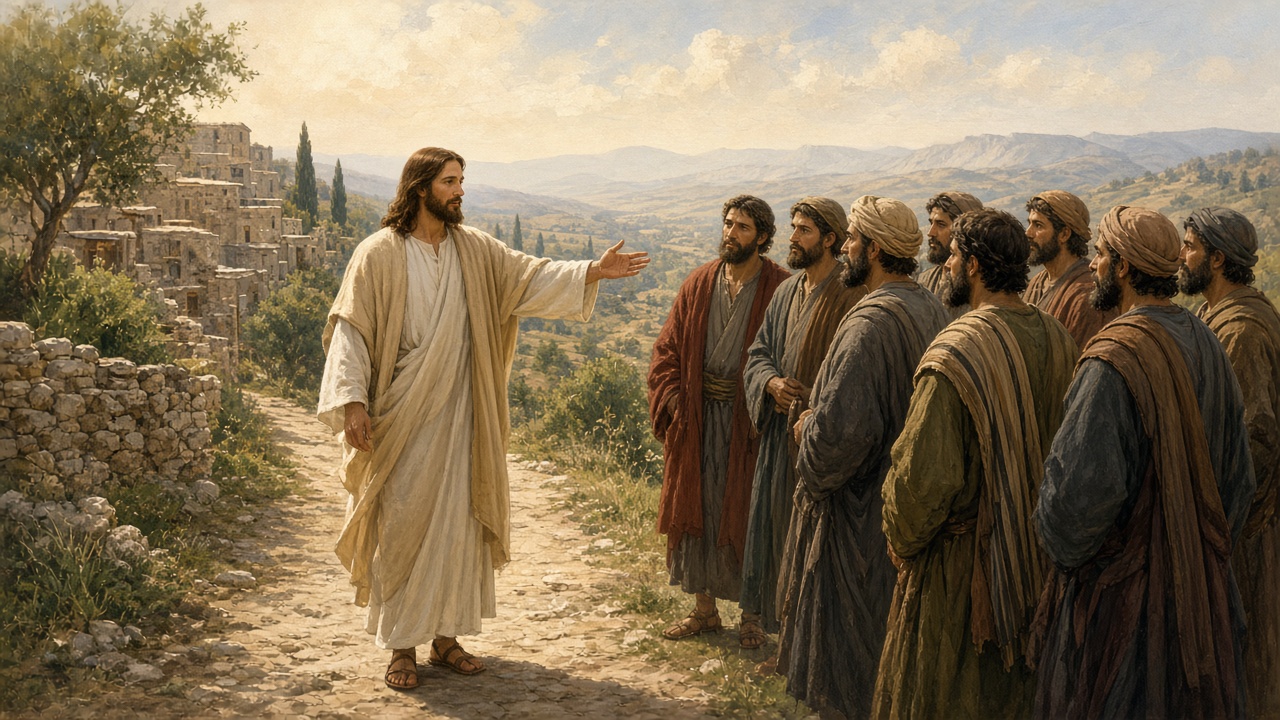
The Twelve Sent on Mission
- Simon, called Peter, and his brother Andrew—the first pair named among the twelve—were fishermen from Bethsaida, on the western coast of the Sea of Galilee. James and John, listed next, were sons of Zebedee, a Galilean fisherman who had his own boats and hired servants.Sources: the Bible text itself · Simon Peter · Andrew · Zebedee
- Matthew, identified in the list as the tax collector, was the son of Alphaeus and had formerly been known as Levi; he collected taxes at Capernaum, and the name Matthew means “gift of God.” Thomas, named beside him, was also called Didymus, the Greek equivalent of the Hebrew name, meaning “twin.” Bartholomew means “son of Tolmai” and is generally supposed to have been the same person as Nathanael.Sources: the Bible text itself · Matthew · Thomas · Bartholomew
- Jesus warns that the day of judgment will be more bearable for Sodom and Gomorrah than for a town that refuses the twelve apostles. Easton's Bible Dictionary (1897) describes those cities of the plain of Siddim as destroyed by fire and proverbial for wickedness, and places them, probably close together, near the northern end of what is now the Dead Sea.Sources: the Bible text itself · Sodom · Gomorrah
Notes written with AI assistance from open sources (Theographic Bible Metadata, CC BY-SA 4.0; Easton’s Bible Dictionary, public domain) and reviewed before publishing.
Credits and license for this translation
Lëk yam
New Testament in Dinka, Southwestern (SU:dik:Dinka, Southwestern)
copyright © 2006 Wycliffe Bible Translators, Inc.
Language: Dinka, Southwestern
Translation by: Wycliffe Bible Translators, Inc.
Dinka, Southwestern
dik
Sudan
Copyright Information
© 2006, Wycliffe Bible Translators, Inc. All rights reserved.
This translation text is made available to you under the
terms of the Creative Commons License: Attribution-Noncommercial-No Derivative Works.
( http://creativecommons.org/licenses/by-nc-nd/3.0/ )
In addition, you have permission to port the text to different file formats, as long as you
do not change any of the text or punctuation of the Bible.
You may share, copy, distribute, transmit, and extract portions
or quotations from this work, provided that you include the above copyright
information:
You must give Attribution to the work.
You do not sell this work for a profit.
You do not make any derivative works that change any of the actual words or punctuation of the Scriptures.
Permissions beyond the scope of this license may be
available if you contact
us with your request.
The New Testament
in Dinka, Southwestern
© 2006, Wycliffe Bible Translators, Inc. All rights reserved.
This translation is made available to you under the terms of the
Creative Commons Attribution-Noncommercial-No Derivatives license 4.0.
You may share and redistribute this Bible translation or extracts from it in any format, provided that:
You include the above copyright and source information.
You do not sell this work for a profit.
You do not change any of the words or punctuation of the Scriptures.
Pictures included with Scriptures and other documents on this site are licensed just for use with those Scriptures and documents.
For other uses, please contact the respective copyright owners.
2014-04-22
Source: http://ebible.org/dikNT/ · eBible.org