Luke 11
Lëk yam · Tap a verse to see its cross-references.
Jethu anyuth ɣo tɛ̈ bï ɣok aa röök thïn
1Ɣɔn akäl tök Jethu ë rɔ̈ɔ̈k, nawën cï rɔ̈ɔ̈kde jal thök, ke lueel raan tök kam kɔcken ye buɔɔth tënë ye, “Bɛ̈ny, piɔ̈ɔ̈c ɣo tɛ̈ bï ɣok aa röök thïn, cïmën wäär cï Joon raan kɔc muɔɔc nhïïm kɔcken ye buɔɔth piɔ̈ɔ̈c.” 2Go Jethu lɛ̈k ke, “Yakë lueel këlä tɛ̈ röök wek,
‘Wädan tɔ̈ nhial, bï riɛnku aleec.
Bï bäänydu bɛ̈n ɣoyiic.
3Muɔc ɣook miëth akölaköl.
4Ku päl adumuɔ̈ɔ̈mkua piny tënë ɣook,
rin ye ɣok wɛ̈t puɔ̈l tënë kɔc rɛc ɣook.
Ku duk ɣook cɔl athem kërac.’ ”
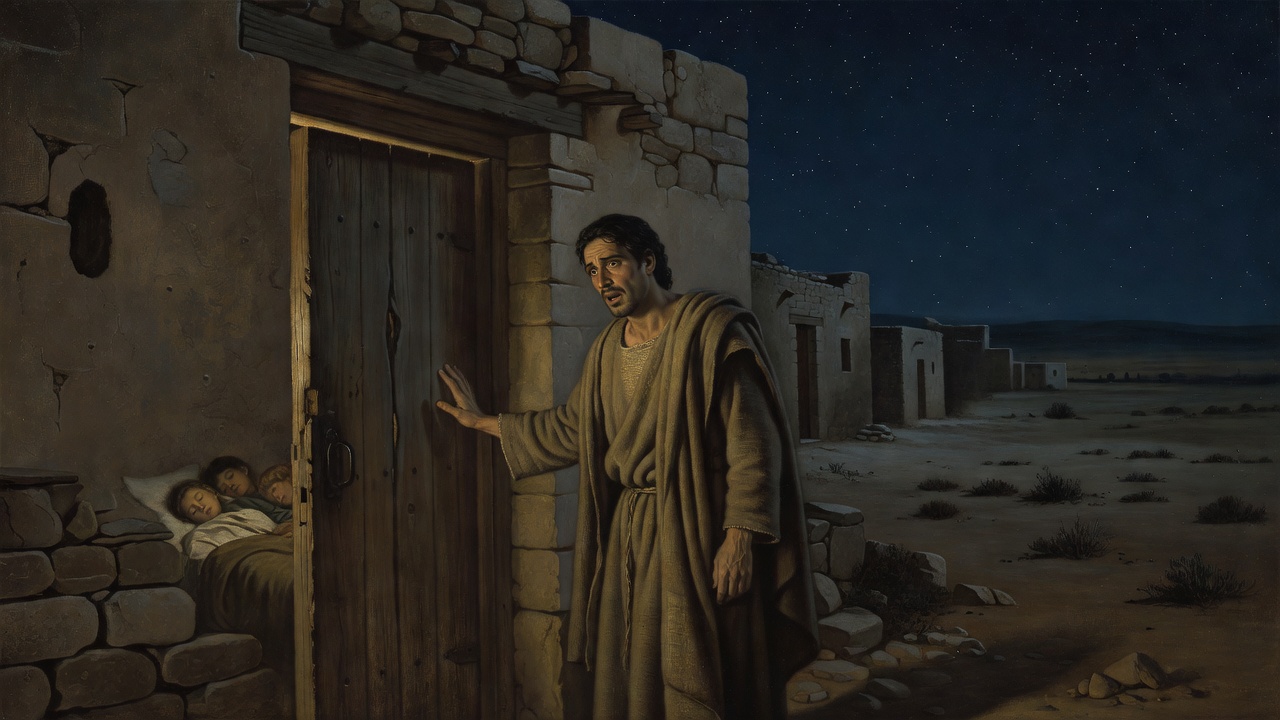
5Ku ben Jethu lɛ̈k kɔcken ye buɔɔth, “Tɛ̈dë, na yïn ala mäthdu ku lɔr tënë ye wakɔ̈u wɛ̈ɛ̈r ciɛl yic ku luel tënë ye, ‘Mäthdiɛ̈ gäm ɣa ayuɔ̈p kadiäk. Rin mäthdiɛ̈n cï la keny acï bɛ̈n paandiɛ̈, ku ɣɛn acïn miëth gäm ye.’ 7Ku bëër ɣööt alɔŋ thïn ku lueel, ‘Duk ɣa rɛ̈ɛ̈m nhom. Ɣöt acï gur thok, ku ɣok aacï tɔ̈c ɣok miɛ̈thkiɛ̈. Ɣɛn acïï rot ben jɔt ba yï gäm ayuɔ̈p.’ 8Ku la Jethu tueŋ ku lueel, na cɔk alɔn cïï monyë rot jɔt bï gäm ayuɔ̈p rin yen mäthdu, ka ŋot bï rot jɔt bï gäm kuat kë wïc, rin yïn acïï guɔ̈p bï riɔ̈ɔ̈c ë ye, ku lɔɔr tueŋ ke thiëc. 9Këya alɛ̈k we, thiëc, ku abï Nhialic gäm yï, na wïc këdäŋ tënë Nhialic ka yök. Ku ë tɛ̈de aya, na gut ɣöt thok, ka ŋany thok tënë yï. 10Raan thiëc aye gäm ke wïc, ku raan la kë wïc aye yök. Ku ɣöt aye ŋaany thok tënë raan wïc ye. 11Yeŋa kamkun na le meth, ku thiëëc manhde miëth ke gɛ̈m këpiiny tɛ̈ wïc yen rɛ̈c. 12Ku na wïc tuɔŋ ajïth, ke dɔm kiɛth ku gɛ̈m ye. 13Na ŋiɛckë wek kɔc ë luui kärɛc bäk miɛ̈thkun aa gäm käpath, ke cäk lëu bäk ŋic lɔn bï Wuurdun tɔ̈ nhial ye ŋic apɛi bï Wëi Nhialic tuɔ̈c kɔc thiëc ye.”
Jethu aye yɔ̈ɔ̈k lɔn le yen guɔ̈p jɔŋrac
14Naɣɔn akäl tök ke Jethu ë cop jɔŋrac wei raan guɔ̈p, ku ëcie jam. Nawën cï jɔŋë jäl yeguɔ̈p ke mony awën jam. Go thän awën tɔ̈ thïn gäi apɛi, 15ku lueel kɔc kɔ̈k, “Ee Beldhebul bɛ̈ny jakrɛc yen ë ye yiëk riɛl bï ke aa cuɔp wei.” 16Ku ë wïc kɔc kɔ̈k bïk deep wɛ̈t, ku thiëckë bï kënë jäŋ gɔ̈i looi, bï nyuɔ̈th ke lɔn ye Nhialic käkke gam. 17Ku Jethu ë ŋic kë yekë tak, go lɛ̈k ke, “Na tek kɔc paan tök keyiic ku thɛ̈rkë ë kamken, ke pan kënë abï riääk. Ku na tuum dhiënh tök yenhom aya ku thɛ̈rkë kamken ë röt, ke dhiënh kënë abï wɛɛr aya. 18Këya, na tek jakrɛc keyiic ku thɛ̈rkë ë kamken ke cïï thök? Ayakë lueel lɔn ye ɣɛn jakrɛc cuɔp wei riɛl ye Beldhebul gäm ɣa. 19Ku na ye riɛl Beldhebul yen ye ɣɛn jakrɛc cuɔp wei, ke ye riɛl ŋa yen ye kɔckun yakë buɔɔth ke cuɔp wei? Calkë ke aa lëk we yic. 20Ku na ye riɛl Nhialic yen ye ɣɛn jakrɛc cuɔp wei, ke ŋiɛckë lɔn cï bääny Nhialic bɛ̈n tënë we.
21“Na tit raan ril paande thok ë tɔɔŋ ku köt, ke käkke aacïï nyiɛɛi. 22Ku na mɛ̈t raan dɛ̈t ril, ka wer ye. Ku jɔl käk muk bï yen rot tiit nyaai ëbën, ku tek käk cï rum.
23“Raan këc rot mät ɣa acie raandiɛ̈, ku raan cïï ɣa kony bï kɔc lɛ̈k wɛ̈t Nhialic, ee kɔc thiɔ̈i.
24“Tɛ̈ cï jɔŋrac jäl raan guɔ̈p, ee piny yɔ̈ɔ̈p tɛ̈dɛ̈t bï yen lɔ̈ŋ thïn. Na cïn tɛ̈ yök, ka lueel, ‘Ɣɛn abï dhuk tënë raan wäär jiël ɣɛn thïn.’ 25Ku dhuk ku yök raan wäär, ke cït ɣön cï guiir yic apath, 26ku dhuk ku le bɛ̈n kek jakrɛc apɛi kɔ̈k kadhorou wär ye, ku lek yeguɔ̈p. Ku pïr ë raan kënë ë jäl rɛ̈ɛ̈c apɛi tënë pïrden tueŋ.”
27Kaam wën jiɛɛm yen këlä, ke tik jam röldït kɔc yiic ku lëk ye, “Tiŋ ë dhiëth yï ku muk yï amit guɔ̈p apɛi.”
28Go Jethu bɛ̈ɛ̈r ku lueel, “Ee yic, ku kɔc mit gup alanden aa kɔc wɛ̈t Nhialic piŋ ku loikë.”
Jethu akuec bï kënë jäŋ gɔ̈i looi
29Tɛ̈wën cï kɔc juëc kenhïïm kut Jethu lɔ̈ɔ̈m, ke lueel, “Yeŋö be riëëc akölë rɛ̈ɛ̈c këlä? Ee riëëc ye wïc bï kënë jäŋ gɔ̈i tïŋ. Ku acïn kë bï nyuɔ̈th ke. Ee kënë jäŋ gɔ̈i wäär cï rot looi tënë Jona yen abïk tïŋ. 30Cïmën wäär cï Jona raan käk Nhialic tïŋ jäl a kït tënë kɔc Ninibe, këya Manh Raan abï jäl a kït tënë kɔc akölë ëbën. 31Tiŋ bɛ̈ny wäär jiël pan Athia abï rot jɔt aköl luŋdït ku gɛ̈k riëëc akölë, rin cï yen jäl tɛ̈mec apɛi bï wël puɔth bɛ̈nyŋaknhom Tholomon la piŋ, ku ɣɛn jam kën, ɣɛn adït tënë Tholomon. 32Aköl luŋdït kɔc gen Ninibe aabï we gɔ̈k rin cï kek kepuɔ̈th waar, ku pälkë luɔi kärɛc wäär cï Jona ke lɛ̈k. Ku alɛ̈k we, ɣɛn jam kënë, ɣɛn adït tënë Jona.
Kɔc cï gam aacït awai ku mermer
33“Acïn raan cï mermer kaŋ ɣäth ɣöt ku kum nyin. Aye tɔ̈ɔ̈u tɛ̈n ye yen ɣöt mer yic thïn, bï piny amer tënë raan la ɣöt. 34Puɔ̈n path acït nyin path. Raan path nyin ë daai apath, acïï thöŋ kek raan cï cɔɔr cie daai apath. 35Këya, luɔikë röt bäk puɔ̈th la cök, ku duɔ̈kkë puɔ̈th cɔɔr. 36Na yïn aɣer puɔ̈u, ke yïn acït raan këc cɔɔr ë daai apath cïmën dhie ye mac piny riaal.”
Jethu ë kɔc piööc lööŋ ku Parathï lɛ̈k lɔn nhiɛɛm kek
37Nawën cï Jethu thök ë jam, ke cɔɔl raan töŋ akut Parathï paande bïk la mïth, go la ku nyuuc ku mïth ke këc yecin ku yecök lɔɔk cïmën ciɛɛŋ kɔc Itharel. 38Kënë, acï raan akut Parathï wën la baai bɛ̈n gɔ̈i apɛi. 39Go Jethu lueel tënë ye, “Wek kɔc akut Parathï, aa wegup aɣeer kek yakë lɔɔk, ku piäthkun aacï thiäŋ kärɛc apɛi. 40Kɔc cïn kë ŋiɛckë! Këc Nhialic yen cak guɔ̈p, puɔ̈u alɔŋthïn cak aya? 41Biökruɛɛl aye nyuɔɔth puɔ̈n ɣer tɛ̈ muɔɔc yïn kɔc, ku acie miɔ̈c ye yïn biökruɛɛl nyuɔɔth ë path.
42“Tɛ̈ rɛɛc yen thïn tënë we, kɔc akut Parathï. Wek aa Nhialic juɛ̈r kälik, käk cït tök ë thiäär yic käkkun yakë ke puur ë dum yiic, ku kuat wɛl kɔ̈k ëbën. Ku wɛ̈t la cök ku nhiɛ̈r Nhialic akuɔ̈ckë looi. Käkkä aa dhiɛlkë looi, ku luɔikë käkkä aya.
43“Tɛ̈ rɛɛc yen thïn tënë we, kɔc akut Parathï. Ayakë nhiaar bäk aa nyuc tueŋ thöc kɔcdït nhïïm tɛ̈n amat, ku ye we muɔ̈ɔ̈th athɛ̈ɛ̈k ɣɔ̈n ë ɣɔɔc yiic. 44Tɛ̈ rɛɛc yen thïn tënë we, wek aa thöŋ kek rɛ̈ŋ cïn kë ye ke ŋic, ye kɔc cath kenhïïm ë path, ku kärɛc cïk thiaan keyiic piiny aacïï ŋic.”
45Nawën, ke raan tök kɔc piööc ë lööŋ jɔt rot ku lueel tënë ye, “Bɛ̈ny, tɛ̈ jiɛɛm yïn këlä, ke yïn ë ɣo lat aya.”
46Go Jethu bɛ̈ɛ̈r, “Wek kɔc piööc ë lööŋ, kärɛc aa tit we aya. Wek aa kɔc piööc käril apɛi cie lëu bï ke looi. Ku wek aacie kɔc kony aya ë luɔiden. 47Tɛ̈ rɛɛc yen thïn tënë we. Awëëŋkui, wek aa rɛ̈ŋ path buth tënë kɔc käk Nhialic tïŋ, kɔc wäär nɛ̈k wärkun dït. 48Acäk gam lɔn këwäär cï wärkun dït looi apath, ku na we tɔ̈ thïn ŋuɔ̈t wek cï näk aya. Rin aacï kɔc käk Nhialic tïŋ nɔ̈k ku buɔ̈thkë räŋken. 49Ku rin ë wɛ̈t kënë yen acï Nhialic ye lɛ̈k we ëlä, ‘Wek aaba tuɔ̈c kɔc käkkiɛ̈ tïŋ ku atuuc. Ku wek aabï kɔc kɔ̈k nɔ̈k ku cuɔpkë kɔc kɔ̈k wei.’ 50Riëëc akölë abï tɛ̈m awuɔ̈c rin cï yen kɔc käk Nhialic tïŋ nɔ̈k tɛ̈wäär cɛk piny ɣëët ëmën, 51jɔɔk ë nääk Abel ɣet nääk Dhäkaria wäär näk luaŋ Nhialic. Ku ben Jethu lɛ̈k ke, riëëc akölë abï tɛ̈m awuɔ̈c rin ë käkkä ëbën!
52“Tɛ̈ rɛɛc yen thïn tënë we, wek aa yic moony tënë kɔc ku acäk ye gam kek week ë röt. Ku wek aa kɔc kɔ̈k wïc yic bïk gam gël!”
53Nawën wïc Jethu bï jäl, ke jiëëm kɔc akut Parathï ku kɔc piööc lööŋ guɔ̈p apɛi, ku thiëckë wël juëc ku wïckë bï ke dhiɛl dhuk nhïïm, 54rin wïc kek ye bïk deep wɛ̈t bïk dɔm, tɛ̈ le yen wɛ̈t rɛɛc lueel.
Did you know?
Prayer, Signs, and Woes
- Jesus speaks of the blood of all the prophets, from the blood of Abel to the blood of Zechariah, who was killed between the altar and the sanctuary. Abel was the second son of Adam and Eve and was killed by his brother Cain. Easton's Bible Dictionary (1897) identifies this Zechariah as the son or grandson of the high priest Jehoiada, stoned at the king's command in the court of the house of the Lord after he condemned the king and the people, and notes that Jesus alludes to that murder in this chapter.Sources: the Bible text itself · Abel · Zacharias
- Jesus says this generation will be given no sign except the sign of Jonah: as Jonah was a sign to the Ninevites, so the Son of Man will be a sign to this generation, and the men of Nineveh, who repented at his preaching, will condemn it at the judgment, because someone greater than Jonah is here. Easton's Bible Dictionary (1897) describes Jonah, son of Amittai of Gath-hepher, as a prophet of Israel and a missionary to Nineveh, and calls him a type of the Son of Man. It describes Nineveh as a great and populous city, the flourishing capital of the Assyrian empire.Sources: the Bible text itself · Jonah · Nineveh
- After Jesus drives out a demon that was mute, some say he does it by Beelzebul, the prince of the demons. Easton's Bible Dictionary (1897) explains the name Satan as adversary or accuser, says the New Testament uses it interchangeably with the devil, and lists Beelzebub among his titles. Jesus answers that every kingdom divided against itself will be laid waste, and asks how Satan's kingdom can stand if Satan is divided against himself.Sources: the Bible text itself · Satan
Notes written with AI assistance from open sources (Theographic Bible Metadata, CC BY-SA 4.0; Easton’s Bible Dictionary, public domain) and reviewed before publishing.
Places in this chapter
Only places identified with high confidence are shown (90% or more according to the scholarly sources compiled by OpenBible). Period map: DARE (Digital Atlas of the Roman Empire), CC BY 4.0; modern map: © OpenStreetMap contributors; places: OpenBible.info (CC BY 4.0).
Credits and license for this translation
Lëk yam
New Testament in Dinka, Southwestern (SU:dik:Dinka, Southwestern)
copyright © 2006 Wycliffe Bible Translators, Inc.
Language: Dinka, Southwestern
Translation by: Wycliffe Bible Translators, Inc.
Dinka, Southwestern
dik
Sudan
Copyright Information
© 2006, Wycliffe Bible Translators, Inc. All rights reserved.
This translation text is made available to you under the
terms of the Creative Commons License: Attribution-Noncommercial-No Derivative Works.
( http://creativecommons.org/licenses/by-nc-nd/3.0/ )
In addition, you have permission to port the text to different file formats, as long as you
do not change any of the text or punctuation of the Bible.
You may share, copy, distribute, transmit, and extract portions
or quotations from this work, provided that you include the above copyright
information:
You must give Attribution to the work.
You do not sell this work for a profit.
You do not make any derivative works that change any of the actual words or punctuation of the Scriptures.
Permissions beyond the scope of this license may be
available if you contact
us with your request.
The New Testament
in Dinka, Southwestern
© 2006, Wycliffe Bible Translators, Inc. All rights reserved.
This translation is made available to you under the terms of the
Creative Commons Attribution-Noncommercial-No Derivatives license 4.0.
You may share and redistribute this Bible translation or extracts from it in any format, provided that:
You include the above copyright and source information.
You do not sell this work for a profit.
You do not change any of the words or punctuation of the Scriptures.
Pictures included with Scriptures and other documents on this site are licensed just for use with those Scriptures and documents.
For other uses, please contact the respective copyright owners.
2014-04-22
Source: http://ebible.org/dikNT/ · eBible.org