Luke 10
Lëk yam · Tap a verse to see its cross-references.
Luɔi kɔc thiärdhorou ku rou
1Nawën ë kënë cök, ke Jethu kuany kɔc kɔ̈k kathiärdhorou ku rou kam kɔc ye buɔɔth, ku tooc ke tueŋ bï kɔc karou aa cath, bïk la gɛɛth ku bɛ̈ɛ̈i ke bï yen la thïn yiic. 2Ku lëk ke, “Käk tem ajuëc ku kɔc luɔi aa lik. Rɔ̈ɔ̈kkë Bɛ̈ny la nhom käk tem bï kɔc luɔi cɔl aa juak röt. 3Lak! Ku ŋiɛckë, wek atuɔɔc cïmën amɛ̈l ë kam gal. 4Duɔ̈kkë wëëu ku jɔkgɔɔ ku war kɔ̈k muk. Ku duɔ̈kkë ye kɔ̈ɔ̈c dhɔ̈l yiic bäk kɔc aa muɔ̈ɔ̈th. 5Tɛ̈ ɣeet wek baai ke kaŋkë lueel, ‘Kɔc baai yakë dɔ̈ɔ̈r.’ 6Ku na ye kɔc rɛ̈ɛ̈r ë pan kɔc nhiar dɔ̈ɔ̈r, ke rɔ̈ɔ̈kkun aabï ke dɔɔc. Ku na yekë kɔc man dɔ̈ɔ̈r, ke rɔ̈ɔ̈kkun aacïï ke bï kony. 7Ku yakë rëër ë pan ku miëthkë ku dɛ̈kkë käk yekë yiëk we, rin apath bï raan lui ariɔ̈pde yök. Duɔ̈kkë ye jäl pan ku lak pan. 8Na lor kɔc gen cï wek la thïn we, ke we cam kuat miëth cïk gäm we. 9Ku kuɔnykë kɔc tuany ku lɛ̈kkë ke, ‘Bääny Nhialic acï thiɔ̈k ke we.’ 10Ku na lak gen cïï we ye lor thïn, ke we jiël ku luɛlkë, 11‘Ɣok aabï tɔr gɛndun tɛŋ wei ɣocök bï döŋ kek we.’ Ku dhiɛlkë deet apath, bääny Nhialic acï thiɔ̈k. 12Awuɔ̈c bï Nhialic tɛ̈m kɔc Thidon aköl luŋdït abï kuur tënë awuɔ̈c bï tɛ̈m kɔc ë gen.
Gɛɛth këc luɔi kärɛc puɔl thin
13“Wek kɔc gen Koradhin ku Bethaida, wek aa tiit kärɛc apɛi, rin käjuëc jäŋ gɔ̈i cäk tïŋ cï ke looi gɛɛthkun yiic, ku ke cï looi Tire ku Thidon, gɛɛth wäär ceŋ kɔc rac, ŋuɔ̈t kɔc ë gɛɛthkä aacï kepuɔ̈th dhuɔ̈k ciëën thɛɛr, ku pälkë luɔi kärɛc. 14Ku Nhialic abï we tɛ̈m awuɔ̈cdït Aköl luŋdït, awuɔ̈c bï dït apɛi tënë awuɔ̈c bï tɛ̈m kɔc Tire ku Thidon. 15Ku wek kɔc Kapernaum yakë tak lɔn bï we jat nhial? Wek aabï cuat pan mac.”
16Ku lueel Jethu tënë kɔc wën cï tooc, “Raan piŋ wɛ̈tdun ë wɛ̈tdiɛ̈ piŋ, ku raan we dhɔ̈l gup acä dhɔ̈l guɔ̈p, ku raan dhäl ɣaguɔ̈p ë raan toc ɣa dhɔ̈l guɔ̈p.”
Kɔc wën cï tooc aacï dhuk
17Go kɔc thiärdhorou ku rou wën dhuk ke cï puɔ̈th miɛt ku luelkë, “Bɛ̈ny agut jakrɛc aya aacï wɛ̈tda piŋ ë riɛnku.” 18Go Jethu lɛ̈k ke, “Riɛl jɔŋrac acï riääk ku tiɛ̈ŋ ke lööny piny cïmën many nhial. 19Wek aca yiëk riɛl bï wek aa cath käpiɛny ku kith nhïïm ë path. Ku wek aca yiëk riɛl wɛ̈r wek alɛikun ku kɔc man we. Ku acïn kë kɔŋ we nɔ̈k. 20Ku duɔ̈kkë puɔ̈th jɔl miɛt rin cï jakrɛc wɛ̈tdun piŋ, miɛtkë puɔ̈th rin cï riɛnkun gɔ̈t pan Nhialic.”
Jethu amit puɔ̈u
21Nawën ke Wëi Nhialic cɔl Jethu amit puɔ̈u ku lueel, “Wä, Bɛ̈ny nhial ku piny! Yïn alɛɛc rin cï yïn käk cï thiaan tënë kɔc ŋic käŋ cï piöc, nyuɔ̈th kɔc kor këc piöc. Ee tɛ̈de, Wä, yen ë kën yï yuum puɔ̈u. 22Këriëëc ëbën aacï Wä gäm ɣa. Acïn raan ŋic Wënde ë Wun ë rot, ku acïn raan ŋic Wun ë Wënde ku kɔc cï Wënde lɔc bï nyuɔ̈th ke.”
23Tɛ̈wën rëër Jethu kek kɔcken ye buɔɔth ë röt, ke wël yenhom ke ku lueel, “Wek aala gup duaar bäk käk tiɛ̈ŋkë tïŋ. 24Ku alɛ̈k we, ëcï kɔc juëc käk Nhialic tïŋ ku bänydït wïc bïk käk yakë tïŋkä tïŋ, ku aa këckë ke tïŋ. Ku ë cïk wïc aya bïk käk yakë piŋ, piŋ, ku aa këckë ke piŋ.”
Kääŋ raan path pan Thamaria
25Raan piööc ë löŋ kɔc Itharel, ëcï bɛ̈n ku wïc bï Jethu deep ë wɛ̈t ku thiëëc, “Raan piööc, yeŋö ba looi ba pïr akölriëëc ëbën pan Nhialic?” 26Go Jethu bɛ̈ɛ̈r, “Ye Löŋ Mothith lueel këdë ë wɛ̈t kënë? Yeŋö ye deet yic thïn?”
27Go bɛ̈ɛ̈r, “Yïn adhil Nhialic Bänydu nhiaar yïpuɔ̈u ëbën, ku wɛ̈iku ëbën, ku yïnhom ëbën, ku nhiar raan dɛ̈t cïmën nhiɛɛr yïn rot.”
28Go Jethu lueel, “Aca ŋiɛc bɛ̈ɛ̈r. Loi käkkä, ku pïr pan Nhialic akölriëëc ëbën aba yök.”
29Go monytui wïc bï wɛ̈t deet apath rin wïc yen ye bï rot kony, ku ben Jethu thiëëc, “Raandiɛ̈n ba nhiaar yeŋa?”
30Go Jethu bɛ̈ɛ̈r ku lueel, “Monytui, ke ye raan Itharel, ëcï jäl Jeruthalem bï la Jeriko. Go rɔ̈m ke cuɛ̈r dhël yic ku rumkë aläthke ku wɛ̈ɛ̈uke ëbën, ku näkkë ku jɔlkë nyääŋ piny ke duër thou. 31Nawën ke raan käk Nhialic, ke ye raan Itharel, bɔ̈ ke kuany dhël kënë yic, go monytui tïŋ ku wɛɛn thok piiny. 32Nawën ke raan dhiënh Lebï ben bɛ̈n, go mony kënë tïŋ ku bɛ̈r. 33Go raan pan Thamaria bɛ̈n ke kuany ë dhël kënë yic. Nawën tïŋ mony kënë piiny ke ŋɛɛr yic. 34Go rot cuɔ̈t ye, ku muɔɔc ɣɔ̈ntöök yiic miök ku muɔ̈n abiëc ku der keyiic, ku jɔt akaja kɔ̈u ku ɣɛ̈th pan jɔ̈ɔ̈l, ku rëër yelɔ̈ɔ̈m ë wɛ̈ɛ̈r wën. 35Naɣɔn nhiäk, ke gɛm wëëu tënë raan lui pan jɔ̈ɔ̈l ku lëk ye, ‘Lök mony kën töök apath, na la dhuk ku le wëëu ca lɔ̈k muɔ̈r ë riɛnke tɛ̈ lik wɛ̈ɛ̈ukiɛ̈, ka ba bɛ̈n cool.’ ”
36Ku wit Jethu wɛ̈tde ku lueel ëlä, “Na ye yï, ke raan cï cuɛ̈r baŋ, yeŋa kam kɔc awën kadiäk ë raande?” 37Go lueel, “Raan cï ye kony yen ë raande.” Go Jethu lueel, “Lɔɔr, ku ye luui këya.”
Martha kek Maria
38Tɛ̈wën ciɛth Jethu kek atuɔ̈ɔ̈cke ke la Jeruthalem, gokë nyuc gen thiin tɔ̈ dhël yic. Go tiŋ cɔl Martha ke ɣäth baai. 39Ku Martha a la nyankën cɔl Maria, cï bɛ̈n nyuc Jethu lɔ̈ɔ̈m bï piɔ̈ɔ̈cde piŋ. 40Go Martha puɔ̈u riääk rin këc Maria ye kony luɔi miëth tënë jɔ̈ɔ̈l. Go bɛ̈n tënë Jethu ku lueel, “Bɛ̈ny, ye këpath yen looi nyankäi cï yen ɣa päl luɔi ë rot tɛ̈thɛɛr awën? Lɛ̈k ye bä bɛ̈n kony.”
41Go Bänyda bɛ̈ɛ̈r ku lueel, “Yïn Martha, yïn adiɛɛr rin awïc ba käjuëc tɔ̈ yïpuɔ̈u looi ëbën, 42ku ë tök yen aril, Maria acä abaŋ ŋuɛ̈ɛ̈n kuɛ̈ny bei, ku acïï bï nyaai tënë ye.”
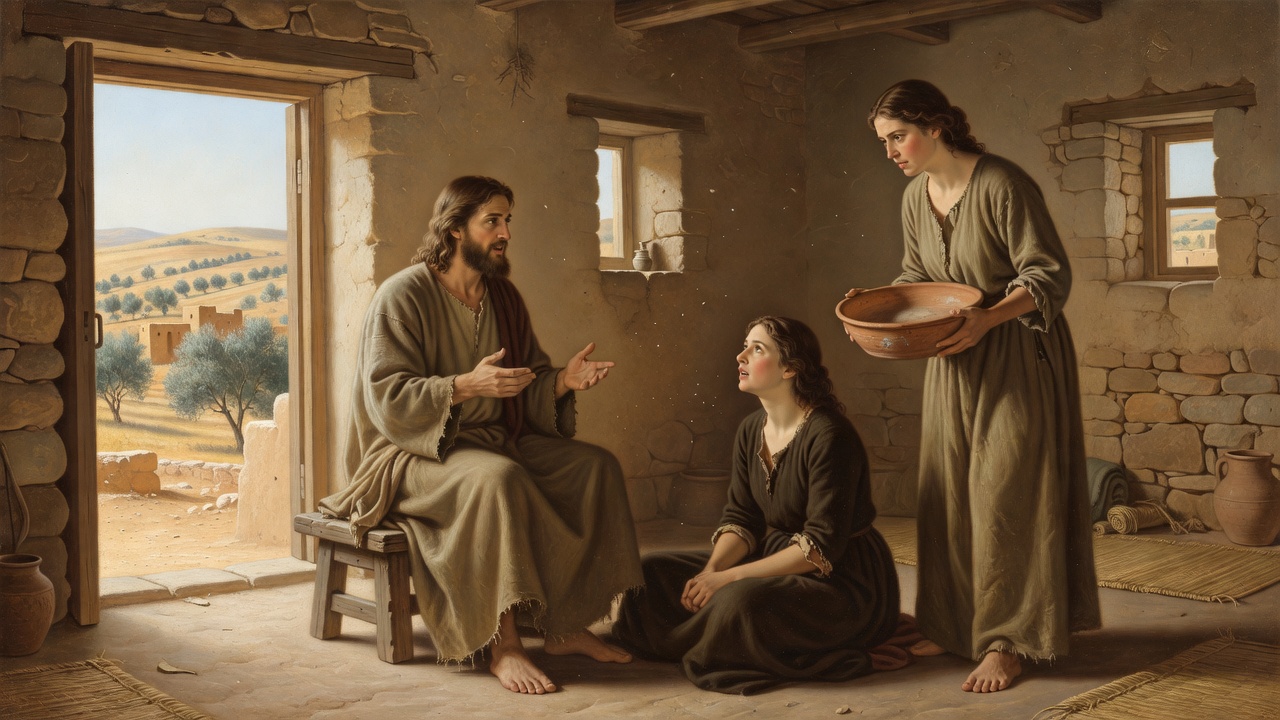
Did you know?
The mission, the towns, and Martha and Mary
- Easton's Bible Dictionary (1897) identifies Chorazin, named in this chapter's woes along with Bethsaida and Capernaum, with Kerazeh, about two and a half miles up the Wady Kerazeh from Capernaum. It says that after Jesus was expelled from Nazareth, Capernaum became his own city. The chapter compares those towns with Tyre and Sidon; the dictionary calls Sidon the first home of the Phoenicians on the coast of Palestine and the mother city of Tyre, about twenty-five miles north of Tyre.Sources: the Bible text itself · Chorazin · Capernaum · Sidon
- Easton's Bible Dictionary (1897) gives the name Martha as meaning bitterness, and says that she, her sister Mary, and their brother Lazarus lived at Bethany, with Martha probably the eldest. Because this passage calls the house hers, the dictionary notes that some have supposed she was a widow and that her brother and sister lodged with her. It describes her as anxious and bustling in caring for her guest, unlike Mary, who sat at Jesus' feet and listened.Sources: the Bible text itself · Martha · Mary (sister of Lazarus)
- The Lord appoints seventy-two others and sends them two by two ahead of him, and an event chronology dates that sending to AD 29. When they return, rejoicing that even the demons submit in his name, he says he saw Satan fall like lightning from heaven. Easton's Bible Dictionary (1897) explains the name Satan as adversary or accuser, and notes that the New Testament uses it interchangeably with the devil more than thirty times.Sources: the Bible text itself · 70 Sent Out · Satan
Notes written with AI assistance from open sources (Theographic Bible Metadata, CC BY-SA 4.0; Easton’s Bible Dictionary, public domain) and reviewed before publishing.
Places in this chapter
- Sidon · Today: Sandikli archaeological site in Sidon · 33.561, 35.372 · verses 13, 14
- Tyre · 33.271, 35.196 · verses 13, 14
- Jericho · Today: Tell el Alayiq · 31.852, 35.436 · verse 30
- Jerusalem · 31.777, 35.234 · verses 30, 38
Only places identified with high confidence are shown (90% or more according to the scholarly sources compiled by OpenBible). Period map: DARE (Digital Atlas of the Roman Empire), CC BY 4.0; modern map: © OpenStreetMap contributors; places: OpenBible.info (CC BY 4.0).
Credits and license for this translation
Lëk yam
New Testament in Dinka, Southwestern (SU:dik:Dinka, Southwestern)
copyright © 2006 Wycliffe Bible Translators, Inc.
Language: Dinka, Southwestern
Translation by: Wycliffe Bible Translators, Inc.
Dinka, Southwestern
dik
Sudan
Copyright Information
© 2006, Wycliffe Bible Translators, Inc. All rights reserved.
This translation text is made available to you under the
terms of the Creative Commons License: Attribution-Noncommercial-No Derivative Works.
( http://creativecommons.org/licenses/by-nc-nd/3.0/ )
In addition, you have permission to port the text to different file formats, as long as you
do not change any of the text or punctuation of the Bible.
You may share, copy, distribute, transmit, and extract portions
or quotations from this work, provided that you include the above copyright
information:
You must give Attribution to the work.
You do not sell this work for a profit.
You do not make any derivative works that change any of the actual words or punctuation of the Scriptures.
Permissions beyond the scope of this license may be
available if you contact
us with your request.
The New Testament
in Dinka, Southwestern
© 2006, Wycliffe Bible Translators, Inc. All rights reserved.
This translation is made available to you under the terms of the
Creative Commons Attribution-Noncommercial-No Derivatives license 4.0.
You may share and redistribute this Bible translation or extracts from it in any format, provided that:
You include the above copyright and source information.
You do not sell this work for a profit.
You do not change any of the words or punctuation of the Scriptures.
Pictures included with Scriptures and other documents on this site are licensed just for use with those Scriptures and documents.
For other uses, please contact the respective copyright owners.
2014-04-22
Source: http://ebible.org/dikNT/ · eBible.org