Luke 12
Lëk yam · Tap a verse to see its cross-references.
Duk riɔ̈c luel yic
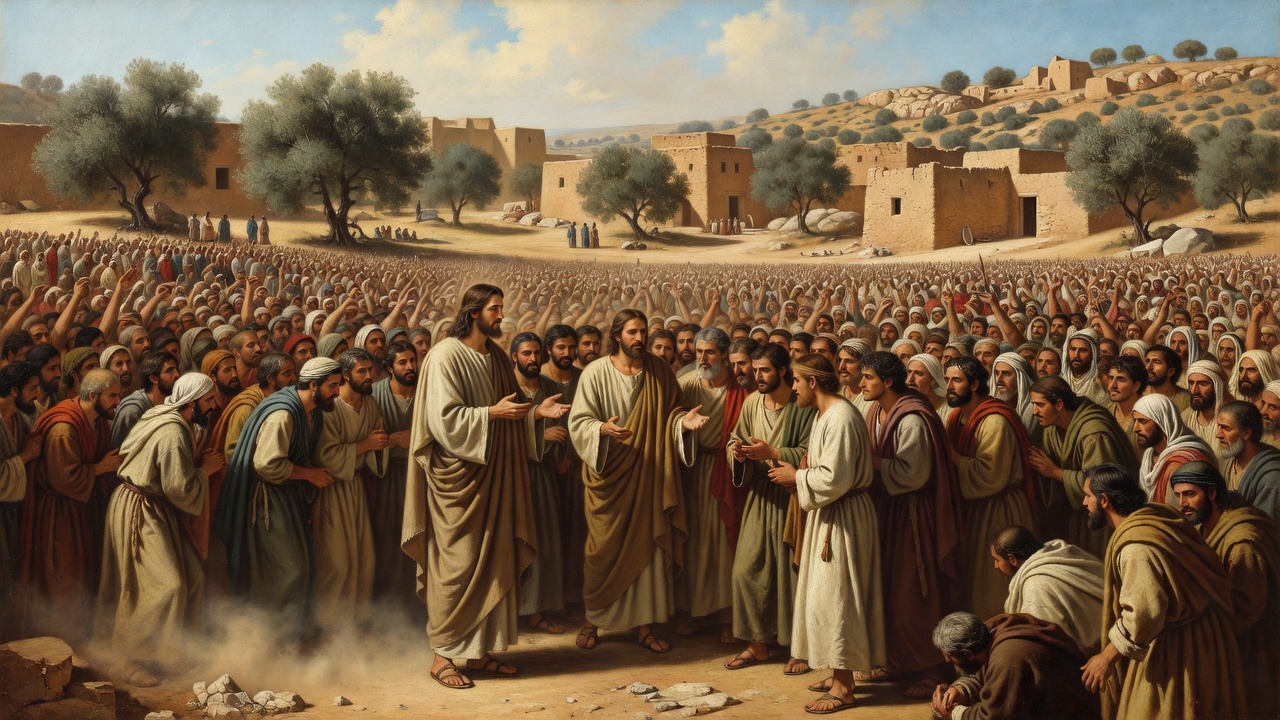
1Wën cï käkkä röt looi, ke kɔc juëc apɛidït aake cï kenhïïm kut Jethu lɔ̈ɔ̈m abï ciɛ̈n tɛ̈ ye cök cak la piny. Tɛ̈wën ke Jethu kɔŋ jam tënë kɔcken ye buɔɔth ku lëk ke, “Tiɛtkë röt, ku duɔ̈kkë ye luui cïmën kɔc akut Parathï, kɔc ë kɔc ruëëny. 2Acïn kë ye moony arɛ̈k abï cïï tiɛ̈c. Tɛ̈dë ke lëu bï këdäŋ thiaan abï cïï ŋic. 3Na cɔk a wɛ̈t luel wakɔ̈u ka ŋot piŋ nhiäk aköl. Ku këriëëc ëbën cäk ŋääi weyïth ɣööt alɔŋthïn ke ɣöt cï thiöök thok aŋot ye kɔc kɔ̈k piŋ.
4“Ku alɛ̈k we wek mäthkiɛ̈, duɔ̈kkë riɔ̈c kɔc guäpkun nɔ̈k ë path. Aa we nɔ̈k ku na lä ka cïn këdɛ̈t ben kë looi. 5Ee Nhialic yen adhil kɔc riɔ̈ɔ̈c, rin na cï nɔ̈k ka la riɛl aya bï cuat pan mac. Alɛ̈k we, ee Nhialic ë rot yen adhil kɔc riɔ̈ɔ̈c. 6Diɛt thii kor kadhiëc cït amuɔ̈r, cïï ke ye ɣɔɔc wëëu lik? Ku acïn tök ë kamken cï Nhialic kaŋ muɔ̈r nhom, 7agut nhïmkun tɔ̈ yïnhom aŋic Nhialic akuɛ̈nden. Duɔ̈kkë riɔ̈c, wek aa awär amuɔ̈r juëc.
8“Alɛ̈k we, raan ye gam kɔc nhïïm lɔn ye yen raan Manh Raan, aba gam aya lɔn ye yen raandiɛ̈ atuuc Nhialic nhïïm. 9Ku raan jɛi kɔc nhïïm lɔn cïï yen ye raandiɛ̈, abï Manh Raan kuec aya atuuc Nhialic nhïïm.”
10Ku ben Jethu lɛ̈k ke, “Kuat raan wɛ̈t rac luɛɛl Manh Raan guɔ̈p abï päl piny tënë ye, ku raan lueel kërac Wëi Nhialic guɔ̈p, acïï bï kaŋ päl piny tënë ye.
11“Tɛ̈ ɣɛ̈th yï tɛ̈n amat luk yic, bäny dït ku bäny kor nhïïm, duk diɛɛr tɛ̈ bï yïn rot kuɔny thïn ku wɛ̈t ba lueel, 12rin Wëi Nhialic abï cɔl aŋic kë ba lueel.”
Raan ajak kuc käŋ
13Go mony dɛ̈t rot jɔt kɔc yiic ku lueel, “Bɛ̈ny lɛ̈k wämääth bä yiëk abäkkiɛ̈ käk cï wä nyäŋ ɣo yiic.” 14Go Jethu bɛ̈ɛ̈r, “Mäthdiɛ̈, yeŋa cä kuany ba ya bɛ̈ny, ba käŋ tɛ̈k we?” 15Ku lëk kɔc awën tɔ̈ thïn, “Tiɛtkë röt, duɔ̈kkë jiɛɛk cɔl arum wepuɔ̈th. Acïn raan rëër piɛ̈rde yecin cɔk alɔn le yen käjuëc.”
16Ku lëk ke kääŋ kënë, “Thɛɛr raan ajak ë tɔ̈ thïn, ku duɔmde ëcï luɔk rap juëc apɛi. 17Go jal jam ku lueel, ‘Yeŋö ba jal looi? Ɣɛn acïn duël lääu yic bï ɣɛn ke tɔ̈ɔ̈u thïn.’ 18Nawën ke tɛk ku lueel, ‘Kë ba looi akïn. Duël kënë aba ŋaany, ku bɛn duëldït apɛi looi bï ɣɛn rap ku käk kɔ̈k baai tääu thïn. 19Ku jal lɛ̈k rot ɣatök. Mony mit guɔ̈p, yïn ala mïïth juëc apɛi bï run juëc nɔ̈k, jɔl pïr apath, miëthë ku dɛ̈kkë, ku jɔl puɔ̈u miɛt!’ 20Go Nhialic lɛ̈k ye, ‘Raan kuc käŋ! Ee wɛ̈ɛ̈r kënë, yïn abï thou ku käjuëc ca täu rot kë, bïk lɔ̈k aa käk ë ŋa?’ ”
21Ku wit Jethu wɛ̈tde ëlä, “Kënë, yen ë rot looi tënë kɔc käjuëc tɔ̈ɔ̈u ë riɛnken, ku acïn jiɛɛk Nhialic tɔ̈ kepuɔ̈th.”
Raan adhil Nhialic ŋɔ̈ɔ̈th
22Ku wël Jethu yenhom kɔcken ye buɔɔth ku lueel, “Këya alɛ̈k we, bäk röt cïï cɔl anɛ̈k diɛɛr kë bäk cam bäk pïr. Ku diɛɛrkë aya käk bäk ceŋ. 23Wëi aŋuɛ̈ɛ̈n tënë miëth, ku guɔ̈p raan aŋuɛ̈ɛ̈n tënë alɛ̈th. 24Daaikë diɛt pär nhial, aacie pur rap ku temkë ke, ku tɛ̈ɛ̈ukë ke atuɔk yic, ku aa ŋot ke pïr rin ye Nhialic ke yiëk miëth. Ku wek aa ŋuɛ̈ɛ̈n apɛi tënë ke. 25Yeŋa kamkun na diir ë wɛ̈ike ke juak ruɔ̈nke? 26Na cäk käk thiikä ye lëu, yeŋö ye wek diɛɛr käk kɔ̈k? 27Tiɛ̈ŋkë yɔ̈k cil tɛ̈ dhëëŋ kek thïn, aacie luui ku aacie luui alɛ̈th. Ku alɛ̈k we na cɔk a bɛ̈nyŋaknhom Tholomon cïmënden wäär ë bäänyde yic, ëcïï la alɛ̈th la kït dhëŋ cïmën yäŋ tök ë yɔ̈kkë yiic. 28Ku na ye Nhialic wɛl cil ë path cɔl adhëŋ këlä, wɛl tɔ̈ thïn akölë ku na nhiäk nïn lik ke ril wei ku took ke mac, ke Nhialic cïï we bï kuɛ̈ɛ̈c nhïïm, wek aa kɔc la gam thin koor.
29“Duɔ̈kkë wenhïïm ye yiëk kë bäk cam ku kë dɛkkë akölaköl. 30Aa kɔc kuc wɛ̈t Nhialic pinynhom ë tɛ̈n kek aa kepuɔ̈th yiëk käkkä. Ku Nhialic Wuurdun aŋic lɔn wïc wek käkkä. 31Na ye këya, yakë ke wïc käk bääny Nhialic, ku aabï yiëk we aya.
Jiɛɛk cie rop atɔ̈ pan Nhialic
32“Duɔ̈kkë riɔ̈c wek kɔc buɔth ɣa rin Wuurdun amit puɔ̈u bï we yiëk ë bäänyë. 33Ɣaackë käkkun ku gämkë wëëu kɔc ŋɔ̈ŋ. Kënë abï jaakdun juak yic pan Nhialic. Ku jiɛɛk pan Nhialic acie thök, ku acie riääk cïmën jiɛɛk pinynhom, rin acïn cuɛ̈r tɔ̈ thïn. Ku acïï aruɔp ye rac. 34Ku piändu abï ya rëër akölaköl tɛ̈ tɔ̈u jaakdu thïn.
Rɛ̈ɛ̈r yï cï rot guiir
35“Rɛ̈ɛ̈r yï cï rot guiir akölaköl, ku rɛ̈ɛ̈r yï muk mermer rin kuat kë bï rot looi bï yök wakɔ̈u, 36cïmën alony lui baai tit bänyden cï la yan thiëëk yic ke bï dhuk baai. Na bï ke go ɣöt guɔ ŋaany thok tënë ye. 37Aloony mit gup aa loony ye bänyden yök ke tït tɛ̈ dhuk yen baai. Alëk we alanden, bɛ̈ny abä alanhden luɔi ruɔ̈k, ku cɔl ke aa nyuc bïk mïth ku luui tënë ke. 38Tɛ̈dë, ke bɛ̈ny abï dhuk baai wɛ̈ɛ̈r ciɛl yic, tɛ̈dë ke dhuk bɛ̈ɛ̈k ë piny. Ku aloony mit gup aa loony bï bäny yök ke tït. 39Wek aa lëu kënë bäk deet yic ë röt. Na raan ye wɛ̈ɛ̈r alɔŋ bï cuär bɛ̈n ŋic, ka rɛ̈ɛ̈r ke yiën bï cuär käkke cïï kual. 40Ke week aya rɛ̈ɛ̈rkë we tït, rin wek aa kuc aköl bï Manh Raan bɛ̈n.”
41Go Pïtɛr lueel, “Bɛ̈ny, ye ɣok lɛ̈k ë kääŋ kënë aye kɔc ëbën?” 42Go Bɛ̈ny dhuk nhom ku lueel, “Na ye këya, yeŋa alony path ku ŋic käŋ apɛi? Yeen alony bï bɛ̈ny nyääŋ käkke yiic paande, bï kacke ya gäm miëth akölaköl. 43Alony mit guɔ̈p alony bï bɛ̈ny yök ke loi luɔide apath tɛ̈ dhuk yen. 44Alëk we, abï alony kënë tääu käkke yiic ëbën. 45Ku na ye alony ye tak lɔn cïï bänyde bï lac dhuk. Ku ye rëër ke näk aloony kɔ̈k, röör ku diäär. Ku ye cool ke mïth ku dëk abï wiɛɛt. 46Ke bänyde abï la luät yeguɔ̈p aköl cïï ye tak lɔn yen aköl bï yen bɛ̈n. Ku yeen abï bɛ̈ny tɛ̈m awuɔ̈cdït ku mɛt tɛ̈ rëër kɔc rɛc thïn.
47“Ku aluaŋ ŋic kë wïc bänyde bï looi, ku rëër ke cïï rot guir bï kë wïc bɛ̈ny looi, ka bï tɛ̈m awuɔ̈cdït apɛi. 48Ku aluaŋ kuc kë wïc bänyde ku looi awuɔ̈c bï yen that thïn, ka bï ya awuɔ̈c koor. Käjuëc aa wïc tënë raan cï gäm käjuëc, ku raan cï gäm käjuëc apɛi awïc käjuëc apɛi tënë ye. 49Ɣɛn acï bɛ̈n ba piny bɛ̈n cuɔ̈ny. Ku anhiaar diɛ̈t cï dëp thɛɛr. 50Ɣɛn atiit kërac apɛi, ɣɛn abï gum ku rem ɣa apɛi ɣet aköl bï kënë thök. 51Yakë tak lɔn cï ɣɛn bɛ̈n ba dɔ̈ɔ̈r bɛ̈n looi pinynhom? Alɛ̈k we acie ye. Ee lɔn bï kɔc keyiic tek. 52Many la yic kɔc kadhiëc abï yeyic tek. Kɔc kadiäk aabä nhiaar ku man rou ɣa. Tɛ̈dë, kɔc karou aabä nhiaar ku man kɔc kadiäk ɣa. 53Mïth röör kek wärken aabï kenhïïm tuɔ̈ɔ̈m ë riɛnkiɛ̈. Ku yen ë lɔn nyïïr kek märken. Ku man athiëëk kek tïŋ wënde aabï röt maan aya.”
54Ku ben Jethu lɛ̈k thän awën tɔ̈ thïn, “Na tiɛ̈ŋkë luät nhial, ka guɔkë lueel lɔn deŋ abï tuɛny, ku tueny ayic. 55Ku na dɔm bï la dïl, ku ruel akɔ̈l apɛi, ka luɛlkë lɔn bï piny tuɔ̈c, ku tuc ayic. 56Yeŋa wiɛ̈ckë bäk ruëëny! Awëëŋkui? Wek aa kë bï rot looi ŋic tɛ̈ tïŋ wek käkkä nhial. Ku cäk kë loi rot ëmën ŋic ayic?
57“Yeŋö cïï wek yic bäk looi ye ŋic? 58Cïmën na ɣɛ̈th raan yï luk yic, ke yï lɔc wɛ̈t waar yic, ku dɔ̈ɔ̈rkë ke këc yï guɔ ɣäth luk yic. Na cïï lɔc looi këlä, ka ɣɛ̈th yï luk yic tënë bäny, ku bɛ̈ny abï la thɔ̈n apuruuk, ku mac yï. 59Alɛ̈k yï, yïn acïï bï kaŋ lony, ɣet tɛ̈ bï yïn këthiin kɔ̈ny tënë yï kaŋ cool.”
Did you know?
Hypocrisy, trust, and watchfulness
- Jesus tells his disciples that not even Solomon in all his glory was adorned like one of the lilies. Solomon, whose Hebrew name Shelomoh means “peaceful,” was David’s son by Bathsheba and is described as the first king of Israel born in the purple; his history is recorded in 1 Kings 1-11 and 2 Chronicles 1-9.Sources: the Bible text itself · Solomon
- The man who asks whether the parable is for the disciples or for everyone else is Simon Peter. He was originally called Simon, or Simeon, a very common Jewish name meaning “hearing”; he was the son of Jona and was trained as a fisher in his hometown, Bethsaida, on the western coast of the Sea of Galilee.Sources: the Bible text itself · Simon Peter
- The chapter opens with many thousands trampling one another as Jesus warns his disciples about the hypocrisy of the Pharisees and then tells parables. One list of events dates the woes and parables with the Pharisees to AD 29 and assigns them a length of one day.Sources: the Bible text itself · Woes and Parables with Pharisees
Notes written with AI assistance from open sources (Theographic Bible Metadata, CC BY-SA 4.0; Easton’s Bible Dictionary, public domain) and reviewed before publishing.
Credits and license for this translation
Lëk yam
New Testament in Dinka, Southwestern (SU:dik:Dinka, Southwestern)
copyright © 2006 Wycliffe Bible Translators, Inc.
Language: Dinka, Southwestern
Translation by: Wycliffe Bible Translators, Inc.
Dinka, Southwestern
dik
Sudan
Copyright Information
© 2006, Wycliffe Bible Translators, Inc. All rights reserved.
This translation text is made available to you under the
terms of the Creative Commons License: Attribution-Noncommercial-No Derivative Works.
( http://creativecommons.org/licenses/by-nc-nd/3.0/ )
In addition, you have permission to port the text to different file formats, as long as you
do not change any of the text or punctuation of the Bible.
You may share, copy, distribute, transmit, and extract portions
or quotations from this work, provided that you include the above copyright
information:
You must give Attribution to the work.
You do not sell this work for a profit.
You do not make any derivative works that change any of the actual words or punctuation of the Scriptures.
Permissions beyond the scope of this license may be
available if you contact
us with your request.
The New Testament
in Dinka, Southwestern
© 2006, Wycliffe Bible Translators, Inc. All rights reserved.
This translation is made available to you under the terms of the
Creative Commons Attribution-Noncommercial-No Derivatives license 4.0.
You may share and redistribute this Bible translation or extracts from it in any format, provided that:
You include the above copyright and source information.
You do not sell this work for a profit.
You do not change any of the words or punctuation of the Scriptures.
Pictures included with Scriptures and other documents on this site are licensed just for use with those Scriptures and documents.
For other uses, please contact the respective copyright owners.
2014-04-22
Source: http://ebible.org/dikNT/ · eBible.org