Micah 1
Las Escrituras en Ashéninka Ucayali del Sur del Perú · Tap a verse to see its cross-references.
About this book
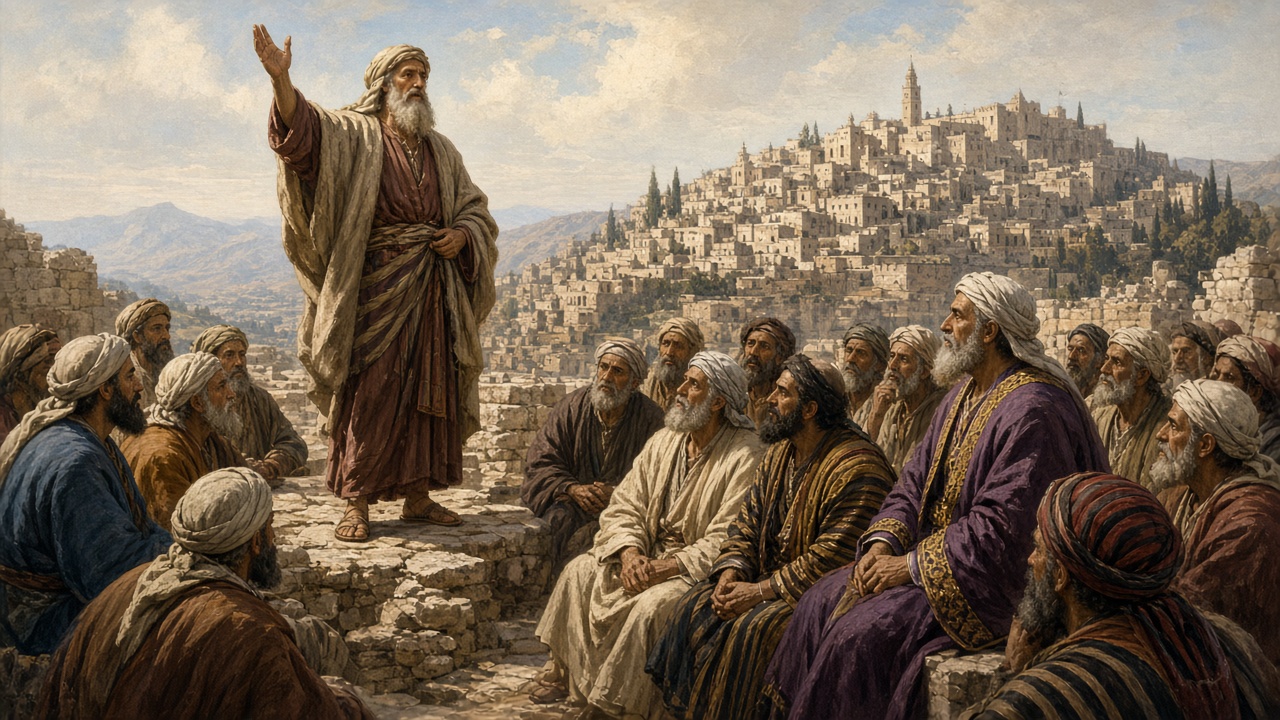
About Micah
- According to the superscription, as Easton's Bible Dictionary (1897) records it, Micah exercised his office in the reigns of Jotham, Ahaz, and Hezekiah. Easton offers two ways of reckoning that ministry: from the beginning of Jotham's reign to the end of Hezekiah's (B.C. 759-698), about fifty-nine years, or from Jotham's death to Hezekiah's accession (B.C. 743-726), only sixteen years.Sources: Easton: Micah, Book of
- Easton's entry on Micah calls him the Morasthite, to distinguish him from Micaiah the son of Imlah. It describes him as a prophet of Judah, a contemporary of Isaiah, and a native of Moresheth of Gath, and notes that very little is known of the circumstances of his life.Sources: Micah
- The kings named in the superscription ruled Judah in succession. Easton says that Jotham, son of Uzziah, reigned in the fear of God and prospered; that Ahaz turned to idolatry and appealed to Tiglath-pileser of Assyria against Rezin of Damascus and Pekah of Israel; and that Hezekiah, Ahaz's son, carried out a reformation to abolish idolatry in Judah, including worship of the bronze serpent.Sources: Jotham · Ahaz · Hezekiah
- Easton's Bible Dictionary (1897) places the book sixth among the so-called minor prophets and describes three sections, each opening with a rebuke, "Hear ye," and closing with a promise: chapters 1-2; chapters 3-5, addressed especially to the princes and heads of the people; and chapters 6-7, in which Jehovah is represented as holding a controversy with his people. The whole concludes with a song of triumph over the great deliverance the Lord will achieve for his people.Sources: Easton: Micah, Book of
- Easton notes that the book opens with words also spoken by Micaiah the son of Imlah: "Hearken, O people, every one of you." He records that the prediction in Micah 5:2 about the place where Christ should be born is quoted in Matthew 2:6, and lists further links: Micah 5:2 with John 7:42, Micah 7:6 with Matthew 10:21, 35-36, and the closing verse, Micah 7:20, with the song of Zacharias in Luke 1:72-73.Sources: Easton: Micah, Book of
Notes written with AI assistance from open sources (Theographic Bible Metadata, CC BY-SA 4.0; Easton’s Bible Dictionary, public domain) and reviewed before publishing.
1Iroka iñaani Tajorentsi ikamantziriri Miqueas Kashiya-kaarini-jatzi, ikantziri: “Noñaayimiro oeta awijatsini paata Oshitekii-toniki eejatzi Aapatziyaweniki.” Aripaete roñaayiri ipinkathari-tantari Jotam, Ahaz eejatzi Ezequías janta ijeekinta Judá-paeni.
Did you know?
Judgment on Samaria and Jerusalem
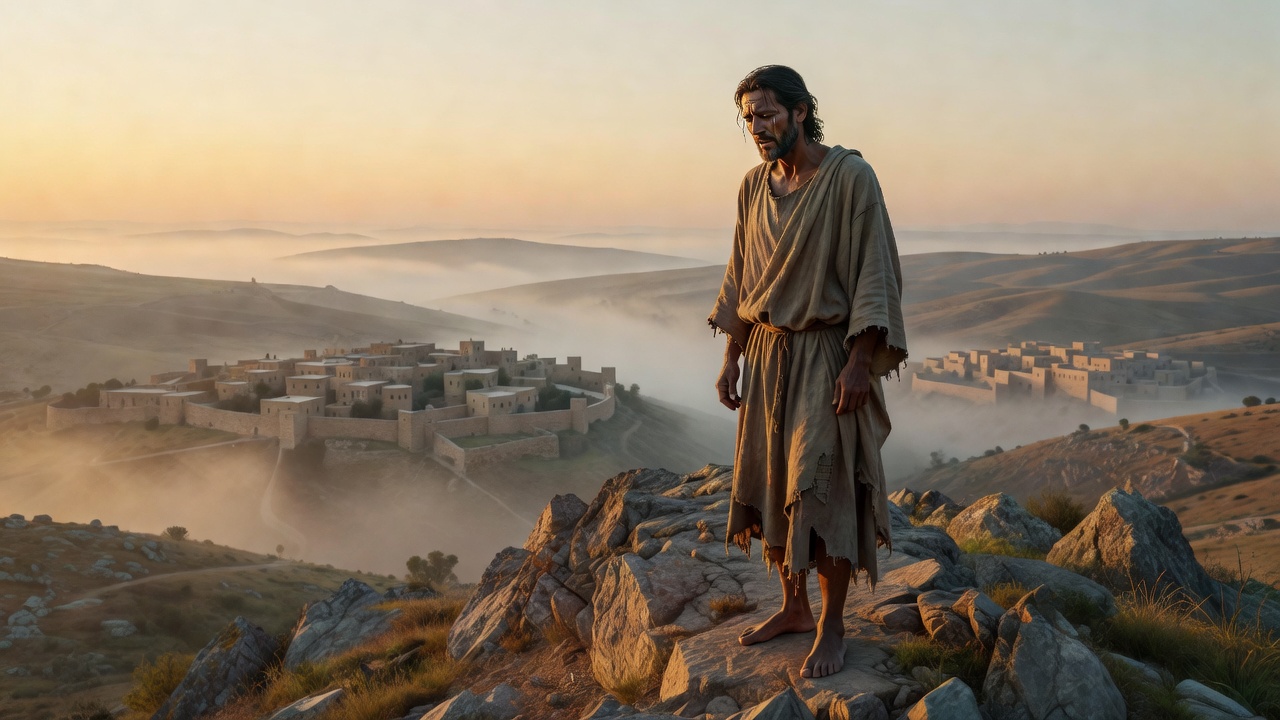
- Micah was a prophet from the town of Moresheth in Judah who ministered during the reigns of kings Jotham, Ahaz, and Hezekiah. His opening message pronounces impending divine judgment on both Samaria, the capital of the northern kingdom of Israel, and Jerusalem, the capital of Judah.Sources: Micah · the Bible text itself
- The chapter includes a poetic lament over several settlements in the Judean foothills and low country, such as Lachish, Zaanan, and Beth-le-aphrah (meaning house of dust, where inhabitants are told to roll in dust). Micah warns that the devastation reaching Samaria would advance directly to the gates of Jerusalem.Sources: Beth-le-aphrah · the Bible text itself
Notes written with AI assistance from open sources (Theographic Bible Metadata, CC BY-SA 4.0; Easton’s Bible Dictionary, public domain) and reviewed before publishing.
Places in this chapter
- Jerusalem · 31.777, 35.234 · verses 1, 5, 9, 12
- Samaria · 32.276, 35.195 · verses 1, 5, 6, 9
- Lachish · Today: Tell ed Duweir · 31.565, 34.849 · verse 13
- Zion · Today: Jerusalem · 31.777, 35.234 · verse 13
- Mareshah · Today: Tel Maresha · 31.593, 34.898 · verse 15
Only places identified with high confidence are shown (90% or more according to the scholarly sources compiled by OpenBible). Period map: DARE (Digital Atlas of the Roman Empire), CC BY 4.0; modern map: © OpenStreetMap contributors; places: OpenBible.info (CC BY 4.0).
Credits and license for this translation
Las Escrituras en Ashéninka Ucayali del Sur del Perú
The Holy Bible in the South Ucayali Ashéninka language of Peru
Las Escrituras en Ashéninka Ucayali del Sur del Perú
copyright © 2008 Wycliffe Bible Translators, Inc.
Language: Ashéninka Ucayali del Sur (Ashéninka, South Ucayali)
Translation by: Wycliffe Bible Translators
This translation is made available to you under the terms of the
Creative Commons Attribution-Noncommercial-No Derivatives license 4.0.
You may share and redistribute this Bible translation or extracts from it in any format, provided that:
You include the above copyright and source information.
You do not sell this work for a profit.
You do not change any of the words or punctuation of the Scriptures.
Pictures included with Scriptures and other documents on this site are licensed just for use with those Scriptures and documents.
For other uses, please contact the respective copyright owners.
2016-06-08
Source: http://ebible.org/cpy/ · eBible.org