Jonah 4
Las Escrituras en Ashéninka Ucayali del Sur del Perú · Tap a verse to see its cross-references.
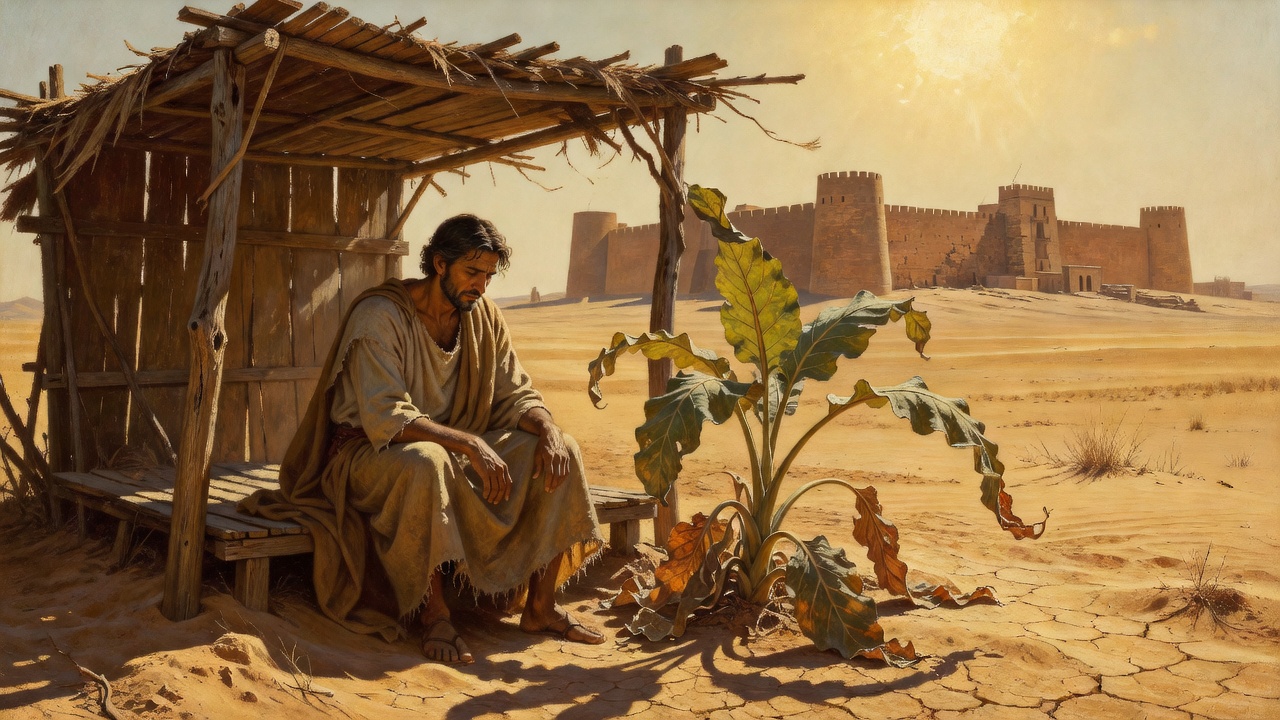
1Te inimotziri Jonás iñaakiri Tajorentsi tee rowajankiteeri Naana-weni-jatzi, otyaanakari imashirenka. 2Ikowako-takiri Tajorentsi, ikantzi: “¡Tajorentsi! Ari niyotzitaka panteri eeniro nojeeki nonampiki. Rootaki nokowantari niyaatemi Makaariniki. Tema niyotzi eeroka Tajorentsi etakotantaniri, neshironka-tantaniri, te pikijanita. Antawo petakotanta, pikanta-wityaa: ‘Ari nowajankitaakimi’, roo ojamanitakimi te pikowanee powajankitaante. 3Rootaki noñaashirenkan-tzimiri Tajorentsi, nokoyi nokami. Rootaki nokowa-perotziri nokami, te nokoyi nañee.” 4Ari rakanaki Tajorentsi, ikantzi: “¡Jonás! ¿Rooma kameetha-tzimo-tzimiri pikijawaeta?” 5Jatanaki Jonás ishitowa-piintziro ooryaa iweyaa-thapita nampitsi. Rowetsika-paaki ipanko-sheta. Ari ijeeki raampiya, royaawenta iita awijatsini nampitsiki.
6Ikantakaakawo Tajorentsi omapoka-shityaa oshooki incha-maeshi, opamanka-kotakiri Jonás. Rootaki tsimanka-kiriri iitoki, ari raampiya eero roñaashirenkantari ooryaa. Osheki ikimo-shire-wenta-nakiro Jonás shookaen-tsiri. 7Okanta okitejeta-manee, ikantakaakawo Tajorentsi itowireero chapitzi shookaen-tsiri, jampishi-tanaki. 8Ikanta ishintsi-tapaaki ooryaa, antawo itampyaa-takaakiro Tajorentsi okinapaakiro jempe ishitowapiintzi ooryaa. Riitaki taapaakiriri iitoki Jonás, rowamayi-matakiri. Ikantzi: “Rootaki nokowa-perotziri nokami, te nokoyi nañee.”
9Iroka ikantzi Tajorentsi rakiri Jonás: “¿Rooma kameetha-tzimo-tzimiri pikijakotawo okamaki incha-maeshi?” Ikantzi Jonás: “Jee, tema kameetha noñaakiro nokijawaeta.” 10Ikantzi Tajorentsi: “Te eeroka pankiteroni incha-maeshi, te eeroka shookakaeroni eejatzi. Tema piñaashitakawo eeroka oshookaki, eejatzi piñaakirowa okamaki. Rootaki petako-waematsitari. 11¿Eeroma noneshironka-tziri naaka Naana-weni-jatzi? Osheki ikaateeyini. Eenitatsi eejatzi osheki eenchee-riki, ikaatzi 120,000, tekira riyotziro jempe otzimi rampate eejatzi rakoperori. Eenitatsi eejatzi osheki ipireetari janta.”
Did you know?
Jonah's Anger and God's Compassion
- Jonah admits that he originally attempted to flee toward Tarshish precisely because he knew God is gracious, compassionate, slow to anger, and relents from sending disaster. His distress arose when God chose to spare Nineveh rather than destroy it.Sources: the Bible text itself · Tarshish
- Nineveh, the flourishing capital of the Assyrian empire, is described at the conclusion of the book as home to more than 120,000 people who cannot discern between their right and left hand, along with many cattle. God highlights this massive population to contrast divine compassion with Jonah's concern for a single withered plant.Sources: the Bible text itself · Nineveh
Notes written with AI assistance from open sources (Theographic Bible Metadata, CC BY-SA 4.0; Easton’s Bible Dictionary, public domain) and reviewed before publishing.
Places in this chapter
- Nineveh · 36.359, 43.153 · verse 11
Only places identified with high confidence are shown (90% or more according to the scholarly sources compiled by OpenBible). Period map: DARE (Digital Atlas of the Roman Empire), CC BY 4.0; modern map: © OpenStreetMap contributors; places: OpenBible.info (CC BY 4.0).
Credits and license for this translation
Las Escrituras en Ashéninka Ucayali del Sur del Perú
The Holy Bible in the South Ucayali Ashéninka language of Peru
Las Escrituras en Ashéninka Ucayali del Sur del Perú
copyright © 2008 Wycliffe Bible Translators, Inc.
Language: Ashéninka Ucayali del Sur (Ashéninka, South Ucayali)
Translation by: Wycliffe Bible Translators
This translation is made available to you under the terms of the
Creative Commons Attribution-Noncommercial-No Derivatives license 4.0.
You may share and redistribute this Bible translation or extracts from it in any format, provided that:
You include the above copyright and source information.
You do not sell this work for a profit.
You do not change any of the words or punctuation of the Scriptures.
Pictures included with Scriptures and other documents on this site are licensed just for use with those Scriptures and documents.
For other uses, please contact the respective copyright owners.
2016-06-08
Source: http://ebible.org/cpy/ · eBible.org