Jonah 3
Las Escrituras en Ashéninka Ucayali del Sur del Perú · Tap a verse to see its cross-references.
1Ari rapiiteero Tajorentsi iñaanateeri Jonás, ikantziri: 2“Piyaate Naana-weniki, pikamantantero okaate nokantemiri.” 3Jataki Jonás Naana-weniki, imatakiro ikantakiriri Tajorentsi. Tema antawo nampitsi Naana-weni, mawa kiteejeri anashitan-tyaawori maawoeni. 4Areetaka Jonás nampitsiki, anashitaka apaani kiteejeri, ikantzi ikenkithatzi: “Yotapaaka 40 kitejeri, ithonkae-tantyaariri ikaatzi nampitawori Naana-weniki.” 5Ikanta ikemaki nampitawori Naana-weniki: antari-paeni eejatzi eentsitee-reki, ikemijanta-nakiri Tajorentsi, ikanta-wakahaeyani: “Jame atziwentyaa.” Ikithaa-tanakawo etawori-pooki iithaari, rootaki riyotan-teeyaari rowashiretako-tatyaa.
6Ikanta ikemaki pinkathari-tatsiri Naana-weniki, rookanakiro iwinkathari-mento, ikithaa-tanakawo etawori-pooki iithaari, jeekanaki samampoki. 7Ikamantantaki inampina-paeni pinkathari, riyotan-tyaari maawoeni nampitawori, ikantzi: “Itziwentyaa maawoeni atziri, tekatsi owaachani. Ari ikimiteeriri ipira-paeni, eero ipiri eepichokiini rowanawo eejatzi imiri. 8Otzimatyee ikithaa-pookityaa atziri-paeni eejatzi ipira-paeni. Icheraa-pero-tatyee ramaniri Tajorentsi. Ipakahaero ikaaripero-waetzi eejatzi ikoshekanta. 9Aamaashityaa aritaki ineshironkatee Tajorentsi, rotsimaryaa-shire-teeyaa. Eero anaantawo ithonkae.”
10Iñaakiri Tajorentsi jempe ikantanaa Naana-weni-jatzi, tema ipakaa-neero rantawitakawo kaariperori. Te ikowanee Tajorentsi rowajankiteeri.
Did you know?
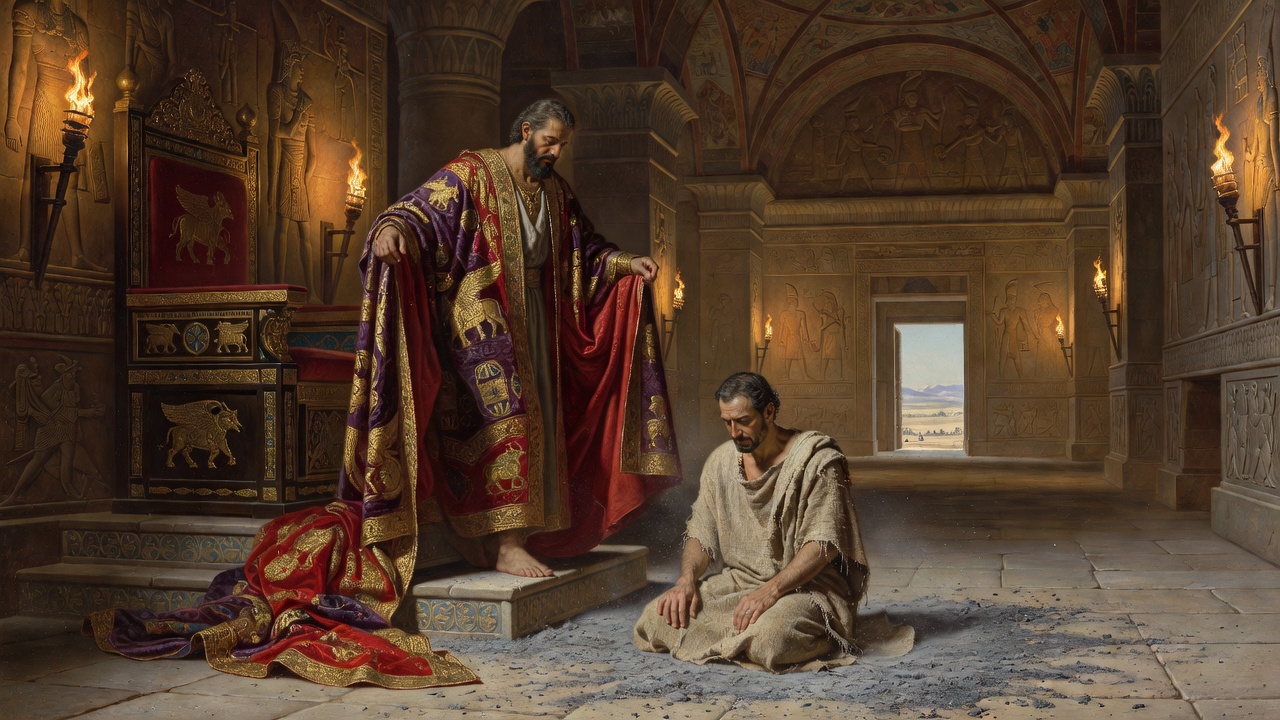
Jonah's Mission to Nineveh
- Nineveh was the flourishing capital of the ancient Assyrian Empire. The biblical text portrays it as an exceedingly large city, describing it as taking a three-day journey to cross.Sources: Nineveh · the Bible text itself
- Jonah is notable among the prophets of Israel for being sent as a missionary beyond his own nation to preach in a distant, non-Israelite city.Sources: Jonah · the Bible text itself
- The royal proclamation of mourning in Nineveh extended beyond the human population to include livestock, requiring both people and beasts to fast and be covered in sackcloth.Sources: the Bible text itself
Notes written with AI assistance from open sources (Theographic Bible Metadata, CC BY-SA 4.0; Easton’s Bible Dictionary, public domain) and reviewed before publishing.
Places in this chapter
Only places identified with high confidence are shown (90% or more according to the scholarly sources compiled by OpenBible). Period map: DARE (Digital Atlas of the Roman Empire), CC BY 4.0; modern map: © OpenStreetMap contributors; places: OpenBible.info (CC BY 4.0).
Credits and license for this translation
Las Escrituras en Ashéninka Ucayali del Sur del Perú
The Holy Bible in the South Ucayali Ashéninka language of Peru
Las Escrituras en Ashéninka Ucayali del Sur del Perú
copyright © 2008 Wycliffe Bible Translators, Inc.
Language: Ashéninka Ucayali del Sur (Ashéninka, South Ucayali)
Translation by: Wycliffe Bible Translators
This translation is made available to you under the terms of the
Creative Commons Attribution-Noncommercial-No Derivatives license 4.0.
You may share and redistribute this Bible translation or extracts from it in any format, provided that:
You include the above copyright and source information.
You do not sell this work for a profit.
You do not change any of the words or punctuation of the Scriptures.
Pictures included with Scriptures and other documents on this site are licensed just for use with those Scriptures and documents.
For other uses, please contact the respective copyright owners.
2016-06-08
Source: http://ebible.org/cpy/ · eBible.org