Exodus 2
Tte Pa̱'a̱li̱ Me' Skëköl tö Se' a̱ · Tap a verse to see its cross-references.
Moisés ku̱ne'
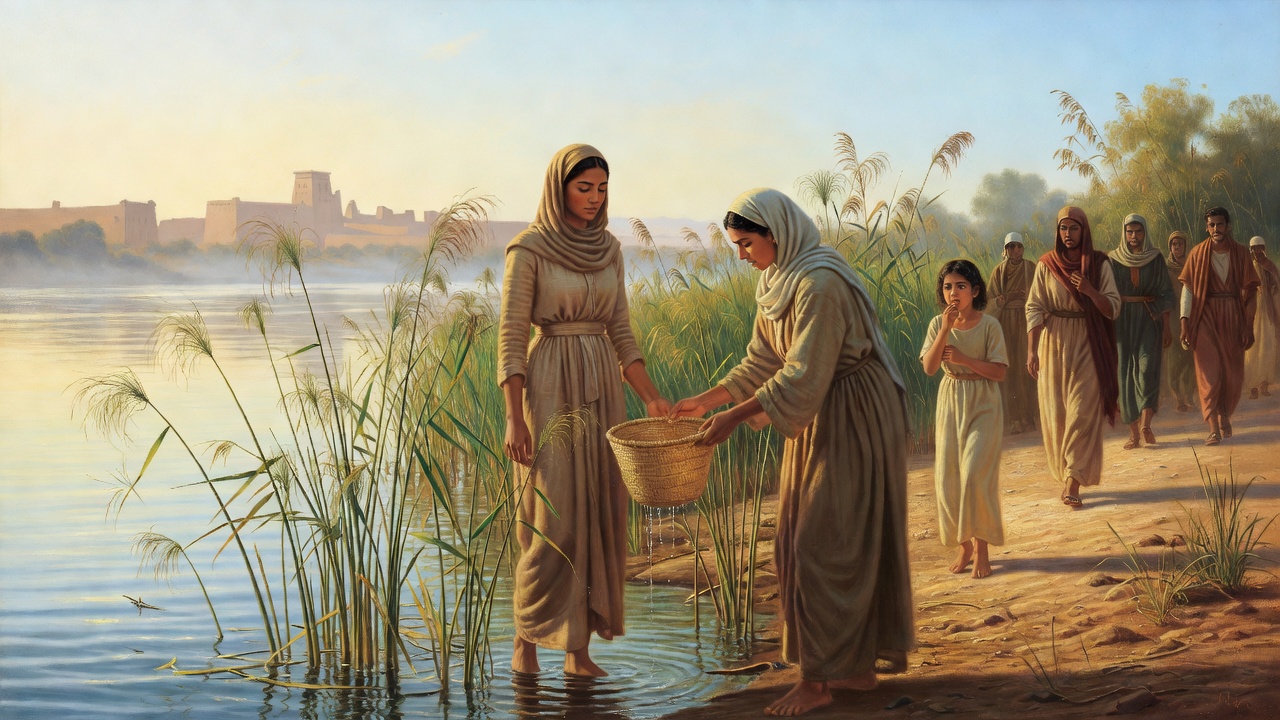
1E' ké̱wö ska' ta̱ wëm eköl dör Leví aleri, e' se̱néwa̱ alaköl dör Leví aleri ñies ese ta̱. 2Eta̱ ie' alà skà kéka̱ e' dör wëm. Eta̱ imì tö isué̱ tö alala buaala, e' kue̱ki̱ ibléwa̱itö dö̀ si' mañat. 3Mik imì kë̀ a̱ ilà blëneia̱, eta̱ ie' kkö́ yulé et, patié̱ buaë kiöchka tso' chkua̱'chkua̱ ese wa a̱s kë̀ a̱ di' tkö̀wa̱. E' ukuöki̱ ta̱ alala iéwa̱itö kkö́ a̱, méreitö di' kiè Nilo e' kkömik ka̱kö tso' e' shu̱a̱. Moisés mì tö iiéka̱ kkö́ a̱ itsa̱tkoie.|src="CO00763b.tif" size="span" ref="Éxodo 2.3" 4Eta̱ alala kutà e̱' duése̱r ka̱mië ikí̱ sa̱u̱k tö we̱s idömi.
5E' ukuöki̱ ta̱ Egipto blú e' alà busi mía̱ kuök di' a̱. E' dalewa tayëpa tso' ie' wa̱ ikanè mésopaie e'pa shkö̀ iëte̱r ákitö ki̱. Eta̱ ie' tö kkö́ sué̱ ka̱kö shu̱a̱. Ikanè mésopa eköl patkémiitö itsu̱kbitu̱. 6Eta̱ ie' tö ikkökéka̱ ta̱ isué̱ tö alala wëm a'ria̱ eköl e' i̱u̱ke. Ie' isué̱ e̱r sia̱rë wa ta̱ ichéitö:
—Bëbëla i' dör hebreowak.
7E' wösha̱ bëbëla kutà de ta̱ ichéitö ia̱:
—¿Be' ki̱ ikiane tö ye' mi' tayë hebreowak yulök eköl be' a̱ alala se̱ kkö'noie a̱s itala'ù̱itö itsu' wa?
8Eta̱ Egipto blú alà busi tö iiu̱té:
—Be' yú iyulök.
Eta̱ bëbëla kutà mía̱ imì yulök ta̱ idebitu̱ iwa̱. 9Eta̱ Egipto blú alà busi tö iché alà mì a̱:
—Alà i' tsú̱mi kkö'nú ña tala'ú̱ ña buaë. Ye' tö be' patue̱ke iki̱. Eta̱ imì wa̱ ilà mítse̱r tala'wè̱. 10Mik alà de bërie, eta̱ imì wa̱ ibite̱tse̱rne Egipto blú alà busi a̱. Eta̱ ie' tö iklö'wé̱ we̱s ie' alà e̱kka es. Ikiè méka̱itö Moisés. Ie' tö iché:
—Ye' tö iyë'ttsa̱ di' a̱.
E' kue̱ki̱ ie' tö ikiè méka̱ es.
Moisés tso' Egipto e' tkashkar
11Moisés kibineo̱ne. Ká̱ et ta̱ ie' mía̱ iyamipa hebreowak, e'pa pakök. Eta̱ ie' tö isué̱ tö iyamipa weirke sia̱rë kaneblök darërë. Eta̱ ie' isué̱ tö egiptowak eköl tso' iyami hebreowak eköl e' ppök sia̱rë. 12Eta̱ ie' ká̱ sué̱ ká̱ wa'ñe. Kë̀ ie' wa̱ yi su̱ne. E' dalewa ie' tö egiptowak e' ttéwa̱ inú wötéwa̱ ie' tö ttsa̱'wö a̱. 13Bule es ta̱ ie' skà e̱' yéttsa̱, eta̱ ie' isué̱ tö hebreowak böl tso' ñippök ñita̱. Ie' tö iëköl tso' eköl ppök, e' a̱ iché:
—¿Iö́k be' tso' be' yami ppök?
14Eta̱ hebreowak e' tö iiu̱té:
—¿Yi tö be' tkéka̱ sa' wökirie sa' shu̱lökwakie? ¿Be' tso' ye' bikeitsök ttèwa̱ we̱s egiptowak kötwa̱bö es?
Mik ttè e' ttsé Moisés tö, eta̱ e' tö ie' suawé̱. Ie' ibikeitsé: “Ie'pa wa̱ ijche̱newa̱ tö ye' tö egiptowak kötwa̱.” 15Mik e' jche̱newa̱ Egipto blú wa̱, eta̱ ie' tö Moisés ttökwa̱ patké. Erë Moisés tkashkar ie' yöki̱, mía̱ se̱nuk ká̱ kiè Madián ee̱. Ee̱ ie' e̱' tkére di' tum biule kkömik.
16Ká̱ e' a̱ sacerdote se̱rke eköl kiè Reuel. E' alà busipa döka̱ kul. E' diwö wa alà busipa e'pa dë'bitu̱ di' chkök kulë' a̱ mè iyë́ iyiwak a̱ yè. 17Eta̱ iyiwak kkö'nukwakpa skà wëpa debitu̱ busipa trë'wé̱mi. Eta̱ Moisés e̱' kéka̱ e' tö busipa tsa̱tkée. Eta̱ ie' tö di' mé iyiwak a̱. 18Mik ie'pa demine iyë́ ska', eta̱ iyë́ tö ie'pa a̱ ichaké:
—¿Ì wa i̱'ñe a' dene bet?
19Ie'pa tö iiu̱té:
—Egiptowak eköl tö sa' tsa̱tkée iyiwak kkö'nukwakpa ulà a̱. Ie' di' yéttsa̱ mé iyiwak a̱.
20Iyë́ tö iché ia̱:
—¿Wé̱ wëm e'? ¿Iö́k a' iméa̱t ekörla? A' yú itsu̱kbitu̱ a̱s ichkö̀ se' ta̱.
21Es Moisés e̱' tsé̱a̱t se̱nuk wëm e' ska'. E' ukuöki̱ ta̱ Reuel tö ilà busi kiè Séfora, e' mé Moisés a̱ se̱nowa̱ie ita̱. 22Eta̱ Moisés alà kéka̱ eköl kiè méka̱itö Guersón wà chéitö: Ká̱ i' ki̱ ye' dör o̱'ka.
23Duas tka tai̱ë, eta̱ Egipto blú blënewa̱. Erë Israel aleripa kköchökeia̱ tai̱ë ke̱kraë kanè darërëë kue̱ki̱. Ie'pa kköchöke tai̱ë e' ttsé Skëköl tö. 24Ttè me'bak ie' tö Abraham a̱ ena Isaac a̱ ena Jacob a̱ e' wà tsá̱ detke kanewè̱. E' kue̱ki̱ ie' tö ibikeitsé tö Israel aleripa ki̱meraëyö i' ta̱. 25Ie' tö ie'pa sué̱ ta̱ ie' é̱na ia̱ne tö ì tköke ie'pa ta̱.
Did you know?
The birth and flight of Moses
- Pharaoh’s daughter named the child Moses, explaining that she had drawn him out of the water. Easton's Bible Dictionary (1897) links his name with “drawn,” or with the Egyptian word mesu, “son”—the element from which the dictionary also explains Rameses as “royal son.”Sources: the Bible text itself · Moses
- In Exodus 2 a daughter of Levi hides her son for three months, and Pharaoh’s daughter, finding him among the Nile reeds, recognizes a Hebrew child. Easton's Bible Dictionary (1897) links the Israelites’ affliction to “the new king who knew not Joseph,” long supposed to be Aahmes I, called Amosis by Josephus, though the dictionary, citing discoveries then recent, names Seti instead. Their hardship, it says, began after the Hyksos, masters of Egypt for some five centuries, were driven out and the old dynasty restored.Sources: the Bible text itself · Pharaoh
- After Pharaoh sought to kill him, Moses fled to Midian and sat down beside a well; he later married Zipporah, one of the seven daughters of the priest of Midian. The Midianites were nomadic Arabians descended from Midian, Abraham’s fourth son by Keturah, and they pastured their flocks in the Sinai peninsula and in the desert north of the Arabian peninsula. This chapter calls the priest Reuel, whom Easton's Bible Dictionary (1897) names Raguel, regarding that form as his personal name and Jethro—“excellency”—as an official title if the two are identified.Sources: the Bible text itself · Midian · Midian · Jethro
Notes written with AI assistance from open sources (Theographic Bible Metadata, CC BY-SA 4.0; Easton’s Bible Dictionary, public domain) and reviewed before publishing.
Places in this chapter
- Nile · Today: Nile River · 31.465, 30.367 · verses 3, 5
- Midian · 28.495, 35.012 · verses 15, 16
- Egypt · 30.129, 31.308 · verse 23
Only places identified with high confidence are shown (90% or more according to the scholarly sources compiled by OpenBible). Period map: DARE (Digital Atlas of the Roman Empire), CC BY 4.0; modern map: © OpenStreetMap contributors; places: OpenBible.info (CC BY 4.0).
Credits and license for this translation
Tte Pa̱'a̱li̱ Me' Skëköl tö Se' a̱
New Testament and Shorter Old Testament in Bribri (CS:bzd:Bribri)
copyright © 2010 Wycliffe Bible Translators, Inc.
Language: Bribri
Translation by: Wycliffe Bible Translators, Inc.
Bribri
bzd
Costa Rica
Copyright Information
© 2010, Wycliffe Bible Translators, Inc. All rights reserved.
This translation text is made available to you under the
terms of the Creative Commons License: Attribution-Noncommercial-No Derivative Works.
( http://creativecommons.org/licenses/by-nc-nd/3.0/ )
In addition, you have permission to port the text to different file formats, as long as you
do not change any of the text or punctuation of the Bible.
You may share, copy, distribute, transmit, and extract portions
or quotations from this work, provided that you include the above copyright
information:
You must give Attribution to the work.
You do not sell this work for a profit.
You do not make any derivative works that change any of the actual words or punctuation of the Scriptures.
Permissions beyond the scope of this license may be
available if you contact
us with your request.
The New Testament and Shorter Old Testament
in Bribri
© 2010, Wycliffe Bible Translators, Inc. All rights reserved.
This translation is made available to you under the terms of the
Creative Commons Attribution-Noncommercial-No Derivatives license 4.0.
You may share and redistribute this Bible translation or extracts from it in any format, provided that:
You include the above copyright and source information.
You do not sell this work for a profit.
You do not change any of the words or punctuation of the Scriptures.
Pictures included with Scriptures and other documents on this site are licensed just for use with those Scriptures and documents.
For other uses, please contact the respective copyright owners.
2014-04-22
Source: http://ebible.org/bzdNTpo/ · eBible.org