Exodus 3
Tte Pa̱'a̱li̱ Me' Skëköl tö Se' a̱ · Tap a verse to see its cross-references.
Skëköl tö Moisés patké Israel aleripa tsa̱tkök
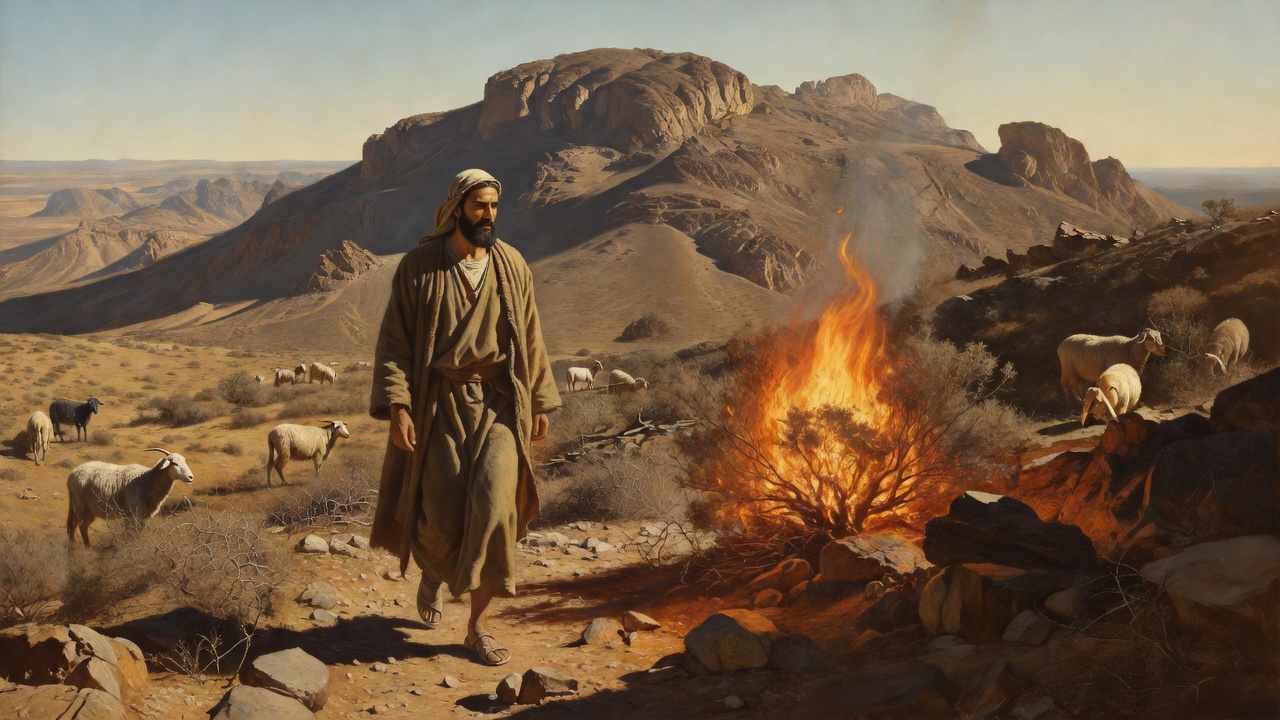
1Ká̱ et ta̱ Moisés tso' inua̱ki Jetró, e' iyiwak kkö'nuk. Inua̱ki kaneblöke sacerdoteie Madián. E' dalewa ie' wa̱ inua̱ki iyiwak mítse̱r ká̱ sir po, e' jaishe̱t, demi Skëköl ké̱bata kiè Horeb ee̱. 2Eta̱ ee̱ Jehová biyöchökwak bua'ie e' e̱' kkachéwa̱ ie' a̱ bö' wörkueie tai̱ë kal tsir elka shu̱a̱. Moisés tö isué̱wa̱ bua'ie ta̱ isué̱ tö kal wöbatseka̱ tai̱ë bö'ie, erë kë̀ iñarwa. Skëköl e̱' kkaché Moisés a̱ bö' wörkueie tai̱ë kal tsir elka shu̱a̱.|src="CO00785b.tif" size="span" ref="Éxodo 3.2" 3Eta̱ Moisés tö ibikeitsé: “¿Wì̱ dör ì? Ye' mí isa̱u̱k ì kue̱ki̱ kal wì̱ kë̀ ñarwa.”
4Mik Jehová tö isué̱ tö Moisés dökewa̱tke tsi̱net bö' ñarke e' o̱'mik isa̱u̱k, eta̱ Skëköl tö ichaké:
—¡A Moisés! ¡A Moisés!
Moisés tö iiu̱té:
—¿Ì?
5Eta̱ Skëköl tö iché ia̱:
—Kë̀ be' dökwa̱ tsi̱net. Wé̱ be' dur e' ké̱ dör batse'r, e' kue̱ki̱ be' klökkuö yö́ttsa̱. 6Ye' dör be' yë́ e' Këköl ena be' yë́pa bak ká̱ ia̱ia̱ë kiè Abraham, Isaac ena Jacob e'pa Këköl.
Moisés suane Skëköl sa̱u̱kwa̱, e' kue̱ki̱ ie' e̱' wöpabakéwa̱. 7Erë Jehová tö iché ia̱:
—Ye' isué̱ tö wé̱pa dör ye' icha tso' Egipto e'pa weirke sia̱rë. Ie'pa kköchöke tai̱ë ikanè wökirpa ulà a̱ e' ttséyö. Ye' wa̱ ijche̱r buaë tö iweirkerak sia̱rë. 8E' kue̱ki̱ ye' dë'ttsa̱ ie'pa tsa̱tkök egiptowak ulà a̱. Ye' tö ie'pa yerattsa̱ ká̱ e' ki̱. Ye' wa̱ ie'pa miraë ká̱ tai̱ë buaë ese ki̱. Ká̱ e' ki̱ íyi ulitane tskir buaë, iwà wör buaë shu̱te̱. Ká̱ e' ki̱ pë' tso' tai̱ë. E'pa ditséwöpa dör canaánwak, hititawak, amorreowak, fereseowak, heveowak, ena jebuseowak. 9Ittsö́, ye' tö Israel aleripa kköchöke e' ttsé. Ye' tö isué̱ tö egiptowak tö ie'pa we'ikeke sia̱rë. 10E' kue̱ki̱ ye' tso' be' patkök Egipto blú ska' Israel aleripa dör ye' icha e'pa yökulur Egipto a̱. Be' yú Egipto.
11Erë Moisés tö iché ie' a̱:
—¿Yi ye' dör e' döwa̱mi Egipto blú wörki̱ Israel aleripa yökulur ie' ulà a̱?
12Ie' tö iiu̱té:
—Be' kë̀ mi'pa ekörla. Ye' tso' be' ta̱ be' ki̱muk. Mik be' tö Israel aleripa yélur Egipto a̱, eta̱ a' tö ye' dalöieraë ka̱bata i' ki̱. E' wa be' wa̱ ijche̱rdaë tö ye' wák tö be' patkë'.
13Erë Moisés tö ie' iu̱té:
—Dö' ye' mía̱ ta̱ ye' tö ichè ie'pa a̱: “A' yë́pa bak ia̱ia̱ë e' Këköl tö ye' patkë' a' tsa̱tkök.” Dö' ie'pa tö ye' a̱ ichakè: “¿I̱ma e' kiè?”, e' ta̱ ¿ì chèmi ye' tö ie'pa a̱?
14Eta̱ ie' tö iiu̱té:
—Ye' dör yi tso'tke e'. Ichö́ ie'pa a̱ tö Ye' Tso'tke e' tö ye' patké a' ska'.
15Skëköl tö ikí̱ ché Moisés a̱:
—Ñies ttè i' chö́ Israel aleripa a̱: ‘Se' yë́pa bak ká̱ ia̱ia̱ë kiè Abraham, Isaac ena Jacob, e'pa Këköl kiè Jehová e' tö ye' patké a' tsa̱tkök.’ Ttè e' chö́ ie'pa a̱. Ye' kiè dör Jehová i' dör ye' wák kiè ke̱kraë. Kiè i' wa ye' kirdaë aishkuö ta̱ ke̱kraë. 16Be' yú Israel aleripa kue̱blupa dapa'u̱k ta̱ ttè i' ichö́ ie'pa a̱: ‘Jehová, dör se' yë́pa bak ká̱ ia̱ia̱ë kiè Abraham, Isaac ena Jacob e'pa Këköl e' e̱' kkayë' ye' a̱ ta̱ ye' a̱ iyë'itö tö ie' tö a' weirke sia̱rë egiptowak ulà a̱ e' sué̱. 17Ñies ye' a̱ iyë'itö tö a' tsa̱tkeraëitö egiptowak tso' a' we'ikök e'pa ulà a̱. Ie' wa̱ a' miraë ká̱ buaë ese ki̱. Ká̱ e' ki̱ íyi ulitane tskir buaë, iwà wör buaë shu̱te̱. Ká̱ e' wakpa ditséwöpa dör canaánwak, hititawak, amorreowak, fereseowak, heveowak, ena jebuseowak.’ Ttè e' chö́ ie'pa a̱. 18Israel aleripa kue̱blupa tö be' ttö̀ ttseraë ta̱ be' yú ie'pa ta̱ Egipto blú ska' ta̱ ttè i' chö́ ie' a̱: ‘Jehová dör hebreowak Këköl, e' dë'bitu̱ sa' wöki̱. E' kue̱ki̱ sa' ö́mi ká̱ mañat shkar ekkë wé̱ kë̀ yi ku̱' ese ska' iyiwak ña'u̱k Jehová dör sa' Këköl e' dalöioie.’ Ttè e' chö́ ie' a̱. 19Erë ye' wa̱ ijche̱r buaë tö ie' kë̀ tö ie'pa a̱ ka̱wö e' mepa ëanas. Ye' ka̱wöta̱ ie'pa yöktsa̱ ye' diché tai̱ë e' wa. 20E' kue̱ki̱ ye' diché tai̱ë e' kkacheraëyö egiptowak a̱. Ì we̱raëyö ie'pa shu̱a̱ e' tö ie'pa tkiwe̱raë. E' wa ie'pa we'ikeraëyö sia̱rë. E' ukuöki̱ ta̱ Egipto blú tö Israel aleripa erami a̱s imi'yal. 21Ñies ye' tö egiptowak keraë ie'pa dalöiök tai̱ë. E' kue̱ki̱ mik a' e̱' yökettsa̱ Egipto a̱, eta̱ a' kë̀ minuk ulà wöchka. 22Israel aleripa e' alakölpa ko̱s e'pa tö íyi yöule inukölchka wa ö orochka wa ö datsi' ese kak kieraë egiptowak alakölpa se̱rke bánet ö ise̱rkerak Israel aleripa u a̱ esepa a̱, e' ko̱s ieraë a' ala'r tö. Es a' tö íyi bua'bua tso' tai̱ë Egipto e' yerattsa̱ ie'pa ulà a̱.
Did you know?
The Call of Moses at the Burning Bush
- Moses is shepherding in Midian when this chapter begins. The Midianites were a nomadic Arabian tribe descended from Midian, Abraham's fourth son by Keturah, whose name is explained as strife. They lived chiefly in the desert north of Arabia, and the Sinai peninsula was grazing land for their flocks; it was there, after fleeing Egypt, that Moses became a servant and then the priest's son-in-law.Sources: the Bible text itself · Midian · Midian
- His father-in-law is Jethro, called the priest of Midian. Easton's Bible Dictionary (1897) equates that priest with Raguel and says that, if the two names belong to one man, Raguel may be regarded as his personal name and Jethro, meaning excellency, as an official title.Sources: the Bible text itself · Jethro
- Moses leads the flock to Horeb, the mountain of God. The name is explained as desert, or mountain, of the dried-up ground, a general term for the whole range of which Sinai was one summit; Easton's Bible Dictionary (1897) gives the modern name of the range as Jebel Musa and describes a huge block about two miles long and about one mile wide, with a very spacious plain called Er Rahah at its north-east end, where the Israelites later camped for nearly a year.Sources: the Bible text itself · Horeb
Notes written with AI assistance from open sources (Theographic Bible Metadata, CC BY-SA 4.0; Easton’s Bible Dictionary, public domain) and reviewed before publishing.
Places in this chapter
- Midian · 28.495, 35.012 · verse 1
- Mount Horeb · Today: Jebel Musa · 28.540, 33.973 · verse 1
- Egypt · 30.129, 31.308 · verses 7, 8, 10, 11, 12, 16, 17, 18, 19, 20, 22
Only places identified with high confidence are shown (90% or more according to the scholarly sources compiled by OpenBible). Period map: DARE (Digital Atlas of the Roman Empire), CC BY 4.0; modern map: © OpenStreetMap contributors; places: OpenBible.info (CC BY 4.0).
Credits and license for this translation
Tte Pa̱'a̱li̱ Me' Skëköl tö Se' a̱
New Testament and Shorter Old Testament in Bribri (CS:bzd:Bribri)
copyright © 2010 Wycliffe Bible Translators, Inc.
Language: Bribri
Translation by: Wycliffe Bible Translators, Inc.
Bribri
bzd
Costa Rica
Copyright Information
© 2010, Wycliffe Bible Translators, Inc. All rights reserved.
This translation text is made available to you under the
terms of the Creative Commons License: Attribution-Noncommercial-No Derivative Works.
( http://creativecommons.org/licenses/by-nc-nd/3.0/ )
In addition, you have permission to port the text to different file formats, as long as you
do not change any of the text or punctuation of the Bible.
You may share, copy, distribute, transmit, and extract portions
or quotations from this work, provided that you include the above copyright
information:
You must give Attribution to the work.
You do not sell this work for a profit.
You do not make any derivative works that change any of the actual words or punctuation of the Scriptures.
Permissions beyond the scope of this license may be
available if you contact
us with your request.
The New Testament and Shorter Old Testament
in Bribri
© 2010, Wycliffe Bible Translators, Inc. All rights reserved.
This translation is made available to you under the terms of the
Creative Commons Attribution-Noncommercial-No Derivatives license 4.0.
You may share and redistribute this Bible translation or extracts from it in any format, provided that:
You include the above copyright and source information.
You do not sell this work for a profit.
You do not change any of the words or punctuation of the Scriptures.
Pictures included with Scriptures and other documents on this site are licensed just for use with those Scriptures and documents.
For other uses, please contact the respective copyright owners.
2014-04-22
Source: http://ebible.org/bzdNTpo/ · eBible.org