Romans 1
Selected Scriptures in Yipma/Wagamwa · Tap a verse to see its cross-references.
About this book
About Romans
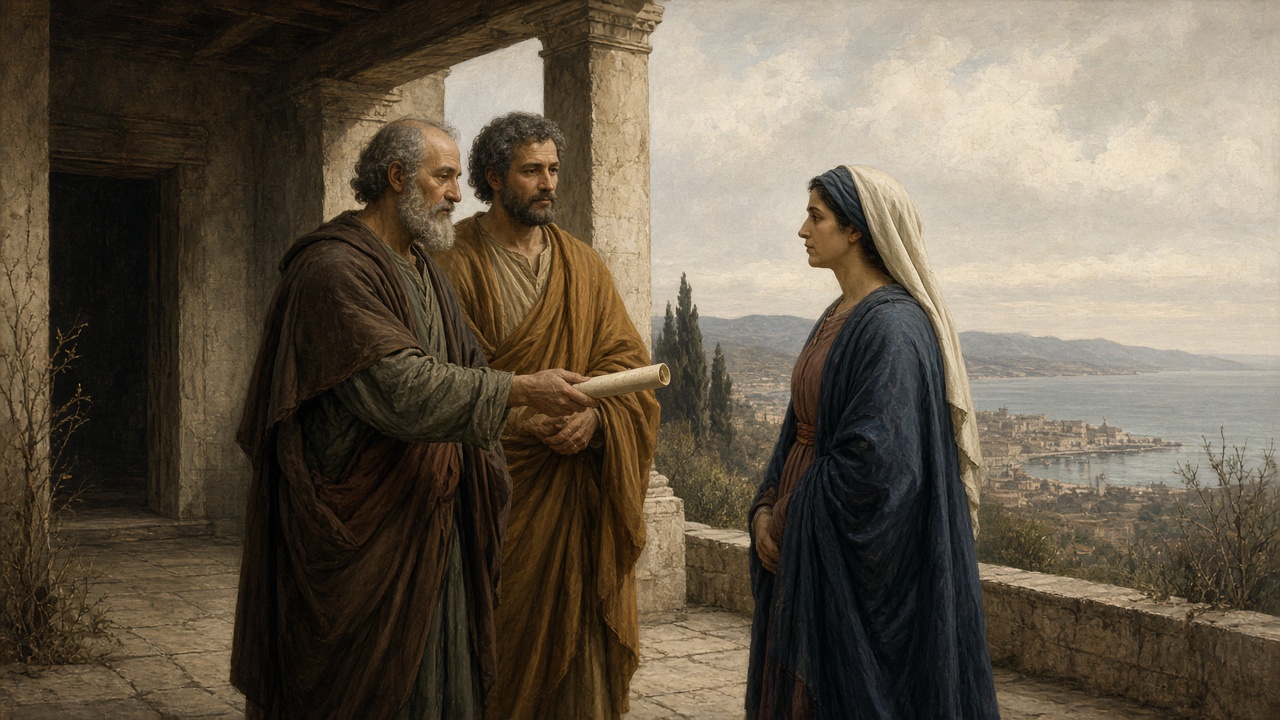
- Easton's Bible Dictionary (1897) presents this letter as written by the apostle, probably at Corinth, where Gaius of Corinth was his host and Erastus was the city's chamberlain. The dictionary dates the writing to early in A.D. 58, at the close of the apostle's second visit to Greece, in the winter before he went to Jerusalem to minister to the saints. Phoebe of Cenchrea carried the letter to Rome.Sources: Easton: Romans, Epistle to the
- Easton thinks it highly probable that Christianity was planted in Rome by people who had been in Jerusalem on the day of Pentecost, when strangers from Rome were there. Jews were then numerous in the city, and Romans probably also attended their synagogues and so heard what was reported about Jesus; a church of both Jews and Gentiles was formed, already numerous and probably meeting in more than one place.Sources: Easton: Romans, Epistle to the · Rome
- When the New Testament was written, Rome was the most celebrated city in the world. It is said to have been founded in 753 B.C. Easton estimates its population at 1,200,000, about half of them slaves, including people from nearly every nation then known, and describes the city as marked by wealth, luxury, and profligacy while the empire was at its greatest prosperity.Sources: Rome
- Easton says the apostle's aim was to explain the great teachings of the gospel in their relation to both Jews and Gentiles. He describes Romans as a systematic, argumentative exposition of a gospel of universal application, and as a plea for Gentiles addressed to Jews, unlike Galatians, where the apostle appeals to his own authority because he had founded that church. After the introduction (1:1-15), Easton outlines justification by faith (1:16-11:36), which he links to Christ's imputed righteousness and to salvation as wholly of grace, then practical exhortations (12:1-15:13), and a closing section with personal notes, greetings to twenty-four Christians in Rome, a benediction, and a doxology (15:14-16).Sources: Easton: Romans, Epistle to the
- In the letter, Paul states his intention to visit Spain. Easton's article on Spain notes that there is no evidence he ever made that journey, although some think he may have done so between a first and a second imprisonment.Sources: Spain
Notes written with AI assistance from open sources (Theographic Bible Metadata, CC BY-SA 4.0; Easton’s Bible Dictionary, public domain) and reviewed before publishing.
16Yo, sare' tare'nesɨ. Nɨmɨ yagaala tewaanyabɨna wagɨla manyɨbwa'nyandeinyɨ. Sare' tare'nesɨ. Yagaala tewaanya sa' kajarajara lɨmwagapɨjaraabɨ Godɨyai wɨbadaigasamaarya'ne sa' Godɨyare tɨragɨnya tɨ'nagesɨ. Tɨragɨnya Sudaayaraabɨdaa'nyɨ nabaai Sudaayara mamwaaryɨgasaraabɨjɨ wɨbadaigasamaarya'nesɨ. 17……Sare' Godɨyare pugwɨyabɨ tara tɨnɨgabaaimbɨ'nanyɨ, “Pwai Godɨyarɨ lɨmwagate sarerɨna ‘Yɨda'maraangerɨ wɨmwaaigɨmwa,’ tojɨyai wɨyagaa' kaala mwaaradelyɨ.”
Did you know?
The Gospel Addressed to Rome
- Paul addresses this letter to “all in Rome.” At the time of Christ, Rome was the most celebrated city in the world, and it is said to have been founded in 753 B.C. When the New Testament was written, Rome was enriched with the spoils of the world and had an estimated population of 1,200,000, about half of them slaves, including people from nearly every nation then known; the empire of which it was the capital had reached its greatest prosperity.Sources: Rome · the Bible text itself
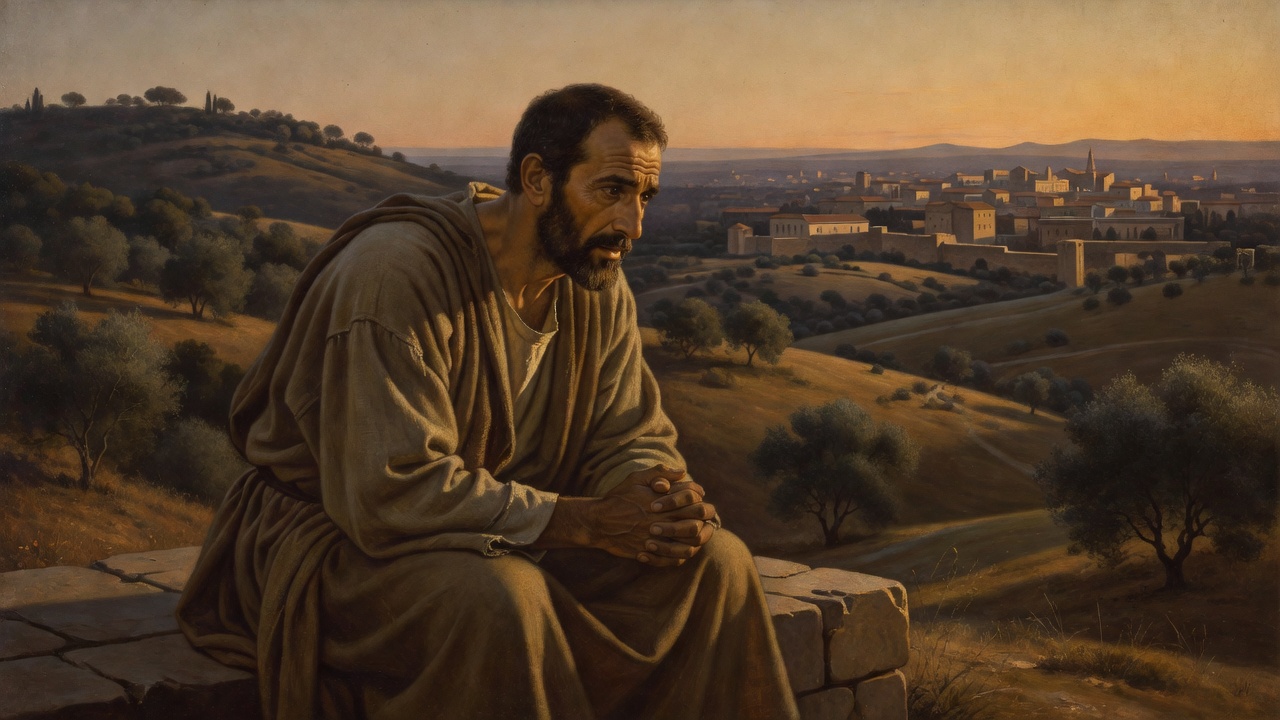
- The letter opens with Paul, a servant of Christ Jesus and an apostle set apart for the gospel, who received grace and apostleship to call Gentiles to the obedience that comes from faith; he also says he is obligated both to Greeks and to non-Greeks. He was a native of Tarsus, the capital of Cilicia, a Roman province in the southeast of Asia Minor—a wealthy commercial city on the navigable river Cydnus and the seat of a famous university. His circumcision name was Saul, and the name Paul was probably given to him in infancy for use in the Gentile world.Sources: Paul · the Bible text itself
- Paul says the gospel concerns God’s Son, who was a descendant of David according to the flesh. The name David is explained as meaning “beloved”; he was the eighth and youngest son of Jesse, a citizen of Bethlehem, and his early occupation was tending his father’s sheep on the uplands of Judah.Sources: David · the Bible text itself
Notes written with AI assistance from open sources (Theographic Bible Metadata, CC BY-SA 4.0; Easton’s Bible Dictionary, public domain) and reviewed before publishing.
Places in this chapter
Only places identified with high confidence are shown (90% or more according to the scholarly sources compiled by OpenBible). Period map: DARE (Digital Atlas of the Roman Empire), CC BY 4.0; modern map: © OpenStreetMap contributors; places: OpenBible.info (CC BY 4.0).
Credits and license for this translation
Selected Scriptures in Yipma/Wagamwa
Selected Scriptures in the Wagamwa dialect of the Yipma language (parts of John, 1 John, Romans, and Hebrews).
Sampela hop long Nupela Testamen long tokples YIipma Wagamwa long Niugini
copyright © 2011 Wycliffe Bible Translators, Inc.
Language: Yipma/Wagamwa (Yipma)
Dialect: Wagamwa
Translation by: Wycliffe Bible Translators
This translation is made available to you under the terms of the
Creative Commons Attribution-Noncommercial-No Derivatives license 4.0.
You may share and redistribute this Bible translation or extracts from it in any format, provided that:
You include the above copyright and source information.
You do not sell this work for a profit.
You do not change any of the words or punctuation of the Scriptures.
Pictures included with Scriptures and other documents on this site are licensed just for use with those Scriptures and documents.
For other uses, please contact the respective copyright owners.
2015-01-02
Source: http://png.bible/byr-w/ · eBible.org