Hebrews 1
Selected Scriptures in Yipma/Wagamwa · Tap a verse to see its cross-references.
About this book
About Hebrews
- The entries used here do not name the author of the Epistle to the Hebrews or date the letter. Easton's article on Melchisedec speaks of the writer of chapter 7 simply as "the apostle," without naming him.Sources: Melchisedec
- As a word, "Hebrews," in Easton's explanation of Acts 6:1, meant the Hebrew-speaking Jews, as distinguished from those who spoke Greek.Sources: Easton: Hebrews
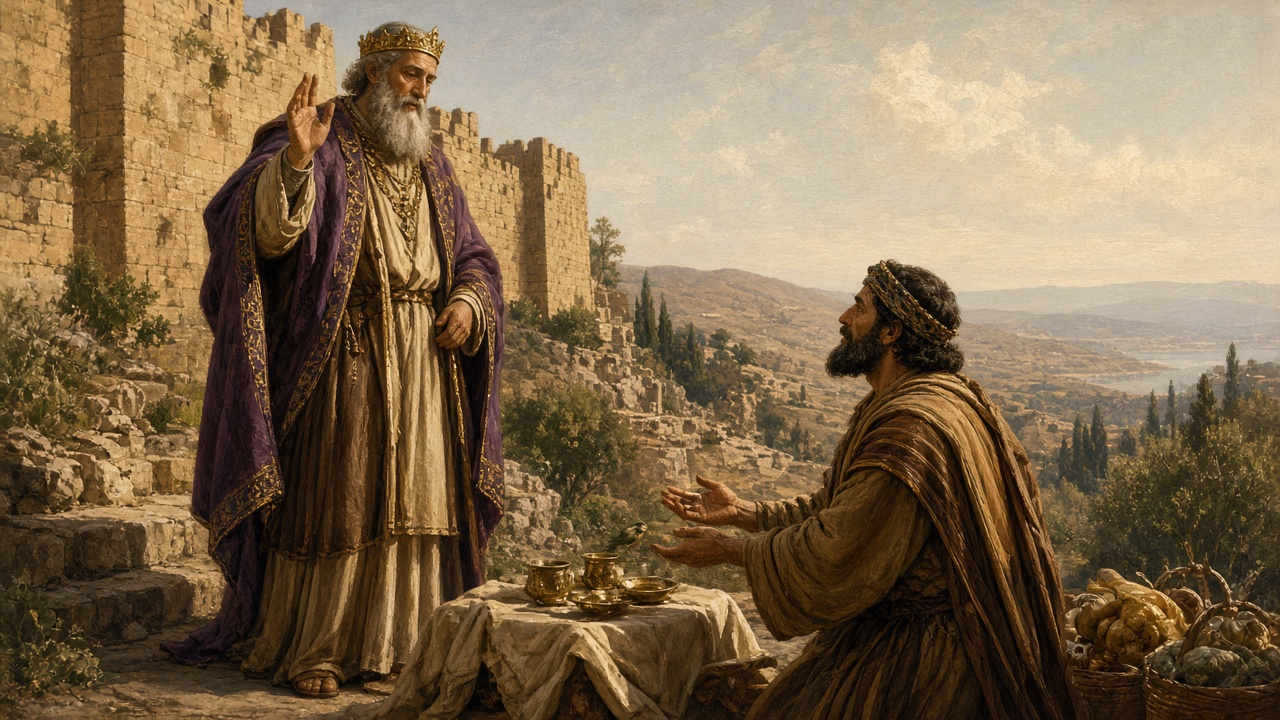
- Easton's Bible Dictionary says that the typical significance of Melchisedec, king of Salem and called king of righteousness, is set forth in detail in Hebrews 7. It summarizes the chapter as pointing out the superiority of his priesthood to Aaron's: Abraham paid him tithes and was blessed by him; Levi, still unborn, paid tithes in the person of Abraham; and he is the type of a priest who lives for ever, a permanence in Christ said to imply the abrogation of the Levitical system.Sources: Melchisedec
- Hebrews 9:2 is cited for the Holy Place, one of the two portions of the tabernacle. Easton describes it as twenty cubits long and ten in height and breadth, lit only by the golden candlestick because it had no opening for light, holding the table of showbread and the golden altar of incense, and divided from the holy of holies by a veil of costly materials and the brightest colors; the temple, he notes, followed the same arrangement.Sources: Holy Place
- Salem, which Easton renders "peace," is commonly supposed to be another name for Jerusalem, and Hebrews 7:1-2 is among the passages he cites. He also calls Jerusalem the "city of God" and the "holy city," and says that its name in the original is dual, meaning "possession of peace" or "foundation of peace," probably referring to the hills of Zion and Moriah or to the upper and lower city.Sources: Salem · Jerusalem
Notes written with AI assistance from open sources (Theographic Bible Metadata, CC BY-SA 4.0; Easton’s Bible Dictionary, public domain) and reviewed before publishing.
Kamɨre Kabwaalɨbaangei tagebɨ Godɨyai nedage'nesɨ.
1Kɨgaakuna kwala naangegaa' Godɨyai kamɨnyɨ wɨ'nawɨdɨbwaagyaraabɨ sɨmunya pɨnɨnna pɨrɨ' wɨdɨna, pɨnɨnna pɨrɨ' wɨdɨna. Yɨ sara kujaa' sagwara nemɨre Ne sɨnyamwɨnyaraabɨ sɨmunya nabinabinya pɨbura wɨjaasara kwaraaryare. 2Kɨrɨ' nabaai tagaa' aayagasa Godɨyai yagaala nedage' kamɨre Kabwaalɨbaangei nedagesɨ. Sagwarɨ Kanɨmaangele wɨya maaryɨ'nerɨ Godɨyai mena tagɨlakagelyɨ. Nabaai Kabwaalɨbaanga sagwarɨ Kwaaga tasɨ sugunya kɨrɨsɨ Godɨyai yabɨgaryaagengɨ. 3Kabwaalɨbaangei sagwai Godɨyale paaga tɨragɨnyabɨ lɨbamwaja naangelyɨ. Yɨ nemɨnyɨ Paaga naanga nemwadandelyɨ. Sagwai Godɨyarɨ abaaina nebulya'nayalyɨ. Kamɨre yagaala tɨragɨnya kɨnɨnnɨge' tanda wɨyangɨ tɨragɨnya yɨbaimwanda wɨya sarengɨ lɨmwagatelyɨ. Kayaa'nayangɨne tɨbɨkɨsa tuimwagasɨta yɨ'ne' sagwai wamwɨnya yunebanna yɨ'mwannaga Kingɨya Naangei munya kepeba mwaarɨgele aangajimagɨ tɨragɨnnɨgeba mwaara'.
Godɨyale Kabwaalɨbaangei enjelɨyara mamaayaraabɨ wabɨlabɨgerɨnesɨ.
4Kabwaalɨbaangei Kanɨmaangerɨ yebya tewaanya nawɨ'nyaange' mena maarage' yɨ mamaayaraabɨre yebyabɨ wabɨlabagabaaimbɨ' yɨ sasare sagɨrɨbɨ kamɨ sai mamaayaraabɨna naanga nebulya'na yɨma'nagelyɨ. Yɨ sagwara sarɨ kwaagemwɨ wɨra'nagasalyɨ. 5Sare' tarebɨnyɨ. Sɨnyamwɨ sagaa' Godɨyai mamaayarajɨya aane pwai kwarɨ tara mwɨja'
“Kɨmɨ nɨmɨnyɨ nyɨmbwaalɨbaangeiginyɨra.
Tagaa' kɨmaamaangeinyɨ kɨmwaaigɨmweiginyɨ.”
Kɨrɨ' Kabwaalɨbaangerɨ sara wɨda'. Yɨ sagwai mamaayarɨna ayagi mwɨja'
“Kamɨnyɨ kanɨmaangeinyɨ yɨma'nɨmɨdeinyɨ.
Nɨmɨnyɨ nyɨmbwaalɨbaangei yɨma'nadelyɨ.”
6Kɨrɨ' Kwaagebagɨ mwaaryaraabyɨmwɨnna sagwai kamɨre aaya mudɨgwaimɨraabyarɨ makwaraabagegaa' sarei ta' “Mamaaya wɨya Godɨyainyɨrera sagwarɨ yɨraaya nabyaa maripɨga!” 7Nabaai sagwai mamaayaraabɨna tara ta'
“Kamɨre mamaayaraabɨ yɨgwɨjapɨsaraabɨ wɨmwaaigandere.
Kamɨre wɨdaayandɨbɨsaraabɨ tɨtaarɨsapɨsaraabɨ wɨmwaaigandere.
8Kɨrɨ' Kabwaalɨbaangerɨna tara ta'
“Godɨyaigi, wɨyagaa' wɨyagaa'ne kingɨnamwaaryɨsabɨ tɨmaremwaaideiginyɨ.
Kɨmɨre a'mweraabɨ kingɨyɨsarɨsɨ yɨda'nanyabwina yawɨbwaramaremwaaindɨnyaiginyɨ.
9Kɨmɨnyɨ yɨda'maraanga sabwina tewaanya kɨbu'nandeiginyɨ.
Kɨmwɨnyangɨ kalajegɨbaryabwina sɨmɨlɨga kwimwaarɨgeiginyɨ.
Mɨdɨnɨnyabɨdaa'nyɨ Godɨyainyɨ kɨmɨre Godɨyainyɨ yɨrewelɨya' kɨdɨngeiginyɨ.
Yɨ welɨya taja' kɨmɨnyɨ yɨraaya kyɨgalageiginyɨ.
Sa'mwera yɨbaigɨnyabaaimbɨ' yɨraaya yɨbaigatara mɨ'.”
10Nabaai Kabwaalɨbaangerɨna tara ta'
“Naangeigi sɨnyamwɨ Kwaaga tada' wagyaanyaiginyɨ.
Nabaai sugunya' kɨmnya ajɨraalyɨ yabɨgaryaanyaiginyɨ.
11Wɨyabaai yɨnagu kayaaga yɨnyɨna yadebaalyɨ.
Kɨrɨ' kɨmɨ aawa. Wɨyagaa' mwaaindɨnyaiginyɨ.
Wɨyabaalyɨ wɨya pɨnɨjɨ aya yɨma'nadengɨ.
Paajɨ'ma'nya pɨrɨ' aya yɨma'nyɨna yadebaaimbɨsangɨ.
12Yɨ yɨbɨja aya' kɨ'mwagakɨna yadebaaimbɨ'
Kɨmɨ wɨya sangɨ tɨgɨ'mwagakɨdeiginyɨ.
A'mwei paajɨ'ma'nya yadaigamaa'na yandebaaimbɨ'
Kɨmɨ wɨya sangɨ yadaigamaata sɨdengɨ.
Kɨrɨ' kɨmɨ yuna sana tɨmwaaindeiginyɨ.
Kɨmɨre kwaramegaa' wi'na yɨwawade mɨ'.”
13Pɨgaa' kɨgaa' Godɨyai mamaaya tarajɨya pewarɨ wɨdagelaga!. Aawa. Kabwaalɨbaangerɨna tara tɨnɨ'
“Kɨmɨ nɨmɨre aangasɨrɨ tɨragɨnyaba tɨmwaara!
Kɨmɨnyɨ talaangemwɨ wɨra'narya'negaa'na yɨgamaangeraabɨ kwagɨmɨdegaa'nayɨ.”
14Aawa. Mamaayara yɨ sagwara kuryarera. Yɨ kurya sagwara Godɨyarɨ wɨdaayandɨbɨsare. Godɨyai a'mwera kamɨre yuna padaigasamaaryɨ'neraabɨna kaimwagya'ne mamaayaraabɨ maryaasandere.
Did you know?
The Son Superior to the Angels
- The chapter opens by contrasting the many past occasions when God spoke to our fathers through the prophets with these last days, when he has spoken by his Son. The Son is appointed heir of all things and is the one through whom God made the universe.Sources: the Bible text itself
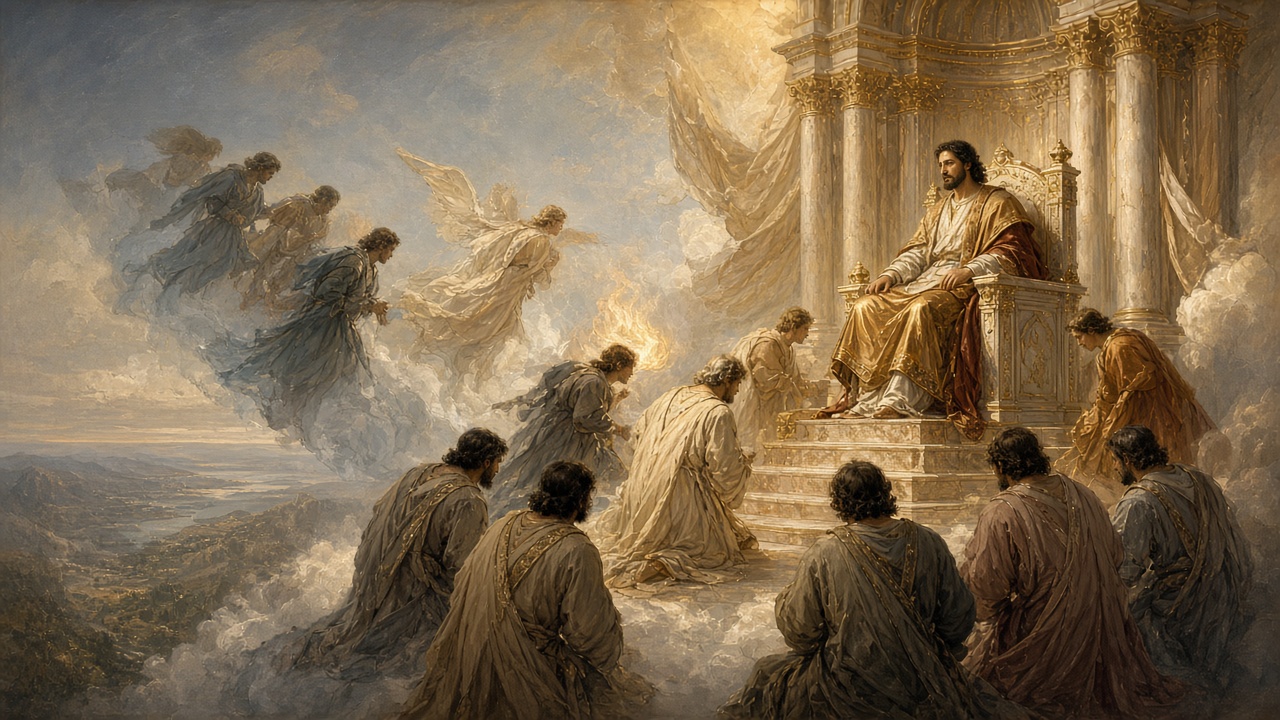
- The Son’s superiority to the angels is set out through words the chapter attributes to God. No angel is said to have been addressed as Son in this way; the angels are told to worship the firstborn, while the Son is addressed as God, with a throne that endures forever, and as Lord, who laid the foundations of the earth.Sources: the Bible text itself
- Angels are described as winds and as flames of fire, and as ministering spirits sent to serve those who will inherit salvation. After providing purification for sins, the Son is said to have sat down at the right hand of the Majesty on high, a place the chapter says was never offered to any angel.Sources: the Bible text itself
Notes written with AI assistance from open sources (Theographic Bible Metadata, CC BY-SA 4.0; Easton’s Bible Dictionary, public domain) and reviewed before publishing.
Credits and license for this translation
Selected Scriptures in Yipma/Wagamwa
Selected Scriptures in the Wagamwa dialect of the Yipma language (parts of John, 1 John, Romans, and Hebrews).
Sampela hop long Nupela Testamen long tokples YIipma Wagamwa long Niugini
copyright © 2011 Wycliffe Bible Translators, Inc.
Language: Yipma/Wagamwa (Yipma)
Dialect: Wagamwa
Translation by: Wycliffe Bible Translators
This translation is made available to you under the terms of the
Creative Commons Attribution-Noncommercial-No Derivatives license 4.0.
You may share and redistribute this Bible translation or extracts from it in any format, provided that:
You include the above copyright and source information.
You do not sell this work for a profit.
You do not change any of the words or punctuation of the Scriptures.
Pictures included with Scriptures and other documents on this site are licensed just for use with those Scriptures and documents.
For other uses, please contact the respective copyright owners.
2015-01-02
Source: http://png.bible/byr-w/ · eBible.org