Exodus 4
Kitabu ka Kanu · Tap a verse to see its cross-references.
Kanu kəmentər fənɔntər fɔn Musa
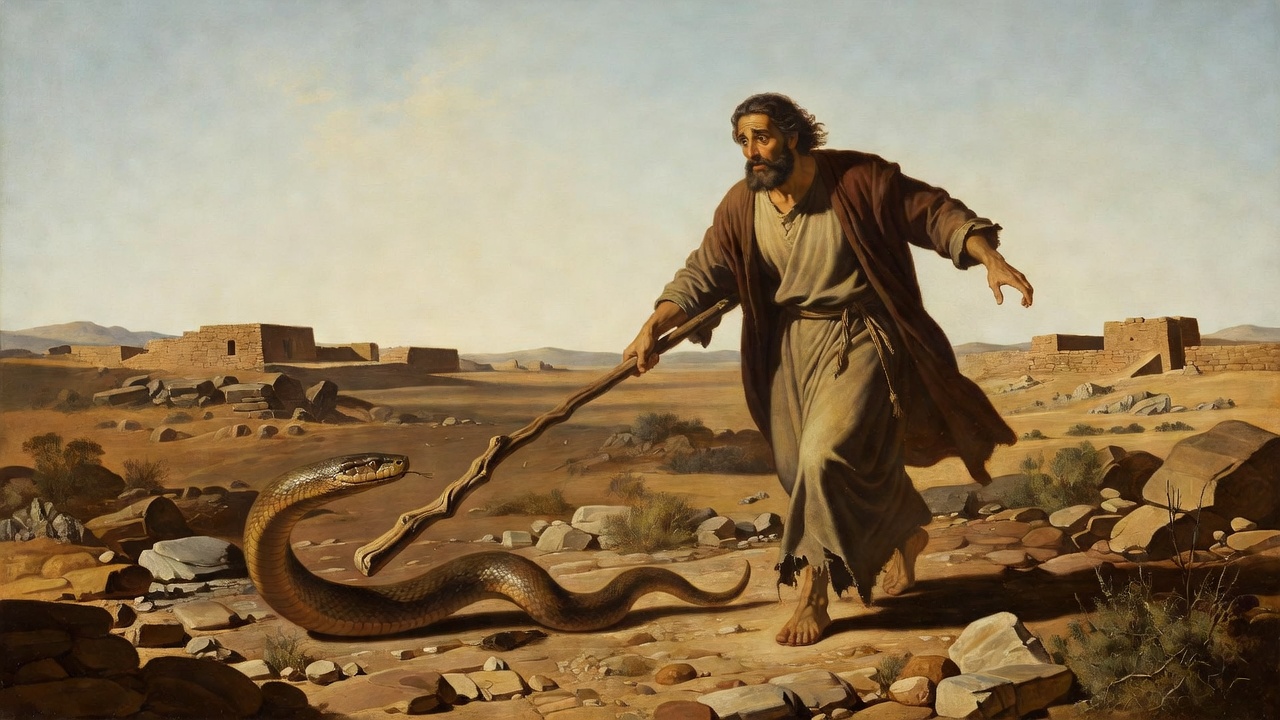
1Mba kɔ Musa oluksɛ MARIKI moloku: «Ŋafɔdekɔlaŋ im, ŋafɔdekɔcəŋkəl dim dem. Ntɛ ŋandekɔloku mɔ: ‹MARIKI owurər f'am.›» 2Kɔ MARIKI eyif kɔ: «Ake məntɔmpər-ɛ?» Kɔ Musa oloku: «Kəgbo.» 3Kɔ MARIKI oloku: «Mələm ki ma dəntɔf.» Kɔ Musa ɛləm kəgbo kɔn dəntɔf, kɔ kəgbo kəntəŋkəlɛ abok. Kɔ Musa ɛyɛksər ŋi. 4Kɔ MARIKI oloku Musa: «Mətɛnc kəca məsumpər ŋi nde dəkəleŋa.» Kɔ Musa ɛntɛnc kəca k'osumpər ŋi, kɔ ŋɛntəŋkəlɛ sɔ kəgbo kəca kɔn disrɛ.
5Kɔ MARIKI oloku Musa: «Tantɛ t'endekɔsɔŋɛ aka Yisrayel kəlaŋ oŋ a MARIKI Kanu ka atem aŋan, Kanu ka Abraham, Siyaka, kɔ Yakuba kəwurər əm.» 6Kɔ MARIKI oloku sɔ Musa: «Məbɛr kəca duma tantɔf dɛbəkəc,» kɔ Musa ɛmbɛr kəca kɔn duma tantɔf k'endeŋnɛ dɛbəkəc. Ntɛ eliŋnɛ ki mɔ, «Eh!», kɔ sen səsumpər kɔ kəca kɔ kəferɛ, pəmɔ ntɛ kibi kəntufər paka mɔ. 7Kɔ Kanu kəloku kɔ sɔ: «Məgbɔkərɛ sɔ kədeŋnɛ kəca dɛbəkəc.» Kɔ Musa endeŋnɛ sɔ kəca kɔn duma tantɔf dɛbəkəc, «Eh!», kɔ akata ŋa kəca kɔn ŋoluksərnɛ sɔ kəyi pəmɔ ŋɔcɔkɔ-cɔkɔ. 8Kɔ MARIKI oloku Musa: «Kɔ pəyɔnɛ a ŋalaŋ f'am, ŋancəŋkəl fɛ dim da tɛgbɛkərɛ tɛwɛy-wɛy tɔcɔkɔ-cɔkɔ-ɛ, ŋandelaŋ əm teta tɛgbɛkərɛ tɛwɛy-wɛy tɔcɔnc tantɛ. 9Kɔ pəyɔnɛ a ŋasumpər fɛ sɔ moloku mam ta mɛgbɛkərɛ mɛwɛy-wɛy mamɛ mɛrəŋ-ɛ, ta ŋancəŋkəl dim dam-ɛ, məkɛt domun da Nil, məloŋ di antɔf ŋowosu kəroŋ, domun da kəŋgbɔkɔ ka Nil dadɔkɔ məŋloŋ mɔ, dɔŋyɔnɛ mecir antɔf ŋowosu kəroŋ.»
Kanu kəyɛk-yɛk Aruna pəyɔnɛ wədəŋk ka Musa
10Kɔ Musa oloku MARIKI: «Məŋaŋnɛ Mariki, mba fum nwɛ ɔntɔfəfərɛnɛ temer mɔ iyɔnɛ. Bafɔ nendisna, bafɔ nendecna, bafɔ kəyɛfɛ ntɛ mənalɛk kəlok-lokər ina, wəcar kam, a k'ilelɛ kusu kɔ temer mɔ. Tɛsəkpər fɛ. Bawo ilelɛ kusu kɔ temer.» 11Kɔ MARIKI oloku Musa: «An'ɔsɔŋ fum kusu ntɛ tɔŋsɔŋɛ pətam kəlok-loku mɔ-ɛ? An'ɔsɔŋɛ fum kəyɔnɛ bobo, kɔ pəyɔnɛ fɛ ti wətɔne-ɛ? An'ɔsɔŋɛ fum kənəŋk, kɔ pəyɔnɛ fɛ ti wətɔnəŋk-ɛ? Bafɔ in'ɔfɔ, ina MARIKI ba? 12Ndɛkəl oŋ, məkɔ! Ina yati indekɔyi kɔ kusu kam, indekɔ ictəks'am tɔkɔ məndekɔ məcloku mɔ.» 13Mba kɔ Musa oloku sɔ: «Məŋaŋnɛ Mariki mba ilɛtsɛn'am, məsom wəlɔma wəkɔ məfaŋ mɔ.»
14Kɔ pəntɛlɛ MARIKI nnɔ Musa eyi mɔ, k'oloku Musa: «Bafɔ məyɔ wɛnc Aruna, wəLewy? Incərɛ a oŋlok-loku belbel. Gbɛs, nkɔn ender wəkɔ kədefayn'am. Kənəŋk kam kəndebɔt kɔ dɛbəkəc. 15Məde məlok-lokər kɔ, məde məloku kɔ ntɛ endekɔloku mɔ. In'endekɔtɔmpər kusu kam kɔ kɔn, iŋkɔtəks'on tɔkɔ nəndekɔ nəcyɔ mɔ. 16Aruna endekɔlok-lokər'am afum aka Yisrayel, endekɔ kəcyɔn'am kusu, məna məyi pəmɔ kanu nkɛ kəsom kɔ mɔ. 17Mətɔmpər kəgbo kaŋkɛ dəkəca, ki kɔ məŋkɔ məcmentərɛ mɛgbɛkərɛ mɛwɛy-wɛy.»
Musa olukus nde afum ɔn ŋayi mɔ
18Kɔ Musa ɔŋkɔ, k'oluksərnɛ ndena Yetero papa ka wəran kɔn. Kɔ Musa oloku kɔ: «Ilɛtsɛn'am kəwos'em kəluksərnɛ Misira nde afum em ŋayi mɔ kəkɔnəŋk kɔ ŋasɔrɔyi doru-ɛ.» Kɔ Yetero oloku Musa: «Awa məkɔnɛ abəkəc ŋoforu.»
19Kɔ MARIKI oloku Musa, dəndo atɔf ŋa Madiyaŋ: «Məkɔ, məlukus Misira, bawo afum aŋɛ ŋanafaŋ kədif əm mɔ, ŋafi.» 20Kɔ Musa ɛlɛk wəran kɔn kɔ awut ɔn, k'ɛndəs ŋa sɔfale kəroŋ, k'olukus atɔf ŋa Misira pətɔmpər kəgbo nkɛ Kanu kənaloku kɔ kəlɛk mɔ.
21Kɔ MARIKI oloku Musa: «Ntɛ məyi kəlukus Misira mɔ, məkɔkcɛ mɛgbɛkərɛ mɛwɛy-wɛy mɔkɔ isɔŋ'am kətam kəyɔ mɔ fəp, məkɔ məyɔ mi firawona fɔr kiriŋ. Mba ina Kanu, iŋkɔ icyeŋkəs kɔ domp ntɛ tɔŋsɔŋɛ ta ɛsak aka Yisrayel ŋakɔ mɔ. 22Məkɔ məloku firawona: ‹Ntɛ tɔ MARIKI oloku: Yisrayel coco cem cɔ. 23Ilok'əm a məsak wan kem pəkɔ, ntɛ tɔŋsɔŋɛ pəkɔsalɛn'em mɔ. Mba ntɛ məfati kəsak kɔ pəkɔ mɔ, kədif k'inder wan kam wəcɔkɔ-cɔkɔ.›»
Kəkənc ka wan ka Musa
24Kəlukus kəŋan disrɛ, kɔ Musa ɔŋkɔ pəcepərɛnɛ pibi kəfo kəlɔma, kɔ MARIKI ender pəbəp kɔ, pəcfaŋ kədif kɔ. 25Kɔ Sefora wəran kɔn ɛlɛk tasar towoŋu, k'eŋgbintɛ kərot ka wan kɔn, k'oŋgbuŋɛnɛnɛ ki wɛcək wa Musa, k'oloku: «Wos im wəka dəmecir məyɔn'em!» 26MARIKI ɛncɛm-cɛmnɛ fɛ sɔ kədif ka Musa teta kəkənc ka wan kɔn. Itɔ Sefora ɛnalokɛnɛ sɔ Musa: «Wos im wəka dəmecir!» Toloku tantɛ t'aŋloku teta kəkənc.
Kəbəpɛnɛ ka Musa kɔ Aruna
27Kɔ MARIKI oloku Aruna: «Məkɔ məbəpɛnɛ kɔ Musa nde dətɛgbərɛ.» Kɔ Aruna ɔŋkɔ pəbəp wɛnc Musa nde tɔrɔ ta Kanu, k'ɛsapnɛ kɔ. 28Kɔ Musa oloku wɛnc Aruna moloku kɔ mɛgbɛkərɛ mɛwɛy-wɛy fəp mmɛ MARIKI ɛnasom kɔ kəloku kɔ kəyɔ mɔ. 29Musa kɔ Aruna ŋasol, kɔ ŋaŋkɔ ŋaloŋka abeki aka Yisrayel fəp. 30Kɔ Aruna oluksɛ abeki a Yisrayel moloku mmɛ MARIKI ɛnasom Musa kədeloku mɔ fəp, k'ementər mɛgbɛkərɛ mɛwɛy-wɛy fɔr ya afum kiriŋ. 31Kɔ afum a Yisrayel ŋalaŋ. Kɔ ŋancərɛ a MARIKI enderɛnɛ te taŋan k'ɛncərɛ pəcuca pɔkɔ ŋayi disrɛ mɔ, kɔ ŋantontnɛ kəkor-koru belbel MARIKI.
Did you know?
Moses’ Signs and Return to Egypt
- Aaron was born in Egypt three years before his younger brother Moses. God sent him to meet Moses in the wilderness at the mountain of God; because Aaron could speak well, he was to be the spokesman who relayed the LORD’s words to the people.Sources: Aaron · the Bible text itself
- Moses was told that, if the first two signs were not believed, he should take water from the Nile and pour it on the dry ground, where it would become blood. In the Old Testament that river is frequently called Sihor, “the black stream,” or simply “the river.”Sources: Nile · the Bible text itself
- The command to return reached Moses in Midian, the territory of a nomadic Arabian tribe in the desert north of the Arabian peninsula, where the Sinai peninsula served as pasture for their flocks. Jethro, the priest of Midian and Moses’ father-in-law, told him to go in peace, so Moses set out with his wife and sons, carrying the staff of God.Sources: Midian · Jethro · the Bible text itself
Notes written with AI assistance from open sources (Theographic Bible Metadata, CC BY-SA 4.0; Easton’s Bible Dictionary, public domain) and reviewed before publishing.
Places in this chapter
- Nile · Today: Nile River · 31.465, 30.367 · verse 9
- Egypt · 30.129, 31.308 · verses 18, 19, 20, 21, 24, 29
- Midian · 28.495, 35.012 · verse 19
Only places identified with high confidence are shown (90% or more according to the scholarly sources compiled by OpenBible). Period map: DARE (Digital Atlas of the Roman Empire), CC BY 4.0; modern map: © OpenStreetMap contributors; places: OpenBible.info (CC BY 4.0).
Credits and license for this translation
Kitabu ka Kanu
Portions of the Holy Bible in the Baga Sitemu language of Guinea
Des portions de la Sainte Bible dans la langue Baga Sitemu de Guinée
copyright © 2015 Pioneer Bible Translators
Language: Baga Sitemu
Translation by: Traducteurs Pionniers de la Bible
Contributor: Pioneer Bible Translators
This translation is made available to you under the terms of the
Creative Commons Attribution Share-Alike license 4.0.
You have permission to share and redistribute this Bible translation in any format and to make reasonable revisions and adaptations of this translation, provided that:
You include the above copyright and source information.
If you make any changes to the text, you must indicate that you did so in a way that makes it clear that the original licensor is not necessarily endorsing your changes.
If you redistribute this text, you must distribute your contributions under the same license as the original.
Pictures included with Scriptures and other documents on this site are licensed just for use with those Scriptures and documents.
For other uses, please contact the respective copyright owners.
Note that in addition to the rules above, revising and adapting God's Word involves a great responsibility to be true to God's Word. See Revelation 22:18-19.
2025-04-29
Source: http://ebible.org/bsp/ · eBible.org