Psalms 88
Luda yã takada kũ Bisã yão · Tap a verse to see its cross-references.
Kunna ga lɛ́i aduakɛnaa
Ɛzɛra buri Emani lɛ̀ɛ.
1Dikiri Luda ma Surabari,
matɛn wiki lɛ́mma fãnantɛ̃ kũ gwãanio.
2Ǹ tó ma aduakɛna kámma,
ǹ sã kpá ma ↄ́ↄdↄnaai.
3Zaakũ yã'ũmmana ma nɛ̀sɛɛ pà,
ma wɛ̃̀ndii kú ga lɛ́i.
4Ò ma da gbɛ̃ kũ òtɛn si gyãwãnnnↄ tɛ́,
ma gↄ̃ gbãnasaride ũ.
5Ò pã kpàmai ò ma da gɛ̀nↄ tɛ́
lán gbɛ̃ kũ ò wutɛna miran sↄ̀rↄrↄnↄ bà,
lán gbɛ̃ kũ ń yã dↄngu doro
ń bàka kú kũnworonↄ bà.
6N ma zu wɛ̀ɛ lòkoton
ari zĩtɛ tú tↄ̃̀nↄwɛɛ gusiran.
7N pↄfɛ̃ tↄ̃̀ma,
a ísↄ̃ dàmala.
8N tò ma gbɛ̃nↄ ma zukũna,
n tò ò ye ma kãiro.
Ò ma tata, boki kunlo,
9warikɛna ma wɛ́ sira kũ̀.
Matɛni n sísi zaa kↄnkↄ ari ↄkↄsi,
ma ↄnↄ dↄnanyĩ.
10Gɛ̀nↄn ndì yãbonsarɛ kɛńnɛ yá?
Gyãwãndenↄ mɛ́ òdi futɛ ò n sáabu kpá yá?
11Òdi n gbɛ̃kɛ baba mira gũnn yá?
Òdi n náanikɛna yã o gyãwãnn yá?
12Ò n daboyãnↄ dↄ̃ gusira gũnn yá?
N yãmanakɛnanↄ dↄ̃na kú yãsãnguki gũnn yá?
13Dikiri, matɛn ↄ́ↄ dↄnnɛ,
ma aduakɛna kↄnkↄ dì ká n kĩnaa.
14Bↄ́yãi ntɛn gímaii, Dikiri?
À kɛ̀ dera n mìkpɛrɛ zùmɛnɛɛ?
15Má kú ga lɛ́i wɛ̃ndawɛ̃nda zaa ma kɛfɛnnakɛgↄrↄa,
n yã pãsĩnↄ tↄ̃̀ma, ma gↄ̃ sã̀ii.
16N pↄfɛ̃namai dàmala,
n vĩnapↄnↄ ma kakatɛ.
17Ò dàmala lán í bà zaa kↄnkↄ ari ↄkↄsi,
ò lìkamai mámmam.
18N tò ma gbɛ̃nↄ kũ ma gbɛ̃nnanↄ ma zukũna,
gusira mɛ́ à gↄ̃̀ ma kpàasi ũ.
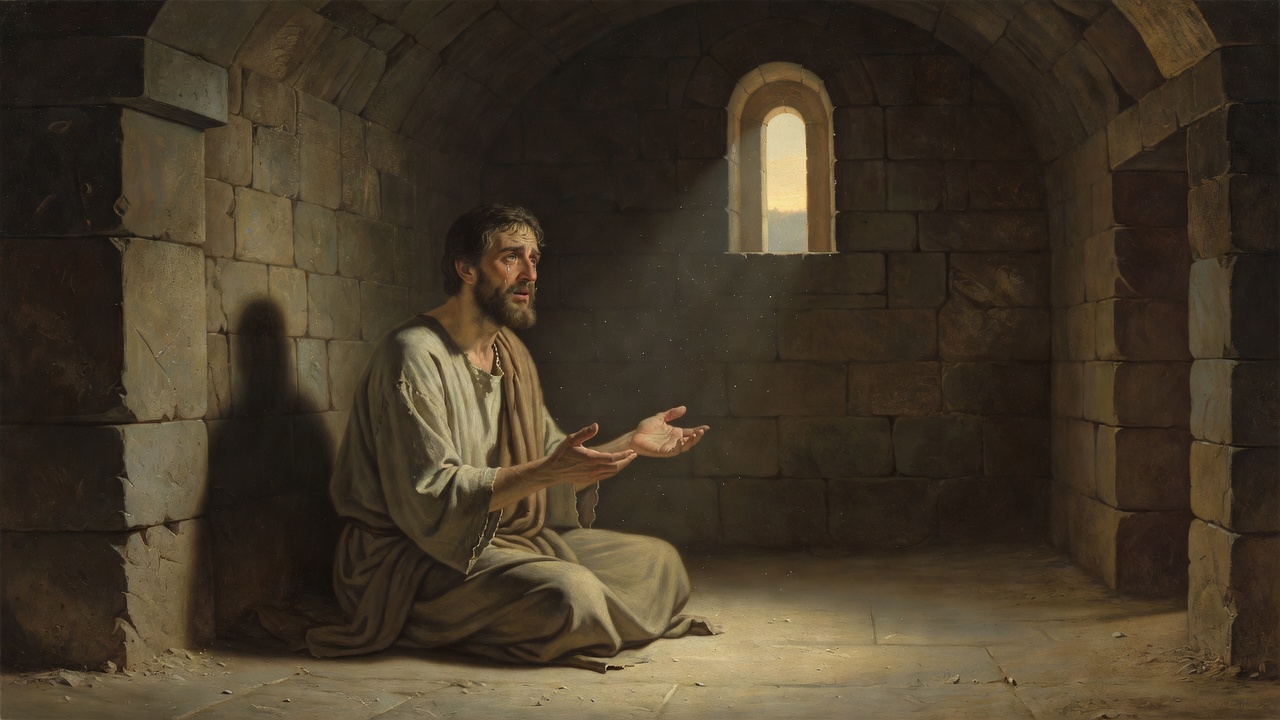
Did you know?
A Cry from Deep Darkness
- The superscription designates this song as a psalm of the sons of Korah and a Maskil of Heman the Ezrahite, directed according to Mahalath Leannoth.Sources: the Bible text itself
- The speaker depicts the realm of the dead using several terms, including Sheol, the Pit, Abaddon, and the land of oblivion. The text poses rhetorical questions about whether God's wonders and faithfulness can be known or praised from such places.Sources: the Bible text itself
- Unlike many biblical laments that transition into expressions of confidence or praise, Psalm 88 sustains an unrelieved tone of suffering and isolation, ending with darkness described as the speaker's closest companion.Sources: the Bible text itself
Notes written with AI assistance from open sources (Theographic Bible Metadata, CC BY-SA 4.0; Easton’s Bible Dictionary, public domain) and reviewed before publishing.
Credits and license for this translation
Luda yã takada kũ Bisã yão
Portions of the Holy Bible in the Busa language of Nigeria
copyright © 2005 SIM International
Language: Bisã (Busa)
Translation by: SIM
This translation text is made available to you under the
terms of the Creative Commons License: Attribution-Noncommercial-No Derivative Works.
( http://creativecommons.org/licenses/by-nc-nd/3.0/ )
In addition, you have permission to port the text to different file formats, as long as you
do not change any of the text or punctuation of the Bible.
You may share, copy, distribute, transmit, and extract portions
or quotations from this work, provided that you include the above copyright
information:
You must give Attribution to the work.
You do not sell this work for a profit.
You do not make any derivative works that change any of the actual words or punctuation of the Scriptures.
Permissions beyond the scope of this license may be
available if you contact
us with your request.
This translation is made available to you under the terms of the
Creative Commons Attribution-Noncommercial-No Derivatives license 4.0.
You may share and redistribute this Bible translation or extracts from it in any format, provided that:
You include the above copyright and source information.
You do not sell this work for a profit.
You do not change any of the words or punctuation of the Scriptures.
Pictures included with Scriptures and other documents on this site are licensed just for use with those Scriptures and documents.
For other uses, please contact the respective copyright owners.
2014-10-10
Source: http://ebible.org/bqp/ · eBible.org