Salmos 88
Luda yã takada kũ Bisã yão · Toque num versículo para ver as referências cruzadas.
Kunna ga lɛ́i aduakɛnaa
Ɛzɛra buri Emani lɛ̀ɛ.
1Dikiri Luda ma Surabari,
matɛn wiki lɛ́mma fãnantɛ̃ kũ gwãanio.
2Ǹ tó ma aduakɛna kámma,
ǹ sã kpá ma ↄ́ↄdↄnaai.
3Zaakũ yã'ũmmana ma nɛ̀sɛɛ pà,
ma wɛ̃̀ndii kú ga lɛ́i.
4Ò ma da gbɛ̃ kũ òtɛn si gyãwãnnnↄ tɛ́,
ma gↄ̃ gbãnasaride ũ.
5Ò pã kpàmai ò ma da gɛ̀nↄ tɛ́
lán gbɛ̃ kũ ò wutɛna miran sↄ̀rↄrↄnↄ bà,
lán gbɛ̃ kũ ń yã dↄngu doro
ń bàka kú kũnworonↄ bà.
6N ma zu wɛ̀ɛ lòkoton
ari zĩtɛ tú tↄ̃̀nↄwɛɛ gusiran.
7N pↄfɛ̃ tↄ̃̀ma,
a ísↄ̃ dàmala.
8N tò ma gbɛ̃nↄ ma zukũna,
n tò ò ye ma kãiro.
Ò ma tata, boki kunlo,
9warikɛna ma wɛ́ sira kũ̀.
Matɛni n sísi zaa kↄnkↄ ari ↄkↄsi,
ma ↄnↄ dↄnanyĩ.
10Gɛ̀nↄn ndì yãbonsarɛ kɛńnɛ yá?
Gyãwãndenↄ mɛ́ òdi futɛ ò n sáabu kpá yá?
11Òdi n gbɛ̃kɛ baba mira gũnn yá?
Òdi n náanikɛna yã o gyãwãnn yá?
12Ò n daboyãnↄ dↄ̃ gusira gũnn yá?
N yãmanakɛnanↄ dↄ̃na kú yãsãnguki gũnn yá?
13Dikiri, matɛn ↄ́ↄ dↄnnɛ,
ma aduakɛna kↄnkↄ dì ká n kĩnaa.
14Bↄ́yãi ntɛn gímaii, Dikiri?
À kɛ̀ dera n mìkpɛrɛ zùmɛnɛɛ?
15Má kú ga lɛ́i wɛ̃ndawɛ̃nda zaa ma kɛfɛnnakɛgↄrↄa,
n yã pãsĩnↄ tↄ̃̀ma, ma gↄ̃ sã̀ii.
16N pↄfɛ̃namai dàmala,
n vĩnapↄnↄ ma kakatɛ.
17Ò dàmala lán í bà zaa kↄnkↄ ari ↄkↄsi,
ò lìkamai mámmam.
18N tò ma gbɛ̃nↄ kũ ma gbɛ̃nnanↄ ma zukũna,
gusira mɛ́ à gↄ̃̀ ma kpàasi ũ.
Você sabia?
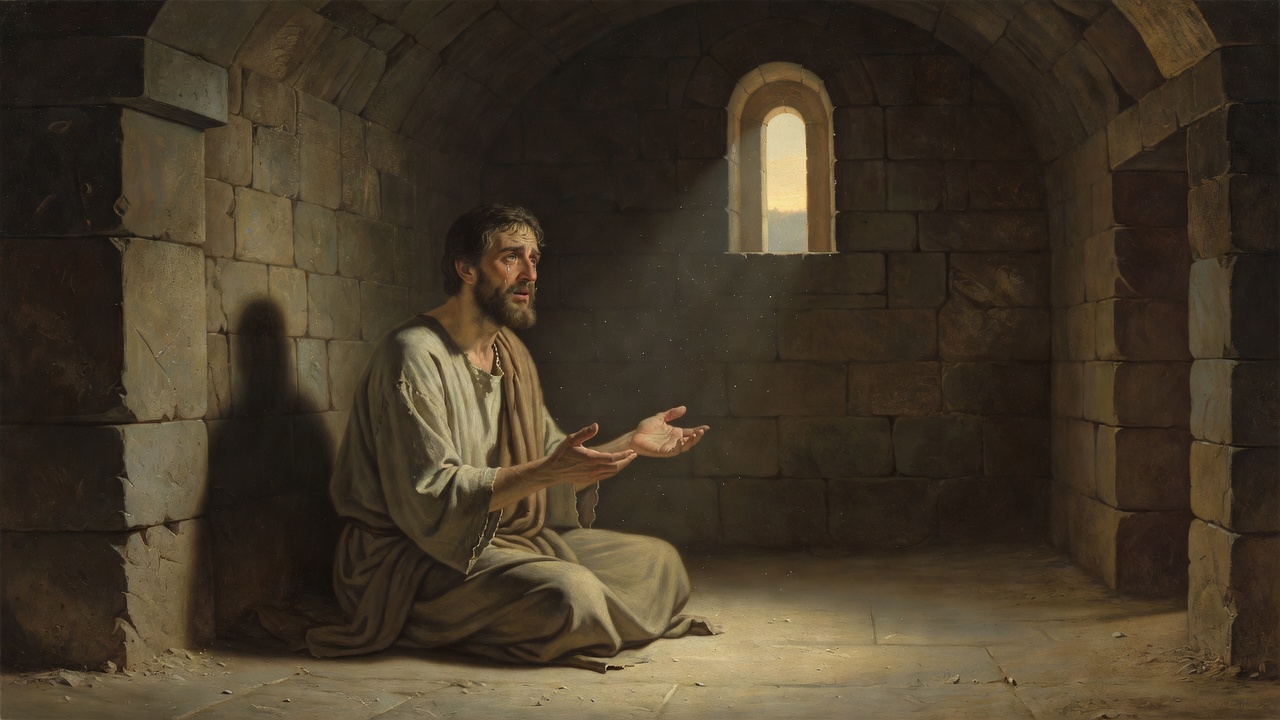
Um Clamor na Profunda Escuridão
- O cabeçalho designa este cântico como um salmo dos filhos de Corá e um Maskil de Hemã, o ezraíta, dirigido segundo Mahalath Leannoth.Fontes: o próprio texto bíblico
- O orante retrata o reino dos mortos usando vários termos, incluindo Seol, a Cova, Abadom e a terra do esquecimento. O texto apresenta perguntas retóricas sobre se as maravilhas e a fidelidade de Deus podem ser conhecidas ou louvadas em tais lugares.Fontes: o próprio texto bíblico
- Ao contrário de muitos lamentos bíblicos que transitam para expressões de confiança ou louvor, o Salmo 88 mantém um tom contínuo de sofrimento e isolamento, terminando com a escuridão descrita como a companhia mais próxima do salmista.Fontes: o próprio texto bíblico
Notas escritas com auxílio de IA a partir de fontes abertas (Theographic Bible Metadata, CC BY-SA 4.0; Easton’s Bible Dictionary, domínio público) e revisadas antes de publicar.
Créditos e licença desta tradução
Luda yã takada kũ Bisã yão
Portions of the Holy Bible in the Busa language of Nigeria
copyright © 2005 SIM International
Language: Bisã (Busa)
Translation by: SIM
This translation text is made available to you under the
terms of the Creative Commons License: Attribution-Noncommercial-No Derivative Works.
( http://creativecommons.org/licenses/by-nc-nd/3.0/ )
In addition, you have permission to port the text to different file formats, as long as you
do not change any of the text or punctuation of the Bible.
You may share, copy, distribute, transmit, and extract portions
or quotations from this work, provided that you include the above copyright
information:
You must give Attribution to the work.
You do not sell this work for a profit.
You do not make any derivative works that change any of the actual words or punctuation of the Scriptures.
Permissions beyond the scope of this license may be
available if you contact
us with your request.
This translation is made available to you under the terms of the
Creative Commons Attribution-Noncommercial-No Derivatives license 4.0.
You may share and redistribute this Bible translation or extracts from it in any format, provided that:
You include the above copyright and source information.
You do not sell this work for a profit.
You do not change any of the words or punctuation of the Scriptures.
Pictures included with Scriptures and other documents on this site are licensed just for use with those Scriptures and documents.
For other uses, please contact the respective copyright owners.
2014-10-10
Fonte: http://ebible.org/bqp/ · eBible.org