Exodus 12
I tnalù dwata · Tap a verse to see its cross-references.
I klius Dwata
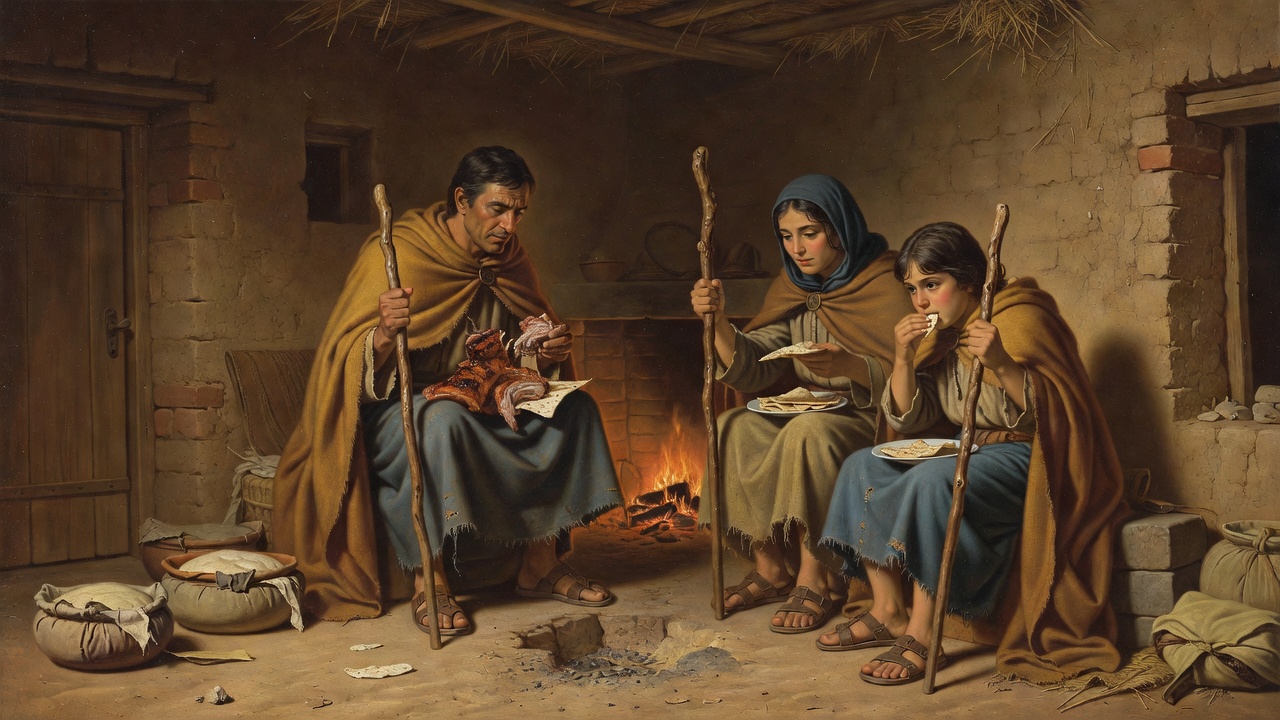
1Na ditù di banwe Idyif, lêman talù Dwata i Amu di ku Mosis na Aron, manan, 2“Mdà ani, i bulen ani i tnanin bulen i fali di gamu. 3Fgadeam di kdee dad bel Israél kadang di gasfaloan duh di bulen ani, kat satu lagi malék i tingà bilibili ku demen i tingà kambing i dsù kat malay. 4Ku là dee di satu malay, na làla kè mti knaan i satu bilibili di sulê kmaan, fakay ku i satu malay saldan samtlaban kmaan ku gablà di kdeela. 5Na nalékyu i bilibili lagi, ku demen kambing lagi alò sfali i taklon sut na landè gukulangan. 6Nifatyu ale, kel di gasfalò fat duh i bulen ani, na di too flabi, i dee dad bel Israél toola fnati i dad lmanaf ani. 7Kafnge én, mwè ale dademe litè i lmanaf, na ihokla di lwe taldak i takab, na lêman di blabal di tah i takab di gumnè i gukmaanla dun. 8Di butang én, tnatêla di lifoh i ungad i lmanaf fnatila gine, na knaanla bol i dad anag féét, na gagin i fan landè falnok. 9Nang gamu kadang kmaan i ungad matà demen snabew, bay i kdee tnatêyu di lifoh, balù mdà di ulun, dad blian, na dad kdee mnè di lam i tienan. 10Na tooyu fti knaan, na nangyu busek kel flafus. Ku nun gdè, snakufyu. 11Gambet ani kakaanyu dun. Lsakyu i klawehyu, i lafin blìyu, na magot gamu i tugadyu, na faflal gamu kmaan, du là sa mlo mdà gamu magu. Na i dagit i kakaan ani dunan, Duh Kaglius Dwata i Amu.
12“Di butang én, magu agu di klamang Idyif, na fnatigu i kdee dad ngà lagi sangal twege di dad to, na lêman di dad lmanaf. Na fanlayamgu i dad là glut mule i dad to Idyif. Agu alò Dwata i Amu. 13Na i litè ihokyu di lwe taldak i takab, na lêman di blabal di tah i takabyu, ani i ilè i gamu gumnè. Na di kitegu kadang i litè, nliusgu gamu, na landè sasè kel di gamu di kaflayamgu i dad to di Idyif.”
14Fadlug talù Dwata di ku Mosis, manan, “Na i duh ani kadang, mgimò too mabtas di gamu, kel di dad belyu. Klit i fali gufaldamyu i mgimògu di gamu, na dnayenyu Dwata i Amu. 15Fitu duh i kloyu kmaan fan landè falnok. Di tnanin duh, batyu i falnok i fan mdà di gumnèyu, du ku nun kmaan balù tan i nun falnok mdà di tnanin duh kel di gfitun duh, là kenen gakuf di dad togu dunan dad bel Israél. 16Di tnanin duh, na di gfitun duh, stifun gamu, du mangamfù gamu di deg. Nang gamu mimò di duh én, bay fakay gamu alò mimò knaanyu.
17“Nimòyu i fista ani klit fali, i kakaan dad fan landè falnok, du fandamyu i duh kafalwàgu gamu di banwe Idyif. Fandamyu na i dad belyu i duh ani kel di atuan. 18Mdà di too flabi i sfalò fat duh di tnanin bulen, kel di too flabi i lwe falò satu duh, fnanggu gamu kmaan fan i nun falnok. 19Nang gamu musek i falnok fan di gumnèyu di klo i fitu duh. Hae, du ku nun to, balù i bel Israél, ku demen i mahal to, kmaan balù tan i nun falnok, to én là gakuf di dad togu, dunan dad bel Israél. 20Taman nang gamu kmaan balù tan i nun falnok. Balù nè gamu, i fan knaanyu, alò i fan landè bol falnok.”
Én gman Dwata.
21Kafnge én, fatlo Mosis i kdee dad tua di dad bel Israél. Na manan di dale, “Malék gamu i tingà bilibili, ku demen kambing, di kat satu malay na tnatêyu na knaanyu di kakel i Duh Kaglius Dwata. 22Mwè gamu i dad malnak fanga hisof, na lnabyu di tukung nun litè i bilibili demen kambing i tnatêyu, na ihokyu di lwe taldak i takab, na lêman di blabal di tah i takabyu. Na balù satu di gamu, nang lamwà di gumnèyu kel di flafus, 23du magu Dwata i Amu di klamang banwe Idyif, du fnatin i dad ngà lagi sangal twege di dad to Idyif. Na di kiten kadang i litè di bà takabyu, nliusan i gumnèyu, na laan fafusuk i kasaliganan i dekan, du fnatin i dad ngà lagi sangal twege.”
24Na fadlug talù Mosis di dad tua di dad bel Israél, manan, “Mimen gamu i kdee gmangu gine, kel di dad belyu, na kel di atuan. 25Na di kakelyu kadang di satu duh, di banwe i fakang Dwata i Amu blé di gamu, tooyu fandam klit fali i Duh Kaglius Dwata di gamu. 26Na ku smalek i dad ngàyu ku tan i duenan i Duh Kaglius Dwata too mabtas di gamu, na tan i duenan klit fali nun nimòyu gufaldamyu dun, 27tulenyu di dale, ‘Ani damsù gami di Dwata i Amu, du ani i gufaldammi i kagliusan di knè i dad toito di banwe Idyif. Hae, du nliusan sa i dad gumnè i dad bel Israél, na laan fakuf di kfatin i kdee dad lagi sangal twege di dad to Idyif.’ Ani i tulenyu kadang di dad ngàyu.”
Kagman Mosis ani, lkuad i dad bel Israél, du fnangamfùla i Dwata.
28Kafnge én, nimenla i dek Dwata i Amu dale, fagu di ku Mosis na Aron.
29Na di tngà butang, fafati Dwata i Amu, i kdee dad lagi sangal twege di banwe Idyif, mdà di lagi sangal twege, tingà Faraon, i tamlas moon kenen kdatahan, kel di tingà twege i to bnilanggù. Na balù i kdee dad sangal twege i dad lmanaf mati. 30Di butang én, Faraon na i kdee dad ganlalan, na balù i kdee dad to Idyif, mgukat ale, du too nun mlanu di klamang Idyif, hae, du landè sa gumnè i landè to mati.
I kalwà i dad bel Israél
31Na di butang én fa, fngé Faraon Mosis na Aron, na manan di dale, “Mdà gamu, gamu na i dademeyu dad bel Israél. Mdà gamu di banwegu ani, na mangamfù gamu di Dwata i Amu, du ani sa i fniyu. 32Faginyu i dad bilibiliyu, dad kambingyu, na dad bakayu, na mdà gamu nan. Na dmasal gamu di Dwata, du fye blén di deg kafye.”
33Na gnaga i dad to Idyif i dad bel Israél, fye faflal ale mdà, lamwà di banwe Idyif, du manla, “Mati i kdeemi ku là gamu faflal lamwà.” 34Taman i dad bel Israél, tatìla fkah i harinala tamasbol nan, bay là nbol fa falnok, di gusamboolla dun, na fnungasla i dademe klawehla na tniangla. 35Tanimen i dad bel Israél i gman Mosis dale, du tamni ale di dad to Idyif i dad kas salafì na blawen, na lê dad klaweh. 36Tafkah Dwata i Amu, di nawa i dad to Idyif i kafèla i dad bel Israél, na taman bléla i dad fnila di dale. Na ani i kfagu i dad bel Israél gamgebe i dad knun i dad to Idyif.
I kalwà i dad bel Israél di banwe Idyif
37Na tamdà i dad bel Israél magu mdà di syudad Rameses di Gosén salu di Sukot. Na nam latu libu i kdee i dad lagi, na nun fa dee libun na dee dad ngà, lamwà di banwe Idyif. 38Na lê nun dee sahal dad to, na bong dee dad bilibili, dad kambing, na dad baka, i magin dale. 39Na tmaga ale fan i landè fa bol falnok, i nebela mdà di Idyif, du là ale gasleng fatlagad i kakaanla demen làla gbol i falnok di fan, du gnaga ale faflal lamwà di banwe Idyif.
40Fat latu tlu falò fali i klo dad bel Israél mnè di banwe Idyif. 41Na di duh ksikof i fat latu tlu falò fali, lamwà i kdee i dad to Dwata i Amu, di banwe Idyif. 42Butang én, nunung Dwata i Amu, du fye galwà i kdee di banwe Idyif, taman i butang én too mabtas, na i dad bel Israél klit fali nimòla i butang gufaldamla i kafalwà Dwata i Amu dale, kel di atuan. Munung ale butang én, gambet i kunung Dwata i Amu dale, du dnayenla kenen.
Did you know?
Passover and the night Israel left Egypt
- Exodus 12 establishes this month as the first of the year and states that the Israelites left Egypt at the end of a 430-year stay, on the very day that period ended. A timeline given with these sources dates the Exodus to 1490 BC and the start of a 430-year sojourn in Canaan and Egypt to 1920 BC.Sources: the Bible text itself · Exodus from Egypt · Sojourn in Canaan and Egypt
- The Israelites journeyed from Rameses to Succoth with about 600,000 men on foot, besides women and children, a mixed multitude, and large flocks and herds. Easton's Bible Dictionary (1897) says the city of Rameses was probably Zoan, rebuilt by Rameses II, that the land of Rameses was probably Goshen, and that Succoth, their first encampment, was the civil name of Pithom.Sources: the Bible text itself · Rameses · Succoth
- Pharaoh, whom the chapter does not name, summoned Moses and Aaron during the night and ordered the Israelites to leave at once. Easton's Bible Dictionary (1897) thinks the Pharaoh of the Exodus was probably Menephtah I, the fourteenth and eldest surviving son of Rameses II, who resided at Zoan, while noting that some judge the evidence to favor Seti II.Sources: the Bible text itself · Pharaoh (of the Exodus)
Notes written with AI assistance from open sources (Theographic Bible Metadata, CC BY-SA 4.0; Easton’s Bible Dictionary, public domain) and reviewed before publishing.
Places in this chapter
Only places identified with high confidence are shown (90% or more according to the scholarly sources compiled by OpenBible). Period map: DARE (Digital Atlas of the Roman Empire), CC BY 4.0; modern map: © OpenStreetMap contributors; places: OpenBible.info (CC BY 4.0).
Credits and license for this translation
I tnalù dwata
New Testament in Blaan, Sarangani
copyright © 1998 Wycliffe Bible Translators, Inc.
Language: Sarangani Blaan (Blaan, Sarangani)
Translation by: Wycliffe Bible Translators
Contributor: Wycliffe Bible Translators, Inc.
Copyright Information
© 1998, Wycliffe Bible Translators, Inc. All rights reserved.
This translation text is made available to you under the
terms of the Creative Commons License: Attribution-Noncommercial-No Derivative Works.
( http://creativecommons.org/licenses/by-nc-nd/3.0/ )
In addition, you have permission to port the text to different file formats, as long as you
do not change any of the text or punctuation of the Bible.
You may share, copy, distribute, transmit, and extract portions
or quotations from this work, provided that you include the above copyright
information:
You must give Attribution to the work.
You do not sell this work for a profit.
You do not make any derivative works that change any of the actual words or punctuation of the Scriptures.
Permissions beyond the scope of this license may be
available if you contact
us with your request.
The New Testament
in Blaan, Sarangani
© 1998, Wycliffe Bible Translators, Inc. All rights reserved.
This translation is made available to you under the terms of the
Creative Commons Attribution-Noncommercial-No Derivatives license 4.0.
You may share and redistribute this Bible translation or extracts from it in any format, provided that:
You include the above copyright and source information.
You do not sell this work for a profit.
You do not change any of the words or punctuation of the Scriptures.
Pictures included with Scriptures and other documents on this site are licensed just for use with those Scriptures and documents.
For other uses, please contact the respective copyright owners.
2015-03-17
Source: http://ebible.org/bps/ · eBible.org