2 Corinthians 8
Píívyéébé ihjyu: jetsocríjyodítyú cáátúnuháámɨ · Tap a verse to see its cross-references.
Pɨ́áábojcátsi
1Téhdure ó imíllé ámuha táñahbémuke o úúballéné muhdú Matsedóóniá iiñújɨri íjcyáné cahcújtso múnaa ɨ́cúbáhrámeímyeke Píívyéébe pɨ́áábohíjcyáné diityédí ɨɨ́dáátsóvénema. 2Aame muurá tsaímíyé íjcyame mítyane pɨ́áábohíjcyá tsijtye ménahbémuke. 3Aane ó waajácú ɨ́mɨááné ditye pɨ́áábohíjcyáné íjcyátúrónetu diityéké ɨpɨ́aabóné iímíllénélliíhye. 4Aamée múhtsikye néé téhdure Jerotsaréeri íjcyáné cahcújtso múnáake ditye pɨ́áábóne dsɨ́ɨ́dsɨ́ muhtsi diityé éllevu metsájtyeki. 5Ávyetáa tsá muhtsi meɨ́jtsúcunútú ditye tsíjtyeke pɨ́ááboíñe. Árónáacáhjáa ihdyu muhtsi meúwaabóné illéébóne Píívyéébe ímillédú ícyahíjcyámé dííbyedívuréjuco ɨɨ́hvéjtsámeíñema. 6Ehdúu Matsedóóniá iiñújɨri íjcyáné cahcújtso múnaa méénune imíwu muhtsi meɨ́jtsúcunúne Tíítóke menéé ámúhadítyú tsiiñe dibye dsɨ́ɨ́dsɨke iújcuté ɨ́hdée imyéénudu. 7Muurá ámuha tehdújuco meméénuhíjcyáné íñe Píívyéébeke meúráávyenéjcu. Aame ámuha ímí téjɨjtóríjyuco meúwáábohíjcyámé múhtsikye méwajyúhi. Ahdícyane óvíi ámuha meméénuhíjcyadú dsɨ́ɨ́dsɨdi mépɨ́áábójcatsíhi.
8Árónáa ihdyu tsá ámúhakye o táúhbatúne. Íllure ámúhakye ó waajácutsó muhdú ménahbémú pɨ́áábócatsíhijcyáné tehdu ámuha tsíjtyeke mepɨ́áábónetu mewáájácu ɨ́mɨááné ámuha diityéké mewájyune. 9Muurá tsúúca ámuha méwaajácú Máavyéjuubée Jetsocríjtó ɨ́htsútuube íjcyároobe mewájyuri ihdícyaabédú ɨ́cúbáhrámeíñé téénej tééveri tsaímíyé dííbyema maávyéjuutéki.
10Áánéllii ó imíllé ámúhakye o úwaabóné éhnííñevu ámuha meúráávye dsɨ́ɨ́dsɨdi mepɨ́áábócatsíhijcyáné muhdúhjáa éhné pijcyábari ámuha metújkenúdu. Árónáa tsá múu iímíllétúróné pañe pɨ́áábotúne. Múu pɨ́aabó ɨ́mɨááné ɨpɨ́aabóné iímíllénema. 11Ahdícyane óvíi ámuha tsaímíyé mépɨ́áábójcatsí muhdúhjáa tujkénú ámuha meméénudu.
12Árónáa tsá ámúhakye o néétu ámuha mepɨ́áábóne bóónétu ílluréjuco mepɨ́htóveki. Muurá Píívyéébe ímí ɨjtsúcunú múhduná meíjcyátsodúneri tsaatéké mepɨ́aabóne. Tsá meke dibye éhnííñevu táúmeítyúne. 14Muurá ámuha mepɨ́htótúijyu tsíjtyeke mépɨ́áábohíjcyá tsáijyu téhdure ámuha mepɨ́htónetu ditye ámúhakye ɨpɨ́áábo tsahdúré ímí ámuha meíjcyaki. 15Muurá Píívyéébé waajácúháámɨtu nééneé: “Mítyane újcúmema áyánéwu újcúrómedívú tsahdúré úújeténe.” Ehdu nééne Píívyéébé waajácúháámɨtu.
Tíítóke tsatétsí náhbenúne
16Muurá íñe ámúhadi o íjyácunúdúré Píívyéébe túkévéjtsóneri Tííto ámúhakye ɨpɨ́áábóíyóneri ijyácunúhi. Áánéllii muurá ávyeta imílleebe ámúha éllevu o wálloóne. Aabe cáhawáá óvíi ámúhakye aahɨ́vetéhi. Áánéllii mítyane ó téhdujtsó Píívyéébeke.
18Áábema ó wallóó tsijpi dííbyeke náhbénúííbyeke dííbyedítyú cahcújtso múnaa ímí dibye úwaabóné néhíjcyáábeke. 19Áábeke téhdure meménúmé mepɨ́áábójcatsíñe dsɨ́ɨ́dsɨ́ Jerotsaréevu muhtsi metsájtyécooca dibye múhtsikye iñáhbénu tsaímíyé muha teene metsájtye mɨ́amúnaa ɨɨ́jtsúcunútu muhtsi menáníiyóne. Aane ímí muha meúújetétsóneri Píívyéébeke muha maávyéjújtsoki. Áhdure diityéké muha mepɨ́áábóíyóneri meíjyácunúhijcyáné téénetu ditye iwáájácuki. 21Áánéllii muha méimíllé tsaímíyé teene metsájtyene ímí Píívyéébe múúhakye ɨɨ́jtsúcunúki. Árónáa tsá apáábyéré diibye ímí múúhakye ɨɨ́jtsúcunú ímí muha metsájtyéityúne. Téhdure muha méimíllé mɨ́amúnaa ímí múúhakye ɨ́jtsúcunúne.
22Aane íñe Tíítómútsima ó wallóó ménahbe panéváré Píívyéébé icyánéjcú wákimyéí tsaímíyé méénuhíjcyáábeke. Aabe téhdure waajácú ímí ámuha meíjcyane. 23Aane tsáijyu múúne tsaate muubá Tííto íjcyane díllóhajchíí múu néé tápɨááboobe dibye íjcyane. Áhdure tsíjtyétsikye ditye díllóhajchíí múu néé Críjtoke ímí úráávyehíjcyámútsikye ííllé cahcújtso múnaa wálloóne. 24Ahdícyane óvíi ámuha diityéké mewájyúne méɨ́ɨ́cuvé ímí ámúhakye muhtsi meɨ́jtsúcunúmedi idyé tsijtye cahcújtso múnaa iímíjyúúve teene iwáájácúnema.
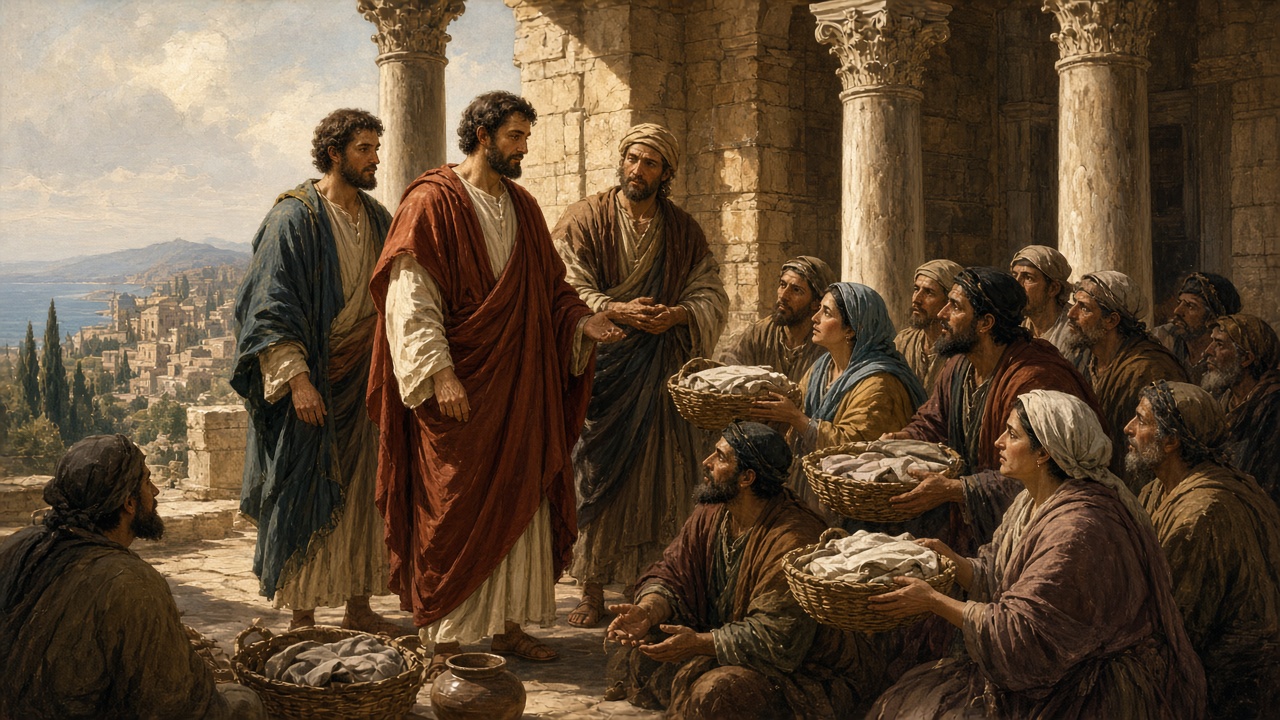
Did you know?
Generosity and the Jerusalem Collection
- In New Testament times Macedonia was a Roman province north of Greece. Paul was summoned by the vision of a man of Macedonia to preach the gospel there, and this chapter tells the Corinthians how those churches, in a terrible ordeal and deep poverty, gave joyfully and even beyond their ability.Sources: Macedonia · the Bible text itself
- Titus, whose name nowhere occurs in Acts, appears to have been a Gentile chiefly engaged in ministering to Gentiles. From Ephesus, Paul sent him to Corinth to forward the church's contributions for the poor saints at Jerusalem; in this chapter Paul urges him to complete that work, and Titus is coming eagerly of his own accord.Sources: Titus · the Bible text itself
- Along with Titus, Paul is sending a brother praised by all the churches for his work in the gospel and chosen by them to accompany the offering, and another brother whose earnestness has been proven many times and in many ways. He explains that this care is meant to avoid criticism of how the generous gift is administered, so that they do what is right not only in the eyes of the Lord but also in the eyes of other people.Sources: the Bible text itself
Notes written with AI assistance from open sources (Theographic Bible Metadata, CC BY-SA 4.0; Easton’s Bible Dictionary, public domain) and reviewed before publishing.
Places in this chapter
Only places identified with high confidence are shown (90% or more according to the scholarly sources compiled by OpenBible). Period map: DARE (Digital Atlas of the Roman Empire), CC BY 4.0; modern map: © OpenStreetMap contributors; places: OpenBible.info (CC BY 4.0).
Credits and license for this translation
Píívyéébé ihjyu: jetsocríjyodítyú cáátúnuháámɨ
New Testament in Bora (PE:boa:Bora)
copyright © 2008 Wycliffe Bible Translators, Inc.
Language: Bora
Translation by: Wycliffe Bible Translators, Inc.
Boara [boa], Peru
Copyright Information
© 2008, Wycliffe Bible Translators, Inc. All rights reserved.
This translation text is made available to you under the
terms of the Creative Commons License: Attribution-Noncommercial-No Derivative Works.
( http://creativecommons.org/licenses/by-nc-nd/3.0/ )
In addition, you have permission to port the text to different file formats, as long as you
do not change any of the text or punctuation of the Bible.
You may share, copy, distribute, transmit, and extract portions
or quotations from this work, provided that you include the above copyright
information:
You must give Attribution to the work.
You do not sell this work for a profit.
You do not make any derivative works that change any of the actual words or punctuation of the Scriptures.
Permissions beyond the scope of this license may be
available if you contact
us with your request.
The New Testament
in Bora
© 2008, Wycliffe Bible Translators, Inc. All rights reserved.
This translation is made available to you under the terms of the
Creative Commons Attribution-Noncommercial-No Derivatives license 4.0.
You may share and redistribute this Bible translation or extracts from it in any format, provided that:
You include the above copyright and source information.
You do not sell this work for a profit.
You do not change any of the words or punctuation of the Scriptures.
Pictures included with Scriptures and other documents on this site are licensed just for use with those Scriptures and documents.
For other uses, please contact the respective copyright owners.
2014-04-22
Source: http://ebible.org/boaNT/ · eBible.org