2 Corinthians 7
Píívyéébé ihjyu: jetsocríjyodítyú cáátúnuháámɨ · Tap a verse to see its cross-references.
1Ehdu íñe Píívyéébe nehíjcyá meke iújcuíñe, ámuúha táñahbémuj. Áánéllii ílluréjuco metsu meɨ́hveté panéváré ímityúné méjpííyií, meɨ́jtsaméiyii, meméénuhíjcyánéhjɨtu. Ááne metsu meɨ́hvéjtsámeí dííbyedívu.
Coríító cóómiyi íjcyame cahcújtso múnaa ímíjpyeténe
2Ahdícyane óvíjyuco múhtsima méímibáávyé tsaímíyé meíjcyaki. Muuráhjáa tsáháturo ɨ́ɨ́nerí ámúhakye muhtsi metútávájtsotúne. Áhdurée tsáháturo ámúhakye muhtsi maállíñé hallúrí ámúhá tsíeméné meékéévetúne. 3Tsá íñe ehdu ámúhakye o néétu ímityúmé ámuha meíjcyánélliíhye. Éíjyúu ámúhakye o néhdu mítyane ámúhakye o wájyúnéllii ó nehíjcyá ímí tsaméhjɨ́ meíjcya múijyú medsɨ́jɨ́vétsihvújuco. 4Aane ó waajácú ámuha tehdújuco meíjcyane. Áánéllii mítyane ó imíjyúú ámúhadi panévaríyé o ɨ́cúbáhrámeíyoobe téénevu o cátóróóvénema.
5Muuráhjáa Matsedóóniá iiñújɨvu muhtsi meúújetémútsí ávyétá ɨhnáhó meɨ́cúbáhrámeíñeri muhtsi mítyane méíllityéhi. 6Árónáacáa Píívyéébe imyéénuhíjcyádú pɨ́áábónej péévé Tííto múhtsidívú ‘bohɨ́bóhɨúvú’ úújeténeri muhtsi méímíjyuuvéhi. 7Árónáacáa tsá apááñéré dibye múhtsidívú úújeténeri muhtsi meímíjyúúvetúne. Ímichíi muhtsi méímíjyuuvé muhdú ámuha meíjcyane dibye múhtsikye úúbálléneri. Múhtsikyée úúbálleebe ámuhává ímítyú meícyahíjcyánetu tsúúca meɨ́hvetémé meíjyácunúhijcyáné ámúhakye muhtsi maááhɨ́vetéíyóneri. Áhdurévá ámuha ímí o íjcyáíyóneri méijyácunúhijcyáhi. Ehdúu dibye múhtsikye úúbálléneri mítyane muhtsi méímíjyuuvéhi.
8Árónáacáa tsánejcúvú ámúhadi ó ɨ́dáátsové éhnée tujkénú ámúha éllevu o wállóháámɨ́ pañe ɨ́hnáhó ámúhakye o úwaabóné kímóhcó ámúhakye pájtyéneri. Áronée óvíjyuco múhajchótáwuúrá ámúhakye tene kímóvejtsóné ámuha meímíjpyetéki. 9Áánéllii ó imíjyúú tééneri. Árónáa tsá ámúhakyée kímóhcó tene pájtyéneri o ímijyúúné o néétune. Ó imíjyúú ámúhakyée kímóhcó tene pájtyétsihdyu ímí tsíhdyuréjuco ámuha meíjcyáneri. Aane ámuha maáábúcuhíjcyáné ímí Píívyéébe ɨjtsúcunúhi. Aanée tsá tééneri ámúhakye o tútávájtsotúne. Muuráhjáa íllure ámúhakye tééneri ó pɨ́aabóhi. 10Muurá tsáijyu dííbyere Píívyéébe meke ɨ́hvejtsó tsáné kimóóvé meke ipájtye téénetu meíllíjkívyéne ímítyú meícyahíjcyáné meɨ́hvéjtsóne dííbyé icyánejcúvuréjuco mepájtye mewágóóóvétuki. Áánéllii tsá múu kímóóve íjcyácooca ɨɨná ɨ́jtsámeítyú dííbyedítyu. Áánetu ihdyu cáhcújtsotúmé ehdu nénehjɨ diityéké pájtyéneri kímóóverómé wágóóóveéhi. 11Muuráhjáa Píívyéébe ímillédú ámúhakye ɨ́hnáhó o úwaabóné kímóhcó ámúhakye pájtyeróné ámuha máaabúcúhi. Aanée ɨ́mɨáánéjuco múhdurá ámuha meícyahíjcyanévú ámúhakye wáájácutsóné tsárí ámúhakye pájtyéróneri ámuha meíllityéne méimíllerá ámúhama teene o ímíbájchoténe. Árónáacáa ámuha tsamééréjuco eenée ímityúné méénúúbeke ɨ́hnáhó meúwáábóneri meímíbájchónéllii tsáhájuco ámúhá hallúrí tene íjcyatúne. 12Ehdúu ámúhakye ó caatúnú Píívyéébedívú o bóhówájtso ɨ́mɨááné ámuha múhtsikye mewájyune. Tsáháa apáámútsikyéré ímityúné dárɨ́ɨ́véjcatsímútsikye tene ɨpɨ́áábo o cáátúnutúne. 13Aane muurá muhdúhjáa ámúhakye muhtsi menéhdújuco ámuha meíjcyánetu muhtsi méwaajácú ɨ́mɨááné múhtsikye ámuha mewájyune.
Ááneri mítyane muhtsi méímíjyuuvéhi. Áhdurée Tííto ámuháváa panévatúré dííbyeke meɨ́ɨ́cúvénéllii imíjyúwu múhtsidívú wájtsɨ́neri éhnííñevu muhtsi méimíjyúúhií. 14Áábekée muhdú ámuha meíjcyane o úúballéné ímí ɨjtsúcunúúbe. Tehdu tene íjcyátújɨ́jtori múijyú o íhjyúváíyónejɨ́ɨ́vari. Muuráhjáa o néhdújuco ámuha dííbyeke meɨ́ɨ́cuvéné tehdújuco. 15Áánéllii mítyane éhnííñevu ámúhakye wájyuube ámuháváa dibye nénehjɨ mecáhcújtsóne ímí dííbyeke meɨ́ɨ́cúvehíjcyánélliíhye. 16Téhdure mítyane ó ímíjyuuvé ímí ámúhama menáhbévájcatsíiñe o wáájácúneri.
Did you know?
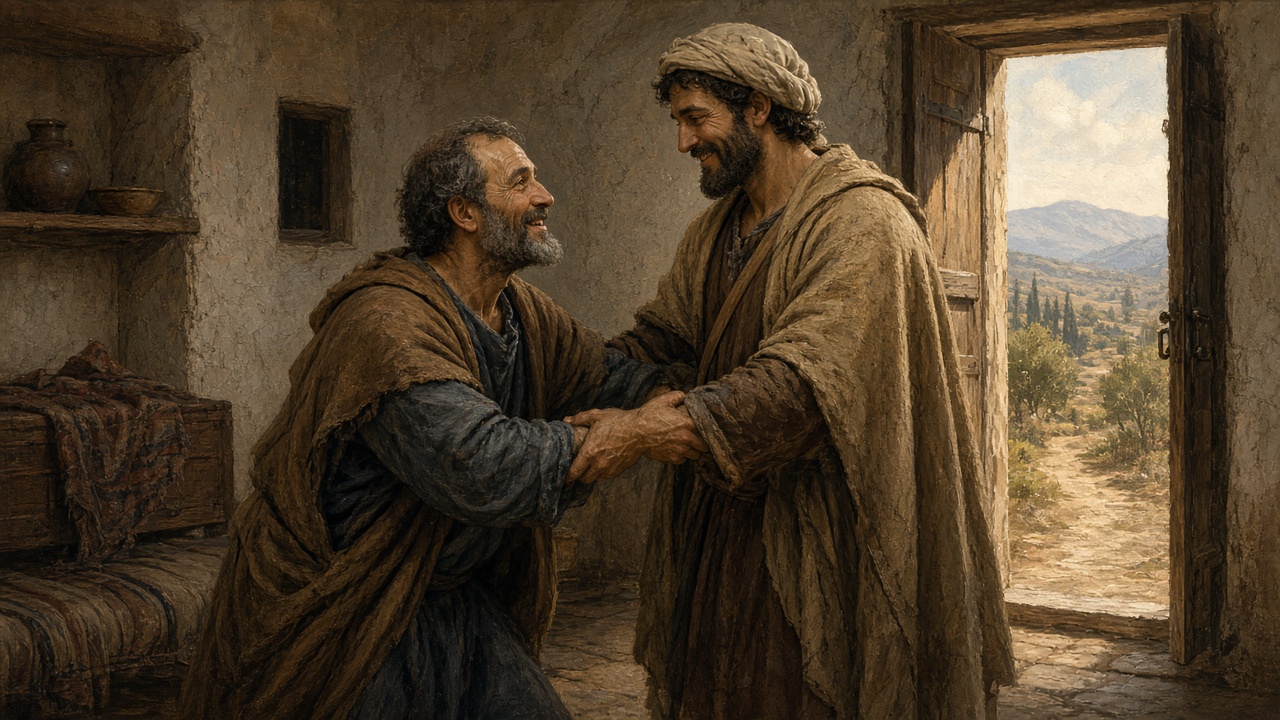
Comfort after a painful letter
- Macedonia, where Paul says he arrived with no rest in his body—conflicts outside and fears within—was a Roman province north of Greece. There, he writes, the God who comforts the downcast comforted him by the arrival of Titus.Sources: Macedonia · the Bible text itself
- Paul speaks of a letter that made them sorrowful, but only for a short time. He now rejoices not because they were sorrowful, but because that sorrow led them to repentance; he says they felt the sorrow God intended, were not harmed by him, and showed earnestness, zeal, and innocence in the matter.Sources: the Bible text itself
- A short account describes Titus as a companion of Paul, apparently a Gentile chiefly engaged in ministering to Gentiles. In this chapter Paul says Titus’s arrival comforted him, that Titus reported their longing, mourning, and zeal, and that they welcomed Titus with fear and trembling.Sources: Titus · the Bible text itself
Notes written with AI assistance from open sources (Theographic Bible Metadata, CC BY-SA 4.0; Easton’s Bible Dictionary, public domain) and reviewed before publishing.
Places in this chapter
- Macedonia · 41.600, 22.540 · verse 5
Only places identified with high confidence are shown (90% or more according to the scholarly sources compiled by OpenBible). Period map: DARE (Digital Atlas of the Roman Empire), CC BY 4.0; modern map: © OpenStreetMap contributors; places: OpenBible.info (CC BY 4.0).
Credits and license for this translation
Píívyéébé ihjyu: jetsocríjyodítyú cáátúnuháámɨ
New Testament in Bora (PE:boa:Bora)
copyright © 2008 Wycliffe Bible Translators, Inc.
Language: Bora
Translation by: Wycliffe Bible Translators, Inc.
Boara [boa], Peru
Copyright Information
© 2008, Wycliffe Bible Translators, Inc. All rights reserved.
This translation text is made available to you under the
terms of the Creative Commons License: Attribution-Noncommercial-No Derivative Works.
( http://creativecommons.org/licenses/by-nc-nd/3.0/ )
In addition, you have permission to port the text to different file formats, as long as you
do not change any of the text or punctuation of the Bible.
You may share, copy, distribute, transmit, and extract portions
or quotations from this work, provided that you include the above copyright
information:
You must give Attribution to the work.
You do not sell this work for a profit.
You do not make any derivative works that change any of the actual words or punctuation of the Scriptures.
Permissions beyond the scope of this license may be
available if you contact
us with your request.
The New Testament
in Bora
© 2008, Wycliffe Bible Translators, Inc. All rights reserved.
This translation is made available to you under the terms of the
Creative Commons Attribution-Noncommercial-No Derivatives license 4.0.
You may share and redistribute this Bible translation or extracts from it in any format, provided that:
You include the above copyright and source information.
You do not sell this work for a profit.
You do not change any of the words or punctuation of the Scriptures.
Pictures included with Scriptures and other documents on this site are licensed just for use with those Scriptures and documents.
For other uses, please contact the respective copyright owners.
2014-04-22
Source: http://ebible.org/boaNT/ · eBible.org