2 Corinthians 9
Píívyéébé ihjyu: jetsocríjyodítyú cáátúnuháámɨ · Tap a verse to see its cross-references.
Cahcújtso múnáá wáábyuta dsɨɨdsɨ píhcyúmeíñe
1Áánetu dsɨ́ɨ́dsɨke mepíhcyúneri mepɨ́áábócatsíhíjcyánéjcutu tsáhájuco ámúhakye ɨɨná o nééítyuróne. 2Árónáa ó waajácú ɨ́mɨááné ámuha Acááyá iiñújɨ́ cahcújtso múnaa meímíllehíjcyaróné mepɨ́aabóné tsijtye cahcújtso múnáake éhné píjcyábatújuco. Ááneri mítyane o ímíjyúúvéne Matsedóóniá iiñújɨ́ cahcújtso múnáake ó úúballéhi. Aane diityéké imíwu pájtyeme éhnííñevu ímí pɨ́áábócatsíhijcyáhi. 3Aane o nééne íñe ícyooca ó wallóó ménahbémuke ditye ámúhakye iñéé apáhajchíí ámuha mepíhcyújúco dsɨɨdsɨ bañúháñé ámúhadítyú diityéké o úúbállehíjcyátuki. 4Tsáijyu múúne tsájɨ́ubáréi ámuha meújcútúnáa ellévú o péébema muurá tsaate diitye Matsedóóniá iiñújɨ múnáadítyú péhajchíí tsaméhjɨ́juco menúcójpɨ́veíñé tééneri. 5Ááné ɨhdétú ó imíllé ménahbémú Tíítomu ámúhakye ááhɨ́veténé ámúhakye ditye pɨ́áábóneri ámuha meúújetétsójúco múhdúneríhjyáa ámuha diityéké mepɨ́ááboíñé menéhijcyáne. Ahdícyane óvíi ámuha méúújetétsó ɨ́mɨááné ámuha mepɨ́aabóné meímíllénema. Tsá idyé muha menééné iijyéveríyé ámuha meméénúítyuróne.
6Cáhawáá méɨjtsúcunuj, íllu muurá tsaate nééhií: Áyánéwu bájtsome áyánéwu ujcúhi. Áánetu mítyane bájtsome mítyane ujcúhi. 7Ahdícyane ihdyu óvíi tsáápiitsa mépɨ́áábohíjcyá ɨ́mɨááné mepɨ́aabóné meímíllénema. Tsá meímíllétúné pañe mepɨ́áábóítyuróne. Áhdure tsá tsijtye meke néénélliihyéré mepɨ́áábóítyuróne. Muurá Píívyéébe ímí ɨjtsúcunú ɨ́mɨáánetúré meímílléne mepɨ́áábómeke. 8Aabe ihdyu ɨ́htsútuube íjcyaabe óvíi meke panévatúré pɨ́aabó ɨɨná méhdityu ɨpɨ́htótu téhdure tsíjtyeke mepɨ́ááboki. 9Muurá dííbyé waajácúháámɨtu nééneé:
Ɨ́dáátsojtéké pɨ́áábómedítyú tsá múijyú tene ábájɨ́ɨ́vémeíityúne.
10Aane muurá íñe dííbyere panéváré bajtsóháñé píívyétsóne tájpí meícyahíjcyaabe ámúhakye pɨ́ááboó ámúhá wákimyéityu. 11Ehdu ámúhakye éhnííñevu panévatúré pɨ́áábóiibye tsíjtyeke ámuha mepɨ́áábohíjcyaki. Aane ámúhakye muha meúwaabódújuco ámuha ménahbémuke mepɨ́áábónéllii téhdújtsoímyé dííbyeke. 12Tsá pevénéré diityéké ámuha mepɨ́áábotú ditye pɨhtónetu. Muurá ámuha mepɨ́áábóné hallúvú idyé téhdújtsoímyé Píívyéébeke. 13Aane diityéké ámuha mepɨ́áábóneri méwaajácutsó ɨ́mɨááné Críjtodítyú íjcyáné uwááboju ámuha mecáhcujtsóne. Áánéllii Píívyéébeke iávyéjújtsóne duurúvahíjcyaímyé pamévakéré ímí ámuha mepɨ́áábohíjcyánélliíhye. 14Aame ámúhakye iwájyúne ámúhá hallúvú pɨáábó táúméií ámúhaj tééveri dibye diityéké pɨ́áábohíjcyánélliíhye. 15Ahdícyane metsu metéhdújtso Píívyéébeke ávyetáa méɨ́jtsaméí pɨrúúvé íjcyáné pɨáábó Jetsocríjtoj tééveri dibye mééma méénúné hallúvu.
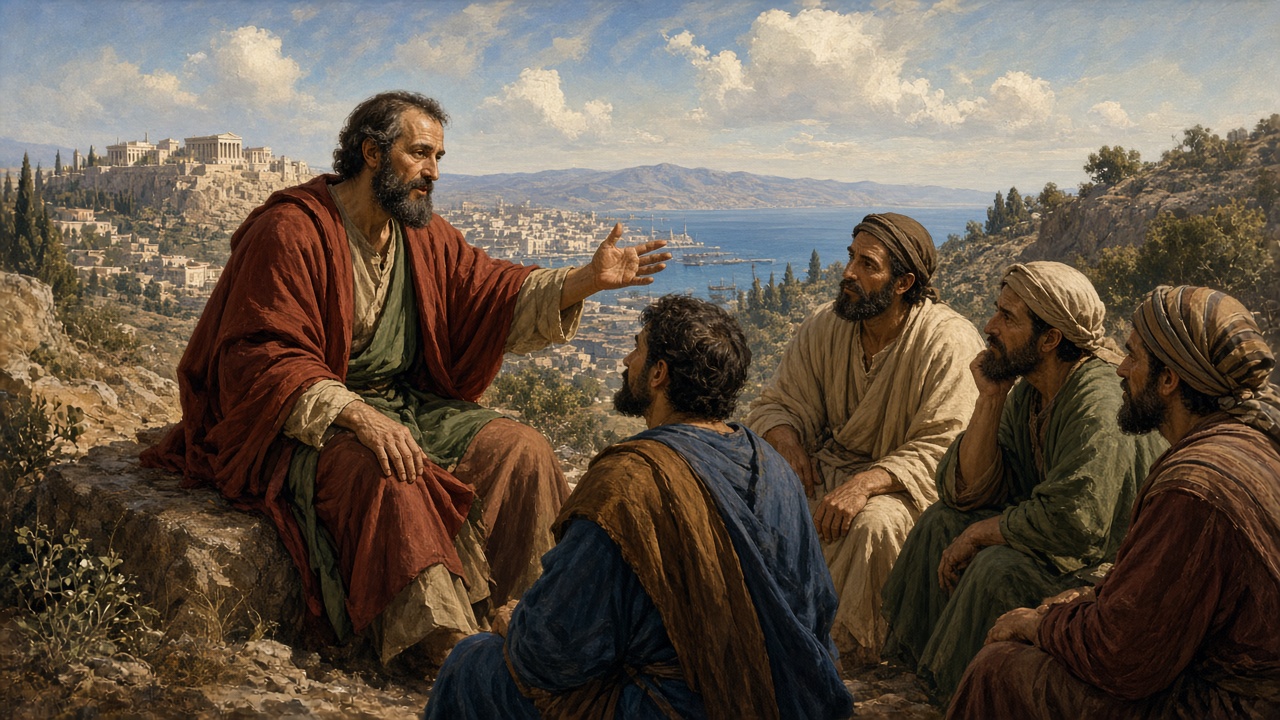
Did you know?
Generosity between Achaia and Macedonia
- Macedonia was a Roman province lying north of Greece, and Achaia was the other of the two provinces into which the Romans divided Greece, applying that name to the whole Peloponnesus and the south. Writing to believers in Achaia, Paul says he has been boasting to the Macedonians that they were ready to give.Sources: Macedonia · Achaia · the Bible text itself
- Paul says that since the previous year the people of Achaia had been ready to give, and that their zeal had stirred most of the Macedonians to do the same. He is sending the brothers ahead so that his boast about them will not prove empty if any Macedonians come with him and find them unprepared.Sources: the Bible text itself
- The name Achaia originally referred to a narrow strip of territory in Greece, northwest of the Peloponnesus. In the New Testament the name is always used in the later, wider sense that the Romans gave it, for the southern province as a whole.Sources: Achaia
Notes written with AI assistance from open sources (Theographic Bible Metadata, CC BY-SA 4.0; Easton’s Bible Dictionary, public domain) and reviewed before publishing.
Places in this chapter
- Jerusalem · 31.777, 35.234 · verses 1, 12
- Achaia · 38.720, 22.540 · verse 2
- Macedonia · 41.600, 22.540 · verses 2, 4
Only places identified with high confidence are shown (90% or more according to the scholarly sources compiled by OpenBible). Period map: DARE (Digital Atlas of the Roman Empire), CC BY 4.0; modern map: © OpenStreetMap contributors; places: OpenBible.info (CC BY 4.0).
Credits and license for this translation
Píívyéébé ihjyu: jetsocríjyodítyú cáátúnuháámɨ
New Testament in Bora (PE:boa:Bora)
copyright © 2008 Wycliffe Bible Translators, Inc.
Language: Bora
Translation by: Wycliffe Bible Translators, Inc.
Boara [boa], Peru
Copyright Information
© 2008, Wycliffe Bible Translators, Inc. All rights reserved.
This translation text is made available to you under the
terms of the Creative Commons License: Attribution-Noncommercial-No Derivative Works.
( http://creativecommons.org/licenses/by-nc-nd/3.0/ )
In addition, you have permission to port the text to different file formats, as long as you
do not change any of the text or punctuation of the Bible.
You may share, copy, distribute, transmit, and extract portions
or quotations from this work, provided that you include the above copyright
information:
You must give Attribution to the work.
You do not sell this work for a profit.
You do not make any derivative works that change any of the actual words or punctuation of the Scriptures.
Permissions beyond the scope of this license may be
available if you contact
us with your request.
The New Testament
in Bora
© 2008, Wycliffe Bible Translators, Inc. All rights reserved.
This translation is made available to you under the terms of the
Creative Commons Attribution-Noncommercial-No Derivatives license 4.0.
You may share and redistribute this Bible translation or extracts from it in any format, provided that:
You include the above copyright and source information.
You do not sell this work for a profit.
You do not change any of the words or punctuation of the Scriptures.
Pictures included with Scriptures and other documents on this site are licensed just for use with those Scriptures and documents.
For other uses, please contact the respective copyright owners.
2014-04-22
Source: http://ebible.org/boaNT/ · eBible.org