Genesis 45
Godeya꞉ To Nafayo꞉ We · Tap a verse to see its cross-references.
Yosa꞉b eyo꞉ eneno꞉ ao imo꞉wo꞉ fanda sio꞉
1Yosa꞉b e fo꞉g kagalowaki, kaluka꞉isale kegeo꞉ a꞉ma꞉ siwa꞉l amio꞉ ya꞉li hagalema꞉no꞉ dowabiki, ene nanog kalumo꞉wo꞉ a꞉la꞉sio꞉, “Kaluka꞉isale tambo ha꞉la꞉ya hamana꞉ki iliga꞉fo꞉ma,” a꞉la꞉sio꞉. A꞉la꞉fo꞉ko꞉lo꞉ ene ao i a꞉no꞉ko꞉ e o꞉lia꞉ dotabiki, Yosa꞉b eyo꞉ we neka꞉ a꞉la꞉liki ao imo꞉wo꞉ kalaba fanda wido꞉. 2Yosa꞉b e a꞉la꞉bo꞉ wida꞉sa꞉ga꞉yo꞉, e halale ya꞉labikiyo꞉, Isib kaluka꞉isaleyo꞉ elo꞉ ya꞉lo꞉ a꞉no꞉ da꞉da꞉sa꞉ga꞉ sa꞉la꞉i aneyo꞉, Fa꞉lo꞉wa꞉ ayamilo꞉ sa꞉sen kaluka꞉isale iyo꞉lo꞉ dabu. 3Yosa꞉b eyo꞉ ao imo꞉wo꞉ a꞉la꞉sio꞉, “Ne Yosa꞉bka꞉! Ni dowo꞉ o꞉saba?” a꞉la꞉dabu ba꞉ba꞉. Ko꞉sega ao iyo꞉ e hendele fanda ba꞉dakiyo꞉, iyo꞉ iliga꞉sa꞉ga꞉ tagilaki, towo꞉ a꞉ma꞉la꞉bo꞉ mo꞉sa꞉ma꞉no꞉ dowo꞉.
4A꞉la꞉fo꞉ko꞉lo꞉ Yosa꞉b eyo꞉ imo꞉wo꞉ a꞉la꞉sio꞉, “Gio꞉ nelo꞉ wena mena.” Iyo꞉ ma꞉uwo꞉wa ha꞉na꞉ga꞉ dowabiki, eyo꞉ a꞉la꞉sio꞉, “Ne gili gao Yosa꞉b. Giliyo꞉ ne moleya꞉ kilili ko꞉lo꞉, a꞉na ilikiyo꞉ ne Isib hen wenamio꞉ a꞉na fa꞉la꞉dowo꞉. 5A꞉la꞉go꞉ko꞉lo꞉ ne wena kililia꞉ga꞉ iliga꞉fo꞉ a꞉la꞉bo꞉, giliyo꞉ go꞉no꞉n a꞉ma꞉la꞉yo꞉ mo꞉gadiaki, kele asula꞉so꞉bo! Mo꞉wo꞉ kaluka꞉isaleya꞉ mela꞉no꞉wo꞉ tili doma꞉kiyo꞉, Gode eyo꞉ ne tamin wena iliga꞉fo꞉. 6Dona a꞉la꞉ us wenamio꞉ ma꞉no꞉wo꞉ mo꞉fa꞉la꞉ne ko꞉lo꞉, maiyo꞉wo꞉ alan dowab. Dona bila꞉fo꞉ nowo꞉ fa꞉la꞉dowalikiyo꞉, molofa alan dowaki, egelo꞉ amio꞉ eyo꞉ mo꞉gelalikiyo꞉, ma꞉no꞉wo꞉ mo꞉dia꞉ib. 7Gode eyo꞉ so꞉lo꞉ gilo꞉wo꞉ alan asuwa꞉fa꞉no꞉ a꞉lakiyo꞉, gio꞉ daneliabena꞉ki, Gode eyo꞉ ne wena tamina iliga꞉fo꞉. 8A꞉la꞉go꞉ko꞉lo꞉ giliyo꞉ ne wenami iliga꞉fo꞉ma. Ko꞉sega Gode eyo꞉ ne wena iliga꞉tabiki mio꞉. A꞉la꞉ta꞉ga꞉ Gode eyo꞉ ne Fa꞉lo꞉wa꞉ iya o꞉ngo꞉ ta꞉taki, Fa꞉lo꞉wa꞉ ayo꞉ a꞉la꞉ta꞉ga꞉ Isib heno꞉ tambo nemo꞉ bo꞉fo꞉melea꞉ki ta꞉fo꞉.
9“A꞉la꞉fo꞉ko꞉lo꞉ gio꞉ a꞉ma꞉la꞉ bo꞉bo꞉ge ha꞉na꞉sa꞉ga꞉, dolo꞉wa fa꞉la꞉dowakiyo꞉ a꞉la꞉sa꞉la꞉bi, ‘Gi so꞉wa, Yosa꞉b eyo꞉ gemo꞉wo꞉ a꞉la꞉saga꞉fo꞉, “Gode eyo꞉ ne Isib heno꞉ nemo꞉ bo꞉fo꞉melea꞉ki ta꞉fo꞉ ko꞉lo꞉, giyo꞉ mo꞉amalaki, nelo꞉wa bo꞉e tigini ya꞉bi. 10Gelo꞉, gi so꞉wayo꞉lo꞉, gi ma꞉muwo꞉lo꞉, no꞉ fofo꞉wo꞉lo꞉, gilo꞉ amilo꞉ a꞉lab a꞉no꞉ tambo nelo꞉ so꞉l aniba Gosen hen a꞉na mesa꞉ni ya꞉bi. 11Gio꞉ hen a꞉na salikiyo꞉, niyo꞉ bo꞉fo꞉mela꞉no꞉. Mo꞉wo꞉ dona bila꞉fo꞉ a꞉namilo꞉ ma꞉no꞉lo꞉ma dowakilo꞉ maiyo꞉ alan doma꞉ib a꞉no꞉ o꞉fa꞉la꞉doma꞉nigab ko꞉lo꞉, gelo꞉ gi so꞉lo꞉wo꞉lo꞉, a꞉la꞉ta꞉ga꞉ gilo꞉ amilo꞉ a꞉lab a꞉no꞉ tambo maiyo꞉wo꞉ mo꞉doma꞉ki, niyo꞉ bo꞉fo꞉mela꞉no꞉.” Giliyo꞉ domo꞉wo꞉ a꞉la꞉sa꞉la꞉bi.’”
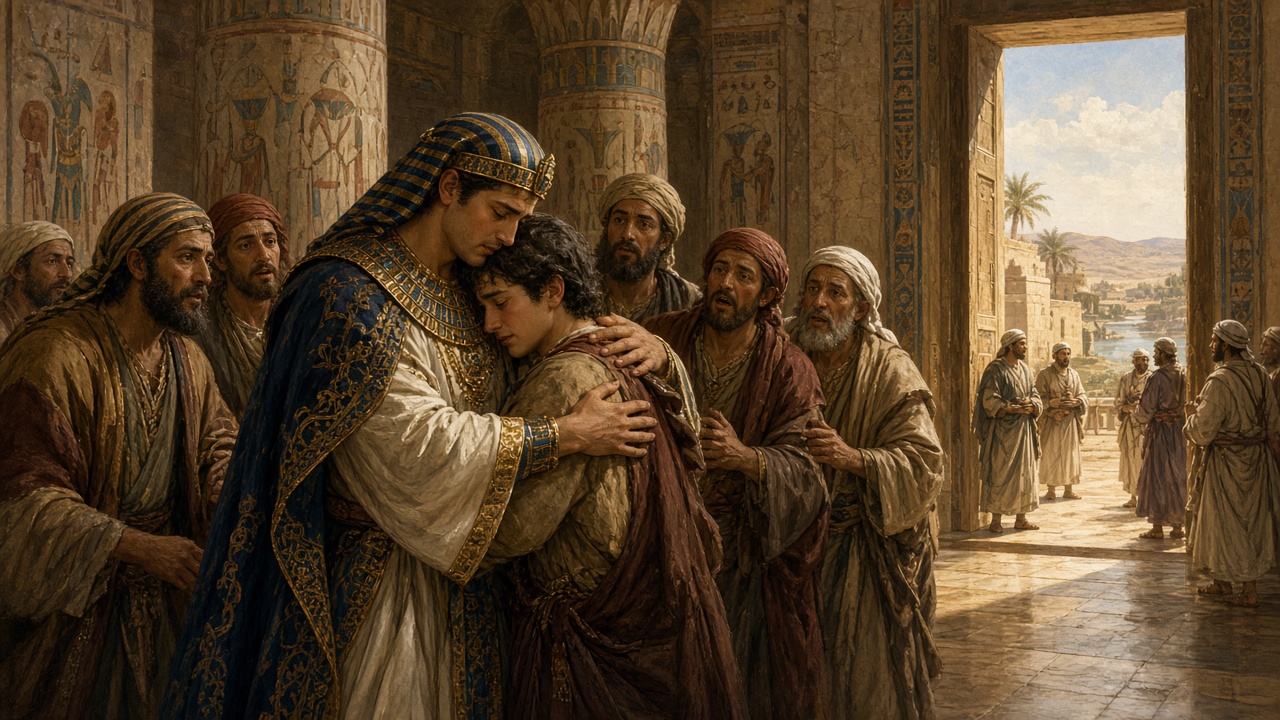
12Yosa꞉b eyo꞉ a꞉kudu sa꞉laki a꞉la꞉sio꞉, “O꞉go꞉ ginin siya꞉yo꞉ ne Yosa꞉bo꞉lo꞉b a꞉la꞉bo꞉ fanda ba꞉dab. A꞉la꞉ta꞉ga꞉ naole Ba꞉nsamen gelo꞉ ne Yosa꞉bo꞉lo꞉b a꞉la꞉bo꞉ fanda ba꞉dab ko꞉lo꞉, gio꞉ ha꞉na꞉ga꞉yo꞉ ne Isib amilo꞉ bo꞉fo꞉lowan kalu dowo꞉ a꞉no꞉lia꞉, gili siya꞉lo꞉ ba꞉dab a꞉no꞉ tambo domo꞉wo꞉ fanda sa꞉la꞉sa꞉ga꞉, e bo꞉bo꞉ge wena tililia꞉ ya꞉bi.” 14Yosa꞉b eyo꞉ a꞉la꞉sa꞉la꞉sa꞉ga꞉, aole Ba꞉nsameno꞉ fafula꞉fo꞉liki a꞉la꞉yo꞉ ya꞉fodo꞉. 15A꞉la꞉ta꞉ga꞉ Yosa꞉b eyo꞉ ao i nolo꞉lo꞉ mimilaki, a꞉na ya꞉fodo꞉. A꞉ma꞉ fa꞉s amio꞉ ao iyo꞉ Yosa꞉b o꞉lia꞉yo꞉ a꞉na tola꞉. Yosa꞉b eyo꞉ ene ao imo꞉wo꞉ eneno꞉ kalaba fanda wido꞉.|alt="Joseph reveals himself to brothers" src="01_Ge_45_04_RG_gr.tif" size="col" copy="© Sweet Publishing http://sweetpublishing.com, licensed under a CC: BY-SA 3.0 Unported licence" ref="45.12"
16Fa꞉lo꞉ o꞉lia꞉ kaluka꞉isale ene ayamilo꞉ sa꞉sen i o꞉lia꞉ma꞉yo꞉, “Yosa꞉ba꞉ ene ao iyo꞉ mio꞉ka꞉” a꞉la꞉bo꞉ da꞉da꞉sa꞉ga꞉yo꞉, Fa꞉lo꞉ o꞉lia꞉ ene nanog kaluka꞉isale iyo꞉ mada sagalaki, Fa꞉lo꞉ eyo꞉ Yosa꞉bo꞉wo꞉ a꞉la꞉sio꞉, “Giyo꞉ gao imo꞉wo꞉ a꞉la꞉saga꞉ta꞉bi, ‘Giliyo꞉ we au dimidama. Gio꞉ kelego꞉lo꞉ dia꞉ha꞉na꞉no꞉ no꞉ a꞉no꞉ dimidalia꞉ga꞉, Ka꞉ina꞉n hen a꞉na a꞉ma꞉la꞉ ha꞉na꞉bi. 18A꞉na fa꞉la꞉dowakiyo꞉, gili go꞉lo꞉lo꞉, gili so꞉lo꞉wo꞉lo꞉ nelo꞉ wena tililia꞉ga꞉ ya꞉bi. Gio꞉ wena fa꞉la꞉dowalikiyo꞉, niyo꞉ Isib hen wenamio꞉ hen nafale nowo꞉ gimo꞉ dimia꞉no꞉ ko꞉lo꞉, giliyo꞉ ma꞉no꞉ nafa hen wenamilo꞉ fa꞉la꞉dowa꞉sen a꞉no꞉ na꞉mela꞉ib.’ 19A꞉la꞉ta꞉ga꞉ Yosa꞉b giyo꞉ to welo꞉ a꞉la꞉saga꞉ta꞉bi. ‘Giliyo꞉ we au dimidama. Donkiya꞉lo꞉ i fofodo꞉ susululia꞉ ha꞉na꞉sen Isib hen wilo꞉ da꞉lab a꞉no꞉ giliyo꞉ nolo꞉ Ka꞉ina꞉n hen a꞉na dia꞉ha꞉na꞉sa꞉ga꞉yo꞉, gili so꞉wagalin o꞉lia꞉, ga o꞉lia꞉yo꞉, a꞉la꞉ta꞉ga꞉ go꞉lo꞉lo꞉ iyo꞉ tambo i fofodo꞉ wa꞉l a꞉na kandaya꞉sa꞉ga꞉, a꞉ma꞉la꞉ ya꞉bi. 20Isib hen amilo꞉ kelego꞉ nafale da꞉lab we niyo꞉ gimo꞉ dimia꞉no꞉ ko꞉lo꞉, kelego꞉ ginido꞉ Ka꞉ina꞉n hen a꞉namilo꞉ da꞉lab a꞉no꞉, giliyo꞉ ka ta꞉fo꞉ ya꞉bi.’ Giyo꞉ gao imo꞉wo꞉ a꞉la꞉sa꞉la꞉bi” Fa꞉lo꞉ eyo꞉ a꞉la꞉sio꞉.
21Fa꞉lo꞉ elo꞉ sio꞉ au, Isolaela꞉ insiso꞉ima꞉yo꞉ a꞉la꞉dimido꞉. Yosa꞉b eyo꞉ Fa꞉lo꞉wa꞉ towo꞉ kudu ha꞉naki, donkiya꞉lo꞉ i fofodo꞉ susululia꞉ ha꞉na꞉sen a꞉no꞉ imo꞉ dimia꞉sa꞉ga꞉, iyo꞉ toga ha꞉na꞉ga꞉ ha꞉nakilo꞉ ma꞉no꞉ ma꞉no꞉wo꞉ a꞉na dimi. 22A꞉la꞉ta꞉ga꞉ eyo꞉ ao imo꞉wo꞉ helebeso꞉g ho꞉gi ka꞉ma꞉no꞉wo꞉ imilida꞉la꞉ sagalifa꞉. Ko꞉sega eyo꞉ silba mole 300 a꞉la꞉fo꞉ o꞉lia꞉ helebeso꞉g ho꞉gi ka꞉ma꞉no꞉wo꞉ bila꞉fo꞉ o꞉lia꞉yo꞉ Ba꞉nsamen emo꞉ dimi. 23A꞉la꞉ta꞉ga꞉ Yosa꞉b eyo꞉ boba kelego꞉ iyamo꞉lo꞉ dimina꞉kilo꞉ iliga꞉fo꞉wo꞉ we. Isib hen amilo꞉ kelego꞉ nafaleyo꞉ donki do꞉la꞉fo꞉ wa꞉l a꞉na dila꞉la꞉ga꞉ a꞉na iliga꞉fo꞉. A꞉la꞉ta꞉ga꞉ donki mala do꞉la꞉fo꞉ wa꞉l a꞉namio꞉ ma꞉no꞉wo꞉ iyayo꞉ a꞉ma꞉la꞉ Isib hena yaki maiya꞉ki, a꞉na dila꞉sa꞉ga꞉ iliga꞉fo꞉. 24A꞉la꞉dimida꞉sa꞉ga꞉, Yosa꞉b eyo꞉ ene ao iyo꞉ a꞉ma꞉la꞉ iliga꞉taki a꞉la꞉sio꞉, “Gio꞉ toga ha꞉nakiyo꞉, towa꞉yo꞉ kega꞉likiyo꞉ ha꞉na꞉so꞉bo.”
25A꞉la꞉fo꞉ko꞉lo꞉ ao iyo꞉ Isib heno꞉ ta꞉ta꞉sa꞉ga꞉, Ka꞉ina꞉n hen a꞉namio꞉ iya Ya꞉kobdo꞉wa fa꞉la꞉dowo꞉. 26Iliyo꞉ iyamo꞉wo꞉ a꞉la꞉sio꞉, “Yosa꞉bo꞉ mo꞉sowo꞉ o꞉sab. Isib heno꞉ tambo e bo꞉fo꞉melea꞉ki, e misa꞉ ta꞉fo꞉lo꞉bo꞉ka꞉!” a꞉la꞉sio꞉. A꞉la꞉sa꞉labiki Ya꞉koba꞉ ene asulo꞉wo꞉ ko꞉ndo꞉feliaki, eyo꞉ mo꞉tilidabu. 27Ko꞉sega Yosa꞉b elo꞉ sio꞉ a꞉no꞉ ao ima꞉yo꞉ iyamo꞉wo꞉ tambo malolo meabiki dabu, a꞉la꞉ta꞉ga꞉ Ya꞉kob e a꞉ma꞉la꞉ Isib mena꞉ki a꞉la꞉ta꞉ga꞉ kelego꞉ donkiya꞉lo꞉ i fofodo꞉ susululia꞉ ha꞉na꞉sen iliga꞉fo꞉ a꞉no꞉ eyo꞉ ba꞉dakiyo꞉, asulo꞉ elo꞉wo꞉ o꞉li a꞉dowo꞉. 28A꞉la꞉ta꞉ga꞉ Isolael eyo꞉ a꞉la꞉sio꞉, “A꞉no꞉ o꞉li. O꞉go꞉ ni so꞉wa Yosa꞉bo꞉ o꞉sab a꞉la꞉tiliasulo꞉l ko꞉lo꞉, ne o꞉soma꞉ni ilikiyo꞉, na꞉ so꞉wa ko꞉le ba꞉ba꞉ni ha꞉na꞉nigo꞉l.”
Did you know?
Joseph Reveals Himself to His Brothers
- Goshen, the district where Joseph tells his brothers to settle near him with their children, grandchildren, flocks, and herds, lay east of the Nile and apparently not far from the royal residence. Easton's Bible Dictionary (1897) notes that it is first mentioned in Joseph's message to his father, and that it was also called the land of Rameses, because the towns of Pithom and Rameses lay within its borders.Sources: Goshen · the Bible text itself
- Joseph weeps so loudly that the Egyptians hear him, and Pharaoh's household soon hears of it; Pharaoh and his servants are pleased when they learn the brothers have come, and he offers them the best of the land of Egypt. Easton's Bible Dictionary (1897) says the Pharaoh of Joseph's days was probably Apopi, or Apopis, the last of the Hyksos kings. It adds that Hyksos kings welcomed Asiatic shepherds, whereas older native Egyptians regarded shepherds as an abomination, though some argue that Joseph came to Egypt in the reign of Thothmes III, long after the Hyksos were expelled.Sources: Pharaoh (of Joseph) · the Bible text itself
- Benjamin was the younger son of Jacob by Rachel, and Joseph the elder of her two sons; their mother died giving birth to Benjamin at Ephrath and named him Ben-oni, meaning son of my pain, a name his father changed to Benjamin. At the reunion Joseph embraces Benjamin and weeps, giving him three hundred shekels of silver and five sets of clothes, while each of the other brothers receives a new garment.Sources: Benjamin (patriarch) · Joseph (son of Jacob) · the Bible text itself
Notes written with AI assistance from open sources (Theographic Bible Metadata, CC BY-SA 4.0; Easton’s Bible Dictionary, public domain) and reviewed before publishing.
Places in this chapter
- Egypt · 30.129, 31.308 · verses 4, 8, 9, 13, 18, 19, 20, 23, 25, 26
- Goshen · Today: Goshen 1 · 30.799, 31.834 · verse 10
- Canaan · 32.767, 35.333 · verses 17, 25
Only places identified with high confidence are shown (90% or more according to the scholarly sources compiled by OpenBible). Period map: DARE (Digital Atlas of the Roman Empire), CC BY 4.0; modern map: © OpenStreetMap contributors; places: OpenBible.info (CC BY 4.0).
Credits and license for this translation
Godeya꞉ To Nafayo꞉ We
The New Testament, Genesis, and Ruth in the Kaluli language of Papua New Guinea
Sampela hap Buk Baibel long tokples Kaluli long Niugini
copyright © 1998-2022 Wycliffe Bible Translators, Inc.
Language: Kaluli
Translation by: Wycliffe Bible Translators
This translation is made available to you under the terms of the
Creative Commons Attribution-Noncommercial-No Derivatives license 4.0.
You may share and redistribute this Bible translation or extracts from it in any format, provided that:
You include the above copyright and source information.
You do not sell this work for a profit.
You do not change any of the words or punctuation of the Scriptures.
Pictures included with Scriptures and other documents on this site are licensed just for use with those Scriptures and documents.
For other uses, please contact the respective copyright owners.
2025-03-12
Source: http://png.bible/bco/ · eBible.org