Genesis 21
Godeya꞉ To Nafayo꞉ We · Tap a verse to see its cross-references.
Sa꞉la eyo꞉ Aisa꞉go꞉ sa꞉la꞉li
1Yawe eyo꞉ Selayo꞉ sagale alitaki ya꞉sa꞉ga꞉yo꞉, tamin amilo꞉ enedo꞉ dinali sio꞉ a꞉no꞉ hendele dimido꞉. 2A꞉la꞉go꞉ko꞉lo꞉ Godeya꞉lo꞉ da꞉fe sio꞉ ho꞉len a꞉no꞉ fa꞉la꞉dowabiki, Ablaham e anaso꞉ dowa꞉sen ami, Sa꞉la e alela꞉sa꞉ga꞉, kalu so꞉wayo꞉ emo꞉ sa꞉la꞉me. 3Sa꞉la elo꞉ so꞉wa sa꞉la꞉me a꞉no꞉, Ablaham eyo꞉ ene wiyo꞉ Aisa꞉g wikilo꞉. 4So꞉walo꞉ sa꞉la꞉li a꞉na a꞉la꞉ta꞉ga꞉ ho꞉len agelo꞉wo꞉ o fa꞉la꞉dowabikiyo꞉, Godeya꞉lo꞉ emo꞉lo꞉ saefa꞉ au dimidaki, eyo꞉ so꞉wa a꞉no꞉ do꞉go꞉fo꞉ hege gedeo꞉. 5Aisa꞉gdo꞉ sa꞉la꞉li ho꞉len a꞉namio꞉, Ablaham e donayo꞉ do꞉la꞉lowo꞉wo꞉ do꞉la꞉fo꞉ ko꞉lo꞉ gulula꞉. 6A꞉la꞉ta꞉ga꞉ Sa꞉la eyo꞉ a꞉la꞉sio꞉, “Gode eyo꞉ ne sagale alitaki o꞉gema꞉ki ta꞉fo꞉ ko꞉lo꞉, kaluka꞉isale nolba꞉yo꞉ Godeya꞉lo꞉ dimido꞉ a꞉no꞉ da꞉da꞉ga꞉yo꞉, ne o꞉lia꞉yo꞉ sagalaki o꞉gema꞉ib.” 7A꞉la꞉ta꞉ga꞉ eyo꞉ towo꞉ a꞉kudu sa꞉laki, “Tamin amio꞉ kaluka꞉isaleya꞉ sa꞉lakiyo꞉, ‘Sa꞉la e Ablaham emo꞉wo꞉ so꞉wayo꞉ mo꞉sa꞉la꞉meaki, bowo꞉lo꞉ mada mo꞉mea꞉ib’ a꞉la꞉asulaki sa꞉la꞉len. Ko꞉sega Ablaham e anaso꞉ dowa꞉sen ami, niyo꞉ kalu so꞉wayo꞉ emo꞉wo꞉ sa꞉la꞉me” Sa꞉la eyo꞉ a꞉la꞉sio꞉.
8A꞉la꞉ta꞉ga꞉ Aisa꞉g e anayaki bo na꞉leno꞉ edabikiyo꞉, Ablaham eyo꞉ kaluka꞉isaleyo꞉ tambo kegea꞉sa꞉ga꞉, ma꞉no꞉wo꞉ alan dowo꞉taki sagala꞉li mo꞉no꞉.
Ablaham eyo꞉ Ha꞉ga o꞉lia꞉ Ismael o꞉lia꞉yo꞉ ka ta꞉fo꞉
9Isib ka꞉isale, Ha꞉ga elo꞉ Ablahambo꞉lo꞉ so꞉wa sa꞉la꞉me a꞉ma꞉yo꞉ Aisa꞉g emo꞉lo꞉ dio꞉ge sa꞉lab a꞉no꞉ Selayo꞉ da꞉da꞉sa꞉ga꞉, eyo꞉ Ablahambo꞉wo꞉ a꞉la꞉sio꞉, “Nanog dian ka꞉isaleya꞉ inso꞉ a꞉no꞉, ni so꞉wa Aisa꞉g o꞉lia꞉yo꞉ dabuno꞉ mo꞉alobanama꞉ki asulab ko꞉lo꞉, giyo꞉ nanog dian ka꞉isale o꞉lia꞉ ene inso꞉ a꞉no꞉lia꞉yo꞉ ta꞉taki, ko꞉na꞉ iliga꞉foma” a꞉la꞉sio꞉. 11Sa꞉la elo꞉ to sio꞉ a꞉no꞉ Ablaham e da꞉da꞉sa꞉ga꞉, ene so꞉wa asulakiyo꞉, e mo꞉beaki kele asulo꞉wo꞉ alan dowo꞉. 12Ko꞉sega Gode eyo꞉ Ablaham emo꞉wo꞉ a꞉la꞉sio꞉, “Giyo꞉ nanog dian ga o꞉lia꞉ ene so꞉wa o꞉lia꞉ a꞉no꞉ mo꞉beakiyo꞉ kele asula꞉so꞉bo. Sa꞉la elo꞉ gemo꞉lo꞉ sa꞉lab o꞉leau dimidama. Mo꞉wo꞉ Aisa꞉g eya a꞉la꞉ta꞉ga꞉yo꞉ gi so꞉lo꞉wo꞉ a꞉na fa꞉la꞉doma꞉ib. 13A꞉la꞉ta꞉ga꞉ niyo꞉ nanog ka꞉isaleya꞉ so꞉wa eya a꞉la꞉ta꞉ga꞉yo꞉lo꞉, kaluka꞉isaleyo꞉ modo꞉ fa꞉la꞉doma꞉ki dimidama꞉no꞉, mo꞉wo꞉ so꞉wa a꞉no꞉ geya a꞉la꞉ta꞉ga꞉ fa꞉la꞉dowo꞉.” Gode eyo꞉ a꞉la꞉sio꞉. 14Kea꞉fole dowabiki, Ablaham e dasila꞉sa꞉ga꞉, ma꞉no꞉ o꞉lia꞉ no꞉ do꞉go꞉f amilo꞉ ho꞉n wasu o꞉lia꞉yo꞉ Ha꞉ga e kelena ga꞉li alitakiyo꞉, so꞉wa a꞉no꞉ e o꞉lia꞉ hamana꞉ki iliga꞉fo꞉. A꞉la꞉yo꞉ ha꞉nakiyo꞉, Bilsiba kalulo꞉ma hen a꞉na nodola꞉li sia꞉len.
15A꞉la꞉yo꞉ sia꞉labiki, no꞉ do꞉go꞉f amilo꞉ ho꞉n wasu a꞉no꞉ kedefo꞉ ko꞉lo꞉, eyo꞉ so꞉wa a꞉no꞉ i galindo꞉ a꞉lab ha꞉g a꞉na ta꞉fo꞉. So꞉wayo꞉ a꞉na ta꞉taki, eyo꞉ a꞉la꞉asulo꞉, “No꞉no꞉no꞉ so꞉wa sowab a꞉no꞉ mo꞉ba꞉ba꞉no꞉” a꞉la꞉asulakiyo꞉, e o꞉fina꞉sa꞉ga꞉ ina꞉li mesa꞉ni ane. E a꞉na siliki ya꞉la꞉len. 17Gode eyo꞉ kalu so꞉wa a꞉ma꞉lo꞉ ya꞉lab a꞉no꞉ dabu ko꞉lo꞉, Godeya꞉ ene ma꞉mul kalu a꞉ma꞉yo꞉ Hebene a꞉la꞉ta꞉ga꞉ Ha꞉ga emo꞉wo꞉ a꞉la꞉sio꞉, “Ha꞉ga, ge waigo꞉wo꞉? Ge tagila꞉so꞉bo! Kalu so꞉wa honona silikilo꞉ ya꞉la꞉lab a꞉no꞉ Gode eyo꞉ dabu. 18E sowabena꞉kiyo꞉, ge dasilia꞉ ha꞉na꞉ga꞉, so꞉wa a꞉ma꞉ ene dagiya gasilia꞉ga꞉ e asulo꞉wo꞉ halale alifoma. Niyo꞉ eya a꞉la꞉ta꞉ga꞉yo꞉ kaluka꞉isaleyo꞉ modo꞉ fa꞉la꞉doma꞉ki ta꞉fa꞉no꞉.” 19A꞉la꞉salitakiyo꞉ Gode eyo꞉ Ha꞉gaya꞉ ene siyo꞉ kolaetabikiyo꞉, e ho꞉n daido꞉wo꞉ a꞉na ba꞉ba꞉. Ba꞉da꞉ga꞉yo꞉ e ha꞉na꞉ga꞉, ho꞉no꞉ no꞉ do꞉go꞉fa wasulia꞉ga꞉, inso꞉mo꞉ maiya꞉ki dimi. 20A꞉la꞉ta꞉ga꞉ Gode eyo꞉ so꞉wa a꞉no꞉ tili dowabikiyo꞉, e a꞉na anayo꞉. E kalulo꞉ma hen a꞉na ilikiyo꞉, e da꞉lo꞉ sandima꞉no꞉ asulo꞉ kalu fa꞉la꞉dowo꞉. 21E Balan kalulo꞉ma hen a꞉na silikiyo꞉, ene anowa꞉yo꞉ e Isib ga dima꞉ki nenela꞉sa꞉ga꞉, tili alifa꞉.
Ablaham eyo꞉ Abimeleg o꞉lia꞉ towo꞉ saefa꞉
22Ho꞉len no amio꞉, Abimeleg o꞉lia꞉ ene ame misa꞉ kaluwo꞉, Fikol o꞉lia꞉ma꞉yo꞉ Ablahambo꞉wo꞉ a꞉la꞉sio꞉, “Godeyo꞉ ge o꞉lia꞉ a꞉lab ko꞉lo꞉, kelego꞉ tambo gilo꞉ dimida꞉lab a꞉no꞉ nafale fa꞉la꞉dowa꞉sen. 23A꞉la꞉fo꞉ko꞉lo꞉ giyo꞉ nemo꞉wo꞉lo꞉, ni so꞉wamo꞉wo꞉lo꞉, ni ma꞉mu imo꞉wo꞉lo꞉, dikidan man mo꞉dimida꞉mela꞉no꞉ a꞉la꞉likiyo꞉, giyo꞉ Godeya꞉ siwa꞉l amio꞉ nemo꞉wo꞉ dinali salifo꞉ma꞉ki asulo꞉l. Ko꞉sega nilo꞉ gemo꞉lo꞉ ha꞉fo꞉ disa꞉lan aumbo꞉, giyo꞉lo꞉ nimo꞉wo꞉lo꞉ ha꞉fo꞉wo꞉ a꞉la꞉disa꞉la꞉lubi. A꞉la꞉ta꞉ga꞉ hen wenamio꞉ ge mageso꞉ kalu o꞉ngo꞉ sen ko꞉lo꞉, giyo꞉ kaluka꞉isale hen wenamilo꞉ sab imo꞉wo꞉lo꞉ ha꞉fo꞉ disa꞉la꞉lubi. Giyo꞉ a꞉la꞉dinali sama” a꞉la꞉sio꞉. 24A꞉la꞉sa꞉labiki Ablaham eyo꞉ a꞉ma꞉la꞉ sa꞉laki, “Niyo꞉ a꞉la꞉dimidama꞉no꞉,” a꞉la꞉dinali sio꞉.
25Ko꞉sega Abimelega꞉ ene nanogdo꞉ dian kalu nolo꞉ ya꞉ga꞉, Ablahama꞉ ho꞉n daido꞉ imilig nowo꞉ ili bo꞉fo꞉mela꞉niki di ko꞉lo꞉, eyo꞉ Abimelegbo꞉wo꞉ towo꞉ hida꞉gi sio꞉. 26Abimelegbo꞉wo꞉ hida꞉gi sa꞉labiki, eyo꞉ a꞉ma꞉la꞉ sa꞉laki, “Giyo꞉ tamin amio꞉ nemo꞉wo꞉ mo꞉sio꞉ ko꞉lo꞉ ne mada mo꞉dabu eleno꞉, o꞉gka do꞉do꞉l. O꞉lo꞉ dimido꞉wo꞉lo꞉ ne babalab” Abimeleg eyo꞉ a꞉la꞉sio꞉. 27A꞉la꞉sa꞉labiki Ablaham eyo꞉ sibi o꞉lia꞉ kao o꞉lia꞉yo꞉ dia꞉ga꞉, Abimelegbo꞉ dimiabiki, a꞉la꞉yo꞉ asulo꞉wo꞉ imilise dowaki, towo꞉ a꞉na dinali saefa꞉. 28Towo꞉ saeta꞉ga꞉yo꞉, Ablaham eyo꞉ sibi mala kalofo dom a꞉la꞉fo꞉ nolo꞉ aloba꞉da꞉sa꞉ga꞉, nodowa ta꞉fo꞉. 29Sibi a꞉no꞉ ba꞉dakiyo꞉, Abimeleg eyo꞉ Ablahambo꞉wo꞉ a꞉la꞉dabu ba꞉daki, “Gilo꞉ sibi nolo꞉ aloba꞉da꞉sa꞉ga꞉lo꞉ ta꞉fo꞉ hono, mo꞉wo꞉ ha꞉?” 30Ablaham eyo꞉ a꞉ma꞉la꞉bo꞉ a꞉la꞉sio꞉, “Ho꞉n we ni daido꞉ ko꞉lo꞉, kaluka꞉isaleya꞉yo꞉ hendele na꞉no꞉lo꞉b a꞉la꞉asuluma꞉ki, sibi kalofo dom a꞉la꞉fo꞉ we, ge dima” a꞉la꞉sio꞉. 31A꞉la꞉go꞉ko꞉lo꞉ a꞉la꞉ma꞉yo꞉ towo꞉ hen a꞉na dinali saefa꞉ ko꞉lo꞉ hen a꞉no꞉ wiyo꞉ Bilsiba a꞉la꞉wikilo꞉. 32A꞉la꞉yo꞉ Bilsiba hen a꞉namio꞉ dinali saeta꞉ga꞉yo꞉, Abimeleg o꞉lia꞉ ene ame misa꞉ kalu Fikol o꞉lia꞉yo꞉, Filistia kaluka꞉isaleya꞉ hen a꞉na a꞉ma꞉la꞉ ane. 33A꞉la꞉yo꞉ a꞉ma꞉la꞉ ha꞉nabiki, Ablaham eyo꞉ i nowo꞉ Bilsiba a꞉na gelo꞉ ko꞉lo꞉, eyo꞉ Yawemo꞉ dulugu sa꞉laki, ene wiyo꞉ “Gode Mela꞉no꞉ Mela꞉no꞉ A꞉lab” a꞉la꞉sio꞉. 34A꞉la꞉fo꞉ko꞉lo꞉ Ablaham e Filistia hen a꞉namio꞉, ho꞉leno꞉ modo꞉wo꞉ a꞉na elen.
Did you know?
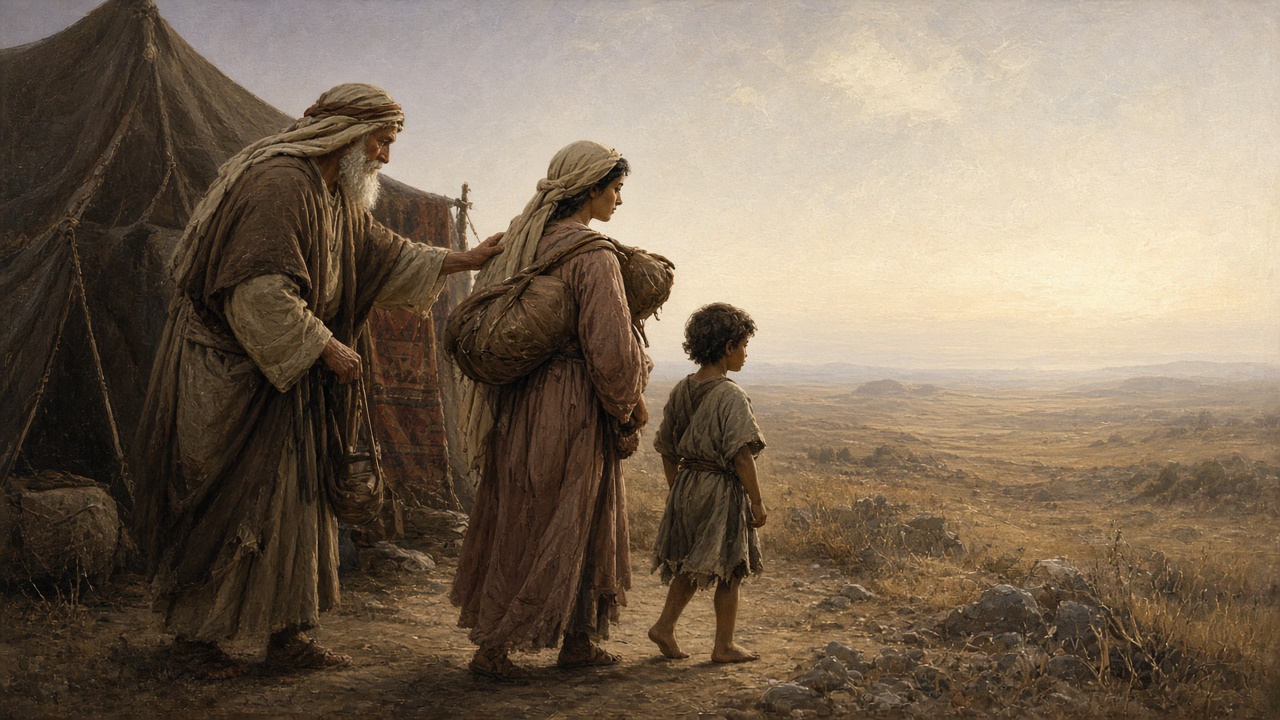
Isaac’s birth, Hagar’s departure, and Beersheba
- Abraham was a hundred years old when Sarah bore him Isaac, their only son together, and he circumcised the child at eight days old, as God had commanded. Sarah said that God had made her laugh, and that everyone who heard of this would laugh with her. Easton's Bible Dictionary (1897) notes that a great feast was held when Isaac was weaned, probably when he was about two years old.Sources: the Bible text itself · Isaac
- Hagar, whose name is explained as “flight” or, according to others, “stranger,” was an Egyptian and Sarah’s handmaid, whom Sarah gave to Abraham as a secondary wife. After Isaac’s birth, Abraham sent Hagar and their son Ishmael into the Wilderness of Beersheba with bread and a skin of water. Ishmael later settled in the Wilderness of Paran, a desert tract in the northeastern Sinai Peninsula between the Arabah on the east and the wilderness of Shur on the west, became a great archer, and his mother got him a wife from Egypt.Sources: the Bible text itself · Hagar · Paran
- Beersheba, “well of the oath” or “well of seven,” was named when Abraham and Abimelech swore an oath there over a well that Abraham said he had dug; he set apart seven ewe lambs as a witness, and the two made a covenant. Phicol, chief captain of the army of Abimelech, the Philistine king of Gerar, entered that alliance with Abraham. Abraham then planted a tamarisk at Beersheba and lived for a long time in the land of the Philistines.Sources: the Bible text itself · Beersheba · Phichol
Notes written with AI assistance from open sources (Theographic Bible Metadata, CC BY-SA 4.0; Easton’s Bible Dictionary, public domain) and reviewed before publishing.
Places in this chapter
Only places identified with high confidence are shown (90% or more according to the scholarly sources compiled by OpenBible). Period map: DARE (Digital Atlas of the Roman Empire), CC BY 4.0; modern map: © OpenStreetMap contributors; places: OpenBible.info (CC BY 4.0).
Credits and license for this translation
Godeya꞉ To Nafayo꞉ We
The New Testament, Genesis, and Ruth in the Kaluli language of Papua New Guinea
Sampela hap Buk Baibel long tokples Kaluli long Niugini
copyright © 1998-2022 Wycliffe Bible Translators, Inc.
Language: Kaluli
Translation by: Wycliffe Bible Translators
This translation is made available to you under the terms of the
Creative Commons Attribution-Noncommercial-No Derivatives license 4.0.
You may share and redistribute this Bible translation or extracts from it in any format, provided that:
You include the above copyright and source information.
You do not sell this work for a profit.
You do not change any of the words or punctuation of the Scriptures.
Pictures included with Scriptures and other documents on this site are licensed just for use with those Scriptures and documents.
For other uses, please contact the respective copyright owners.
2025-03-12
Source: http://png.bible/bco/ · eBible.org