Genesis 20
Godeya꞉ To Nafayo꞉ We · Tap a verse to see its cross-references.
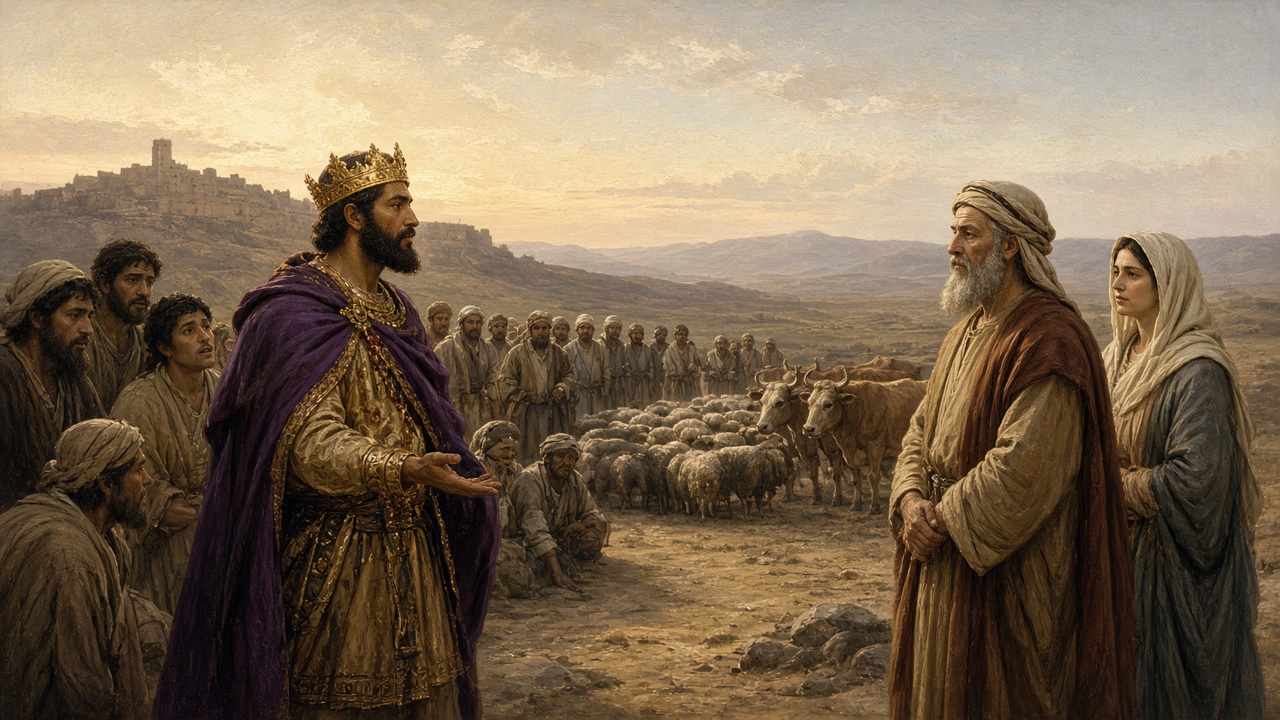
Ablaham eyo꞉ Abimeleg e dikido꞉
1Ablaham e Mamele hen a꞉namilo꞉ seno꞉ ta꞉ta꞉sa꞉ga꞉, Negeb hena ha꞉nakiyo꞉, Sul heno꞉ nol, Kades amisa꞉no꞉ nol a꞉lo꞉ us a꞉na sa꞉sen. Tif amio꞉ e Gela amisa꞉n a꞉namio꞉ mageso꞉ kalu o꞉ngo꞉ doma꞉ni ane. 2Hen a꞉na silikiyo꞉, Ablaham eyo꞉ kaluka꞉isalemo꞉ sa꞉laki, “Sa꞉la we, ne nado” a꞉la꞉sa꞉la꞉sen. A꞉la꞉sio꞉ ko꞉lo꞉ Gela misa꞉ kalu, Abimeleg eyo꞉ Selayo꞉ e dia꞉no꞉ a꞉laki towo꞉ saga꞉fo꞉ ko꞉lo꞉, nolba꞉yo꞉ Selayo꞉ tililia꞉ yabiki a꞉na di. 3A꞉la꞉dimido꞉ ko꞉lo꞉ nulu no amio꞉, Abimeleg e ofolakiyo꞉, Godeyo꞉ elo꞉wa fa꞉la꞉dowaki a꞉la꞉sio꞉, “Ga gilo꞉ dia꞉no꞉ ko꞉lo꞉ tililia꞉mio꞉ ko, e o꞉ma kaluwa꞉yo꞉ di ko꞉lo꞉, ge mada soma꞉ib.” 4Ko꞉sega Abimeleg e Sa꞉la o꞉lia꞉yo꞉ semo꞉ ali ko꞉lo꞉ eyo꞉ a꞉la꞉sio꞉, “Kalu Alan, kaluwa꞉yo꞉ man mogago꞉wo꞉ mo꞉dimidalega, giyo꞉ kalu a꞉no꞉lia꞉ ene iasi kaluka꞉isale o꞉lia꞉yo꞉ sana soma꞉no꞉wa꞉le? 5Ablaham eneno꞉sa a꞉la꞉sio꞉, ‘Ga we ne nado.’ A꞉la꞉ta꞉ga꞉ ga eyo꞉lo꞉ a꞉la꞉sio꞉, ‘Kalu we na꞉ nao.’ A꞉la꞉fo꞉ko꞉lo꞉ niyo꞉ ga we diakiyo꞉, no꞉no꞉n asulo꞉wo꞉ digalo꞉le dofo꞉liki, man digalo꞉le dimido꞉ a꞉la꞉asulo꞉l.” Abimeleg eyo꞉ a꞉la꞉sio꞉.
6Abimeleg e ofolab us a꞉namio꞉, Godeya꞉ emo꞉ sa꞉laki, “Gi asulo꞉wo꞉ digalo꞉le dofo꞉liki dimido꞉ a꞉la꞉bo꞉ niyo꞉ asulo꞉. A꞉la꞉ta꞉ga꞉ ni siwa꞉l amio꞉lo꞉ man mogago꞉wo꞉ mo꞉dimidama꞉kiyo꞉, niyo꞉ ge ga we o꞉lia꞉yo꞉ mo꞉alima꞉ki go꞉. 7A꞉la꞉fo꞉ko꞉lo꞉ giyo꞉ ga we inbo꞉ a꞉ma꞉la꞉ iliga꞉ta꞉bi. Ablaham e Godeya꞉ tolo꞉ dinali sa꞉lan kalu ko꞉lo꞉, eyo꞉ ge dulugu sa꞉lalikiyo꞉, ge o꞉li mesa꞉ib. Ko꞉sega giyo꞉ ga we inbo꞉wo꞉ mo꞉iliga꞉talega, gelo꞉ a꞉la꞉ta꞉ga꞉ giasi kaluka꞉isaleyo꞉ tambo mada soma꞉ib.” Gode eyo꞉ a꞉la꞉sio꞉.
8Kea꞉fole Abimeleg e dasila꞉sa꞉ga꞉, ene nanog dian kaluwo꞉ ho꞉le kegea꞉sa꞉ga꞉, elo꞉ ofolo꞉ ba꞉ba꞉ a꞉no꞉ a꞉na malolabikiyo꞉, iyo꞉ a꞉no꞉ ko꞉lo꞉ da꞉dakiyo꞉ tagio꞉ alan dowo꞉. 9A꞉la꞉ta꞉ga꞉yo꞉ Abimeleg eyo꞉ Ablahamo꞉ ho꞉lelia꞉ga꞉ emo꞉wo꞉ a꞉la꞉sio꞉, “Giyo꞉ nimo꞉wo꞉ hala dimido꞉ka꞉! Ne mogago꞉ nowo꞉ gemo꞉lo꞉ mo꞉dimido꞉ ko꞉lo꞉, giyo꞉ hida꞉yo꞉ alan we ne o꞉lia꞉ niasi kaluka꞉isale o꞉lia꞉mo꞉lo꞉ dia꞉mio꞉wo꞉ mo꞉wo꞉ ha꞉? Man kaluwa꞉lo꞉ mo꞉dimidan a꞉no꞉ giyo꞉ nimo꞉ dimido꞉.” Abimeleg eyo꞉ a꞉la꞉sio꞉. 10A꞉la꞉ta꞉ga꞉ Abimeleg eyo꞉ a꞉la꞉dabu ba꞉ba꞉, “Gilo꞉ dimido꞉ a꞉no꞉, giyo꞉ waga asulaki dimido꞉wo꞉?” 11A꞉la꞉dabu ba꞉dabiki Ablaham eyo꞉ emo꞉wo꞉ a꞉la꞉sio꞉, “Nilo꞉ dimido꞉wo꞉ mo꞉wo꞉ we. Amisa꞉n wiyo꞉ Godeyo꞉ mo꞉tagila꞉sen ko꞉lo꞉, ne sana sowaki, ni gayo꞉ ili dia꞉ib a꞉la꞉bo꞉ no꞉no꞉no꞉ asulaki sio꞉. 12A꞉la꞉ta꞉ga꞉ nilo꞉ sio꞉ a꞉no꞉, niyo꞉ hendele sio꞉. Mo꞉wo꞉ na꞉no꞉ dowo꞉ imilise, ko꞉sega e anowo꞉ ko꞉li ko꞉lo꞉, niyo꞉ e a꞉na di. 13Ne gayo꞉ dia꞉sa꞉ga꞉ elen amio꞉, Godeya꞉ nemo꞉ sa꞉lakiyo꞉, ‘Ge go꞉la꞉ heno꞉ kata꞉fo꞉ hamana’ a꞉la꞉sio꞉ ko꞉lo꞉, na꞉no꞉ ha꞉nakiyo꞉, niyo꞉ Selamo꞉wo꞉ a꞉la꞉sio꞉, ‘Hen o꞉bamida꞉ya꞉le na꞉ndo꞉ ha꞉nab a꞉namio꞉, giyo꞉ ne ha꞉fo꞉ disa꞉laki, a꞉la꞉sa꞉la꞉bi, “Kalu we ni nao.” ’ ”
14Abimeleg eyo꞉ to a꞉no꞉ da꞉da꞉sa꞉ga꞉yo꞉, sibiyo꞉lo꞉ kaowo꞉lo꞉ nanog dian kaluka꞉isale o꞉lia꞉ a꞉no꞉ Ablahambo꞉ dimiaki a꞉la꞉ta꞉ga꞉, ene inga Selayo꞉lo꞉ a꞉ma꞉la꞉ iliga꞉fo꞉. 15A꞉la꞉dimidakiyo꞉ Abimeleg eyo꞉ Ablahambo꞉wo꞉ a꞉la꞉sio꞉, “Ge bo꞉ba. Hen we tambo nino꞉ ko꞉lo꞉, ge go꞉ndo꞉ asulab au ta꞉bi.” 16A꞉la꞉ta꞉ga꞉ eyo꞉ Selamo꞉wo꞉ a꞉la꞉sio꞉, “Niyo꞉ silba mole 1,000 a꞉no꞉ gi gaomo꞉ dimi. A꞉la꞉go꞉ko꞉lo꞉ kaluka꞉isale ge o꞉lia꞉lo꞉ sen a꞉ma꞉yo꞉, ge mogago꞉ imilise nowo꞉ mo꞉dimido꞉ a꞉la꞉bo꞉ ele bo꞉ba꞉kiyo꞉, niyo꞉ mole we a꞉na dimio꞉l ko꞉lo꞉, ge sendelowa꞉so꞉bo” Abimeleg eyo꞉ a꞉la꞉sio꞉. 17A꞉la꞉sa꞉la꞉sa꞉ga꞉ Ablaham eyo꞉ Godemo꞉ dulugu sio꞉ ko꞉lo꞉, Gode eyo꞉ Abimelego꞉lo꞉, ingayo꞉lo꞉, ene nanogdo꞉ dian ka꞉isaleyo꞉lo꞉ tambo falele alifa꞉ ko꞉lo꞉ iyo꞉ so꞉wayo꞉ wa꞉ka o꞉li sa꞉la꞉la꞉ma꞉ki ta꞉fo꞉. 18Mo꞉wo꞉ tamin amio꞉ Abimeleg eyo꞉ Ablahama꞉ ene inga Selayo꞉ diabikiyo꞉, Yawe eyo꞉ Abimeleg e o꞉lia꞉lo꞉ sa꞉sen ka꞉isaleyo꞉ tambo so꞉walo꞉ mo꞉sa꞉la꞉lima꞉ki dimidalifa꞉.
Did you know?
Sister and Wife in Gerar
- Abraham was staying in Gerar, a very ancient town and district on the southern border of Palestine, then ruled by a king named Abimelech. He had journeyed to the Negev, the arid district south of Palestine on the caravan route toward Egypt, and settled between Kadesh and Shur. Shur, a name meaning “wall,” was a desert region on Egypt’s northeastern edge, probably named for the frontier wall the Egyptians built there.Sources: the Bible text itself · Gerar · Negeb · Shur
- When Abraham said that Sarah was his sister, the kinship was not wholly invented: she was also his half-sister, the daughter of his father but not of his mother. Easton's Bible Dictionary (1897) gives the name Sarah as meaning “princess,” and says that name was given when it was announced that she would be the mother of the promised child.Sources: the Bible text itself · Sarah
- The name Abimelech appears again at Gerar in Isaac’s story. Easton's Bible Dictionary (1897) describes that later king as probably the son of the Abimelech Abraham met, and says he rebuked Isaac for a similar deception about his wife Rebekah, which the king discovered by accident. The same work says Gerar seems to have been a rich pastoral country.Sources: Abimelech (King of Gerar) · Gerar
Notes written with AI assistance from open sources (Theographic Bible Metadata, CC BY-SA 4.0; Easton’s Bible Dictionary, public domain) and reviewed before publishing.
Places in this chapter
- Negeb · 31.245, 34.841 · verse 1
Only places identified with high confidence are shown (90% or more according to the scholarly sources compiled by OpenBible). Period map: DARE (Digital Atlas of the Roman Empire), CC BY 4.0; modern map: © OpenStreetMap contributors; places: OpenBible.info (CC BY 4.0).
Credits and license for this translation
Godeya꞉ To Nafayo꞉ We
The New Testament, Genesis, and Ruth in the Kaluli language of Papua New Guinea
Sampela hap Buk Baibel long tokples Kaluli long Niugini
copyright © 1998-2022 Wycliffe Bible Translators, Inc.
Language: Kaluli
Translation by: Wycliffe Bible Translators
This translation is made available to you under the terms of the
Creative Commons Attribution-Noncommercial-No Derivatives license 4.0.
You may share and redistribute this Bible translation or extracts from it in any format, provided that:
You include the above copyright and source information.
You do not sell this work for a profit.
You do not change any of the words or punctuation of the Scriptures.
Pictures included with Scriptures and other documents on this site are licensed just for use with those Scriptures and documents.
For other uses, please contact the respective copyright owners.
2025-03-12
Source: http://png.bible/bco/ · eBible.org