Deuteronomy 13
Bibeli Gusunɔn Gari · Tap a verse to see its cross-references.
1I ko i woodɑ be kpuro mɛm nɔɔwɑwɑ be nɑ bɛɛ wɛ̃ mi. I ku rɑ ɡɑ̃ɑnu ɡɑnu sosi, i ku rɑ mɑɑ ɡɑ̃ɑnu ɡɑnu kɑwɑ be sɔɔ.
Bɑ koo Isireli
be bɑ bũnu sɑ̃ɑmɔ sɛɛyɑsiɑ
2Bɛɛn suunu sɔɔ, Gusunɔn sɔmɔ ɡoo ǹ kun mɛ yɑm wɑo ɡoo ù n bɛɛ mɑɑmɑɑkin ɡɑri sɔ̃ɔwɑ, 3mɑ ye yɛ̃ro u bɛɛ sɔ̃ɔwɑ mi, yɑ koorɑ, mɑ u bɛɛ sɔ̃ɔwɑ u nɛɛ, i dɑ i bũnu sɑ̃ ni i ǹ dɑɑ yɛ̃, 4i ku rɑ win ɡɑri nɔ. Domi Gusunɔ bɛsɛn Yinniwɑ u bɛɛn lɑɑkɑri mɛɛrimɔ u kɑ wɑ ì n nùn kĩn nɑ kɑ bɛɛn ɡɔ̃ru kpuro kɑ bɛɛn bwɛ̃rɑ kpuro. 5Gusunɔ bɛsɛn Yinni turowɑ i ko i kɑsu kpɑ i nùn nɑsiɑ. I win woodɑbɑ nɔni dokeo, i nùn mɛm nɔɔwɑ, kpɑ i nùn sɑ̃ kpɑ i n kɑ nùn mɑninɛ. 6I ko sɔmɔ wi, ǹ kun mɛ yɑm wɑo wi ɡowɑ wi u bɛɛ bɔriɑmɔ i kɑ Gusunɔ bɛsɛn Yinni deri wi u sun yɑrɑmɑ Eɡibitin di mi sɑ yoru di. I ko yɛ̃ro ɡowɑ yèn sɔ̃ u kĩ u bɛɛ ɡɛrɑsiɑ Gusunɔ bɛsɛn Yinnin swɑɑn di, ye u sun sɔ̃ɔwɑ su swĩi. Nɡe mɛyɑ i ko i kɑ kɔ̃sɑ kpeerɑsiɑ bɛɛn suunu sɔɔn di.
7Bwese tukunu nu ko n bɛɛ sikerenɛ, ɡɑnu nu n wɑ̃ɑ turuku kpɑ ɡɑnu nu n wɑ̃ɑ n tomɑ hɑnduniɑn ɡoonu nnɛ kpuro sɔɔ, nu n bũnu sɑ̃ɑmɔ ni bɛɛ kɑ bɛɛn bɑɑbɑbɑ i ǹ dɑɑ yɛ̃. Sɔrɔkudo bɛɛn mɔɔ ǹ kun mɛ bɛɛn wɔnɔ ǹ kun mɛ bɛɛn bii tɔn durɔ ǹ kun mɛ tɔn kurɔ ǹ kun mɛ bɛɛn kurɔ ǹ kun mɛ bɛɛn bɔrɔ kĩnɑsi ɡoo u koo bɛɛ kɔkiri ɑsiri sɔɔ u nɛɛ, i dɑ i bũu ni sɑ̃. 9I ku rɑ yɛ̃ro swɑɑ dɑki i win ɡɑri ɡem mwɑ. I ku rɑ mɑɑ win wɔnwɔndu ko i sere nùn biru wukiri. 10Adɑmɑ i ko i nùn ɡowɑ. Wunɛ wi u kɔkurɑ, wunɑ kɑɑ ɡbi ɑ nùn kpenu kɑsukum tore ɑ kɑ ɡo, tɔn be bɑ tie bu sere nun swĩi. 11I ko i nùn kpenu kɑsuku i ɡowɑ yèn sɔ̃ u kɑsu u bɛɛ ɡɛrɑsiɑ Gusunɔ bɛsɛn Yinnin swɑɑn di wi u sun yɑrɑmɑ Eɡibitin di mi sɑ yoru di. 12Mɛyɑ n ko n sɑ̃ɑ kpɑ bɛɛ Isirelibɑ kpuro i nɔ, kpɑ i bɛrum soorɑ i ku mɑɑ kɑ kɔ̃sɑ yen bweseru ko bɛɛn suunu sɔɔ.
13Sɔrɔkudo wuu si Gusunɔ u bɛɛ wɛ̃n teu sɔɔ, tɔn kɔ̃sobu ɡɑbu bɑ koo wuuɡibu kɔkiri bu nɛɛ, bu dɑ bu bũnu sɑ̃ ni, ni i ǹ dɑɑ yɛ̃. Ì n nuɑ mɛ, 15i ko i ɡɑri yin kɑso kowɑ i yi wɛ̃ɛri kpɑ i yi bikikiɑ kɑ lɑɑkɑri i wɑ bɑ̀ n kɔ̃sɑ ye kuɑn nɑ kɑ ɡem. 16Bɑ̀ n ye kuɑn nɑ, sɑɑ yerɑ i ko wuu ɡen tɔmbu kpuro ɡo kɑ ben yɑɑ sɑbenu kpɑ i wuu ɡen tii kpeerɑsiɑ kɑ ye yɑ wɑ̃ɑ ɡe sɔɔ. 17I ko i wuu ɡen ɑrumɑni kpuro mɛnnɑwɑ ɡen yɑɑrɑɔ mi bɑ rɑ mɛnnɛ, kpɑ i wuu ɡe kɑ ɑrumɑni ye kpuro dɔ̃ɔ mɛni muku muku. Yɑ ko n sɑ̃ɑwɑ nɡe yɑ̃ku dɔ̃ɔ mwɑɑrɑruɡiru te i Gusunɔ bɛɛn Yinni kuɑ. Wuu ɡe, ɡɑ ko n sɑ̃ɑwɑ bɑnsu sere kɑ bɑɑdommɑɔ. Bɑ ǹ mɑɑ su seeyɑmɔ. 18I ku rɑ mɑɑ tii ɡɑ̃ɑnu yiiyɑ ɑrumɑni ye sɔɔ. Yɑ ko n sɑ̃ɑwɑ Gusunɔ bɛsɛn Yinniɡiɑ, kpɑ win mɔru yu wɑ yu sure. Ì n win nɔɔ nuɑ mɑ i win woodɑbɑ kpuro mɛm nɔɔwɑ be nɑ bɛɛ wɛ̃ɛmɔ ɡisɔ, kpɑ i n mɔ̀ ye yɑ wɑ̃ win nɔni sɔɔ, u koo bɛɛ wɔnwɔndu kɑ durom kuɑ, kpɑ i dɑbiɑ nɡe mɛ u bɛsɛn bɑɑbɑbɑ yen nɔɔ mwɛɛru kuɑ kɑ bɔ̃ri.
Gɔɔ woro ni Gusunɔ u yinɑ
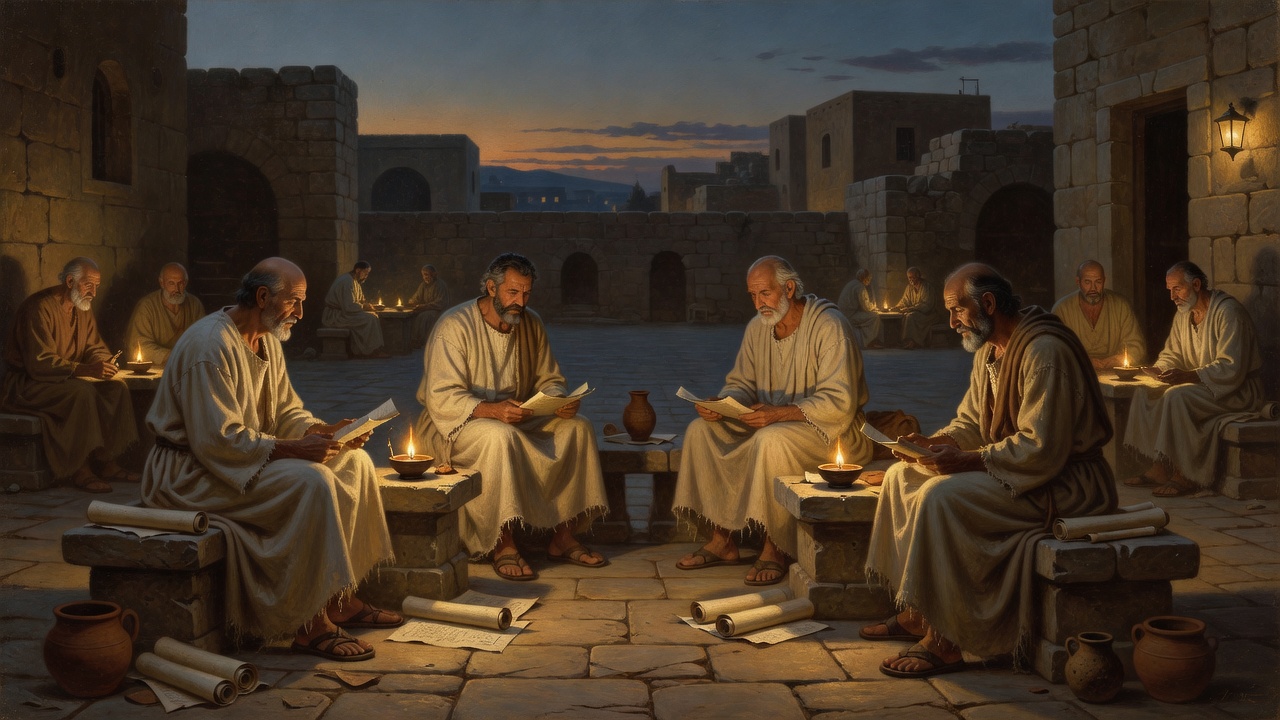
Did you know?
Safeguarding Loyalty and Warning Against Apostasy
- Deuteronomy specifies that a sign or wonder coming to pass does not automatically authenticate a prophet. If the prophet advocates following other gods, the message is considered a test of the community's loyalty rather than genuine divine guidance.Sources: the Bible text itself
- When addressing secret enticements to idolatry by close family members or friends, the law required the accuser to cast the first stone. This placed immediate personal responsibility on the witness and discouraged false accusations.Sources: the Bible text itself
- Before taking collective action against an entire town accused of apostasy, the community was strictly required to conduct a thorough inquiry and investigation to verify the facts with certainty.Sources: the Bible text itself
Notes written with AI assistance from open sources (Theographic Bible Metadata, CC BY-SA 4.0; Easton’s Bible Dictionary, public domain) and reviewed before publishing.
Places in this chapter
Only places identified with high confidence are shown (90% or more according to the scholarly sources compiled by OpenBible). Period map: DARE (Digital Atlas of the Roman Empire), CC BY 4.0; modern map: © OpenStreetMap contributors; places: OpenBible.info (CC BY 4.0).
Credits and license for this translation
Bibeli Gusunɔn Gari
The Holy Bible in the Baatonum language of Benin, also called the Bariba language
copyright © 2013 SIM
Language: Bariba (Baatonum)
Translation by: SIM International
Bariba, Bibeli Gusunɔn Gari
This translation, published by the UEEB/SIM au Benin, was published in 1996.
If you are interested in obtaining a printed copy, please contact the SIM at SIM, BP 15, Parakou, Benin.
This translation text is made available to you under the
terms of the Creative Commons License: Attribution-Noncommercial-No Derivative Works.
( http://creativecommons.org/licenses/by-nc-nd/3.0/ )
In addition, you have permission to port the text to different file formats, as long as you
do not change any of the text or punctuation of the Bible.
You may share, copy, distribute, transmit, and extract portions
or quotations from this work, provided that you include the above copyright
information:
You must give Attribution to the work.
You do not sell this work for a profit.
You do not make any derivative works that change any of the actual words or punctuation of the Scriptures.
Permissions beyond the scope of this license may be
available if you contact
us with your request.
This translation is made available to you under the terms of the
Creative Commons Attribution-Noncommercial-No Derivatives license 4.0.
You may share and redistribute this Bible translation or extracts from it in any format, provided that:
You include the above copyright and source information.
You do not sell this work for a profit.
You do not change any of the words or punctuation of the Scriptures.
Pictures included with Scriptures and other documents on this site are licensed just for use with those Scriptures and documents.
For other uses, please contact the respective copyright owners.
2014-09-10
Source: http://ebible.org/bba/ · eBible.org