Deuteronomio 13
Bibeli Gusunɔn Gari · Toca un versículo para ver sus referencias cruzadas.
1I ko i woodɑ be kpuro mɛm nɔɔwɑwɑ be nɑ bɛɛ wɛ̃ mi. I ku rɑ ɡɑ̃ɑnu ɡɑnu sosi, i ku rɑ mɑɑ ɡɑ̃ɑnu ɡɑnu kɑwɑ be sɔɔ.
Bɑ koo Isireli
be bɑ bũnu sɑ̃ɑmɔ sɛɛyɑsiɑ
2Bɛɛn suunu sɔɔ, Gusunɔn sɔmɔ ɡoo ǹ kun mɛ yɑm wɑo ɡoo ù n bɛɛ mɑɑmɑɑkin ɡɑri sɔ̃ɔwɑ, 3mɑ ye yɛ̃ro u bɛɛ sɔ̃ɔwɑ mi, yɑ koorɑ, mɑ u bɛɛ sɔ̃ɔwɑ u nɛɛ, i dɑ i bũnu sɑ̃ ni i ǹ dɑɑ yɛ̃, 4i ku rɑ win ɡɑri nɔ. Domi Gusunɔ bɛsɛn Yinniwɑ u bɛɛn lɑɑkɑri mɛɛrimɔ u kɑ wɑ ì n nùn kĩn nɑ kɑ bɛɛn ɡɔ̃ru kpuro kɑ bɛɛn bwɛ̃rɑ kpuro. 5Gusunɔ bɛsɛn Yinni turowɑ i ko i kɑsu kpɑ i nùn nɑsiɑ. I win woodɑbɑ nɔni dokeo, i nùn mɛm nɔɔwɑ, kpɑ i nùn sɑ̃ kpɑ i n kɑ nùn mɑninɛ. 6I ko sɔmɔ wi, ǹ kun mɛ yɑm wɑo wi ɡowɑ wi u bɛɛ bɔriɑmɔ i kɑ Gusunɔ bɛsɛn Yinni deri wi u sun yɑrɑmɑ Eɡibitin di mi sɑ yoru di. I ko yɛ̃ro ɡowɑ yèn sɔ̃ u kĩ u bɛɛ ɡɛrɑsiɑ Gusunɔ bɛsɛn Yinnin swɑɑn di, ye u sun sɔ̃ɔwɑ su swĩi. Nɡe mɛyɑ i ko i kɑ kɔ̃sɑ kpeerɑsiɑ bɛɛn suunu sɔɔn di.
7Bwese tukunu nu ko n bɛɛ sikerenɛ, ɡɑnu nu n wɑ̃ɑ turuku kpɑ ɡɑnu nu n wɑ̃ɑ n tomɑ hɑnduniɑn ɡoonu nnɛ kpuro sɔɔ, nu n bũnu sɑ̃ɑmɔ ni bɛɛ kɑ bɛɛn bɑɑbɑbɑ i ǹ dɑɑ yɛ̃. Sɔrɔkudo bɛɛn mɔɔ ǹ kun mɛ bɛɛn wɔnɔ ǹ kun mɛ bɛɛn bii tɔn durɔ ǹ kun mɛ tɔn kurɔ ǹ kun mɛ bɛɛn kurɔ ǹ kun mɛ bɛɛn bɔrɔ kĩnɑsi ɡoo u koo bɛɛ kɔkiri ɑsiri sɔɔ u nɛɛ, i dɑ i bũu ni sɑ̃. 9I ku rɑ yɛ̃ro swɑɑ dɑki i win ɡɑri ɡem mwɑ. I ku rɑ mɑɑ win wɔnwɔndu ko i sere nùn biru wukiri. 10Adɑmɑ i ko i nùn ɡowɑ. Wunɛ wi u kɔkurɑ, wunɑ kɑɑ ɡbi ɑ nùn kpenu kɑsukum tore ɑ kɑ ɡo, tɔn be bɑ tie bu sere nun swĩi. 11I ko i nùn kpenu kɑsuku i ɡowɑ yèn sɔ̃ u kɑsu u bɛɛ ɡɛrɑsiɑ Gusunɔ bɛsɛn Yinnin swɑɑn di wi u sun yɑrɑmɑ Eɡibitin di mi sɑ yoru di. 12Mɛyɑ n ko n sɑ̃ɑ kpɑ bɛɛ Isirelibɑ kpuro i nɔ, kpɑ i bɛrum soorɑ i ku mɑɑ kɑ kɔ̃sɑ yen bweseru ko bɛɛn suunu sɔɔ.
13Sɔrɔkudo wuu si Gusunɔ u bɛɛ wɛ̃n teu sɔɔ, tɔn kɔ̃sobu ɡɑbu bɑ koo wuuɡibu kɔkiri bu nɛɛ, bu dɑ bu bũnu sɑ̃ ni, ni i ǹ dɑɑ yɛ̃. Ì n nuɑ mɛ, 15i ko i ɡɑri yin kɑso kowɑ i yi wɛ̃ɛri kpɑ i yi bikikiɑ kɑ lɑɑkɑri i wɑ bɑ̀ n kɔ̃sɑ ye kuɑn nɑ kɑ ɡem. 16Bɑ̀ n ye kuɑn nɑ, sɑɑ yerɑ i ko wuu ɡen tɔmbu kpuro ɡo kɑ ben yɑɑ sɑbenu kpɑ i wuu ɡen tii kpeerɑsiɑ kɑ ye yɑ wɑ̃ɑ ɡe sɔɔ. 17I ko i wuu ɡen ɑrumɑni kpuro mɛnnɑwɑ ɡen yɑɑrɑɔ mi bɑ rɑ mɛnnɛ, kpɑ i wuu ɡe kɑ ɑrumɑni ye kpuro dɔ̃ɔ mɛni muku muku. Yɑ ko n sɑ̃ɑwɑ nɡe yɑ̃ku dɔ̃ɔ mwɑɑrɑruɡiru te i Gusunɔ bɛɛn Yinni kuɑ. Wuu ɡe, ɡɑ ko n sɑ̃ɑwɑ bɑnsu sere kɑ bɑɑdommɑɔ. Bɑ ǹ mɑɑ su seeyɑmɔ. 18I ku rɑ mɑɑ tii ɡɑ̃ɑnu yiiyɑ ɑrumɑni ye sɔɔ. Yɑ ko n sɑ̃ɑwɑ Gusunɔ bɛsɛn Yinniɡiɑ, kpɑ win mɔru yu wɑ yu sure. Ì n win nɔɔ nuɑ mɑ i win woodɑbɑ kpuro mɛm nɔɔwɑ be nɑ bɛɛ wɛ̃ɛmɔ ɡisɔ, kpɑ i n mɔ̀ ye yɑ wɑ̃ win nɔni sɔɔ, u koo bɛɛ wɔnwɔndu kɑ durom kuɑ, kpɑ i dɑbiɑ nɡe mɛ u bɛsɛn bɑɑbɑbɑ yen nɔɔ mwɛɛru kuɑ kɑ bɔ̃ri.
Gɔɔ woro ni Gusunɔ u yinɑ
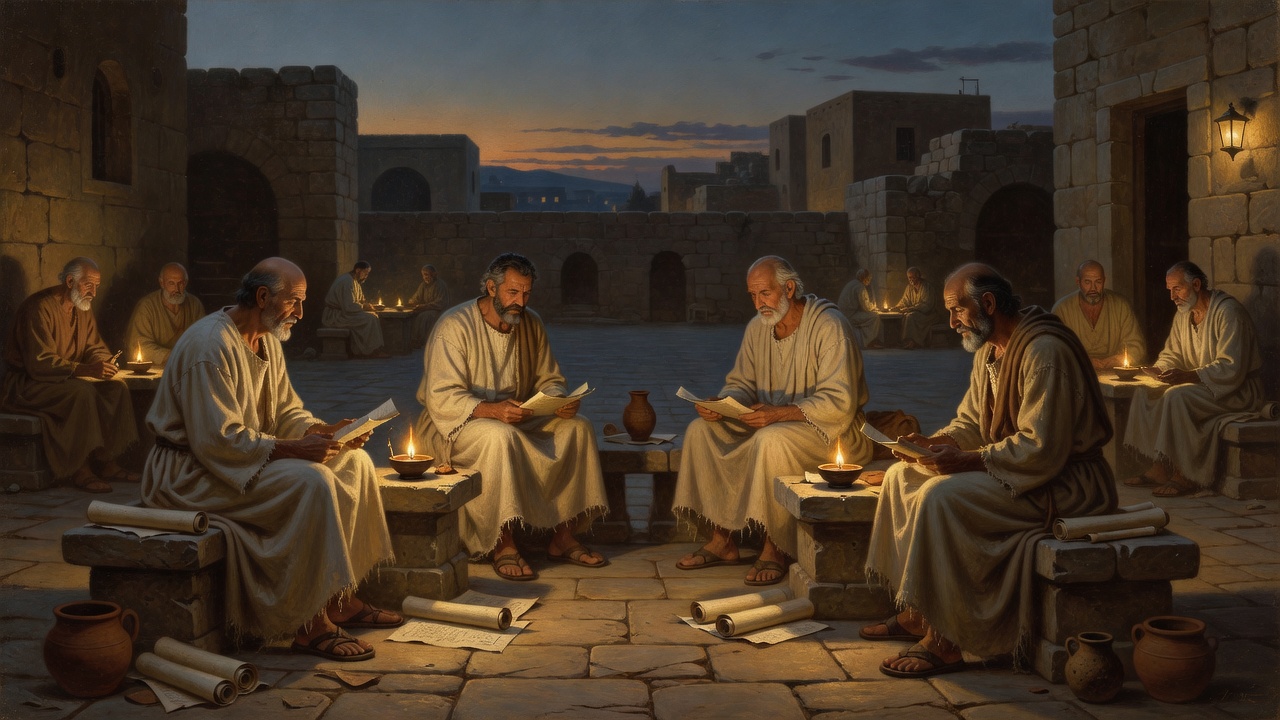
¿Sabías que…?
La Preservación de la Lealtad y la Advertencia contra la Apostasía
- Deuteronomio precisa que el cumplimiento de una señal o prodigio no autentica automáticamente a un profeta. Si el profeta incita a seguir a otros dioses, el mensaje se considera una prueba de la lealtad de la comunidad y no una guía divina genuina.Fuentes: el propio texto bíblico
- Al tratar sobre la incitación secreta a la idolatría por parte de familiares o amigos cercanos, la ley exigía que el propio testigo arrojara la primera piedra. Esto imponía una responsabilidad personal directa sobre el acusador y disuadía las acusaciones falsas.Fuentes: el propio texto bíblico
- Antes de tomar medidas colectivas contra una ciudad entera acusada de apostasía, la comunidad debía realizar una indagación e investigación exhaustiva para comprobar los hechos con certeza.Fuentes: el propio texto bíblico
Notas escritas con ayuda de IA a partir de fuentes abiertas (Theographic Bible Metadata, CC BY-SA 4.0; Easton’s Bible Dictionary, dominio público) y revisadas antes de publicarse.
Lugares de este capítulo
Solo aparecen lugares identificados con alta confianza (90 % o más según las fuentes académicas reunidas por OpenBible). Mapa de la época: DARE (Digital Atlas of the Roman Empire), CC BY 4.0; mapa actual: © colaboradores de OpenStreetMap; lugares: OpenBible.info (CC BY 4.0).
Créditos y licencia de esta traducción
Bibeli Gusunɔn Gari
The Holy Bible in the Baatonum language of Benin, also called the Bariba language
copyright © 2013 SIM
Language: Bariba (Baatonum)
Translation by: SIM International
Bariba, Bibeli Gusunɔn Gari
This translation, published by the UEEB/SIM au Benin, was published in 1996.
If you are interested in obtaining a printed copy, please contact the SIM at SIM, BP 15, Parakou, Benin.
This translation text is made available to you under the
terms of the Creative Commons License: Attribution-Noncommercial-No Derivative Works.
( http://creativecommons.org/licenses/by-nc-nd/3.0/ )
In addition, you have permission to port the text to different file formats, as long as you
do not change any of the text or punctuation of the Bible.
You may share, copy, distribute, transmit, and extract portions
or quotations from this work, provided that you include the above copyright
information:
You must give Attribution to the work.
You do not sell this work for a profit.
You do not make any derivative works that change any of the actual words or punctuation of the Scriptures.
Permissions beyond the scope of this license may be
available if you contact
us with your request.
This translation is made available to you under the terms of the
Creative Commons Attribution-Noncommercial-No Derivatives license 4.0.
You may share and redistribute this Bible translation or extracts from it in any format, provided that:
You include the above copyright and source information.
You do not sell this work for a profit.
You do not change any of the words or punctuation of the Scriptures.
Pictures included with Scriptures and other documents on this site are licensed just for use with those Scriptures and documents.
For other uses, please contact the respective copyright owners.
2014-09-10
Fuente: http://ebible.org/bba/ · eBible.org