Deuteronomy 14
Bibeli Gusunɔn Gari · Tap a verse to see its cross-references.
1Bɛɛ Isirelibɑ, i sɑ̃ɑwɑ Gusunɔ bɛsɛn Yinnin tɔmbu. Goo ù n ɡu, i ku rɑ bɛɛn wɑsin ɡɑm murɑ. I ku rɑ mɑɑ bɛɛn seri kɔni wuswɑɑ ɡiɑ. 2Domi i sɑ̃ɑwɑ bwese te Gusunɔ bɛsɛn Yinni u ɡɔsɑ nɛnɛm. Hɑnduniɑn bwesenu kpuro sɔɔ, bɛɛyɑ u ɡɔsɑ i n kɑ sɑ̃ɑ win tɔmbu.
Yɑɑ ye n weenɛ bu di
kɑ ye n ǹ weenɛ bu di
3I ku rɑ ɡɑ̃ɑ disiɡinu di. 4Yɛɛ yi i ko i di, yiyɑ nɑɑ kɑ yɑ̃ɑru kɑ boo 5kɑ yɑɑ kpiku kɑ nɛmu kɑ kpɑsɑ kɑ kpee boo kɑ ɡini bukɑru kɑ kpee bɛrɑ kɑ ɡinɑ. 6Yɛɛ yi yi nɑɑ kɑburosu yiru mɔ mɑ yi rɑ tukɑ ko, yi kpurowɑ i ko i di. 7Adɑmɑ i ku rɑ yɑɑ di ye yɑ rɑ tukɑ ko tɔnɑ ǹ kun mɛ ye yɑ nɑɑ kɑburosu yiru mɔ tɔnɑ. Nɡe mɛyɑ i ku rɑ yooyoo di kɑ sɑɑtɑburu kɑ mɑɑ dɑmɑɑ . Yɛɛ yi, yi rɑ tukɑ ko ɑdɑmɑ yi ǹ nɑɑ kɑburosu yiru yiru mɔ. I ko i yi ɡɑrisiwɑ disiɡii. 8I ku rɑ kurusɔ di ɡe, ɡe ɡɑ nɑɑ kɑburosu yiru yiru mɔ, ɑdɑmɑ ɡɑ ku rɑ tukɑ ko. I ko i ɡu ɡɑrisiwɑ disiɡuu. I ku rɑ yɛɛ yin ɡɑɑ di, i ku rɑ mɑɑ yin ɡɑɑn ɡoru bɑbɑ.
9Yɛɛ yi yi wɑ̃ɑ nim sɔɔ i ko i di yiyɑ, yɛɛ yi yi kɛ̃ɛritii kɑ kokosu mɔ kpuro. 10Adɑmɑ yi yi ǹ kɛ̃ɛritii kɑ kokosu mɔ, i ku rɑ yi di. I ko i yi ɡɑrisiwɑ disiɡii.
11Gunɔ ɡe ɡɑ dɛɛre kpurowɑ i ko i di. 12Adɑmɑ ɡunɔ si i ǹ dimɔ siyɑ, ɡunɔ bɑkeru kɑ yɑbereku kɑ ɡunɔ bɑke te tɑ rɑ n wɑ̃ɑ nim wɔ̃kuɔ 13kɑ bɔsu sooku kɑ siro kɑ ye yɑ kɑ ɡu weenɛ kpuro 14kɑ ɡbɑnɑmɡbɑɑru kɑ ye yɑ kɑ tu weenɛ kpuro 15kɑ tɑɑtɑɑru kɑ booro kɑ kpɑruko yɑ̃ɑtɑm bɑrebu kɑ kɑsɑ kɑ ye yɑ kɑ ye weenɛ kpuro
16kɑ booron bweseru bɑɑtere 17kɑ ɡbɑmɡbɑyɑku kɑ tionko kɑ swɑ̃ɑ wĩɑku 18kɑ nim kpɑkpɑyɛ kɑ bukɑɑbo kɑ ye yɑ kɑ ye weenɛ kpuro kɑ kpurɑbu kɑ sere kɔ̃ɔ.
19I ko i kɔkɔmii ni nu rɑ yɔ̃ yɔ̃ ɡɑrisiwɑ disiɡinu. I ku rɑ nu di. 20Adɑmɑ ni nu dɛɛre kpurowɑ i ko i kpĩ i di.
21I ku rɑ yɑɑ ɡɑɑ di ye yɑ kɑ tii ɡu. I ye sɔɔ wi u wɑ̃ɑ bɛɛn yɛnuɔ kɛ̃ɛyɔ u di ǹ kun mɛ i ye sɔbu ɡɑbu dɔre. Domi i sɑ̃ɑwɑ Gusunɔ bɛsɛn Yinnin tɔmbu mɑm mɑm. I ku rɑ mɑɑ boo buu yike kɑ ɡen mɛron bom.
Wɔkuru bɑɑteren wɔllun
tiɑ tiɑn woodɑ
22Wɔ̃ɔ bɑɑɡere, bɛɛn ɡbeɑn dĩɑnu sɔɔ, wɔkuru bɑɑteren wɔllɔ tiɑ tiɑwɑ i ko i n dɑ wunɛ, 23kpɑ i n dɑ kɑ de Gusunɔ bɛsɛn Yinnin sɑ̃ɑ yerɔ te u ɡɔsɑ. I ko i tiɑ tiɑ ye wunɑ bɛɛn ɑlikɑmɑ sɔɔ kɑ dɑ̃ɑ bii ni bɑ rɑ kɑ tɑm ko sɔɔ kɑ ni bɑ rɑ kɑ ɡum ko sɔɔ, kpɑ i ye di mi, kɑ bɛɛn nɛɛ kɑ bɛɛn yɑ̃ɑnu kɑ bɛɛn bonun bii ɡbiikinu. Ye kpurowɑ i ko i n dɑ di mi, kpɑ i kɑ ɡiɑ nɡe mɛ i ko i n dɑ Gusunɔ bɛɛn Yinni nɑsie bɑɑdommɑ. 24Sɑnɑm mɛ Gusunɔ bɛsɛn Yinni u koo bɛɛ domɑru kuɑ mɑ bɛɛn dĩɑnu nu koorɑ, sɔrɔkudo i ǹ kpĩɑ i kɑ tiɑ tiɑ ye nɑ ye i wunɑ wɔkuru bɑɑteren wɔllɔ yèn sɔ̃ bɛɛn ɡbɑburɑ tomɑ kɑ win sɑ̃ɑ yee te u ɡɔsɑ mi. 25Sɑɑ ye sɔɔ, i ko i tiɑ tiɑ ye dɔrɑwɑ yè i wunɑ wɔkuru bɑɑteren wɔllɔ mi, kpɑ i yen ɡobi nɛnumɑ i kɑ nɑ Gusunɔ bɛsɛn Yinnin sɑ̃ɑ yerɔ te u ɡɔsɑ. 26Miyɑ i ko i kɑ ɡobi yi nɛɛ dwe kɑ yɑ̃ɑnu ǹ kun mɛ bonu kɑ tɑm mɛ mu du kɑ mɛ mu bɔ ye yɑ koo kɑ bɛɛ nɑɑwɑ kpuro ɡesi kpɑ i ye di mi, i n kɑ Gusunɔ bɛɛn Yinni sɑ̃ɑmɔ, kpɑ i n nuku dobu mɔ̀ bɛɛ kɑ bɛɛn yɛnuɡibu. 27Sɑɑ ye sɔɔ, i ku rɑ Lefibɑ duɑri be bɑ wɑ̃ɑ bɛɛn wusɔ, domi bɑ ǹ tem mɔ bɛɛn suunu sɔɔ.
28I ko i n dɑ wɔ̃ɔ itɑse kɑ wɔ̃ɔ itɑsen wɔkuru bɑɑteren wɔllɔn tiɑ tiɑ yiwɑ bɛɛn wusɔ, 29kpɑ yɑ n sɑ̃ɑ Lefibɑɡiɑ be, be bɑ ǹ tem mɔ bɛɛn suunu sɔɔ kɑ sɔbuɡiɑ kɑ ɡobekubɑɡiɑ kɑ ɡɔminibuɡiɑ be bɑ wɑ̃ɑ bɛɛn suunu sɔɔ, kpɑ bu di bu debu kpɑ Gusunɔ bɛsɛn Yinni u bɛɛ domɑru kuɑ bɛɛn sɔmɑ kpuro sɔɔ ye i mɔ̀.
Dibun kɑrɑbu wɔ̃ɔ nɔɔbɑ yiru
kɑ wɔ̃ɔ nɔɔbɑ yiru
Did you know?
Dietary Regulations and Tithe Provisions
- The dietary laws in Deuteronomy 14 distinguish clean from unclean land animals based on two physical criteria: having completely divided hooves and chewing the cud. Aquatic creatures were considered clean for consumption only if they possessed both fins and scales.Sources: the Bible text itself
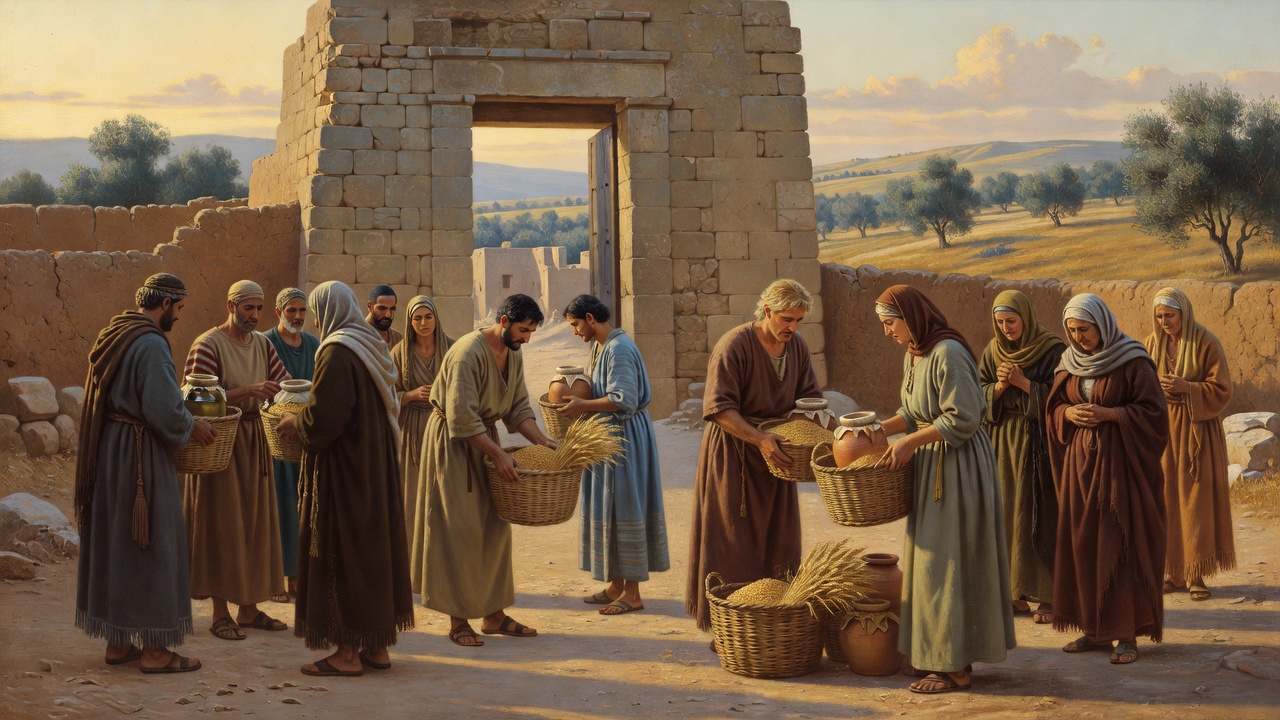
- To accommodate families who lived far from the designated sanctuary, the law allowed agricultural tithes to be converted into silver for travel. Upon arriving at the central sanctuary, worshippers could use the money to purchase festive food and drink to celebrate with their households.Sources: the Bible text itself
- Every third year, the annual tithe was gathered and stored within local towns rather than taken to the central sanctuary. This food was set aside to support community members without land inheritances, specifically Levites, resident foreigners, orphans, and widows.Sources: the Bible text itself
Notes written with AI assistance from open sources (Theographic Bible Metadata, CC BY-SA 4.0; Easton’s Bible Dictionary, public domain) and reviewed before publishing.
Credits and license for this translation
Bibeli Gusunɔn Gari
The Holy Bible in the Baatonum language of Benin, also called the Bariba language
copyright © 2013 SIM
Language: Bariba (Baatonum)
Translation by: SIM International
Bariba, Bibeli Gusunɔn Gari
This translation, published by the UEEB/SIM au Benin, was published in 1996.
If you are interested in obtaining a printed copy, please contact the SIM at SIM, BP 15, Parakou, Benin.
This translation text is made available to you under the
terms of the Creative Commons License: Attribution-Noncommercial-No Derivative Works.
( http://creativecommons.org/licenses/by-nc-nd/3.0/ )
In addition, you have permission to port the text to different file formats, as long as you
do not change any of the text or punctuation of the Bible.
You may share, copy, distribute, transmit, and extract portions
or quotations from this work, provided that you include the above copyright
information:
You must give Attribution to the work.
You do not sell this work for a profit.
You do not make any derivative works that change any of the actual words or punctuation of the Scriptures.
Permissions beyond the scope of this license may be
available if you contact
us with your request.
This translation is made available to you under the terms of the
Creative Commons Attribution-Noncommercial-No Derivatives license 4.0.
You may share and redistribute this Bible translation or extracts from it in any format, provided that:
You include the above copyright and source information.
You do not sell this work for a profit.
You do not change any of the words or punctuation of the Scriptures.
Pictures included with Scriptures and other documents on this site are licensed just for use with those Scriptures and documents.
For other uses, please contact the respective copyright owners.
2014-09-10
Source: http://ebible.org/bba/ · eBible.org