Genesis 8
Awara Baibel · Tap a verse to see its cross-references.
Yanggä gwenu yiwikulu aleke pukukut
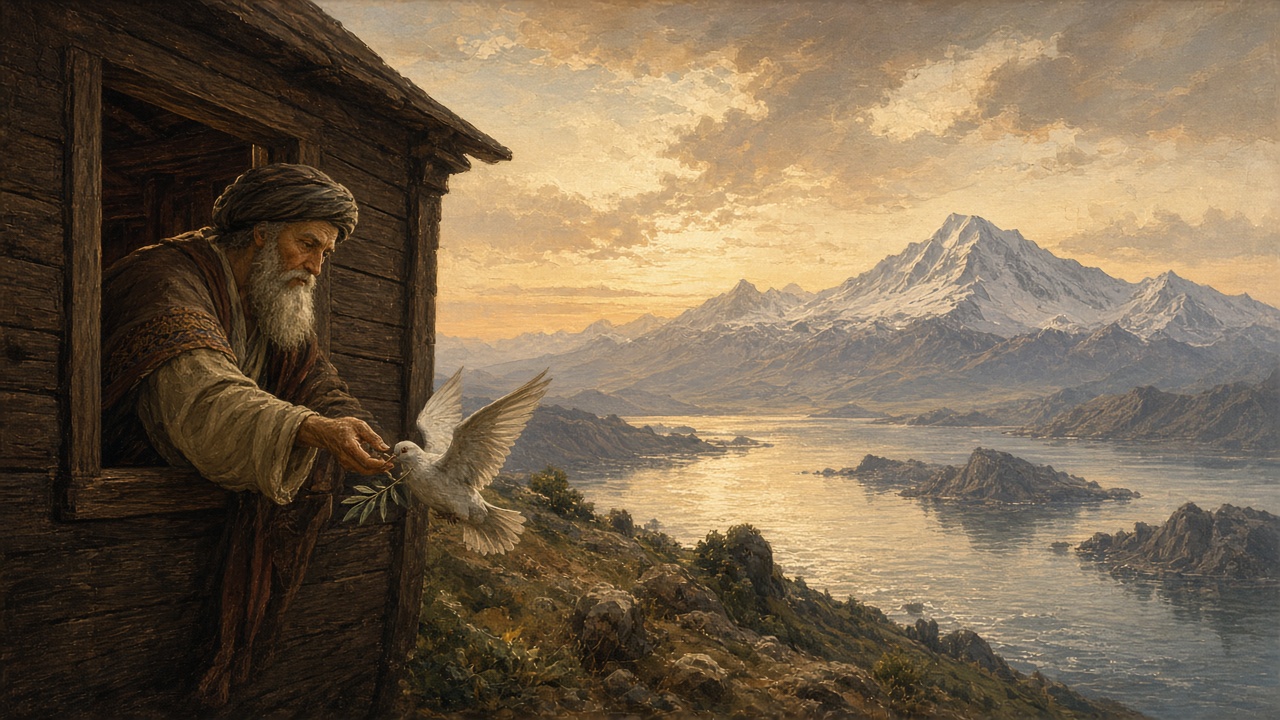
1Tixawän Anätutä Noa äwä hängäläpä ixät sipkätan yiwikinde natäke, kwämanu tewän puyäpän, yanggä teke pukukut. 2Tiwän kep gomu gänanggänangä tiwä, yanggä akopginu gwätnakin. Tixawän yekäpde yämäxayä wangga tikinu apu umumbä, hopä däkngakut. 3Yanggä wepdäwepdä teke pukuxawängän, täpduxu 150 apgut. 4Tiwän yekäwu 7 gwende täpduxu 17 gwenune siwu täku, täwalu Alalatkätanu däkätune yiwikut. 5Tixawän yanggä hipdu teke pukuxawän, yekäwu 10 gwende täpduxu 1 gwenune täwalde nomnä alanggämän tikin.
6Ge täpduxu 40 apänä, Noa sipde windua sike, 7käpämu gwendu tatewän kungu, yanggä doleke pukukutnä kake, enetängä wepmähikuxawän, yanggä gwenu teke pukukut.
8Tiwän Noa yiwän maliwän, yanggä ambä teke pukuk yake, kombunanangu gwendu tatewän, wepmäke kukut. 9Yanggätäkän yiwikutde, kombunanangu unggwenu ayiwitnangäsä wenä tiwän kake, hipdu wepmäke apän, tätekut.
10Tikengä täpduxu 7 yiwike, kombunanangu unggwenu hipdu tatewän kukut. 11Ku tihikuhika tukwatdeyä, pa “oliwu” däkätule tämu käluxu handu mayätä ihinggänggänuke, täkapän kakut. Unin kakengä, Noa “Yanggä gwenu aleke pukukngä tinggak,” yangu natäpgut.
12Tikengä hipdu täpduxu 7 yiwike, kombunanangu tätewän kukengu, doapgut.
13Noa krismasnä 601 tixawän, yekäwu 1 gwende täpduxu 1 gwenune yanggä gwenu teke pukukut. Tiwän sip gwen tahangumukulunin wäsike, unetä kewu koxolä bimä alikutnä kakut. 14Tixawänä yekäwu 2 gwende täpduxu 27 gwenune kep gomu koxolä hikngä tikut.
15Tiwän koxotawänä, Anätutä Noa inikut. 16“Gika, mängätda, wawakga, äwä wawakgale mängät yangu teke epuxuxut, sip gwenun. 17Hängä undä gäxät yiwixayingu, kewune sakngälake yiwitäke kuwä dopikge, päke epuxuyo,” yang inikut.
18Tiwän Noa, mängätnä, wawakngä, äwä wawakngäle mängät yangu siwu teke epuxukin. 19Tixawän kälap, kwäwit, gwakgwak, undä uläpäläpähimkäyä teke epuxukin.
20Tiwän Noatä alta tahake, gwaxu nomän äwä kwäwilu nomän yangu gwendu gwendu päke sipmäke, däkine Yawele hakut. 21Häwän, Yawetä ile käpängu gwälam tiwän natäke, bäniyäne using natäpgut. “Äpmanu ämindä yiwikmaliwä, kewu andäka tokngä wamu hipdu dohikngä yake tahawa maliwik. Engangunetä äminbamu wäyi täkngaläknga pahaninggekän natänggämätäkaying. Tiwändeyä mahande u pahawa malikin usingu, hängäläpä undä käluk yiwixayingu dowahawa malining. 22Ge unin. Kewu anggomu using yiwixawängän, puyä dändän, bulä nak pänangäsä dändän, o gusit dändän, hopä dändän, kwakäpä bä kupilä yanggäkän apukaning,” yang yakut, Yawetän.
Did you know?
The Waters Recede
- The ark came to rest on the mountains of Ararat, a name meaning “sacred land” or “high land” for a country on whose mountains the ark settled after the flood. Easton's Bible Dictionary (1897) suggests those mountains were probably the Kurdish range of southern Armenia, though the name is also commonly applied to a high, almost inaccessible peak rising from the plain of the Araxes. In 2 Kings 19:37 and Isaiah 37:38 the Authorized Version renders the name “Armenia” and the Revised Version “land of Ararat,” while Jeremiah 51:27 uses it for central or southern Armenia.Sources: Ararat · the Bible text itself
- Noah’s Hebrew name means “rest,” and in this chapter the ark itself comes to rest as the waters go down. He was the son of Lamech and the grandson of Methuselah, and the father of Shem, Ham, and Japheth. Easton's Bible Dictionary describes him as the connecting link between the old world and the new, and as a second great progenitor of the human family.Sources: Noah · the Bible text itself
- Chronological notes place the Great Flood in 2347 BC, lasting one year; the subsiding of the waters in 2346 BC, over 220 days; and the leaving of the ark in 2346 BC, as a single day. In the chapter itself, the waters have gone down after 150 days and the ark rests on the seventeenth day of the seventh month; on the first day of the first month of Noah’s six hundred and first year the waters have dried up, and by the twenty-seventh day of the second month the earth is fully dry.Sources: The Great Flood · The flood subsides · Leaving the Ark · the Bible text itself
Notes written with AI assistance from open sources (Theographic Bible Metadata, CC BY-SA 4.0; Easton’s Bible Dictionary, public domain) and reviewed before publishing.
Places in this chapter
- Ararat · Today: Urartu · 39.703, 44.300 · verse 4
Only places identified with high confidence are shown (90% or more according to the scholarly sources compiled by OpenBible). Period map: DARE (Digital Atlas of the Roman Empire), CC BY 4.0; modern map: © OpenStreetMap contributors; places: OpenBible.info (CC BY 4.0).
Credits and license for this translation
Awara Baibel
Genesis, Ruth, and Jonah in the Awara Language of Papua New Guinea
Buk Stat, Rut, na Jona long tokples Awara long Niugini
copyright © 2011 Wycliffe Bible Translators, Inc.
Language: Awara
Translation by: Wycliffe Bible Translators
This translation is made available to you under the terms of the
Creative Commons Attribution-Noncommercial-No Derivatives license 4.0.
You may share and redistribute this Bible translation or extracts from it in any format, provided that:
You include the above copyright and source information.
You do not sell this work for a profit.
You do not change any of the words or punctuation of the Scriptures.
Pictures included with Scriptures and other documents on this site are licensed just for use with those Scriptures and documents.
For other uses, please contact the respective copyright owners.
2025-04-26
Source: http://png.bible/awx/ · eBible.org