Genesis 17
Awara Baibel · Tap a verse to see its cross-references.
Wamu gupnä matäkindäne
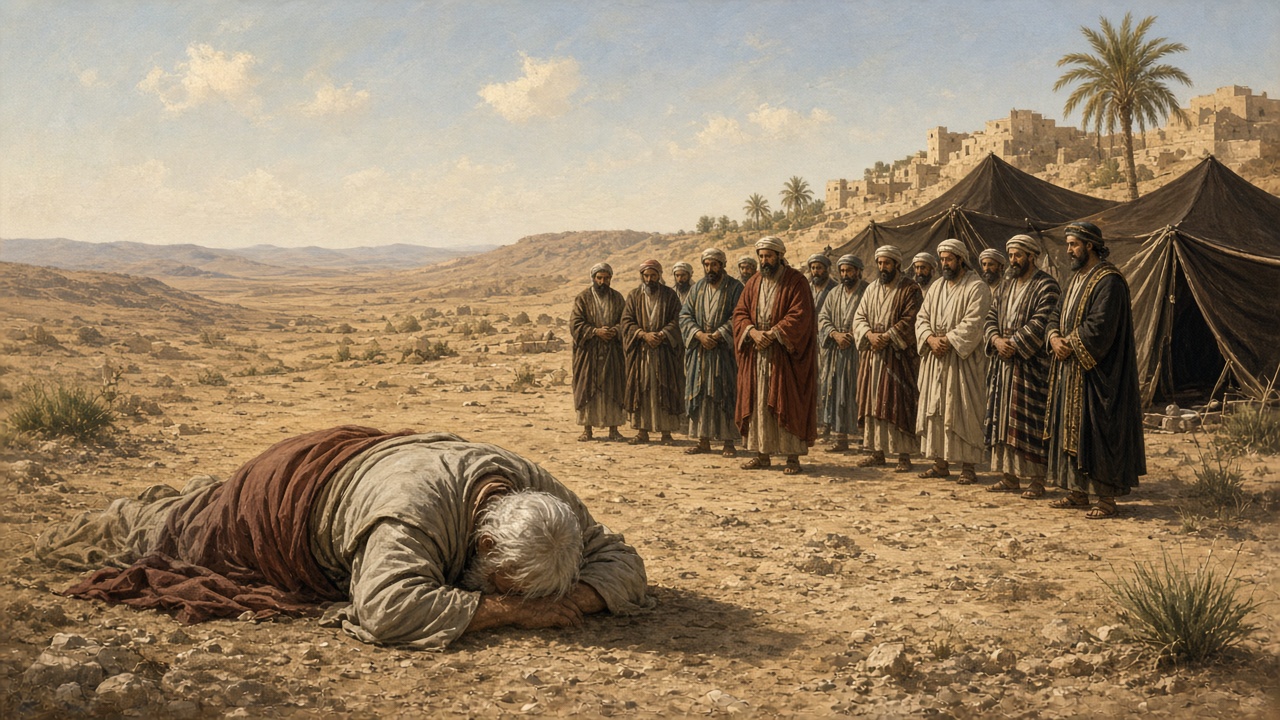
1Abramu krismasnä 99 yiwixawän, Yawetä apu inikut. “Nä Anätu Kitokngäna Käyä Täpä. Näxät gatäke yiwixäwik, nomängän pahayo. 2Kontraknga gäxät tahakumäxu aläpa kitokawän, tahawa bapuka meyä hikngä tiwik,” yang iniwän, 3Abramdä sopäsopä puke, kuhilä kewune täpu temgut.
Tiwän Anätutä using inikut. 4“Näle kontraxu using. Mahande kantri yiwitäke kuninggäne bapunä däkngawiläk. 5Ile tiwän umanda Abram yangu dongganikaning. Tike umanda Abraham yang ganikaning, inale nätä pahawa, bapuka meyä sakngälake, kantrinä inäinä päke yiwitning. 6Nätä tahawa, bapuka meyä dukngixäwik, kantri däkngake yiwitäke kuning. Tiwän bapuka täpätuyi kingge yiwitning. 7Kontraknga hipdu täpa kitokawän, iwikge using yiwik, bapuka mahande alätninggexät. Nä gäle Anätuka, tiwän bapuka mahande alätningge Anätunä. 8Gä Kenande kewune apuyiwitde päkapu yiwixaläk. Tiwändeyä kewu Kenandäne awomu undä gäxät bapuka mahande alätningkätde gihäle tupäkände damike, Anätunäle yiwit,” yang yakut.
9Tikengä unetäkänu using inikut. “Gäxät bapuka mahande alätningkälu näle kontrak tawake yiwitnong. 10Kontraknga uläknga using. Wäwi undä gität yiwixayingu, yämunäle gup matänong. 11Kontrakngitde tuwängge gupnä matäkaningu uläkngatä yiwik. 12Wäwi gität yiwitning, engangu wäwi alake täpduxu 8 yiwitning, äwä malä nanä puyä äminsäle moninggä uhining yangu, undä gupnä matänong. Usäkän bapuka mahande alätningkäyä usinggän tahanong. 13Yotsäne alätning bä moninggä uhining yangu undä gupnä amatänong. Uläkngatä tuwängge yiwän, kontraknga iwikge yiwixäwik. 14Tike wäwi täpätu iminda gupnä domatäwixu, näle kontraxu doläwämbik. Ge aläwämbä epuxuyok,” yang inikut.
15Täkngatu using inikut. “Mängätda Sarai yang inikakinu aleke, Sara yang ininong. 16Nätä bänip kwikwik ima, wawakga dukngiwik. Unetäkänu nätä bänip kwikwik ima, yotyotde hawanä däkngawik. Tiwän ayinä täpätuyi kingge yiwitning,” yang inikut.
17Iniwän Abrahamdä sopäsopä puke, kuhilä kewune täpu temäke, using natäpgut. “Wäwi krismasnä 100 tiwänu, engangu äpme towimbik? Saraxäyä krismasnä 90. Ge engangu äpme dukngiwik?” yang natäpän, kwakwakngä tiwän mikut. 18Tikengä Anätu using inikut. “Wamu yaläxu, Ismaelde täkembä imiläk?” yang inikut.
19Tiwänä Anätutä inikut. “Ile donatäke yat. Tike mängätda hikngä, Saratä wäwi täpätu äpme dukngiwik. Tiwän umanä Aisak yang iniyo. Tiwänä kontraknga ixät tahake, täpa kitokawän, iwikge using yiwik, bapunä mahande alätninggexät. 20Ismaelde yaläxu anatät. Ge ixäyä bänip kwikwixu äpme ima, engangu meyä towimbik. Wawakngä 12 towimbän, uläkwäxu kuhiläle yiwike, kantrinä täke yiwitning. 21Tiwändeyä kontraknga uläknga Aisakät tahahim. Äminu uläpä krismasu ende gwenuneyä Saratä kake täpik, täpduxu asawomune,” yang inikut. 22Wamu Abraham iniwän puluwänu, Anätu axukut.
23Täpduxu inä unggwenunekän Abrahamdä Ismael, wäwi inäxät yiwixakin, moninggä uhikut yangu wäwi undä gupnä Anätutä inikut using matäkut. 24Abrahamu krismasnä 99 tixawän, gupnä matäkin. 25Tike wawakngä Ismaelu krismasnä 13. 26Täpduxu inä unggwenunekän Abrahamkät Ismaelkätde guwu matäkin. 27Abraham, wäwi inäxät yiwixakin, moninggä malä nanä uhikut yangu wäwi undä gupnä matäkin.
Did you know?
Covenant, New Names, and Circumcision
- At ninety-nine, Abram received the name Abraham. Easton's Bible Dictionary (1897) explains Abraham as “Father of a multitude,” matching the promise that he would be the father of many nations. Sarai was renamed Sarah, “Princess,” when it was announced that she would be the mother of the promised child.Sources: the Bible text itself · Abraham · Sarah
- That same day Abraham and Ishmael were circumcised, at ninety-nine and thirteen, along with every male born in the household or bought from a foreigner. Ishmael, Abraham’s son by Hagar, had been born at Mamre when Abraham was eighty-six. The sign was required for every male at eight days old, and Isaac, promised to Sarah for the next year, was later circumcised at that age.Sources: the Bible text itself · Ishmael (Son of Hagar) · Isaac
- In this chapter the land of Canaan, where Abraham was living, is promised to him and his descendants as an eternal possession. The country took its name from Canaan, a son of Ham. Easton's Bible Dictionary (1897) says Phoenician use first limited the name to the coastal plain where Sidon stood, while in the time of Moses and Joshua it meant the whole land west of the Jordan and the Dead Sea; the name signifies “the lowlands,” unlike Gilead, the hill country east of the Jordan.Sources: the Bible text itself · Canaan · Canaan
Notes written with AI assistance from open sources (Theographic Bible Metadata, CC BY-SA 4.0; Easton’s Bible Dictionary, public domain) and reviewed before publishing.
Places in this chapter
- Canaan · 32.767, 35.333 · verse 8
Only places identified with high confidence are shown (90% or more according to the scholarly sources compiled by OpenBible). Period map: DARE (Digital Atlas of the Roman Empire), CC BY 4.0; modern map: © OpenStreetMap contributors; places: OpenBible.info (CC BY 4.0).
Credits and license for this translation
Awara Baibel
Genesis, Ruth, and Jonah in the Awara Language of Papua New Guinea
Buk Stat, Rut, na Jona long tokples Awara long Niugini
copyright © 2011 Wycliffe Bible Translators, Inc.
Language: Awara
Translation by: Wycliffe Bible Translators
This translation is made available to you under the terms of the
Creative Commons Attribution-Noncommercial-No Derivatives license 4.0.
You may share and redistribute this Bible translation or extracts from it in any format, provided that:
You include the above copyright and source information.
You do not sell this work for a profit.
You do not change any of the words or punctuation of the Scriptures.
Pictures included with Scriptures and other documents on this site are licensed just for use with those Scriptures and documents.
For other uses, please contact the respective copyright owners.
2025-04-26
Source: http://png.bible/awx/ · eBible.org