Genesis 18
Awara Baibel · Tap a verse to see its cross-references.
Äminu täpäyalä täpätu Abrahamde apgin
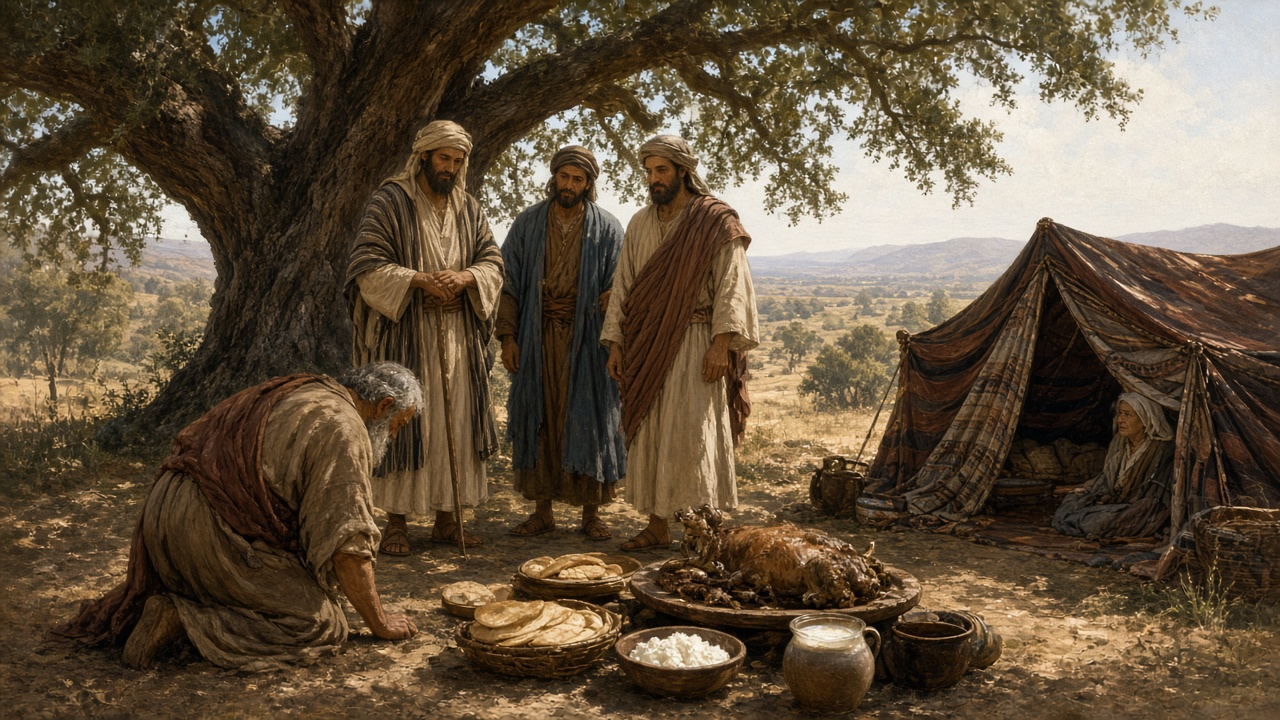
1Abrahamu selyotnä Mamrele pa takwän däkändäkäle kwayimune täku tapikut. Ngä täpduxu gwendune gusilu tokngä tiwän, selyotnäle yämäne yiwixawän, Yawe apgut. 2Abrahamu kuhilä kwayiwän enawän, äminu täpäyalä täpätu päkapu yiwikinä dayipgut. Unin dayikengu, selyotnä yämä däkänetä ihapmäke kuke, sopäsopä puke, kuhilä kep däkäne temgut.
3Temäke using yakut. “Bulämbam täpä, nä ilakngä nandukengu, puyä äminda manapmake kuyo. 4Puyä ämina iniwa, yanggä täkapu damän, bälängsä häluke, pa andäkale gepmäne yiwä täkanong. 5Näle apuyingge, naxu mätekngä hangdama, nakitokakengä, axunangge natäyingune kunong,” yawän, “Täke. Usingu täke tahawiläk,” yang yakin.
6Tiwän Abrahamu yupsäng ihapmäke, selyotkätan kopgut, Sarale. Ko Sara using inikut. “Flawa gwälamu bulämbamu tupäyalä päke, bret hayo,” yang inikut.
7Tikengä ihapmäke, towiyä gämände kukut. Ku towiyä gämän mätexu tänge ilakngäkänu gwendu täkapu, puyä äminä täpätule imän, itä yupsäng matäke hakut.
8Tiwänä towiyä gämändäne mäm yanggä kälukät, äwä mäm yanggä awäke pewä kitokakinkät, towiyä gämän mätexu u hakinkät päkapu yämikut. Yämike, pa gepmä yiwike, daying yiwixawän, nakin.
9Tikengä using inikin. “Mängätda Sara sandan?” yang yawä “Endesing. Selyotkätan,” yang yänikut.
10Tiwänä u yiwikinu täpätutä using yakut. “Täpduxu asämbimä gwenu krismasu endenggwenune apa, mängätda Sara engangu wäwi täpä kake täpik,” yang inikut.
Wamu u yakinu, Sara selyolune yiwixäwik natäpgut. 11Abrahamkät Saraxälu äminäläke hikngä tiwät, engangä dukngitnangäsä täpduxu ayapmikut. 12Ge Sara using natäpgut. “Apnaxät nilu äminäläke alimäk. Engang äpme dukngiwik yake yänggak?” yang natäke, mipäkohopikut.
13Tiwän Yawetä Abrahamu using inikut. “Sara inale mikgak? ‘Engangu kake tänangäsändo. Äminäläke alit,’ yangu inale yänggak? 14Hängä täkngatu Yawetä using tiwik yang natäpänu, doaläwik? Tiwän täpduxu angganit gwenune hiyäkände äpme apit. Tiwän engangu wäwi täpä kake täpik,” yawän, 15Sara anaxälake “Domit,” yawän, Yawetä “Hiyäkände. Amiläk,” yang inikut.
Abrahamkät Täkeläpäxätdä Sodomde yakumäläk
16Äminu uläkwäxu Sodomde kuningge enawä, Abrahamkät kukin. Kuke päku kahitbänä yiwike, yot gäpangkätan kakin. 17Yawetä using natäpgut. “Hängä tahawitde natälu, Abrahamu doxanghopike tahawit, 18inale Abrahamu bapunä sakngälake, kantri inätä täke yiwä, kitokngänä käyä tiwik. Tiwän Abrahamde tiwän, kantri kewune nanä undä bänip kwikwik päning. 19Abrahamu, engangä, bapunä yang yänindämumbän, nomängän tahaxäwik, Yawele kahit täwaningge tuwängukum. Ge hiyäkän wamu Abraham inikumu, inä using pahawit,” yang natäpgut.
20Tikengä Yawetä using inikut. “Sodom nanäxät Gomora nanäxät gutongä hikngä pahaxawä, kwänäm tixäwik, näle yayingu meyä hikngä. 21Ge nina pukuke dayikengä, hängä wäyi pahawä wamu natäpgumu hiyäkän bä kem yangu natäpit,” yang inikut.
22Tiwänä äminu Yawexät kukin täpäyalu Sodomde kuxawät, Yawexät Abrahamkälu ayiwikumäläk. 23Yawetä yiwikulune inälängän ku, Abrahamdä using inikut. “Ngä dasing? Äminomänkät gutongä äminkät undä sipnangge tinggaläk? 24Ngä äminomänu 50 tiwänu, ile butayä donatäxäwik, yolu undä gäpangu pahawi malining? 25Gätä gutongä ämin sipmäkengu, äminomänu dosipnangäsä, inale undä sipmäkengu, meyä usakän yämiläxunin. Kewu undä womde meyä uhinggikgaläxunin. Kekem usingu dolahanangäsä,” yang inikut.
26Tiwänu Yawetä using inikut. “Sodomkätanu äminomänu 50 dayikengu, butayä ile natäke, yolu undä gäpang tewa yiwik,” yang inikut.
27Tiwänä Abrahamdä hipdu using inikut. “Nä kep ämingän. Wamu yänangäsändo. Tiwändeyä hipdu yäwit. 28Äminomänu 5-u wenä tiwän, 45-kän tiwänu, dasing? Yolu undä gäpangu asipiläk?” yang iniwän, “45 dayikengu, dosipit,” yang inikut, Yawetän.
29Tiwänä hipdu using inikut. “Ngä 40-kän tiwänu, dasing?” yawän, “Äminu 40 uläkwäkge tiwänu, dosipit,” yang inikut.
30Iniwän hipdu “Täkeläpä, tokngä manandupso. Hipdu yänanggenggat. Ngä 30-kän tiwänu, dasingga?” yawän, “Dowahawit, 30-kän tiwikäyän,” yang inikut.
31Iniwän hipdu inikut. “O, Täkeläpä, wamu hipdu angganinggat. Ayäwa kakengu, mähe manatängamiyo. Ngä undanu 20-kän tiwänu, dasing?” yawän, “20-kän dayikexäyä, dosipit,” yang inikut.
32Iniwänä “O Täkeläpä, wamu wäsekngä hikngä ganiwit. Dasing? Äwä undanu 10-gän dayikengun?” yawän “10-gän dayikexäyä, dosipit,” yang inikut.
33Tiwänu wamu yakumäläxu, une using ku yiwikut. Tiwän Yawe teke kuxawän, Abrahamu yotnäle hipdu kukut.
Did you know?
Visitors at Mamre and a Plea for Sodom
- In Genesis 18, the LORD appeared to Abraham by the Oaks of Mamre in the heat of the day, while Abraham sat at the entrance of his tent. Mamre was an Amorite chief in alliance with Abraham. Abraham ran to meet three men, bowed to the ground, offered them water for their feet and rest under the tree, and then set before them bread, a tender and choice calf, curds, and milk.Sources: the Bible text itself · Mamre
- Sarah, Abraham’s wife, is given the sense “Princess” in Easton's Bible Dictionary (1897), which says the name was given when it was announced that she would be the mother of the promised child. In Genesis 18 the LORD said he would return in about a year and Sarah would have a son, though both were already old and she had passed the age of childbearing. She laughed to herself and, because she was afraid, denied that she had laughed.Sources: Sarah · the Bible text itself
- Sodom, a city in the vale of Siddim, and Gomorrah, one of the five cities of that plain, are named together in Genesis 18 because of the great outcry against their grievous sin. Easton's Bible Dictionary (1897) says the cities of that plain probably stood close together near the northern end of what is now the Dead Sea, and explains Sodom and Gomorrah as “Burning; the walled” and “Submersion.” Two of the men went toward Sodom, while Abraham stayed and asked the LORD to spare the city for the sake of the righteous, lowering the number from fifty to ten.Sources: Sodom · Gomorrah · the Bible text itself
Notes written with AI assistance from open sources (Theographic Bible Metadata, CC BY-SA 4.0; Easton’s Bible Dictionary, public domain) and reviewed before publishing.
Credits and license for this translation
Awara Baibel
Genesis, Ruth, and Jonah in the Awara Language of Papua New Guinea
Buk Stat, Rut, na Jona long tokples Awara long Niugini
copyright © 2011 Wycliffe Bible Translators, Inc.
Language: Awara
Translation by: Wycliffe Bible Translators
This translation is made available to you under the terms of the
Creative Commons Attribution-Noncommercial-No Derivatives license 4.0.
You may share and redistribute this Bible translation or extracts from it in any format, provided that:
You include the above copyright and source information.
You do not sell this work for a profit.
You do not change any of the words or punctuation of the Scriptures.
Pictures included with Scriptures and other documents on this site are licensed just for use with those Scriptures and documents.
For other uses, please contact the respective copyright owners.
2025-04-26
Source: http://png.bible/awx/ · eBible.org