Luke 11
Ebe-No-Pfuasẹ Ishobọ Onogbọ · Tap a verse to see its cross-references.
IJesu ọ sẹsẹ abi a liẹ sọ iromhi
1Ogbẹlẹghuo, iJesu ọ la asheghuo o sọ iromhi, Abi ọ rọ sọ se, ọmọ odukhokho ọyọli ọghuo, ọọ li, “Ọnọmhuẹ, sẹsẹ anye abi a liẹ sọ iromhi abi iJọni ọ li sẹsẹ eniyẹ odukhokho eyọli.”
2IJesu ọọ wẹ, “U kha sọ iromhi, ke liẹ:
“ ‘Ita anye ni ọ la iloghie,
anye ri ufumhi
na eva oyẹ no pfuasẹ,
Zẹ ni eghiele oyẹ o bhale.
Zẹ ni a riẹlẹ
ọghuẹmhẹ oyẹ ekẹ agbọ
abi o li shi obini iloghie.
3Ri eminale ona ogbe-namo
na anye le.
4Gbe olamhẹ kua na anye,
abi anye li ẹ gbe kua na
ẹgbọ ni e lamhẹ shi anye ọ.
Khi zẹ ni anye de pfilo imufẹ,
ama tsumhi anye
obọ oyi ọkphaghiẹ.’ ”
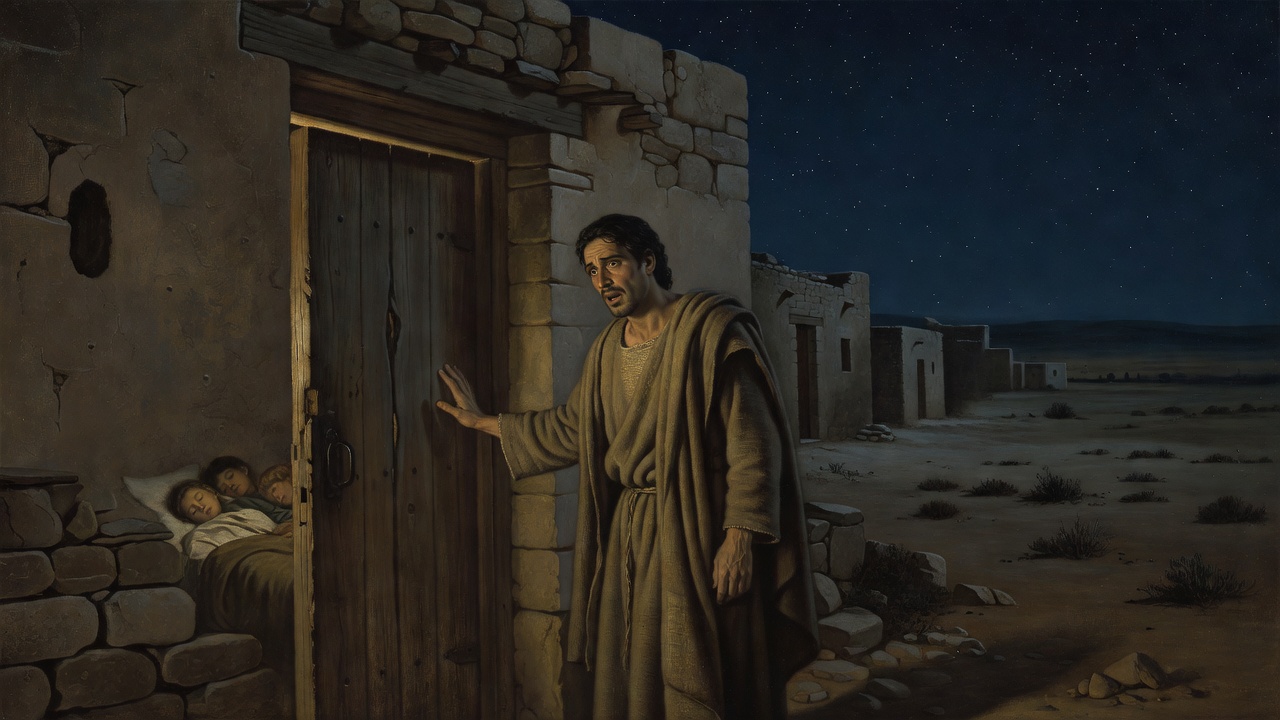
5IJesu ọọ wẹ, “Ini o khia khi ọngẹ ẹ ọ mhuẹ ọmọle ni ọ rọ lẹ deba ọmọle ọli itsotso ogbiẹ, ni ọ rẹ ọli, ‘Ọmuẹ kpẹkpẹ ngmomhi irui ibulẹdi esẹ na mhẹ, 6Irari khi ọmọle mhẹ ni ọ la asha ọ bhale ya kushi na mhẹ, ama mhia mhuẹ emini mhi ya rọ fẹli ọli epfẹse.’
7“Ini ọni ọmọle ọ, ọ rọte elemhi owa liẹ ọli, ‘Khi ke nasẹ mhẹ ghue irari khi mhi she pfi okpẹ odẹ, mhẹmhẹ ali imimhẹ anye she yẹshi, mhia ke ya dobẹ vule ya rue emhi okhọghuo nẹ.’ 8Mhi gueyẹ ẹ khi ini ọmọle ọli ọa tseku ri itobọ khi wẹwẹ e khi ọmọle vule ya rue emini ọọ mhila li na li, ama itobọ khi ọ mema kie le ẹ mhila li tsẹ, ọ mema ya vule ya rue emiemini ọ nono na li.
9“Mhi gue ẹ yẹ ẹ: Mhila khi a ya rọ nẹ, nono khi u ya mẹ, kpheli obọ odẹ khi a ya khueghie-a nẹ. 10Irari khi ọni ọ mhila lọli a rọ ọ na, ọni ọ nono lọli ọọ mẹ, ọni ọ kpheli obọ odẹ lọli a khueghie-a a na.
11“Ẹẹ ni a khi ita, ọghuo elemhi ẹ omiọli ọ ya mhila li afẹlẹ ni ọ ya rue ẹnyẹ na li, ocho ni ọ kha rọ ri afẹlẹ na li? 12O ke khia khi ini ọ mhila li ẹkẹli, ni u ya rue okpi na li? 13Ini ẹẹ ni a khi ẹgbọ ebe a lẹsẹ abi a liẹ ri egbegbi emhi somhi imiẹ opfa, sẹ Ita ẹ ni ọ la iloghie ọa ke li ya ri Ayẹmhẹ-nọ-pfuasẹ na eni e mhila li?”
IJesu ali Ọkphaghiẹ
14Ẹlẹ oghuo khi iJesu ọ khu ayẹmhẹ ọkphaghiẹ ungmenu fiẹ, ọ khu ọni ayẹmhẹ fiẹ lase, ọni ungmenu ọọ ngme. Oni ingme o ri abọ sha ẹgbọ ni e la aghọ. 15Ama ẹgbọ eghuo ẹ, “Ekpabọ ebe oyi iBezebọ ni ọ khi oghie ọyi iyẹmhẹ ebe, ọ rọ a khu iyẹmhẹ ebe fiẹ lase.”
16Eghuo ọ, e mu ọli fẹ bino, ẹ ọli ọ riẹlẹ ọnyaloa ni o ri wẹwẹ ya mie shi ọli ọ khi Ẹshinẹgba ọ mie shi ọli ọ.
17Ama iJesu ọ she lẹsẹ usamhi oyẹwẹ, ọ, “Eghiele ni o da kemhi egbọli o ya de, ọmhuẹ-apfẹ ni o da kemhi egbọli o ya de. 18Ini Ọkphaghiẹ ọ kemhi egbọli, sẹ eghiele oyọli o li ya migha? Eri mhi a ngme ona itobọ khi ẹ khi ekpabọ oyi iBezebọ mhi rọ ọ khu iyẹmhẹ ọkphaghiẹ kua. 19Mena ini mhi ri ekpabọ eyi iBezebọ ọ khu iyẹmhẹ ọkphaghiẹ kua, ekpabọ onoghuo eniyẹ eyi ẹẹ e rọ a khu wẹ kua? Eniyẹ eyi ẹẹ e ya gue ẹ ẹzọ itobọ ungmemhi ni a ngme ena. 20Ama ini o khia khi ekpabọ oyi Ẹshinẹgba mhi rọ ẹ khu iyẹmhẹ ọkphaghiẹ kua, oghọ o rọkhasẹ khi Eghiele oyi Ẹshinẹgba o she bhale ẹ iteva.
21“Ọmọse ni ọ mhuẹ ekpabọ ọ kha ri itsua okhọli gbanọ egbe egbegbọ ni ọ rọọ khẹ owa oyọli ekhẹ, itsua eyọli e ya mhuẹ akhukhu. 22Ama ọmọse ni ọ toto dọsẹ ọli ọ kha tsua okhọli mu ọli ni ọ rọ nẹ ọli abọ, eri ọọ miono ọli itsua okhuẹ nya ni ọ regbenga. Ọ tsua ọli ẹpfue ni ọ mhuẹ shi oni owa vu ya kemhi.
23“Ọni ọa da ku ma mhẹ ọ ne, ọbe mhẹ ọ khi. Ọgbọ ni ọa da mu ma mhẹ ọ ti ẹgbọ gbili ne, eri ọọ vẹsẹ ẹgbọ kua.
Abi ayẹmhẹ o liẹ kia
24“Ini ayẹmhẹ ọkphaghiẹ ọ rọte ọgbọ egbe ya fiẹ, eri ọ kpẹ a kia je ifu ọdagbe ifufu ni amẹ ẹa la ya nono ashini ọ kpẹ je ya yẹmhẹ-a, ama ini ọa mẹ asha, ọ egbeluẹ, ‘Mhi gbo lo a je owa ni mhi kpẹ te vu.’ 25Ini ọ bhale ọ ni ọ rọ bhale ya ẹ khi, a ga fuomhi oni owa muẹnẹ, emhikpa o ga guẹ la ayọli kuete. 26Ighọ, ọ vu ya wolọ iyẹmhẹ oshilua elese ni e khọlọ dọsẹ lọli, e bhale ya la ọni ọmọse egbe, ikpukhokho oyi ọni ọmọse o ke khọlọ dọsẹ abi ọ kpẹ li.”
27Abi iJesu ọ li ngme oni ungmemhi ona, ọkpotso ọghuo ọ rọte oni elemhi ebubu ẹgbọ tsẹsẹ leghe ọọ, “Ọni a khi vọsẹ na ọkpotso ni ọ bia ẹ, ni ọ kuẹlẹ, ọ khi.”
28IJesu ọọ li, “Ẹgbọ ni e suọ ungmemhi oyi Ẹshinẹgba ni e rọ ọli gbe akanya, wẹwẹ e mema mhuẹ ikhivọsẹ nẹ.”
Ọlẹlẹ oyi iJona
29Abi eni ẹgbọ e ke li bua shi ọ, iJesu ọọ, “Ẹgbọ ebe, ẹgbọ agbhotu onana e khi. Ẹ mhila ọlẹlẹ ọnyaloa, ama aa ya mẹ ọnyaloa okhọghuo, sẹ ni ọlẹlẹ oyi iJona ọmekẹguele. 30Abi iJona ọ khi ọlẹlẹ na ẹgbọ iNinevẹ, ighọ Omi ọgbọ ọ gbo li ya khi ọlẹlẹ na ẹgbọ ena agbhotu ona. 31Oghie-ọkpotso ọyi ekẹ iShẹba ọ ya shitọ ukpẹkhomhi ẹzọ ya gue agbhotu ona ẹzọ, ọ pfa ẹzọ mu wẹ, irari khi ọ ke rọte ekẹ odonuẹ bhale ya ri esọ suọ ungmemhi ẹgbhali oyi oghie iSolomoni, ama ọgbọ ni ọ fu dọsẹ iSolomoni ọ la akana. 32Ẹgbọ iNinevẹ e ya mu ẹzọ vule shi agbhotu ona ọ, e pfa ẹzọ mu wẹ irari khi e mu pfi abi iJona ọ rọ ya ri ungmemhi oyi Ẹshinẹgba tse abọ yẹ wẹ, memena ọgbọ ni ọ fu dọsẹ iJona ọ la akana.
Egbegbi ákpá
33“Aa mẹ ọgbọ ni ọ ya ri ákpá ru ni ọ ya ri ọli sheli, eri ọ ri ochoghọ ya rue ọli nga ashini o yagha, ni a bhale ya ẹ khi ẹgbọ ni ẹẹ lole ẹ mẹ ekẹ. 34Ikpamhalo eyẹ e khi ákpá oyi idiegbe oyẹ. Ini ikpamhalo eyẹ ẹẹ mẹ ekẹ egbegbọ, idiegbe oyẹ nya o khili ákpá. Ama ini u tasẹ alo-a, idiegbe oyẹ nya o khili alo ebili. 35Itobọ ona khi zẹ ni ákpá oyẹ o khi alo ebili. 36Ini idiegbe oyẹ e khili ákpá ni obili ọa rọ la ashikhọghuo ọ, eri o ya ke gẹ nyanyanya abinẹ khi ákpá o nga ọgbọ egbe.”
Epfua esesa
37Abi iJesu ọ rọ ngme se, iFarisi ọghuo ọ lu ọli ọ bhale ya nu luẹ le eminale. Ọ lo deba li ya shitọ shi oni eminale. 38Ama abọ e sha ọni iFarisi abi ọ rọ mẹ khi iJesu ọa kpe abọ a neni ọ le emhi. 39Ighọ Ọnọmhuẹ ọọ li, “Wa mẹ mena khi ẹẹ ẹgbọ iFarisi khi eri a kpe ukhokho uko ali itasa eyẹ-a, ama elemhi oyẹẹ o vọ emhi ituegbe ali ọkhọlọ. 40Ẹẹ ẹgbọ eyẹghẹ! Ọa khi Ẹshinẹgba ni ọ riẹlẹ ukhokho ọ ọ gbolo ẹ riẹlẹ elemhi ọ? 41Ama a rue emini e la elemhi uko ali utasa na ẹgbọ ni ẹa mhuẹ, ẹghẹghẹ aghọ emhikpa e ya pfuasẹ na ẹ.
42“O ma a khọlọ ẹẹ ẹgbọ iFarisi egbe gba, itobọ khi a guẹ zẹ azẹ-oghuo-igbe ebe akhọkhọ, ali ebe alagho ali ebe elese ni a rọte ogba ẹ khiẹsẹ, emini ẹa lolo mu ẹloe. Ama iguẹ-sọ-ẹzọ ali inono onayi Ẹshinẹgba, a ri obọ gbe wẹ shi. Ena e khi emini a kha mema ke riẹlẹ, ma eni a riẹlẹ eghọ.
43“O ma a khọlọ ẹẹ ẹgbọ iFarisi egbe gba, irari khi ukpẹkhomhi ni o yagha a nono elemhi owa ugamhi ali otsẹ ekpẹ elemhi oki.
44“O ma a khọlọ ẹ egbe irari khi eri a li abi uji oyi ẹgbọ ni ọgbọ ọa shi ọlẹlẹ shi ni ẹgbọ e lighi ẹ dọsẹ, ni ẹa lẹsẹ.”
45Ọsẹsẹ ushi ọghuo ọ sọli ọ, ọọ, “Ọsẹsẹ, ini u wa ngme enana, eri u li ri anye ma ọ mẹ bie.”
46IJesu ọ sọli ọ, ọọ, “O ma a khọlọ ẹẹ ni a sẹsẹ Ishi eyi iMosisi egbe, irari khi eri a sọ itsua ni ẹgbọ ẹa dobẹ ya tsua na wẹ tsua, ama ẹẹ aa lama ya tsua ugegemhọ.
47“O ma a khọlọ ẹ egbe irari khi ẹẹ a manọ iji na emekẹguele ni itita ẹ e gbolo-a. 48Eri a pfi ọtsẹlẹ shi ọ, a gbo mu ma emini ititaẹ e riẹlẹ irari khi wẹwẹ e gbolo emekẹguele eyi Ẹshinẹgba a, ẹẹ a manọ iji na wẹ. 49Itobọ ona, rọte ilẹsingme oyi Ẹshinẹgba, ọ rọ liẹ, ‘Mhi ya ghie emekẹguele ali ighiusomhi na kẹẹ ghi wẹ, e ya gbolo eghuo ọ-a, e mu okhọli vule shi elese ọ.’ 50Itobọ ighọ Ẹshinẹgba ọ ya mu ota sọ ẹgbọ ena agbhotu ona, shi ọlia eyi emekẹguele nya, rọte ẹghẹghẹ ni agbọ ona o te gba ekẹ le. 51Rọte ọlia eyi Ebẹli ya ramhi ọlia eyi iZakaraya ni a gbe-a shi iteva Owa oyi Ẹshinẹgba ali atẹtẹ. Ighọ lọ! Mhi gueyẹ ẹ khi a ya na ẹ osue to ọ.
52“O ma khọlọ ẹẹ ni a lẹsẹ Ishi eyi iMosisi pfo egbe, irari khi a she rue okpẹ ni a rọ ẹ khueghie odẹ ilẹsingme sheli. Ẹẹ na, aa lama lo, ẹgbọ ni ẹ nono ni wẹwẹ e lo, aa zẹ ni e mẹ asha dọsẹ lo.”
53Abi iJesu ọ rọ rọte aghọ vu, ẹgbọ iFarisi ali esẹsẹ Ishi eyi iMosisi e mu okhọli vule shi ọli ọ egbegbọ. E ri omhila ọdọda a khi ọli odẹ. 54Ini e ba mẹ asha mu ungmemhi mhọli ọli obọ.
Did you know?
Prayer, Signs, and Woes
- Jesus speaks of the blood of all the prophets, from the blood of Abel to the blood of Zechariah, who was killed between the altar and the sanctuary. Abel was the second son of Adam and Eve and was killed by his brother Cain. Easton's Bible Dictionary (1897) identifies this Zechariah as the son or grandson of the high priest Jehoiada, stoned at the king's command in the court of the house of the Lord after he condemned the king and the people, and notes that Jesus alludes to that murder in this chapter.Sources: the Bible text itself · Abel · Zacharias
- Jesus says this generation will be given no sign except the sign of Jonah: as Jonah was a sign to the Ninevites, so the Son of Man will be a sign to this generation, and the men of Nineveh, who repented at his preaching, will condemn it at the judgment, because someone greater than Jonah is here. Easton's Bible Dictionary (1897) describes Jonah, son of Amittai of Gath-hepher, as a prophet of Israel and a missionary to Nineveh, and calls him a type of the Son of Man. It describes Nineveh as a great and populous city, the flourishing capital of the Assyrian empire.Sources: the Bible text itself · Jonah · Nineveh
- After Jesus drives out a demon that was mute, some say he does it by Beelzebul, the prince of the demons. Easton's Bible Dictionary (1897) explains the name Satan as adversary or accuser, says the New Testament uses it interchangeably with the devil, and lists Beelzebub among his titles. Jesus answers that every kingdom divided against itself will be laid waste, and asks how Satan's kingdom can stand if Satan is divided against himself.Sources: the Bible text itself · Satan
Notes written with AI assistance from open sources (Theographic Bible Metadata, CC BY-SA 4.0; Easton’s Bible Dictionary, public domain) and reviewed before publishing.
Places in this chapter
Only places identified with high confidence are shown (90% or more according to the scholarly sources compiled by OpenBible). Period map: DARE (Digital Atlas of the Roman Empire), CC BY 4.0; modern map: © OpenStreetMap contributors; places: OpenBible.info (CC BY 4.0).
Credits and license for this translation
Ebe-No-Pfuasẹ Ishobọ Onogbọ
New Testament in Ivbie North-Okpela-Arhe (NI:atg:Ivbie North-Okpela-Arhe)
copyright © 2012 Wycliffe Bible Translators, Inc.
Language: Ivbie North-Okpela-Arhe
Translation by: Wycliffe Bible Translators, Inc.
Copyright Information
© 2012, Wycliffe Bible Translators, Inc. All rights reserved.
This translation text is made available to you under the
terms of the Creative Commons License: Attribution-Noncommercial-No Derivative Works.
( http://creativecommons.org/licenses/by-nc-nd/3.0/ )
In addition, you have permission to port the text to different file formats, as long as you
do not change any of the text or punctuation of the Bible.
You may share, copy, distribute, transmit, and extract portions
or quotations from this work, provided that you include the above copyright
information:
You must give Attribution to the work.
You do not sell this work for a profit.
You do not make any derivative works that change any of the actual words or punctuation of the Scriptures.
Permissions beyond the scope of this license may be
available if you contact
us with your request.
Printed book ISBN 9789789194797
The New Testament
in Ivbie North-Okpela-Arhe
© 2012, Wycliffe Bible Translators, Inc. All rights reserved.
This translation is made available to you under the terms of the
Creative Commons Attribution-Noncommercial-No Derivatives license 4.0.
You may share and redistribute this Bible translation or extracts from it in any format, provided that:
You include the above copyright and source information.
You do not sell this work for a profit.
You do not change any of the words or punctuation of the Scriptures.
Pictures included with Scriptures and other documents on this site are licensed just for use with those Scriptures and documents.
For other uses, please contact the respective copyright owners.
2019-08-09
Source: http://ebible.org/atgNT/ · eBible.org