Luke 12
Ebe-No-Pfuasẹ Ishobọ Onogbọ · Tap a verse to see its cross-references.
IJesu ọ tse agua shi iri-ugamhi-kualo
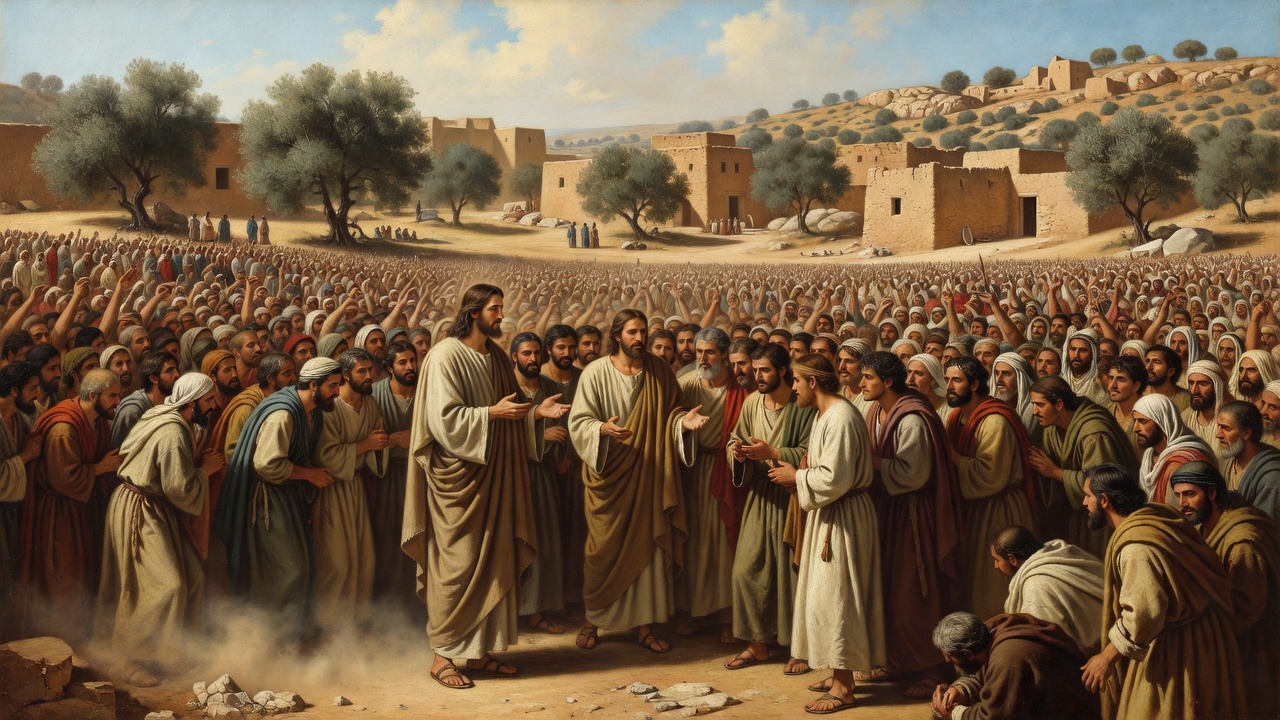
1Ẹghẹghẹ ana ebubu ẹgbọ agbẹlẹ agbẹlẹ e legba, ni o ramhi ni e rọ lighi egbewẹ, iJesu ọ nu eniyẹ odukhokho eyọli ngme, ọọ wẹ. “A mu egbe ẹ shi iri-ugamhi ku alo oyi ẹgbọ iFarisi ni o li abi ifuma ni a rọ ma ibulẹdi ẹ nye.” 2Irari khi aa mẹ emini a rọ sheli ni ọa ya lasele, wẹkhi eri a mẹ emini a khukhu ni ọa ya khueghie-a. 3Ungmemhi ni u ngme ẹliyọsẹ a ya suọ ọli ẹlẹ ọguota. Emini u nyẹsẹ ọgbọ esọ gueyẹ elemhi owa aza, a ya suọ ọli eko ukhomhi owa.
Ọni a ya na ulishi
4Emọle mhẹ, abi o la mhi li gue ọli ẹ yẹ ẹ, a khi na ulishi ẹgbọ ni o khia khi idiegbe e lẹsẹ dobẹ ya gbe-a, ini e gbe idiegbe-a, ẹa ke mhuẹ emhi olese ni e ke dobẹ ya li. 5Ama mhi ya gueyẹ ẹ ọni a ya na ulishi. A na ulishi Ẹshinẹgba ni ọ mhuẹ itoto ni ọ kha gbe ọgbọa se, ọ gbo pfi ọli lo ilimhi iriẹriẹ. Abi o li mhi li gue ọli ẹ yẹ ẹ, a na ulishi oyọli. 6Ọa khi ikọbọ eva a ri ipfeli isuẹsuẹ oshe ẹ dẹ? Ama abi o riẹ khi ighọ, Ẹshinẹgba ọa yele ọngẹwẹ ọkhọghuo a. Ipfeli isuẹsuẹ|src="hk00081c.tif" size="col" loc="LUK 12.6" copy="TIF" ref="12.6" 7Egbegbọ lọ khi, Ẹshinẹgba ọ she leli itsu ni e la ẹ ukhomhi nya. Itobọ ighọ a khi zẹ ni ulishi o mu ẹ, irari khi a mu ẹloe dọsẹ ipfeli isuẹsuẹ ebubu.
Eni e migha na iJesu ali eni e kie ọli
8Abi o li mhi li gue ọli ẹ yẹ ẹ khi, ọni ọ da lama gue ingme oyẹmhẹ yẹ ẹgbọ ne, Omi ọgbọ ọ li ya gue ingme oyọli yẹ igẹni eyi Ẹshinẹgba. 9Ama ọni ọ da kie mhẹ ukpẹloe ẹgbọ, mhi ya li kie ọli ukpẹloe igẹni eyi Ẹshinẹgba. 10Ọgbọ ni ọ da zẹ ẹmuẹbe na Omi ọgbọ ne, a ya gbekua na li. Ama ọgbọ ni ọ da pfi unu-a deba Ayẹmhẹ-nọ-pfuasẹ, ọgbọ a ya gbekua na li.
11Ini a rue ẹ bhale owa ugamhi oyi ẹgbọ iJu ali ẹgbọ eni ẹẹ mhẹsẹ ali enighie, a khi zẹ ni a yele abi a ya ngme, ali abi a li ya pfa egbe ẹ shi ekẹ. 12Irari khi Ayẹmhẹ-nọ-pfuasẹ ọ ya sẹsẹ ẹ abi a ya ngme oni ẹghẹghẹ.
Okhẹ irọkhọkhọ oyi ọyẹghẹ
13Ọgbọ ọghuo elemhi eni ebubu ẹgbọ ọ lu iJesu, ọọ li, “Ọsẹsẹ kpẹkpẹ gueyẹ inyọghuo-mhẹ ni ọ kemhi ugu na mhẹ.” 14IJesu ọ sọ ọli ọ, ọọ, “Ọghuo ọ zẹmhẹ shi ọni ọ rẹ ẹ a gue ẹzọ ali ọni ọọ kemhi ugu na ẹgbọ?” 15Ighọ ọ gueyẹ wẹ nya, “A mu egbe ẹ shi emhi ituegbe, irari khi agbọ oyi ọgbọ ọa migha nga ukhomhi ẹpfue ni ọ mhuẹ.”
16Ọ zẹ okhẹ irọkhọkhọ ona khasẹ wẹ, ọọ wẹ, “Ekẹ oyi ọmọse ni ọ pfue ọghuo, o lolo ti emhi na li. 17Ọni ọmọse ọ shitọ sa, Ọọ, ‘Sẹ mhi li ya kia eghọ? Mhi a mẹ asha ke ri emhi ya shi aka oyẹmhẹ.’
18“Ighọ ọọ, ‘Emini mhi ya riẹlẹ na. Mhi ya guọghọ aka oyẹmhẹ-a, mhi ya tọ aka onofunẹ olese ni mhi rọ sọ iakpa ali itsua elese shi. 19Ẹghẹghẹ aghọ mhiẹ egbemhẹ, Ọmuẹ u zẹ ukhomhi onete gba e! Irari khi u mhuẹ ẹpfue ni e bububu, ni e ya tsua-ẹ ramhi ikpe ebubu. Ka yẹmhẹ-a, ke le, ke da. Wa li agbọ abi o ghọle ẹ.’ ”
20“Ama Ẹshinẹgba ọọ li, ‘Yẹyẹ ọyẹghẹ! U ya ghu-a amiọsẹ; mena ọghuo ọ ke ya mhọli eni ugu ni u she ti ma na egbe ẹ?’
21“Ighọ o ya li ọgbọkpa egbe ni ọ da ti ẹpfue ma na egbọli, ni ọa mhuẹ ẹpfue oyi emini o mu Ẹshinẹgba ẹloe.”
A khi ke sa usamhi agbọ
22Ighọ iJesu ọ gueyẹ eniyẹ odukhokho eyọli, ọọ wẹ, “Irarighọ, a khi zẹ ni usamhi emini a ya le ali usamhi emini a ya da, o nasẹ ẹ, wẹkhi usamhi idiegbe oyẹ emini u wa sọ. 23Agbọ oyẹ o mu egbe dọsẹ eminale, idiegbe oyẹ o gbo mu egbe dọsẹ ode ni a sọ ẹ shi ọ. 24A bino ipfeli na ukhomhi idane, ẹa rọ kọ wẹkhi eri ẹẹ khiẹsẹ, ẹa mhuẹ ashini e tsua eminale a shi wẹkhi eri e mhuẹ aka, ama eri Ẹshinẹgba ọ rọ na wẹ a le. A mu ẹloe dọsẹ wẹ! 25Ọngẹẹ ọnọghuo ọ ya dobẹ ri irari inyama-egbe oyọli khi ogbẹlẹ oghuo ma agbọ oyọli? 26Aborọkhia khi u wa ya dobẹ riẹlẹ ukuku emhi onana, elọ o zẹ ni u rọ a nasẹ egbe ẹ shi emini e kpọle?
27“Sa ọ bino abi ebuli idodo e li ẹ fu. Ẹa ya gbe akanya wẹkhi eri ẹẹ do ide. Ama mhi gue a yẹ ẹ khi egbegbi iSolomoni ni ọ tseku lighọ mhuẹ itsua ni e somhi otse, ọa khuẹ akhuẹ nabi ebuli okhọghuo o khuẹ. 28Ẹẹ ni a mhuẹ ukuku irudunga, ini o khia khi ighọ Ẹshinẹgba ọ ri ide ku ebuli egbe, ni e kha laọ amo, akọ a tosẹ wẹ-a, sẹ u ke liẹ sa khi ọa ya li ri egbegbi itsua sọ ẹ?
29“Irarighọ, a khi ke sa emini a ya le ali emini a ya sọ; a khi zẹ ni o nasẹ ẹ udu. 30Irari khi ẹgbọ ena agbọ ona nya, wẹwẹ e na khu emhi enana, ama Ita ẹ ni ọ la iloghie ọ lẹsẹ khi e to ẹ. 31Ochoghọ emiemini u wa riẹlẹ nya, zẹ ni Eghiele oyi Ẹshinẹgba o khi onododẹ, emhi elese ni u wa nono nya, ọ ya rẹwẹ ma ọ nẹ.
Ẹpfue na obini iloghie
32“A khi zẹ ni ulishi o mu ẹ, ẹẹ ikuku isumha, irari khi ọghuẹmhẹ oyi Ita ẹ o khi ni ọ rọ ri oni eghiele na ẹ. 33A ri emhikpa ni a mhuẹ dẹ, a kemhi eni ikpaghọ na eni ẹa mhuẹ. A zẹ ni a mhuẹ ẹkuẹ ukpaghọ ni ọa ya khakha, ali ni a gbo mhuẹ ẹpfue shi iloghie ni ọa ya pfo wẹkhi oghiatọ ọ mẹ asha a ti bhale ọ, wẹkhi ifu e mẹ asha a tọwẹ, 34Irari khi ashini ẹpfue oyẹ o la, aghọ udu oyẹ ọọ la.
A mu egbe shi ekẹ khẹ ibhale oyi Ọnọmhuẹ
35“A mu egbe shi ugamhi, a zẹ ni ikpa eyẹ ẹ e ke gẹ. 36Abi eni ẹ ga ọgbọ e migha khẹ ijele oyi ọni ọ mhuẹ wẹ ni ọ ye ukue ni a rọ a rue ọkpotso, ini ọọ bhale ni ọ rọ kpheli obọ odẹ, e nyanya khueghie odẹ a na li aghọaghọ. 37O ma ti eni ẹ ga ọgbọ eghọ egbe ini ọni ọ mhuẹ wẹ ọ bhale ya ẹ khi e mu egbe migha khẹ luẹ. Abi o la mhi gue a yẹ ẹ khi, ọ ya mu egbe akanya, ọ lu wẹ, ọ nu wẹ shitọ, ọ ri eminale na wẹ le. 38Oghẹlẹ o ya khi na eni eni ẹẹ ga eghọ ini ọni ọ mhuẹ wẹ ọ bhale ya ẹ khi e mu egbe shi ekẹ ini o tseku khi itsotso ogbiẹ, o ke khi ini ogbe o ya gbe ọ rọ bhale. 39A lẹsẹ ona khi ini ọni ọ mhuẹ apfẹ ọ lẹsẹ ẹghẹghẹ ni oghiatọ ọ rọ ọ bhale ọli owa ya do lọ, ọa kha zẹ ni ọ lo ọli owa ya do. 40Ẹẹ oyẹẹ a ke mu egbe, irari khi Omi ọgbọ ọ dobẹ ya bhale ẹghẹghẹ ni aa sa shi.”
Ọni ọ guẹ ẹẹ ga ali ọni ọa guẹ ẹẹ ga
41IPita ọ mhila li, ọọ, “Ọnọmhuẹ anye u kpe ekpita ona yẹ abi ọgbọkpa?”
42Ọnọmhuẹ ọọ li, “Ọghuo ọ fẹ khi ọni ọrẹloekhu, ni ọ mhọli ilẹsingme, ni ọọ gbe akanya te odẹ igẹsikia, ni ọga ọyọli ọ ri apfẹ nga obọ, ni ọ gueyẹ ọli ọ ri eminale na eni ẹ ga li ke le shi ẹghẹghẹ? 43Ikhivọsẹ o khi na ọni ọ ga ọgbọ ọghọ, ini ọga ọyọli ọ bhale ya ẹ ọli shi iguẹ-riẹlẹ. 44Mhi gue a yẹ ẹ khi eri ọ ya ri emini ọ mhuẹ nya nga ọli obọ. 45Ama ini ọni ọọ ga ọgbọ ọghọ ọ la udu oyọli liẹ, ‘Ọga ọyẹmhẹ ọ she tẹsẹ ẹ dọsẹ,’ ni ọ rọ gbe eni ẹẹ ga eni ikpotso ali eni emọse ni a rọ shi ọli obọ, ọọ le, ọọ da, onyọ ọọ gbe ọli. 46Eri ọni ọga ọyọli ọ ya bhale ẹlẹ ni ọa sa shi ni ọa ri ẹloe shi ekẹ ẹ khẹ ọli, ikhi ẹghẹghẹ ni ọa sa shi. Ọni ọga ọyọli ọ gbe ọli, ọ kuale ọli utse, ọ ghie ọli abọ pfilo deba ẹgbọ umha-suesọ.
47“Ama ọni ọọ ga ọgbọ ọghọ, ni ọ lẹsẹ ọghuẹmhẹ oyi ọga ọyọli, ni ọa mu egbe ni ọ rọ riẹlẹ ọghuẹmhẹ oyọli, a ya gbe ọli itali, a nali osoli egbegbọ. 48Ama ọni ọ ga ọgbọ ni ọa lẹsẹ ọghuẹmhẹ oyi ọga ọyọli ni ọọ riẹlẹ emini o ye ni a gbe ọli shi, a ya gbe ọli ukukuọ. Irari khi ọni a ri emini e bu na, emini e bu a ya mhila li. Ọni a ri emini e lolo bu nga obọ, emini e lolo bu a ya mhila li.
IJesu ọa ri opfọmhẹ bhale ama okemhi
49“Erali mhi bhale ya pfi shi ekẹ agbọ ona. Abi a khẹ khi e she a lala. 50Mhi mhuẹ ibatizi ni mhi ya mie shi egbe. Egbe ẹa ke sheshe mhẹ ne ini mhia li mie ọli se. 51Eri a dabi khi opfọmhẹ mhi rọ bhale ekẹ agbọ? IIye! Okemhi mhi rọ bhale. 52Rọte memena vu, ẹgbọ oshe ni e la ọmhuẹ-apfẹ oghuo e ya kemhi egbe. Aasẹ ọ e mu okhọli vule shi aava ọ, aava ọ e mu okhọli vule shi aasẹ ọ. 53Ita ali omiọli ọnọmọse e ya mu okhuẹ vule shi egbe wẹ ọ. Inyọ ali omiọli ọnọkpotso e mu okhuẹ vule shi egbe wẹ ọ. Inyọdọ ali ọsami ọli, e ya mu okhuẹ vule shi egbe wẹ ọ.”
Ilẹsẹ emini ẹghẹghẹ o ngme
54IJesu ọ gueyẹ eni ẹgbọ nya, ọọ, “Ini a da mẹ khi otughunu o gbe shi obini ovọ o te ẹ tiemhi eko ne, aghọaghọ a liẹ khi amẹ o ya ruẹ, amẹ o ruẹ esheshighọ. 55Ini akpekpeli o rọte ukiẹkiẹ ọgobọ ini a sọ alo ghue obini ovọ o te ẹ lo eko ẹ li ne, ẹ khi ogbe o ya nye amo, esheshighọ o lighọ. 56Ẹẹ erugamhi-ku-alo, a lẹsẹ abi a liẹ bino abi ekẹ ali ukhui o ngme, a guele abi ogbe o ya li. Elọ o zẹ khi aa lẹsẹ abi ẹghẹghẹ o ngme memena?
Yẹyẹ ali ọbe ẹ a rọ nu egbe riẹlẹ
57“Elọ o zẹ khi a gueyẹ egbe ẹ emini o te odẹ ni a ke riẹlẹ ọli? 58Abi yẹyẹ ali ọni ọ luẹ ẹzọ a liẹ ke lẹ ikọtu, rọshẹka ni a rọ riẹlẹ neni a ramhi ikọtu. Ini ọa khi ighọ, eri ọ ya ti ẹ bhale ufuẹgẹ oyi ọsọ-ẹzọ, ọni ọsọ-ẹzọ ọ muẹ ghi ọni ọ omhẹsẹ, ọni ọ mhẹsẹ eghọ muẹ ya pfilo owa ighumha. 59Mhi gueyẹ ẹ khi u wa ya tigbe lase aghọ le, ini u wa li fali oko ni a ya fiẹ pfo nya.”
Did you know?
Hypocrisy, trust, and watchfulness
- Jesus tells his disciples that not even Solomon in all his glory was adorned like one of the lilies. Solomon, whose Hebrew name Shelomoh means “peaceful,” was David’s son by Bathsheba and is described as the first king of Israel born in the purple; his history is recorded in 1 Kings 1-11 and 2 Chronicles 1-9.Sources: the Bible text itself · Solomon
- The man who asks whether the parable is for the disciples or for everyone else is Simon Peter. He was originally called Simon, or Simeon, a very common Jewish name meaning “hearing”; he was the son of Jona and was trained as a fisher in his hometown, Bethsaida, on the western coast of the Sea of Galilee.Sources: the Bible text itself · Simon Peter
- The chapter opens with many thousands trampling one another as Jesus warns his disciples about the hypocrisy of the Pharisees and then tells parables. One list of events dates the woes and parables with the Pharisees to AD 29 and assigns them a length of one day.Sources: the Bible text itself · Woes and Parables with Pharisees
Notes written with AI assistance from open sources (Theographic Bible Metadata, CC BY-SA 4.0; Easton’s Bible Dictionary, public domain) and reviewed before publishing.
Credits and license for this translation
Ebe-No-Pfuasẹ Ishobọ Onogbọ
New Testament in Ivbie North-Okpela-Arhe (NI:atg:Ivbie North-Okpela-Arhe)
copyright © 2012 Wycliffe Bible Translators, Inc.
Language: Ivbie North-Okpela-Arhe
Translation by: Wycliffe Bible Translators, Inc.
Copyright Information
© 2012, Wycliffe Bible Translators, Inc. All rights reserved.
This translation text is made available to you under the
terms of the Creative Commons License: Attribution-Noncommercial-No Derivative Works.
( http://creativecommons.org/licenses/by-nc-nd/3.0/ )
In addition, you have permission to port the text to different file formats, as long as you
do not change any of the text or punctuation of the Bible.
You may share, copy, distribute, transmit, and extract portions
or quotations from this work, provided that you include the above copyright
information:
You must give Attribution to the work.
You do not sell this work for a profit.
You do not make any derivative works that change any of the actual words or punctuation of the Scriptures.
Permissions beyond the scope of this license may be
available if you contact
us with your request.
Printed book ISBN 9789789194797
The New Testament
in Ivbie North-Okpela-Arhe
© 2012, Wycliffe Bible Translators, Inc. All rights reserved.
This translation is made available to you under the terms of the
Creative Commons Attribution-Noncommercial-No Derivatives license 4.0.
You may share and redistribute this Bible translation or extracts from it in any format, provided that:
You include the above copyright and source information.
You do not sell this work for a profit.
You do not change any of the words or punctuation of the Scriptures.
Pictures included with Scriptures and other documents on this site are licensed just for use with those Scriptures and documents.
For other uses, please contact the respective copyright owners.
2019-08-09
Source: http://ebible.org/atgNT/ · eBible.org