Genesis 36
Uisneno In Kabin ma Prenat: Rais Manba'an Fe'u nok Reta' Ahun-hunut · Tap a verse to see its cross-references.
Naiꞌ Esau in sufan-kaꞌun
1Naiꞌ Esau in sufan-kauꞌn ein esan reꞌ ia. In kanan es antein, es reꞌ naiꞌ Edom. 2Naiꞌ Esau nsao riꞌ feot munif nua naꞌkon pah Kanaꞌan. Tuaf es, bifee naꞌko atoin Hetes, kaan ee bi Ada, naiꞌ Eron in aan feto. Es anteniꞌ atoin Hebis. In kaan ee, bi Ohoribama. In aamf ee, kaan ee naiꞌ Anah, ma in naiꞌf ee, kaan ee naiꞌ Sibeon. 3Naiꞌ Esau nsao naiꞌ Ismaꞌel in aan feot goes amsaꞌ, kaan ee bi Basmat. Bi Basmat in naof ee, es reꞌ naiꞌ Nebayot.
4Naiꞌ Esau in fee unu, bi Ada, nahoniꞌ naiꞌ Elifas. Bi Basmat nahoniꞌ naiꞌ Rehuel. 5Rarit bi Ohoribama nahoniꞌ naiꞌ Yeus, naiꞌ Yaram, ma naiꞌ Kora. Naiꞌ Esau in aanh ein ok-okeꞌ, nahoniꞌ sin anbin pah Kanaꞌan.
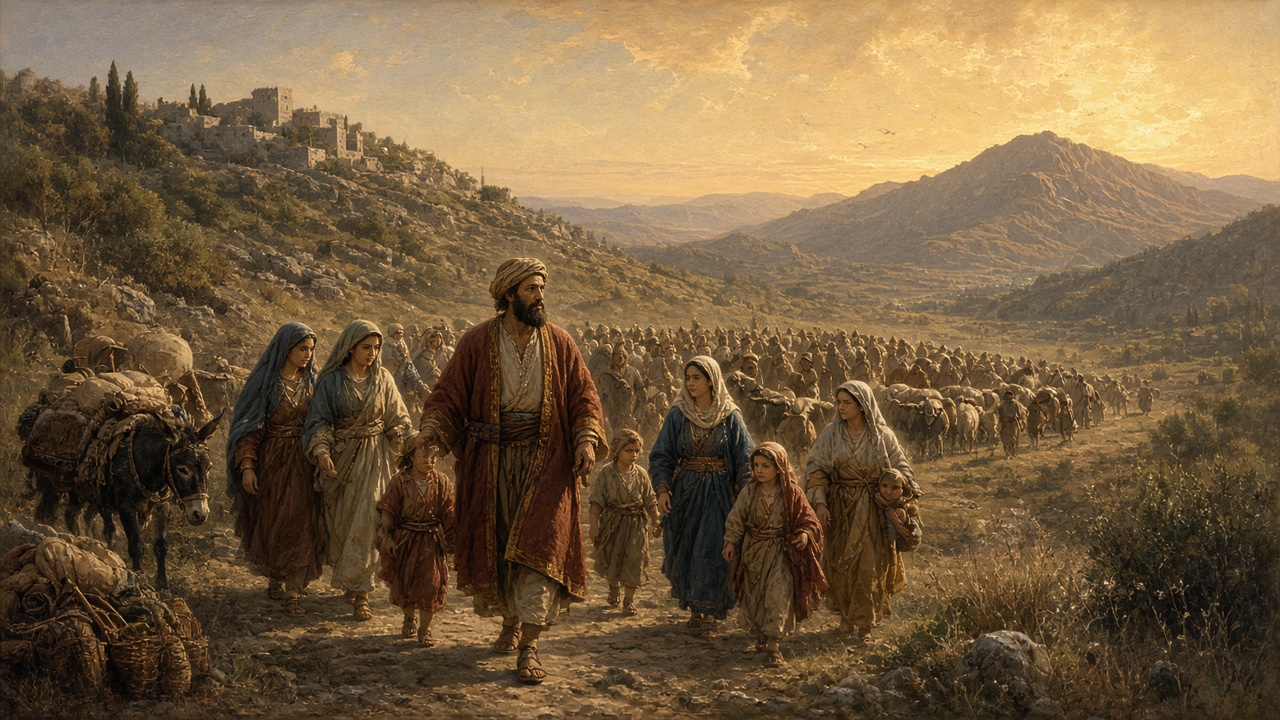
6Neot es, naiꞌ Esau nfooꞌ neu pah es aꞌtetaꞌ, naꞌroo naꞌko naiꞌ Yakop. In neik in fee-anah, ameupt ein, muꞌit ma ꞌmuiꞌf ein ok-okeꞌ. 7Naiꞌ Esau nbaits on nok in orif naiꞌ Yakop, natuin sin muiꞌt ein namfaun, ma sin aꞌmuꞌik bian, amfaun ii kah. Onaim sin naheun bare naan een. 8Etun naiꞌ Esau (es reꞌ naiꞌ Edom), annao natua nbi baer maꞌtoeꞌf ein et Seir.
9Naiꞌ Esau in sufan-kauꞌn ein, reꞌ sin nteek nain je mnak, ‘atoin Edomas’, esan reꞌ ia: sin natuan nbin baer maꞌtoeꞌf ein et Seir.
10Naiꞌ Esau in fee bi Ada, nahoniꞌ riꞌaan moen jes, kaan ee naiꞌ Elifas. Naiꞌ Elifas in aan moen ein tuaf niim, esan reꞌ: naiꞌ Teman, naiꞌ Omar, naiꞌ Sefo, naiꞌ Gatam ma naiꞌ Kenas. Naiꞌ Elifas anmuiꞌ fee panaꞌ, kaan ee bi Timna. In nahoniꞌ riꞌaan moen jes, kaan ee naiꞌ Amalek.
Naiꞌ Esau in fee bi Basmat nahoniꞌ riꞌaan moen jes, kaan ee naiꞌ Rehuel. Naiꞌ Rehuel nahoniꞌ aan mone haa, esan reꞌ: naiꞌ Nahat, naiꞌ Sera, naiꞌ Sama, ma naiꞌ Misa.
14Naiꞌ Esau in fee bi Ohoribama, reꞌ naiꞌ Anah in aan feto, ma reꞌ naiꞌ Sibeon in upuf naan, nahoniꞌ riꞌaan mone teun, esan reꞌ: naiꞌ Yeus, naiꞌ Yaram, ma naiꞌ Kora.
15Naiꞌ Esau in sufan-kauꞌn ein anbaits ok amfaun ma njarin uuf-uuf. Es-es ate nok kuun sin aꞌnaak uuf. Naiꞌ Esau in aan moen unu naiꞌ Elifas aanh ein, njarin aꞌnakat neu uuf Teman, aꞌnakat neu uuf Omar, aꞌnakat neu uuf Sefo, aꞌnakat neu uuf Kenas, aꞌnakat neu uuf Kora, aꞌnakat neu uuf Gatam, ma aꞌnakat neu uuf Amalek. Sin arsin reꞌ naan, naiꞌ Esau nok in fee bi Ada sin suufk ein.
17Naiꞌ Esau in anah naiꞌ Rehuel in aanh ein anjarin aꞌnakat neu uuf Nahat, aꞌnakat neu uuf Sera, aꞌnakat neu uuf Sama, ma aꞌnakat neu uuf Misa. Sin arsin reꞌ naan, naiꞌ Esau nok in fee bi Basmat sin suufk ein.
18Naiꞌ Esau nok in fee bi Ohoribama sin aanh ein, anjarin aꞌnakat neu uuf Yeus, aꞌnakat neu uuf Yaram, ma aꞌnakat neu uuf Kora.
19Uuf ein reꞌ naan ok-okeꞌ, naiꞌ Esau in sufan-kaꞌun sin.
Naiꞌ Seir in sufan-kaꞌun
20Anbi bare naan amsaꞌ, anmuiꞌ naan atoin Horis es, in kaan ee naiꞌ Seir. In aanh ein anbaits ok anjarin uuf-uuf amfaun, es-es ate nok in aꞌnakat. Rarit in aanh ein anjarin aꞌnakat neu uuf Rotan, aꞌnakat neu uuf Sobar, aꞌnakat neu uuf Sibeon, aꞌnakat neu uuf Anah, aꞌnakat neu uuf Dison, aꞌnakat neu uuf Eser, ma aꞌnakat neu uuf Disan.
22Naiꞌ Rotan in aanh ein, esan reꞌ naiꞌ Hori, ma naiꞌ Heman (naiꞌ Rotan in feotf ee es reꞌ bi Timna).
23Naiꞌ Sobar in aanh ein, esan reꞌ: naiꞌ Arwan, naiꞌ Manahat, naiꞌ Ebal, naiꞌ Sefo, ma naiꞌ Onam.
24Naiꞌ Sibeon in aanh ein, esan reꞌ: naiꞌ Aya, ma naiꞌ Anah. Naiꞌ Anah in es reꞌ niit oe maat maputuꞌ nbi baer ruman oras in natuuk in aamf ee bikaes keledai ngguin.
25Naiꞌ Anah in aan feot goe, es reꞌ, bi Ohoribama. Ma in aan moen je, es reꞌ naiꞌ Dison. Naiꞌ Dison in aanh ein, esan reꞌ: naiꞌ Hemdan, naiꞌ Esban, naiꞌ Yitran, ma naiꞌ Keran.
27Naiꞌ Eser in aanh ein, esan reꞌ: naiꞌ Birhan, naiꞌ Saꞌaban, ma naiꞌ Akan.
28Naiꞌ Disan in aanh ein esan reꞌ: naiꞌ Us ma naiꞌ Aran.
29Onaim aꞌnaak uuf ein atoin Horis sin, esan reꞌ: naiꞌ Rotan, naiꞌ Sobar, naiꞌ Sibeon, naiꞌ Anah, naiꞌ Dison, naiꞌ Eser, ma naiꞌ Disan. Sin arsin natuan nbin pah Seir.
Pah Edom in uisf ein
31Oras pah Israꞌel ka nmuiꞌ fa usif fa feꞌe te, anbi pah Edom anmuꞌi nrair usif. Sin kaank ein anmaktun-tuin ein, esan reꞌ:
32Sin nait naiꞌ Beor in anah naiꞌ Bera, njair usif nbi kota Dinhaba.
33Oras naiꞌ Bera nmaet, naiꞌ Yobap anseun ee njair usif. In aamf ee, kaan ee naiꞌ Sera naꞌko kuan Bosra.
34Oras naiꞌ Yobap anmaet, naiꞌ Husam anseun ee njair usif. Naiꞌ Husam naan, naꞌko atoin Temanas sin pah.
35Oras naiꞌ Husam anmaet, naiꞌ Hadat anseun ee njair usif. In aamf ee, kaan ee naiꞌ Bedat naꞌko kuan Abit. (In reꞌ naan, es reꞌ niis atoin Midianas sin, oras sin nmakenan nbin pah Moap.)
36Oras naiꞌ Hadat anmaet, naiꞌ Samra anseun ee njair usif. Naiꞌ Samra naan, naꞌko kuan Masreka.
37Oras naiꞌ Samra nmaet, naiꞌ Saul anseun ee njair usif. Naiꞌ Saul naan naꞌko kuan Rehobot et noe je panin.
38Oras naiꞌ Saul anmaet, naiꞌ Baꞌal-Hanan anseun ee njair usif. In aamf ee, kaan ee naiꞌ Akbor.
39Oras naiꞌ Baꞌal-Hanan anmaet, naiꞌ Hadar anseun ee njair usif. Naiꞌ Hadar naan, naꞌko kuan Pau. In fee je, kaan ee bi Mehetabel. Bi Mehetabel in aamf ee, kaan ee naiꞌ Matret. Ma in naiꞌf ee, kaan ee naiꞌ Mesahap.
40Onaim aꞌnaak uuf ein reꞌ npoin ma nboran naꞌkon naiꞌ Esau in suufk ein esan reꞌ: naiꞌ Timna, naiꞌ Arwa, naiꞌ Yetet, naiꞌ Ohoribama, naiꞌ Era, naiꞌ Pinon, naiꞌ Kenas, naiꞌ Teman, naiꞌ Mipsar, naiꞌ Magdiel, ma naiꞌ Iram. Sin es-es ate, nakanab sin pah anpaek kuuk sin kaank ein.
Onaim sin reꞌ naan ok-okeꞌ, naiꞌ Esau in sufan-kaꞌun. Naiꞌ Esau njair aam uuf neu atoin Edomas sin.
Did you know?
Esau, Father of the Edomites
- Genesis 36 is the family record of Esau, also called Edom, a name meaning “red,” linked to the red lentil stew for which he sold his birthright. Because his household and Jacob’s had more livestock than the land could support together, Esau left Canaan and settled in the mountainous region of Seir, east of the Arabah, which became the land of Edom.Sources: the Bible text itself · Esau (Edom) · Seir · Edom
- Easton's Bible Dictionary (1897) notes that Esau’s three wives receive different names in this genealogy from those in the earlier narrative. Adah, daughter of Elon the Hittite, is also called Bashemath; Basemath, daughter of Ishmael, is also called Mahalath; and the wife identified as the daughter of Beeri the Hittite appears here as Oholibamah, daughter of Anah and granddaughter of Zibeon the Hivite.Sources: Bashemath · Adah · Aholibamah · the Bible text itself
- Mount Seir was first occupied by the Horites, whom the Edomites later drove out, yet this chapter still lists the Horite chiefs in the land of Edom. It also names kings who reigned in Edom before any king reigned over the Israelites, including Bela, whose city was Dinhabah, and Jobab of Bozrah, a city later mentioned by the prophets.Sources: the Bible text itself · Seir · Dinhabah · Bozrah
Notes written with AI assistance from open sources (Theographic Bible Metadata, CC BY-SA 4.0; Easton’s Bible Dictionary, public domain) and reviewed before publishing.
Places in this chapter
- Canaan · 32.767, 35.333 · verses 2, 5, 6
- Edom · 30.746, 35.604 · verses 9, 16, 17, 20, 21, 31, 32, 40, 43
- Midian · 28.495, 35.012 · verse 35
- Moab · Today: Moab 1 · 31.181, 35.701 · verse 35
Only places identified with high confidence are shown (90% or more according to the scholarly sources compiled by OpenBible). Period map: DARE (Digital Atlas of the Roman Empire), CC BY 4.0; modern map: © OpenStreetMap contributors; places: OpenBible.info (CC BY 4.0).
Credits and license for this translation
Uisneno In Kabin ma Prenat: Rais Manba'an Fe'u nok Reta' Ahun-hunut
Genesis and the New Testament in the Amarasi language of Indonesia
Kejadian dan Perjanjian Baru dalam bahasa Amarasi dari
copyright © 1999-2014 Unit Bahasa dan Budaya, Kupang NTT, Indonesia
Language: Amarasi
Translation by: Wycliffe Bible Translators
This translation is made available to you under the terms of the
Creative Commons Attribution-No Derivatives license 4.0.
You may share and redistribute this Bible translation or extracts from it in any format, provided that:
You include the above copyright and source information.
You do not make any derivative works that change any of the actual words or punctuation of the Scriptures.
Pictures included with Scriptures and other documents on this site are licensed just for use with those Scriptures and documents.
For other uses, please contact the respective copyright owners.
2022-03-11
Source: http://ebible.org/aaz/ · eBible.org