Salmos 16
De Heilige Schrift, Petrus Canisiusvertaling, 1939 · Toque num versículo para ver as referências cruzadas.
1Een puntdicht van David. Behoed mij, o God, want tot U neem ik mijn toevlucht; 2Ik zeg tot Jahweh: Gij zijt mijn Heer, buiten U geen geluk! 3Aan de heiligen, die zijn land bewonen, Schenkt Hij de volheid zijner genade. 4Zìj hopen zich ellende op, Die achter vreemde goden lopen. Neen, ik pleng hun bloedige offers niet mee, Zelfs hun naam komt mij niet op de lippen! 5Gij zijt mijn erfdeel, o Jahweh, en het deel van mijn beker, Gij zijt het, die het lot voor mij wierpt: 6Mijn meetsnoer lag in lieflijke dreven, Een prachtig stuk viel mij toe. 7Ik zegen Jahweh, want Hij is mijn raadsman: Zelfs ‘s nachts word ik door mijn nieren vermaand. 8Jahweh houd ik altijd voor ogen; Staat Hij mij ter zijde, dan wankel ik niet. 9Zo verheugt zich mijn hart, En jubelt mijn geest; Ook mijn vlees is vol moed, 10Want Gij geeft mij niet prijs aan het dodenrijk. Gij laat uw vrome het graf niet aanschouwen, 11Maar toont mij de weg naar het leven, Overvloedige vreugd voor uw aanschijn, Aan uw rechterhand eeuwig geluk.
Você sabia?
O Senhor como Herança e Refúgio
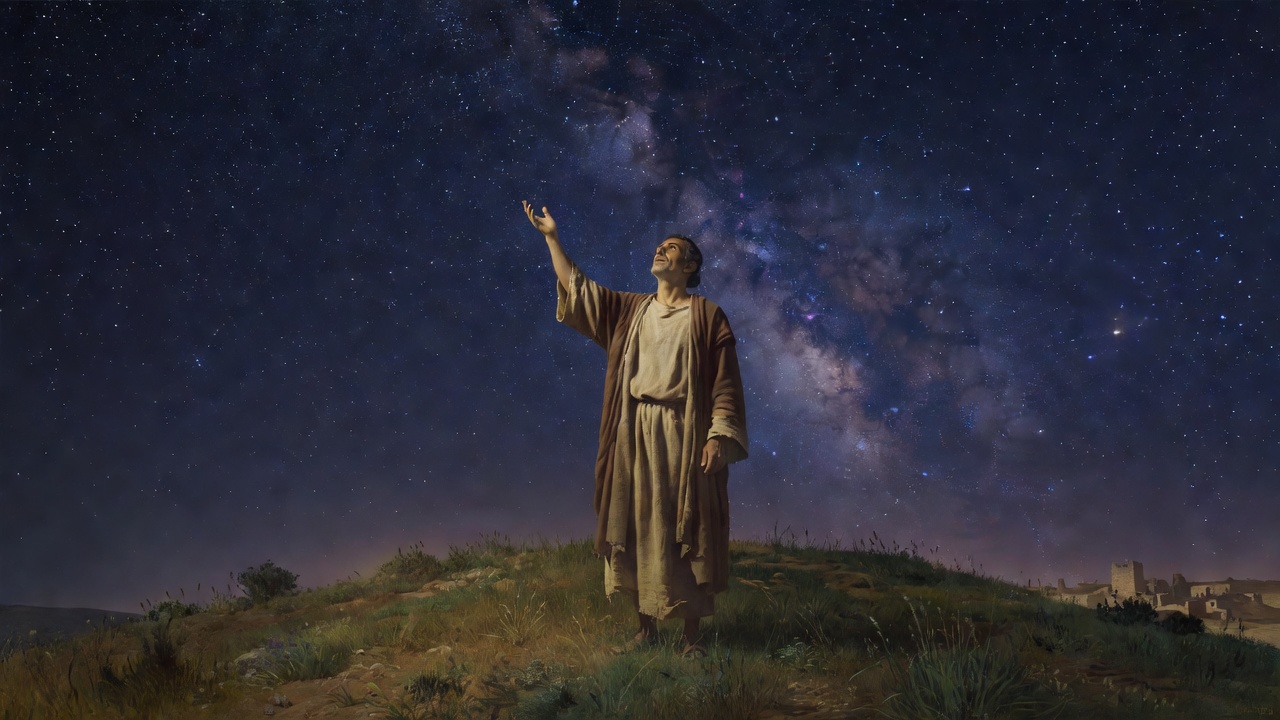
- O salmista utiliza a imagem de cordéis de medição e partilha de terras para descrever Deus como sua herança. Ao declarar que as linhas de limite caíram em lugares agradáveis, o texto retrata a devoção ao Senhor por meio da metáfora de uma propriedade segura e aprazível.Fontes: o próprio texto bíblico
- O texto contrasta a lealdade a Deus com os costumes daqueles que buscam outras divindades. O orador recusa explicitamente participar de rituais com libações de sangue ou sequer pronunciar os nomes desses deuses.Fontes: o próprio texto bíblico
- O salmo termina com uma declaração de confiança diante da morte, afirmando que Deus não abandonará a alma no Sheol nem permitirá que o seu fiel veja a corrupção, mas indicará o caminho da vida e a alegria da Sua presença.Fontes: o próprio texto bíblico
Notas escritas com auxílio de IA a partir de fontes abertas (Theographic Bible Metadata, CC BY-SA 4.0; Easton’s Bible Dictionary, domínio público) e revisadas antes de publicar.
Créditos e licença desta tradução
De Heilige Schrift, Petrus Canisiusvertaling, 1939
The Holy Bible in Dutch, Petrus Canisius translation, 1939
Public Domain
Language: Nederlandse taal (Dutch)
Eerste uitgave: Het Spectrum, Utrecht, Brussel, 1939
De Petrus Canisiusvertaling is een Nederlandse rooms-katholieke bijbelvertaling, waarvan de eerste complete uitgave verscheen in 1939. De volledige naam luidt: "De Heilige Schrift, vertaling uit de grondtekst met aantekeningen, in opdracht van de Apologetische Vereniging 'Petrus Canisius' ondernomen met goedkeuring van de hoogwaardige bisschoppen van Nederland". De Petrus Canisiusvertaling is de eerste Nederlandse katholieke vertaling die gebaseerd is op de grondteksten in hun oorspronkelijke taal. Andere vertalingen gingen uit van de Vulgaat. Het taalgebruik van de uitgave is naar hedendaagse normen licht archaïsch te noemen, maar nog steeds vlot verstaanbaar.
Verantwoording in verband met de auteursrechten
In verband met de auteursrechten is contact opgenomen met de oorspronkelijke uitgever (1), de Katholieke Vereniging voor Oecume (2) en de Katholieke Bijbelstichting (3) en werden geen bezwaren gevonden tegen deze publicatie. Rekening houdend met de wettelijke termijnen, kan deze uitgave beschouwd worden als vrij van auteursrechten.
First publication: Het Spectrum, Utrecht, Brussel, 1939
The translation "Petrus Canisius" is a dutch roman catholic bible translation, that was first published in 1939. Its full title is "The Holy Scripture, translation of the original texts with annotations, commissioned by the Apologetical Society 'Petrus Canisius' and executed with the approval of the most reverend bishops of the Netherlands". The translation "Petrus Canisius" is the first dutch catholic translation that was based on the scripture texts in their original language. Other translations were based on the Vulgate. The language of this edition is to current standards moderately archaic, but still easily understood.
Accountability in relation to copyright
Concerning the copyright contacts have been made with the original publisher (1), the Katholieke Vereniging voor Oecumene (Catholic Society for Ecumenism) (2) and the Katholieke Bijbelstichting (Catholic Bible Foundation) (3) and no objections have been found against this publication. Taking into account the legal terms, this edition can be considered to be in the public domain.
UITGEVERIJ UNIEBOEK|HET SPECTRUM BV, HOUTEN, THE NETHERLANDS
KATHOLIEKE VERENIGING VOOR OECUMENE, 'S HERTOGENBOSCH, THE NETHERLANDS
KBS, HOEVEN, THE NETHERLANDS
2024-08-06
Fonte: http://ebible.org/nld1939/ · eBible.org