Daniel 5
Biblica® Kiugo Gĩtheru Kĩa Ngai Kĩhingũre · Toque num versículo para ver as referências cruzadas.
Maandĩko Rũthingo-inĩ
1Atĩrĩrĩ, Mũthamaki Belishazaru nĩarugithĩirie andũ ake ngiri ĩmwe arĩa maarĩ igweta iruga inene, nake akĩnyuuanĩra ndibei nao. 2Rĩrĩa Belishazaru aanyuuaga ndibei yake, agĩathana ikombe cia thahabu na cia betha, iria ithe Nebukadinezaru aatahĩte akaruta hekarũ-inĩ Jerusalemu, irehwo nĩgeetha mũthamaki, na andũ ake arĩa maarĩ igweta, na atumia ake na thuriya ciake manyue nacio. 3Nĩ ũndũ ũcio makĩrehe ikombe icio cia thahabu iria ciatahĩtwo ikarutwo hekarũ-inĩ ya Ngai kũu Jerusalemu. Nake mũthamaki, na andũ ake acio maarĩ igweta, na atumia ake, na thuriya ciake makĩnyua nacio. 4Nao maanyuuaga ndibei, makĩgoocaga ngai cia thahabu, na cia betha, na cia gĩcango, na cia kĩgera, na cia mĩtĩ, na cia mahiga.
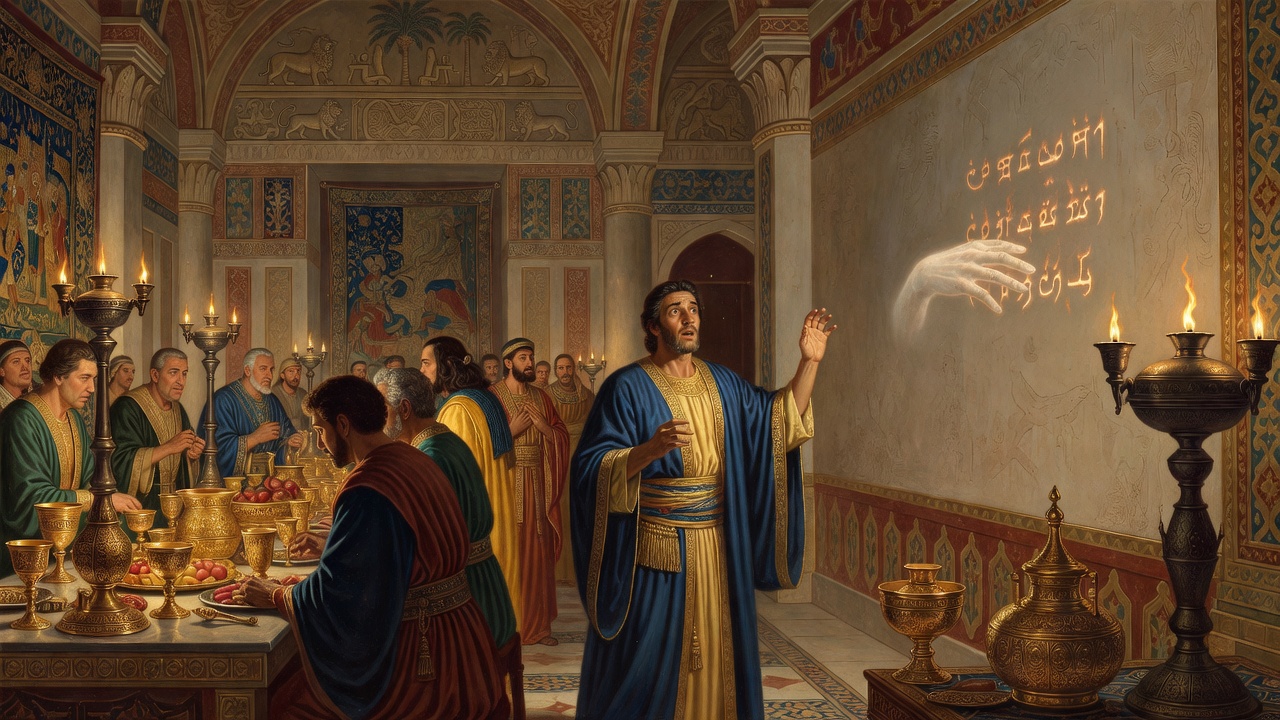
5Na rĩrĩ, o rĩmwe hakĩoneka ciara cia guoko kwa mũndũ ikĩandĩka rũthingo-inĩ rwa nyũmba ĩyo ya ũthamaki hakuhĩ na mũtĩ ũrĩa wa kũigĩrĩra tawa. Nake mũthamaki akĩona guoko kũu gũkĩandĩka. 6Nake mũthamaki agĩthita gĩthiithi na akĩmaka mũno, nginya maru make makĩgũthana, na akĩremwo nĩkũrũgama na magũrũ make.
7Mũthamaki akĩanĩrĩra na mũgambo mũnene, akiuga aragũri, na arori a njata, na arathi a mohoro mareehwo nake akĩĩra andũ acio oogĩ a Babuloni atĩrĩ, “Ũrĩa wothe ũngĩthoma maandĩko maya na anjĩĩre ũrĩa moigĩte, nĩekũhumbwo nguo cia rangi wa ndathi, na ekĩrwo kĩrengeeri gĩa thahabu ngingo, na nĩegũtuuo mwathani wa gatatũ ũthamaki-inĩ ũyũ.”
8Nao andũ a mũthamaki arĩa oogĩ othe magĩtoonya kuo, no matiahotire gũthoma maandĩko macio kana kwĩra mũthamaki ũrĩa moigĩte. 9Nĩ ũndũ ũcio Mũthamaki Belishazaru agĩkĩrĩrĩria kũmaka, na gĩthiithi gĩake gĩgĩthita makĩria. Andũ ake acio maarĩ igweta makĩrigwo nĩ ũrĩa mangĩĩka.
10Mũtumia wa mũthamaki rĩrĩa aiguire inegene rĩa mũthamaki na andũ acio ake maarĩ igweta agĩtoonya nyũmba ĩyo yarĩ na iruga. Akĩĩra mũthamaki atĩrĩ, “Wee mũthamaki, ũrotũũra nginya tene! Tiga kũmaka o na kana ũtukie gĩthiithi nĩ ũndũ wa ũhoro ũyũ! 11Ũthamaki-inĩ waku nĩ kũrĩ mũndũ ũkoragwo na roho wa ngai iria theru thĩinĩ wake. Matukũ-inĩ ma thoguo-rĩ, nĩonekire arĩ na meciiria marĩ na ũtaũku na ũmenyi o ta wa ngai icio. Thoguo, Mũthamaki Nebukadinezaru, (ndĩrakwĩra ũhoro wa thoguo mũthamaki,) nĩamũtuire mũnene wa aragũri, na arori a njata, na arathi a mohoro. 12Mũndũ ũcio Danieli, na nĩwe mũthamaki eetire Beliteshazaru, nĩonekire arĩ na meciiria makuũku, na ũmenyo, na ũtaũku, o na ningĩ ũhoti wa gũtaũra irooto, na gũtaarĩria ndaĩ, na gũtuithania maũndũ marĩa maritũ. Tũmana Danieli etwo na nĩegũkwĩra ũrĩa maandĩko macio moigĩte.”
13Nĩ ũndũ ũcio Danieli akĩrehwo mbere ya mũthamaki, nake mũthamaki akĩmũũria atĩrĩ, “Wee nĩwe Danieli, ũmwe wa andũ arĩa baba, ũrĩa warĩ mũthamaki aarehire gũkũ matahĩtwo kuuma Juda? 14Nĩnjiguĩte atĩ ũrĩ na roho wa ngai iria theru thĩinĩ waku na atĩ ũrĩ na ũtaũku, na ũhoti wa gwĩciiria na ũũgĩ wa mwanya. 15Andũ arĩa oogĩ na aragũri nĩmekũrehetwo harĩ niĩ mathome maandĩko maya manjĩĩre ũrĩa moigĩte, no matinahota kũmataarĩria. 16Rĩu nĩnjiguĩte atĩ wee no ũhote gũtaũra na kũhĩngĩcanũra maũndũ marĩa maritũ. Ũngĩhota gũthoma maandĩko maya na ũnjĩĩre ũrĩa moigĩte-rĩ, nĩũkũhumbwo nguo ya rangi wa ndathi, na wĩkĩrwo kĩrengeeri gĩa thahabu ngingo, na ũtuuo mwathani wa gatatũ ũthamaki-inĩ ũyũ.”
17Nake Danieli agĩcookeria mũthamaki atĩrĩ, “Iheo icio ciaku ikara nacio arĩ we, namo marĩhi maku ũmahe mũndũ ũngĩ. No o na gũkĩrĩ ũguo-rĩ, nĩngũthomera mũthamaki maandĩko macio, na ndĩmwĩre ũrĩa moigĩte.
18“Atĩrĩrĩ, wee mũthamaki, Ngai-Ũrĩa-ũrĩ-Igũrũ-Mũno nĩaheire thoguo Nebukadinezaru wathani, na ũnene, na riiri, na ũkaru. 19Nĩ ũndũ wa kũmũtũgĩria ũguo-rĩ, andũ othe, na ndũrĩrĩ ciothe, na andũ a mĩario yothe nĩmainainaga marĩ mbere yake na makamwĩtigĩra. Andũ arĩa mũthamaki angĩendire mooragwo nĩamooragithagia; arĩa angĩendire kũhonokia mĩoyo yao, nĩamahonokagia; arĩa angĩendire gũtũũgĩria, nĩamatũgagĩria; nao arĩa angĩendire kũnyiihia, nĩamanyiihagia. 20No rĩrĩa ngoro yake yanyiitirwo nĩ mwĩgaatho na akĩũmio ngoro nĩ mwĩtĩĩo, nĩarutirwo gĩtĩ-inĩ gĩake kĩa ũnene na akĩaũrwo riiri wake. 21Akĩingatwo akĩeherio kuuma kũrĩ andũ, na akĩgarũrwo akĩgĩa na meciiria ta ma nyamũ, agĩtũũrania na njagĩ cia werũ-inĩ, na akĩrĩa nyeki ta ngʼombe; naguo mwĩrĩ wake waihũgagio nĩ ime riumĩte igũrũ, nginya rĩrĩa aamenyire atĩ Ngai-Ũrĩa-ũrĩ-Igũrũ-Mũno nĩwe wathaga mothamaki ma andũ, na nĩwe ũmaheanaga kũrĩ o ũrĩa angĩenda kũhe.
22“No wee nawe Belishazaru, mũrũ-we-rĩ, ndũigana kwĩnyiihia, o na gũkorwo nĩwooĩ maũndũ macio mothe. 23Handũ ha ũguo-rĩ, wee nĩwĩnenehetie makĩria, ũgakararia Mwathani-wa-Igũrũ. Wetirie ikombe iria ciarutĩtwo hekarũ-inĩ yake, ũkĩreherwo, nawe na andũ aku arĩa marĩ igweta, na atumia aku na thuriya ciaku, mũkĩnyua ndibei nacio. Na inyuĩ mũkĩgooca ngai cia betha na cia thahabu, na cia gĩcango, na cia kĩgera, na cia mĩtĩ, o na cia mahiga, iria itoonaga, kana ikaigua, kana igakũũrana ũndũ. No rĩrĩ, wee ndũigana gũtĩĩa Ngai ũrĩa ũgwete muoyo waku guoko-inĩ gwake, na akamenya mĩthiĩre yaku yothe. 24Nĩ ũndũ ũcio agĩtũma guoko kũu gũũke kwandĩke maandĩko macio.
25“Maandĩko macio mandĩkĩtwo maroiga ũũ:
MENE, MENE, TEKEL, UPHARSIN
26“Naguo ũtaũri wa ciugo ici nĩguo ũyũ:
MENE nĩ ta kuuga: Ngai nĩatarĩte matukũ ma ũthamaki waku, na akaũkinyia mũthia.
27TEKEL nĩ ta kuuga: Wee nĩũthimĩtwo na ratiri, ũkoneka nĩũtigairie.
28PERES nĩ ta kuuga: Ũthamaki waku nĩ mũgayanie, ũkaheanwo kũrĩ Amedi na Aperisia.”
29Hĩndĩ ĩyo Belishazaru agĩatha andũ ake, nao makĩhumba Danieli nguo ya rangi wa ndathi, na agĩĩkĩrwo kĩrengeeri gĩa thahabu ngingo, naguo ũhoro wake ũkĩmenyithanio atĩ nĩwe mwathani wa gatatũ ũthamaki-inĩ ũcio.
30Ũtukũ o ro ũcio, Belishazaru mũthamaki wa Babuloni akĩũragwo, 31nake Dario ũrĩa Mũmedia akĩoya ũthamaki ũcio, arĩ na ũkũrũ ta wa mĩaka mĩrongo ĩtandatũ na ĩĩrĩ.
Você sabia?
A escrita na parede e a queda da Babilônia
- Embora o texto chame repetidamente Nabucodonosor de pai de Belsazar, no uso semítico antigo o termo podia denotar um antecessor ou avô. Registros históricos apontam que Belsazar era filho do rei Nabonido e neto de Nabucodonosor por meio de sua mãe, Nitócris.Fontes: Belshazzar · o próprio texto bíblico
- Belsazar ofereceu a posição de terceiro governante no reino a quem interpretasse a misteriosa inscrição. Como Belsazar governava como corregente sob seu pai Nabonido, o terceiro posto era o mais alto cargo administrativo que ele podia conceder.Fontes: Belshazzar · o próprio texto bíblico
- A profanação dos vasos sagrados de ouro e prata trazidos do templo em Jerusalém provocou o presságio divino no gesso do palácio. Daniel interpretou a inscrição como um anúncio de que o reino babilônico havia sido pesado, achado em falta e entregue aos medos e persas.Fontes: Belshazzar · o próprio texto bíblico
Notas escritas com auxílio de IA a partir de fontes abertas (Theographic Bible Metadata, CC BY-SA 4.0; Easton’s Bible Dictionary, domínio público) e revisadas antes de publicar.
Lugares deste capítulo
- Jerusalem · 31.777, 35.234 · versículos 2, 3
- Babylon · 32.543, 44.422 · versículos 7, 11
- Chaldea · 30.962, 46.104 · versículos 7, 11
Só aparecem lugares com identificação de alta confiança (90% ou mais segundo as fontes acadêmicas reunidas pelo OpenBible). Mapa da época: DARE (Digital Atlas of the Roman Empire), CC BY 4.0; mapa atual: © colaboradores do OpenStreetMap; lugares: OpenBible.info (CC BY 4.0).
Créditos e licença desta tradução
Biblica® Kiugo Gĩtheru Kĩa Ngai Kĩhingũre Gikuyu: Biblica® Kiugo Gĩtheru Kĩa Ngai Kĩhingũre (Bible) of Kenya copyright © 2013 Biblica, Inc. Language: Kikuyu (Gikuyu) Contributor: Biblica, Inc. Wĩra ũyũ ũheanĩtwo na ũndũ wa rũtha rwa biacara rwa Creative Commons Attribution-ShareAlike 4.0 International License (CC BY-SA). Ũngĩenda kuona kobĩ ya rũtha rũrũ rwa biacara, rora rũrenda-inĩ rwa: http://creativecommons.org/licenses/by-sa/4.0, kana ũtũme marũa kũrĩ: Creative Commons, PO Box 1866, Mountain View, CA 94042, USA. Biblica® nĩ mũhũri wa biacara wandĩkithĩtio nĩ Biblica, Inc., kũhũthĩra mũhũri wa biacara wa Biblica® kũbataraga marũa ma gwĩtĩkĩrio kuuma kũrĩ Biblica, Inc. Kuumana na rũtha rwa biacara rwa CC BY-SA, no ũkobie kana ũtambie wĩra ũyũ ũtarĩ mũgarũre, ĩndĩ ndũkagarũre rũri rwa biacara rwa Biblica®. Ũngĩgarũra kana ũkobie wĩra ũyũ, na tondũ wa ũguo ũtuĩke nĩ wĩra mwerũ uumanĩte na ũcio-rĩ, no nginya weheria mũhũri wa biacara wa Biblica®. Wĩra-inĩ ũcio mwerũ no nginya wonanie nĩ maũndũ marĩkũ ũgarũrĩte, na ũtarĩrie wĩra-inĩ ũcio ta ũũ: “Wĩra wa kĩhumo warĩ wa Biblica, Inc. na ũheanĩtwo tũhũ ng’enda-inĩ cia www.biblica.com na open.bible.” Kĩmenyitha kia Mwene-wĩra no nginya kĩandĩkwo iratathi rĩa kĩongo kĩa wĩra kana rĩa ũhoro wa Mwene-wĩra ta ũũ: Biblica® Kiugo Gĩtheru Kĩa Ngai Kĩhingũre™ Kĩmenyithia kĩa Mwene-wĩra © 2013 nĩ Biblica, Inc. Biblica® Open Kikuyu Holy Word of God™ Copyright © 2013 by Biblica, Inc. “Biblica” nĩ mũhũri wa biacara wandĩkithĩtio wabici-inĩ ya United States Patent and Trademark Office nĩ Biblica, Inc. Ũhũthĩrĩtwo na rũtha. “Biblica” is a trademark registered in the United States Patent and Trademark Office by Biblica, Inc. Used with permission. No nginya wĩtĩkĩrie wĩra ũcio mwerũ ũgarũrĩte ũheanwo na ũndũ wa rũtha rwa biacara rũu rwa CC BY-SA. Ũngĩenda kũmenyithia Biblica, Inc. ũhoro wĩgiĩ ũtaũri waku wa wĩra ũyũ-rĩ, twandĩkĩre rũrenda-inĩ rwa: https://open.bible/contact-us. This work is made available under the Creative Commons Attribution-ShareAlike 4.0 International License (CC BY-SA). To view a copy of this license, visit http://creativecommons.org/licenses/by-sa/4.0 or send a letter to Creative Commons, PO Box 1866, Mountain View, CA 94042, USA. Biblica® is a trademark registered by Biblica, Inc., and use of the Biblica® trademark requires the written permission of Biblica, Inc. Under the terms of the CC BY-SA license, you may copy and redistribute this unmodified work as long as you keep the Biblica® trademark intact. If you modify a copy or translate this work, thereby creating a derivative work, you must remove the Biblica® trademark. On the derivative work, you must indicate what changes you have made and attribute the work as follows: “The original work by Biblica, Inc. is available for free at www.biblica.com and open.bible.” Notice of copyright must appear on the title or copyright page of the work as follows: Biblica® Kiugo Gĩtheru Kĩa Ngai Kĩhingũre™ Kĩmenyithia kĩa Mwene-wĩra © 2013 nĩ Biblica, Inc. Biblica® Open Kikuyu Holy Word of God™ Copyright © 2013 by Biblica, Inc. “Biblica” nĩ mũhũri wa biacara wandĩkithĩtio wabici-inĩ ya United States Patent and Trademark Office nĩ Biblica, Inc. Ũhũthĩrĩtwo na rũtha. “Biblica” is a trademark registered in the United States Patent and Trademark Office by Biblica, Inc. Used with permission. You must also make your derivative work available under the same license (CC BY-SA). If you would like to notify Biblica, Inc. regarding your translation of this work, please contact us at https://open.bible/contact-us. This translation is made available to you under the terms of the Creative Commons Attribution Share-Alike license 4.0. You have permission to share and redistribute this Bible translation in any format and to make reasonable revisions and adaptations of this translation, provided that: You include the above copyright and source information. If you make any changes to the text, you must indicate that you did so in a way that makes it clear that the original licensor is not necessarily endorsing your changes. If you redistribute this text, you must distribute your contributions under the same license as the original. Pictures included with Scriptures and other documents on this site are licensed just for use with those Scriptures and documents. For other uses, please contact the respective copyright owners. Note that in addition to the rules above, revising and adapting God's Word involves a great responsibility to be true to God's Word. See Revelation 22:18-19. 2025-05-07
Fonte: http://ebible.org/kik/ · eBible.org