Daniel 4
Biblica® Kiugo Gĩtheru Kĩa Ngai Kĩhingũre · Toque num versículo para ver as referências cruzadas.
Kĩroto gĩa Keerĩ kĩa Nebukadinezaru
1Nĩ niĩ Mũthamaki Nebukadinezaru,
Ndĩramwandĩkĩra marũa maya inyuĩ andũ a iruka ciothe, na ndũrĩrĩ, na andũ a rwario o ruothe arĩa matũũraga thĩ yothe:
Mũrogaacĩra makĩria!
2Ndĩ na gĩkeno ngĩmũmenyithia morirũ na maũndũ ma kũgegania marĩa Ngai-ũrĩa-ũrĩ-Igũrũ mũno anjĩkĩire.
3Kaĩ morirũ make nĩ manene-ĩ!
O namo maũndũ make ma kũgegania kaĩ nĩ ma hinya-ĩ!
Ũthamaki wake nĩ wa tene na tene,
naguo wathani wake ũkinyagĩra njiarwa na njiarwa.
4Atĩrĩrĩ, niĩ Nebukadinezaru ndarĩ gwakwa mũciĩ, njiganĩire na ngagaacĩra nyũmba-inĩ yakwa ya ũthamaki. 5Na rĩrĩ, ũtukũ ũmwe ndarootire kĩroto kĩrĩa kĩamakirie mũno. Ngomete ũrĩrĩ-inĩ wakwa-rĩ, maũndũ marĩa mahĩtũkagĩra meciiria-inĩ makwa na cioneki ikĩndua nda. 6Nĩ ũndũ ũcio ngĩathana ngiuga atĩ andũ arĩa othe oogĩ a Babuloni mareehwo mbere yakwa nĩguo mandaũrĩre kĩroto kĩu. 7Rĩrĩa ago, na aragũri, na arori a njata na arathi mohoro mookire, ngĩmeera ũrĩa ndarooteete, no nĩmaremirwo nĩ kũndaũrĩra kĩroto kĩu. 8No thuutha wao, Danieli agĩũka mbere yakwa, na niĩ ngĩmwĩra ũrĩa ndarooteete. (Nĩwe wĩtagwo Beliteshazaru tondũ etanĩtio na ngai yakwa, nake akoragwo na roho wa ngai iria theru thĩinĩ wake.)
9Ngĩĩra Beliteshazaru, mũnene wa ago othe atĩrĩ, “Nĩnjũũĩ atĩ roho wa ngai iria theru ũrĩ thĩinĩ waku, na gũtirĩ ũndũ ũrĩ hitho-inĩ ũngĩkũrema. Gĩkĩ nĩkĩo kĩroto gĩakwa; nawe he ũtaũri wakĩo. 10Ici nĩcio cioneki iria ndonire rĩrĩa ndaakomete ũrĩrĩ-inĩ wakwa: Ndarorire ngĩona hau mbere yakwa harũngiĩ mũtĩ ũrĩ bũrũri gatagatĩ. Naguo warĩ mũraihu mũno. 11Mũtĩ ũcio ũkĩneneha ũkĩgĩa na hinya nako gacũmbĩrĩ kaguo gakahutia matu mairũ; naguo wonekaga nginya ituri ciothe cia thĩ. 12Mathangũ maguo maarĩ mathaka, na maciaro maguo makaingĩha warĩ na irio cia kũhũũnia andũ othe. Nyamũ cia gĩthaka ciaikaraga kĩĩruru-inĩ kĩaguo, nacio nyoni cia rĩera-inĩ igaikaraga honge-inĩ ciaguo; indo ciothe iria irĩ muoyo ciarĩĩaga maciaro maguo.
13“Ningĩ o ngomete ũrĩrĩ-inĩ wakwa ngĩrora ngĩona cioneki-inĩ icio, na hau mbere yakwa harĩ na mũrangĩri, mũndũ mũtheru, agĩikũrũka oimĩte igũrũ. 14Akĩanĩrĩra na mũgambo mũnene, akiuga atĩrĩ: Temai mũtĩ ũcio na mũhũrũre honge ciaguo; itithiai mathangũ maguo, na mũhurunje maciaro maguo. Nyamũ nacio ciũre ciehere rungu waguo, o na nyoni ciume honge-inĩ ciaguo. 15No rĩrĩ, mũreke gĩthukĩ na mĩri yakĩo ciohwo na kĩgera na gĩcango, nacio itigwo tĩĩri-inĩ, kũu nyeki-inĩ ya gĩthaka.
“Nĩaihũgagio nĩ ime rĩa igũrũ, na atũũranagie na nyamũ kũu nyeki-inĩ ĩrĩa nduru ya gĩthaka. 16Meciiria make nĩmagarũrwo matige gũtuĩka ta ma mũndũ, nake agĩe na meciiria ta ma nyamũ, ihinda ta rĩa mĩaka mũgwanja.
17“ ‘Itua rĩu rĩanĩrĩirwo nĩ arangĩri, narĩo rĩgekĩrwo hinya nĩ arĩa atheru, nĩgeetha arĩa marĩ muoyo mamenye atĩ Ũrĩa-ũrĩ-Igũrũ-Mũno nĩwe wathaga mothamaki ma andũ, naguo ũthamaki aũheaga o ũrĩa angĩenda kũũhe, na agatũũgĩria mũndũ ũtarĩ igweta o na hanini nĩguo ũtuĩke wake.’
18“Kĩu nĩkĩo kĩroto kĩrĩa niĩ, Mũthamaki Nebukadinezaru ndarootire. Atĩrĩrĩ, wee Beliteshazaru, ta njĩĩra ũrĩa kiugĩte kuona atĩ andũ arĩa angĩ othe oogĩ a ũthamaki wakwa nĩmaremetwo nĩkũndaũrĩra. No rĩrĩ, wee no ũhote tondũ roho wa ngai iria theru ũrĩ thĩinĩ waku.”
Danieli Gũtaũra Kĩroto
19Hĩndĩ ĩyo Danieli (na nowe wĩtagwo Beliteshazaru) akĩamba gũtangĩka mũno kwa ihinda, na akĩmaka mũno meciiria-inĩ make. Nĩ ũndũ ũcio mũthamaki akĩmwĩra atĩrĩ, “Beliteshazaru, tiga kũmakio nĩ kĩroto kĩu kana ũtaũri wakĩo.”
Beliteshazaru agĩcookia atĩrĩ, “Mwathi wakwa, naarĩ korwo kĩroto kĩu kĩerekererio thũ ciaku, o na ũtaũri wakĩo wathĩrĩrio andũ arĩa magũthũire! 20Mũtĩ ũcio wonire, ũrĩa wanenehire na ũkĩgĩa na hinya, nako gacũmbĩrĩ kaguo gakahutia matu mairũ, na ũkoonekaga nĩ thĩ yothe, 21ũrĩ na mathangũ mathaka na maciaro maingĩ, na ũkaheaga andũ othe irio, na nyamũ cia gĩthaka cikaarahaga kĩĩruru-inĩ kĩaguo, na ũkagĩa na itara honge-inĩ ciaguo cia nyoni cia rĩera-inĩ-rĩ, 22wee mũthamaki, nĩwe mũtĩ ũcio! Nĩũnenehete na ũkagĩa na hinya; ũnene waku ũgakũra nginya ũkahutia matu mairũ, naguo wathani waku ũgatambũrũka ũgakinya kũndũ kũraya gũkũ thĩ.
23“Wee, mũthamaki-rĩ, Nĩwonire mũrangĩri, mũndũ mũtheru, agĩikũrũka oimĩte matu-inĩ, akiugaga atĩrĩ, ‘Temai mũtĩ ũcio na mũwanange, no mũtige gĩthukĩ kĩohetwo na kĩgera na gĩcango, kũu nyeki-inĩ ya gĩthaka nayo mĩri yakĩo ĩtigwo tĩĩri-inĩ. Nake nĩaihũgagio nĩ ime rĩa matu-inĩ; nĩaikarage ta nyamũ cia gĩthaka ihinda rĩa mĩaka mũgwanja.’
24“Atĩrĩrĩ, wee mũthamaki, ũtaũri wa kĩroto kĩu nĩguo ũyũ, narĩo ituĩro rĩrĩa rĩtuĩtwo nĩ Ũrĩa-ũrĩ-Igũrũ-Mũno nĩguo rĩgũkore wee, mũthamaki, mwathi wakwa, nĩrĩo rĩĩrĩ: 25Atĩrĩrĩ, nĩũkaingatwo weherio kuuma kũrĩ andũ, ũgatũũranagie na nyamũ cia gĩthaka; ũkaarĩĩaga nyeki ta ngʼombe, na ũihũgagio nĩ ime rĩa kuuma igũrũ. Mĩaka mũgwanja nĩĩgathira, o nginya ũmenye atĩ Ũrĩa-ũrĩ-Igũrũ-Mũno nĩwe ũthamakagĩra mothamaki mothe ma andũ, na akamaheana kũrĩ o ũrĩa angĩenda. 26Watho ũrĩa woigire gĩthukĩ na mĩri yakĩo gĩtigwo, nĩ kuuga atĩ nĩũgacookerio ũthamaki waku rĩrĩa ũkaamenya atĩ wathani uumaga Igũrũ. 27Nĩ ũndũ ũcio, wee mũthamaki, ĩtĩkĩra kũigua ũtaaro wakwa: Tigana na mehia maku, wĩkage maũndũ marĩa magĩrĩire, na ũtige waganu waku, na ũndũ wa kũiguĩra arĩa ahinyĩrĩrie tha. Hihi kwahoteka ũgaacĩru waku ũthiĩ na mbere.”
Kũhinga gwa Kĩroto
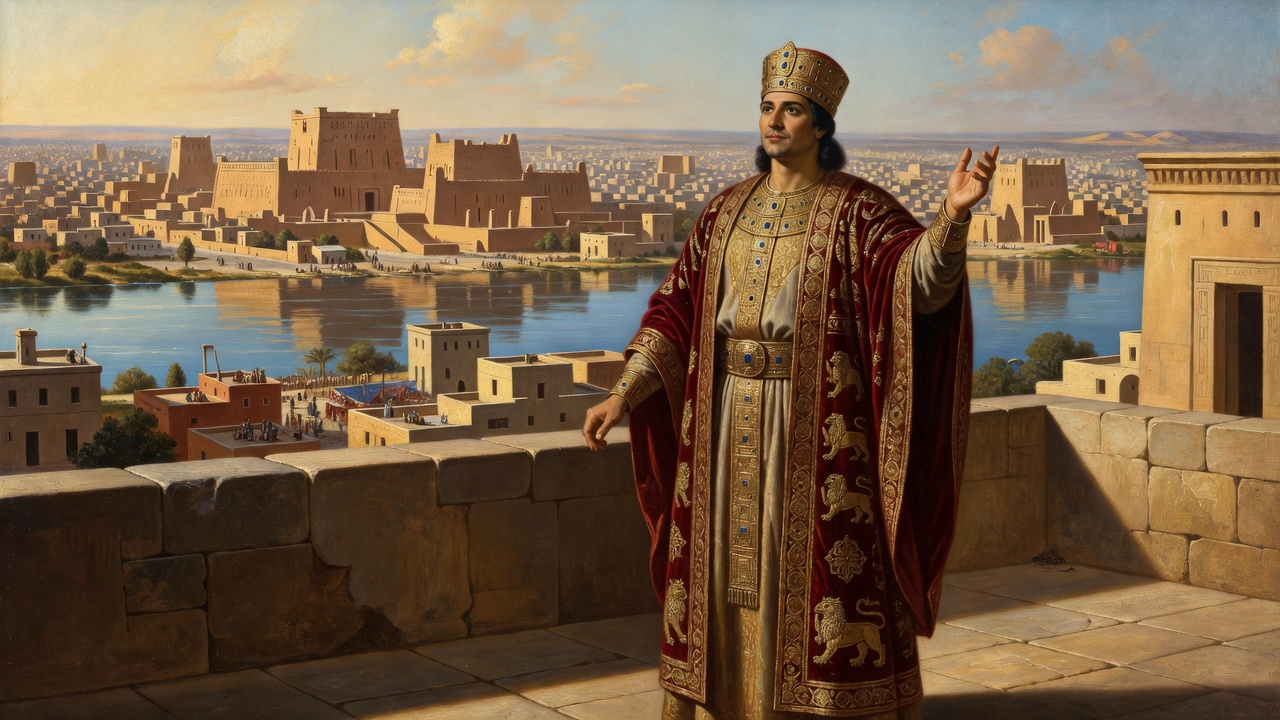
28Na rĩrĩ, maũndũ macio mothe nĩmakorire Mũthamaki Nebukadinezaru. 29Thuutha wa mĩeri ikũmi na ĩĩrĩ, rĩrĩa mũthamaki aaceerangaga arĩ nyũmba igũrũ ya ũthamaki kũu Babuloni, 30akiuga atĩrĩ, “Githĩ ĩno tiyo Babuloni, itũũra inene rĩrĩa njakĩte rĩrĩ gĩikaro kĩa mũthamaki, na ũndũ wa ũhoti wakwa mũingĩ, na nĩ ũndũ wa riiri wa ũnene wakwa?”
31Kahinda o kau aaragia, mũgambo ũkiuma igũrũ, ũkiuga atĩrĩ, “Rĩĩrĩ nĩrĩo ituĩro rĩrĩa ũtuĩrĩirwo, Mũthamaki Nebukadinezaru: Atĩrĩrĩ, nĩwehererio ũhoti wa ũthamaki waku. 32Nĩũkũingatwo weherio kuuma kũrĩ andũ, ũgatũũranagie na nyamũ cia gĩthaka; ũrĩrĩĩaga nyeki ta ngʼombe. Mĩaka mũgwanja nĩĩgũthira, o nginya ũmenye atĩ, Ũrĩa-ũrĩ-Igũrũ-Mũno nĩwe ũthamakagĩra mothamaki mothe ma andũ, na akamaheana kũrĩ o ũrĩa angĩenda.”
33O hĩndĩ ĩyo ituĩro rĩrĩa rĩatuĩrĩirwo Nebukadinezaru rĩkĩhinga. Akĩingatwo, akĩeherio kuuma kũrĩ andũ, na akĩrĩa nyeki ta ngʼombe. Mwĩrĩ wake waihũgagio nĩ ime rĩa igũrũ, o nginya njuĩrĩ yake ĩkĩraiha o ta njoya cia nderi, na ndwara ciake ikĩraiha o ta cia nyoni.
34Na rĩrĩ, mĩaka ĩyo yathira-rĩ, niĩ, Nebukadinezaru, ngĩtiira maitho makwa na igũrũ, na ngĩcookererwo nĩ ũgima wa meciiria makwa. Ningĩ ngĩgooca Ũrĩa-ũrĩ-Igũrũ-Mũno; ngĩmũtĩĩa na ngĩkumia ũcio ũtũũraga muoyo tene na tene.
Wathani wake nĩ wathani wa gũtũũra tene na tene;
ũthamaki wake ũkinyagĩra njiarwa na njiarwa.
35Andũ othe a gũkũ thĩ
amonaga ta matarĩ bata.
Nake ekaga ũrĩa ekwenda na mbũtũ cia kũu igũrũ,
na andũ arĩa matũũraga gũkũ thĩ.
Na gũtirĩ mũndũ ũngĩhota kũgirĩrĩria guoko gwake,
kana amũũrie atĩrĩ: “Nĩatĩa ũguo weka?”
36O ihinda-inĩ o rĩu ndaacookereirwo nĩ ũgima wa meciiria makwa-rĩ, norĩo ndaacookeirio gĩtĩĩo gĩakwa na ũkaru wakwa nĩgeetha ũthamaki wakwa ũgĩe na riiri. Ningĩ ataari akwa na andũ arĩa maarĩ igweta makĩĩnyamũkĩra, ngĩcookio gĩtĩ-inĩ gĩakwa kĩa ũnene, na ngĩneneha gũkĩra mbere. 37Na rĩrĩ, niĩ Nebukadinezaru-rĩ, nĩngũkumia, na ndũũgĩrie, na ngooce Mũthamaki wa igũrũ, nĩgũkorwo maũndũ marĩa mothe ekaga nĩmagĩrĩire, na mĩthiĩre yake yothe nĩ ya kĩhooto. Nao arĩa mathiiaga na mwĩgaatho nĩahotaga kũmanyiihia.
Você sabia?
O sonho e a humilhação do rei
- O capítulo 4 de Daniel está estruturado como um decreto imperial ou carta aberta dirigida pelo rei Nabucodonosor a todas as nações e línguas da terra. Nele, o próprio rei relata seu sonho perturbador, o período de loucura em que viveu entre os animais e seu louvor final ao Deus Altíssimo.Fontes: o próprio texto bíblico
- Nabucodonosor foi o rei mais poderoso do Império Babilônico, sediado na antiga cidade de Babilônia, às margens do rio Eufrates. A narrativa relata que sua humilhação repentina ocorreu logo após ele caminhar pelo terraço de seu palácio, vangloriando-se de ter edificado a grande Babilônia por sua própria força e majestade.Fontes: Nebuchadnezzar · Babylon · o próprio texto bíblico
- Na corte real, Daniel era chamado pelo nome caldeu Beltessazar, que significa 'Beltis proteja o rei'. Nabucodonosor recorreu a ele depois que os magos, encantadores e astrólogos babilônios se mostraram incapazes de interpretar a visão da grande árvore.Fontes: Daniel · o próprio texto bíblico
Notas escritas com auxílio de IA a partir de fontes abertas (Theographic Bible Metadata, CC BY-SA 4.0; Easton’s Bible Dictionary, domínio público) e revisadas antes de publicar.
Lugares deste capítulo
Só aparecem lugares com identificação de alta confiança (90% ou mais segundo as fontes acadêmicas reunidas pelo OpenBible). Mapa da época: DARE (Digital Atlas of the Roman Empire), CC BY 4.0; mapa atual: © colaboradores do OpenStreetMap; lugares: OpenBible.info (CC BY 4.0).
Créditos e licença desta tradução
Biblica® Kiugo Gĩtheru Kĩa Ngai Kĩhingũre Gikuyu: Biblica® Kiugo Gĩtheru Kĩa Ngai Kĩhingũre (Bible) of Kenya copyright © 2013 Biblica, Inc. Language: Kikuyu (Gikuyu) Contributor: Biblica, Inc. Wĩra ũyũ ũheanĩtwo na ũndũ wa rũtha rwa biacara rwa Creative Commons Attribution-ShareAlike 4.0 International License (CC BY-SA). Ũngĩenda kuona kobĩ ya rũtha rũrũ rwa biacara, rora rũrenda-inĩ rwa: http://creativecommons.org/licenses/by-sa/4.0, kana ũtũme marũa kũrĩ: Creative Commons, PO Box 1866, Mountain View, CA 94042, USA. Biblica® nĩ mũhũri wa biacara wandĩkithĩtio nĩ Biblica, Inc., kũhũthĩra mũhũri wa biacara wa Biblica® kũbataraga marũa ma gwĩtĩkĩrio kuuma kũrĩ Biblica, Inc. Kuumana na rũtha rwa biacara rwa CC BY-SA, no ũkobie kana ũtambie wĩra ũyũ ũtarĩ mũgarũre, ĩndĩ ndũkagarũre rũri rwa biacara rwa Biblica®. Ũngĩgarũra kana ũkobie wĩra ũyũ, na tondũ wa ũguo ũtuĩke nĩ wĩra mwerũ uumanĩte na ũcio-rĩ, no nginya weheria mũhũri wa biacara wa Biblica®. Wĩra-inĩ ũcio mwerũ no nginya wonanie nĩ maũndũ marĩkũ ũgarũrĩte, na ũtarĩrie wĩra-inĩ ũcio ta ũũ: “Wĩra wa kĩhumo warĩ wa Biblica, Inc. na ũheanĩtwo tũhũ ng’enda-inĩ cia www.biblica.com na open.bible.” Kĩmenyitha kia Mwene-wĩra no nginya kĩandĩkwo iratathi rĩa kĩongo kĩa wĩra kana rĩa ũhoro wa Mwene-wĩra ta ũũ: Biblica® Kiugo Gĩtheru Kĩa Ngai Kĩhingũre™ Kĩmenyithia kĩa Mwene-wĩra © 2013 nĩ Biblica, Inc. Biblica® Open Kikuyu Holy Word of God™ Copyright © 2013 by Biblica, Inc. “Biblica” nĩ mũhũri wa biacara wandĩkithĩtio wabici-inĩ ya United States Patent and Trademark Office nĩ Biblica, Inc. Ũhũthĩrĩtwo na rũtha. “Biblica” is a trademark registered in the United States Patent and Trademark Office by Biblica, Inc. Used with permission. No nginya wĩtĩkĩrie wĩra ũcio mwerũ ũgarũrĩte ũheanwo na ũndũ wa rũtha rwa biacara rũu rwa CC BY-SA. Ũngĩenda kũmenyithia Biblica, Inc. ũhoro wĩgiĩ ũtaũri waku wa wĩra ũyũ-rĩ, twandĩkĩre rũrenda-inĩ rwa: https://open.bible/contact-us. This work is made available under the Creative Commons Attribution-ShareAlike 4.0 International License (CC BY-SA). To view a copy of this license, visit http://creativecommons.org/licenses/by-sa/4.0 or send a letter to Creative Commons, PO Box 1866, Mountain View, CA 94042, USA. Biblica® is a trademark registered by Biblica, Inc., and use of the Biblica® trademark requires the written permission of Biblica, Inc. Under the terms of the CC BY-SA license, you may copy and redistribute this unmodified work as long as you keep the Biblica® trademark intact. If you modify a copy or translate this work, thereby creating a derivative work, you must remove the Biblica® trademark. On the derivative work, you must indicate what changes you have made and attribute the work as follows: “The original work by Biblica, Inc. is available for free at www.biblica.com and open.bible.” Notice of copyright must appear on the title or copyright page of the work as follows: Biblica® Kiugo Gĩtheru Kĩa Ngai Kĩhingũre™ Kĩmenyithia kĩa Mwene-wĩra © 2013 nĩ Biblica, Inc. Biblica® Open Kikuyu Holy Word of God™ Copyright © 2013 by Biblica, Inc. “Biblica” nĩ mũhũri wa biacara wandĩkithĩtio wabici-inĩ ya United States Patent and Trademark Office nĩ Biblica, Inc. Ũhũthĩrĩtwo na rũtha. “Biblica” is a trademark registered in the United States Patent and Trademark Office by Biblica, Inc. Used with permission. You must also make your derivative work available under the same license (CC BY-SA). If you would like to notify Biblica, Inc. regarding your translation of this work, please contact us at https://open.bible/contact-us. This translation is made available to you under the terms of the Creative Commons Attribution Share-Alike license 4.0. You have permission to share and redistribute this Bible translation in any format and to make reasonable revisions and adaptations of this translation, provided that: You include the above copyright and source information. If you make any changes to the text, you must indicate that you did so in a way that makes it clear that the original licensor is not necessarily endorsing your changes. If you redistribute this text, you must distribute your contributions under the same license as the original. Pictures included with Scriptures and other documents on this site are licensed just for use with those Scriptures and documents. For other uses, please contact the respective copyright owners. Note that in addition to the rules above, revising and adapting God's Word involves a great responsibility to be true to God's Word. See Revelation 22:18-19. 2025-05-07
Fonte: http://ebible.org/kik/ · eBible.org